


 Top Rated Course

We may not have the course you’re looking for. If you enquire or give us a call on +358 942454206 and speak to our training experts, we may still be able to help with your training requirements.
10 Most Spoken Languages in the World to Learn
Charlotte Wilson 03 February 2026The Most Spoken Languages in the World are those with the highest number of native speakers,non-native speakers, and web content percentage. English, Mandarin, Hindi, Spanish, and Arabic dominate globally. These languages are widely used in business, and technology, shaping cultural and economic interactions worldwide.

Training Outcomes Within Your Budget!
We ensure quality, budget-alignment, and timely delivery by our expert instructors.
Table of Contents
Have you ever found yourself on a trip, staring at a menu or a street sign, wishing you could understand just a little more? Or maybe you’ve smiled and nodded at a local, secretly hoping they didn’t ask you a question you couldn’t answer? We’ve all been there - and that’s where knowing the Most Spoken Languages in the World can make all the difference.
Languages are like passports—they open doors to new places, cultures, and connections. Whether you’re walking through the streets of Paris, exploring the streets of Beijing, or soaking up the sun in a Spanish-speaking paradise, knowing the Most Spoken Languages in the World makes every adventure richer. Ready to make your travels unforgettable? Let’s get started!
Table of Contents
1) 10 Most Spoken Languages in the World
a) English
b) Mandarin Chinese
c) Hindi
d) Spanish
e) Standard Arabic
f) French
g) Bengali
h) Portuguese
i) Russian
j) Urdu
2) Which Language is the Easiest to Learn?
3) Which Country has 500 Languages?
4) Conclusion
10 Most Spoken Language in the World
Based on the latest data from Statista, the most spoken languages worldwide are:
|
Language |
Number of Speakers (Million) |
|
English |
1520 |
|
Chinese (Mandarin) |
1140 |
|
Hindi |
609 |
|
Spanish |
560 |
|
Arabic |
422 |
|
French |
321 |
|
Bengali |
273 |
|
Portuguese |
264 |
|
Russian |
255 |
|
Urdu |
232 |
1) English
Did you know? With around 1.5 billion speakers, English tops the list as the most widely spoken language globally. Celebrated on English Language Day, it stands as the “Lingua Franca” for business, technology, and international relations, making it an essential part of your survival kit in this interconnected world.
Whether you're attending a conference in Europe, sending emails to colleagues in Asia, or watching the latest Hollywood blockbuster, English is everywhere.
Why Learn English?
a) It’s the official language of over 70 countries.
b) A large portion of the internet’s content is in English.
c) Proficiency in English boosts career prospects in multinational companies.
By learning English, you’re essentially unlocking the world’s doors to endless possibilities.

2) Mandarin Chinese
Mandarin Chinese is spoken by over 1.1 billion people, primarily in China, making it the most spoken native language. As China continues to be an economic powerhouse, Mandarin’s importance is rapidly growing.
Why Learn Mandarin Chinese?
a) Mandarin is a gateway to understanding Chinese culture and business practices.
b) It’s one of the six official languages of the United Nations.
c) China’s influence in global trade makes Mandarin a valuable skill in business and diplomacy. Understanding the distinction between Renminbi or Yuan is also essential for professionals dealing with Chinese markets, as it impacts financial transactions, reporting, and economic negotiations.
While Mandarin’s tones and characters may seem daunting at first, its logical structure makes it an achievable challenge for language learners.
3) Hindi
India, with its vast and diverse population, gives Hindi a significant global presence. Spoken by over 600 million people, Hindi is a key player in South Asia and beyond.
Why Learn Hindi?
a) India is a thriving hub for technology, entertainment, and tourism.
b) Bollywood, the world’s largest film industry, produces countless Hindi-language films that are celebrated globally.
c) Knowing Hindi can help you connect with millions of native speakers, particularly in India’s northern regions.
Learning Hindi is also a great way to explore India’s rich cultural and historical tapestry.
4) Spanish
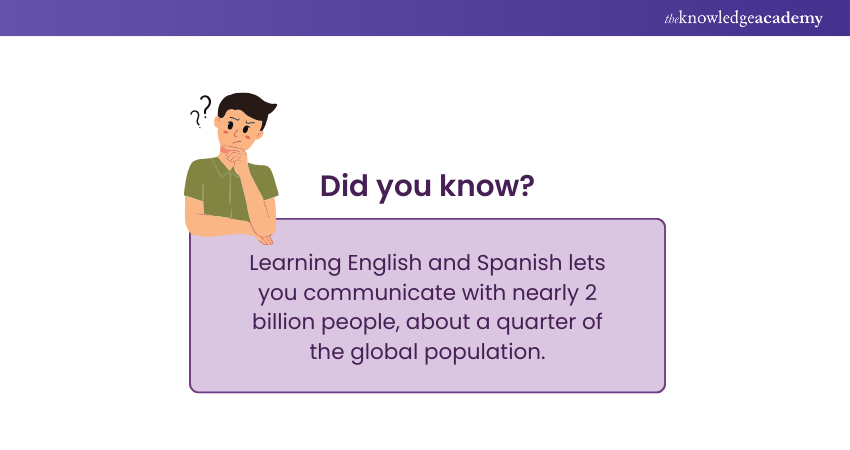
Spanish boasts over 500 million native speakers and is the second most studied language in the world. It’s the official language of 20 countries, from Spain to much of Latin America.
Why Learn Spanish?
a) Spanish is a major language in international trade and diplomacy.
b) It’s very easy for English speakers to learn, thanks to similar grammar and vocabulary roots.
c) Spanish-speaking countries offer incredible opportunities for travel and cultural exploration.
By mastering Spanish, you gain access to a vibrant world of art, music, and history.
5) Standard Arabic
Arabic is spoken by over 400 million people and is the liturgical language of Islam. Its dialects vary widely across the Arab world, but learning Standard Arabic opens the door to communication in numerous countries.
Struggling to connect across cultures? Learn the secrets of effective communication with our expert Cross-Cultural Communications Training – Join now!
Why Learn Arabic?
a) Arabic-speaking nations play a crucial role in global politics and energy markets.
b) It’s one of the six official UN languages.
c) Learning Arabic offers insight into a rich literary and historical tradition.
Though challenging, mastering Arabic can be immensely rewarding, particularly for those interested in Middle Eastern culture and affairs.
6) French
Known as the language of love, French has over 300 million speakers worldwide. It’s the official language of 29 countries and a key player in diplomacy, arts, and culture.
Why Learn French?
a) French is the second most taught language globally.
b) It’s essential for careers in international organisations like the United Nations and UNESCO.
c) French culture is synonymous with sophistication, offering access to world-class literature, cuisine, and fashion.
Whether you're strolling through the streets of Paris or negotiating business in Africa, French is a language that opens countless doors.
7) Bengali
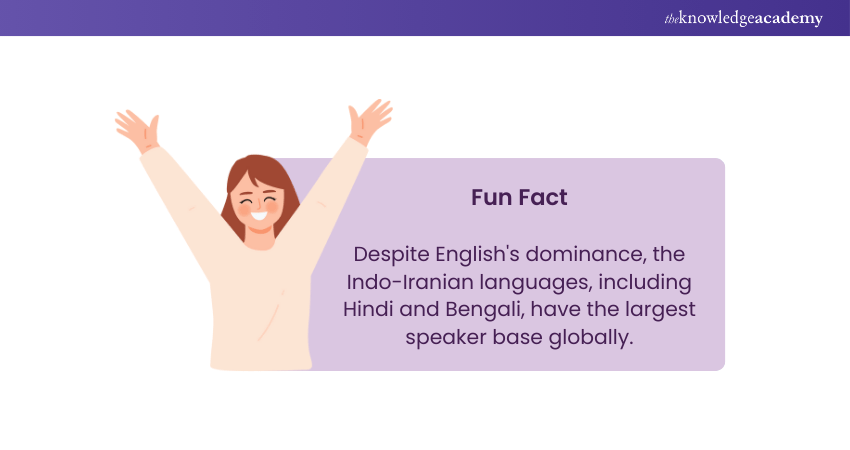
Bengali, or Bangla, is spoken by over 270 million people, primarily in Bangladesh and India. It’s one of the sweetest-sounding languages and a cornerstone of South Asian culture.
Why Learn Bengali?
a) Bengali is one of the most spoken languages globally, yet it’s often overlooked.
b) It’s key to understanding the vibrant culture and history of Bengal.
c) Bengali literature, including works by Nobel laureate Rabindranath Tagore, is globally renowned.
Learning Bengali is an enriching way to delve into South Asia’s dynamic and diverse heritage.
8) Portuguese
With over 260 million speakers, Portuguese is spoken not only in Portugal and Brazil but also in parts of Africa and Asia.
Why Learn Portuguese?
a) Brazil is an emerging economic giant, making Portuguese a valuable language in business.
b) Portuguese is the gateway to exploring the music, dance, and cuisine of Lusophone countries.
c) It’s relatively easy for speakers of other Romance languages to pick up.
From the beaches of Rio de Janeiro to the cobblestone streets of Lisbon, Portuguese opens a world of adventure.
9) Russian
Spoken by over 250 million people, Russian is the most widely spoken language in Eurasia. It’s also one of the six official languages of the United Nations.
Why Learn Russian?
a) Russian is essential for accessing scientific and technical literature.
b) It’s a key language for anyone working in politics, defence, or space exploration.
c) Russian culture offers rich contributions to literature, music, and ballet.
While learning Russian can be challenging due to its Cyrillic script and complex grammar, it’s a worthwhile endeavour for those intrigued by its cultural and political influence.
10) Urdu
Urdu is spoken by over 230 million people, primarily in Pakistan and parts of India. It’s a poetic and elegant language that reflects a rich cultural heritage.
Why Learn Urdu?
a) Urdu is central to South Asian music, literature, and film.
b) Learning Urdu can help bridge cultural gaps in one of the most populous regions of the world.
c) Its shared vocabulary with Hindi makes it easier for Hindi speakers to learn.
Urdu’s beauty lies in its poetic nature, often described as the language of love and expression.

Fluency starts here! Register in our English Speaking Course and watch your confidence soar.
Which Language is the Easiest to Learn?
The easiest language to learn depends on your native language. For English speakers, languages like Spanish, French, or Italian are often considered easier due to similarities in vocabulary, grammar, and sentence structure.
Which Country has 500 Languages?
Papua New Guinea holds the record for the most languages spoken, with over 500 distinct languages. Its diverse cultural groups contribute to this remarkable linguistic variety, making it a unique global language hub.
Conclusion
Languages are more than words; they’re bridges that connect cultures, ideas, and people. Learning one of the Most Spoken Languages in the World isn’t just about gaining a skill—it’s about unlocking new opportunities, perspectives, and adventures. Whether you dream of exploring through the bustling streets of Beijing, impressing someone in Spanish, or diving into the poetic beauty of Urdu, each language offers its own unique charm and possibilities.
Bonjour to new horizons! Learn French with us and immerse yourself in a language of elegance and charm with our Spoken French Training - Join now!
Frequently Asked Questions
Is English the Language Most Used by several speakers?

Yes, English is the most spoken language globally, with 1.5 billion total speakers, combining native and non-native users.
What is the Hardest Language to Learn?
Languages like Mandarin Chinese, Arabic, and Japanese are considered the hardest due to complex grammar, scripts, and tonal systems. However, the difficulty varies depending on your native language.
What are the Other Resources and Offers Provided by The Knowledge Academy?
The Knowledge Academy takes global learning to new heights, offering over 3,000+ online courses across 490+ locations in 190+ countries. This expansive reach ensures accessibility and convenience for learners worldwide.
Alongside our diverse Online Course Catalogue, encompassing 19 major categories, we go the extra mile by providing a plethora of free educational Online Resources like Blogs, eBooks, Interview Questions and Videos. Tailoring learning experiences further, professionals can unlock greater value through a wide range of special discounts, seasonal deals, and Exclusive Offers.
What is The Knowledge Pass, and How Does it Work?
The Knowledge Academy’s Knowledge Pass, a prepaid voucher, adds another layer of flexibility, allowing course bookings over a 12-month period. Join us on a journey where education knows no bounds.
What are the Related Courses and Blogs Provided by The Knowledge Academy?
The Knowledge Academy offers various Communication Skills Course, including Effective Communication Skills Course, Visual Communication Course, and Nonverbal Communication Training. These courses cater to different skill levels, providing comprehensive insights into IT Communications Strategy.
Our Business Skills Blogs cover a range of topics related to Communication, offering valuable resources, best practices, and industry insights. Whether you are a beginner or looking to advance your Nonverbal Communication skills, The Knowledge Academy's diverse courses and informative blogs have got you covered.

Charlotte Wilson


Soft Skills and Business Training Manager
Charlotte Wilson is an expert in soft skills development, with over 14 years of experience helping individuals and teams improve communication, productivity and emotional intelligence in the workplace. Her training content is focused on enhancing interpersonal effectiveness and fostering positive, collaborative environments across all levels of an organisation.
View Detail
Upcoming Business Skills Resources Batches & Dates
Date
 Cross Cultural Communications Training
Cross Cultural Communications Training
Fri 17th Jul 2026
Cross Cultural Communications Training
Fri 9th Oct 2026

 If you wish to make any changes to your course, please


