


 Top Rated Course

We may not have the course you’re looking for. If you enquire or give us a call on +358 942454206 and speak to our training experts, we may still be able to help with your training requirements.
Customer Value Proposition: The Key to Business Success
The Knowledge Academy 04 February 2026A Customer Value Proposition (CVP) is a clear statement that explains why a customer should choose a product or service over others. A strong CVP helps businesses stand out and increase sales. It should be clear, simple, and focused on customer needs. This blog covers key elements, examples, and tips to craft an effective CVP.

Training Outcomes Within Your Budget!
We ensure quality, budget-alignment, and timely delivery by our expert instructors.
Table of Contents

Ever wondered why some businesses attract customers so easily while others struggle? The secret is a strong Customer Value Proposition! It’s a simple way to tell customers why your product or service is the best choice. A great CVP makes people trust your brand, choose you over competitors, and take action. Without it, customers may not see the value in your offer.
So, how can you create a Customer Value Proposition that truly works? Don’t worry—we’ve got you covered! In this blog, you will learn what a CVP is, why it matters, and how to develop one that grabs attention and drives success. Let’s get started!
Table of Contents
1) What is a Customer Value Proposition?
2) Why is a Customer Value Proposition Important?
3) Key Elements of a Strong Customer Value Proposition
4) Example of a Successful Customer Value Proposition in Action
5) Tips for Crafting a Strong Customer Value Proposition
6) Conclusion
What is a Customer Value Proposition?
A Customer Value Proposition (CVP) is a clear statement that explains why a customer should choose a product or service. It tells them what makes it special, how it solves their problem, and why it is better than other options. A strong CVP focuses on what the customer needs and shows how the product provides value.
A good CVP helps businesses attract and keep customers by showing the benefits of their product in a simple way. For example, a mobile phone company might say, "Stay connected anytime, anywhere with our fast and affordable network." This tells customers what they will get – fast service at a good price. The clearer the message, the easier it is for customers to decide.

Why is a Customer Value Proposition Important?
Here are the benefits of it:
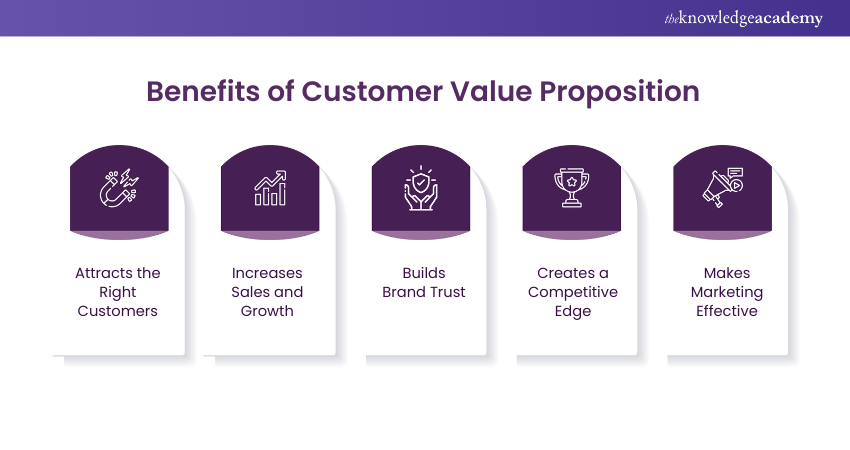
Demonstrates Competitiveness
a) Shows why your product is better than others in the market
b) Highlights unique features that make your brand stand out
c) Builds trust by proving the value of what you offer
Promotes Faster Conversion
a) Helps customers quickly understand why they should buy
b) Reduces confusion by clearly stating the benefits
c) Encourages action by making the Decision-making process easier
Differentiates Your Product from Competitors
a) Explains what makes your product special and different
b) Focuses on unique benefits that others don’t offer
c) Helps customers remember your brand over others
Key Elements of a Strong Customer Value Proposition
Here are the key elements of a strong Customer Value Proposition that make it clear and convincing for customers.
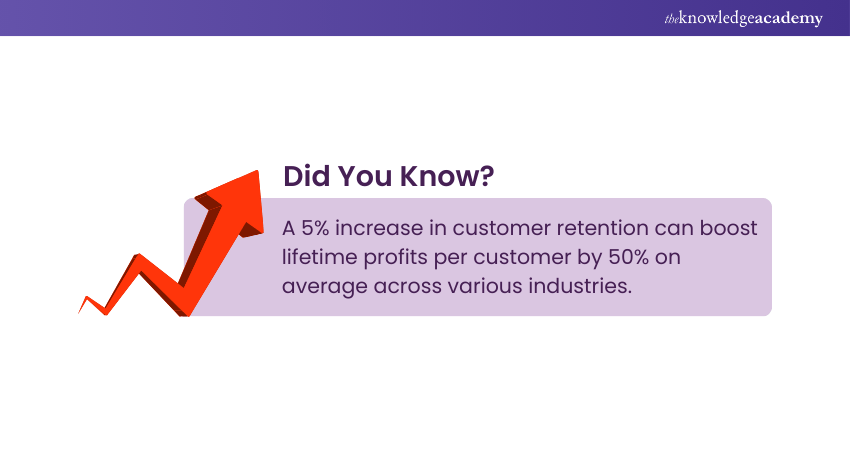
1) Clear and Simple
A good CVP should be easy to understand. It should clearly tell customers what the product does and why it is useful. If the message is too complicated, people may lose interest.
a) Use short and clear sentences
b) Avoid technical words that may confuse customers
c) Make sure the message is easy to remember
2) Relevant to the Customer
The CVP should focus on what the customer needs and wants. It should explain how the product solves a problem or makes life easier. If customers see the value, they are more likely to choose it.
a) Show how the product helps in daily life
b) Focus on benefits, not just features
c) Use words that connect with customer feelings and needs
3) Quantifiable Results
A strong CVP includes real numbers or facts to show how the product helps. Customers trust clear results over vague promises. Showing proof makes it easier for them to decide.
a) Use numbers to show savings, speed, or improvement
b) Give examples of customer success stories
c) Show before-and-after comparisons if possible
4) Unique and Differentiated
The CVP should explain why the product is different from others. If many products offer the same thing, customers have no reason to choose yours. A unique CVP makes your product stand out.
a) Highlight what makes your product special
b) Show why customers should pick you instead of competitors
c) Focus on strengths that others don’t have
5) Targeted to Decision Makers
The CVP should speak to the people who make buying decisions. Business products should focus on managers or owners, while personal products should target regular customers. The right message helps convince the right people.
a) Use words that matter to the decision-maker
b) Focus on what helps them save time or money
c) Show how the product solves their specific problems
Learn how to sell value with our Value Based Selling Training – Join today!
Example of a Successful Customer Value Proposition in Action
Some of the best CVPs follow key steps to ensure they meet customer needs. Here is how successful businesses do it:
1) Validate the Customer’s Needs and Goals
a) Understand what the customer wants and what problems they face
b) Ask questions to make sure the product or service fits their needs
c) Show that you care about solving their problems
2) Connect Customer Goals to Key Deal Drivers
a) Link your product’s benefits to what the customer wants
b) Explain how your solution helps them reach their goals
c) Use clear examples to show why it’s the right choice
3) Measure and Highlight the Value Delivered
a) Show real results with numbers or facts
b) Give examples of how others have benefited from your product
c) Make it clear how much time, money, or effort they can save
4) Offer Flexible Solutions to Meet Needs
a) Provide different options to fit different customer needs
b) Allow customers to select what works best for them
c) Be open to adjustments based on their feedback
5) Summarise Key Benefits and Reinforce Value
a) Highlight the most important reasons to choose your product
b) Keep the message simple and easy to understand
c) Make sure customers remember why your product is the best
Learn to build customer satisfaction with our Strategic Marketing Course – Join today!
Tips for Crafting a Strong Customer Value Proposition
Here are some tips for crafting a strong Customer Value Proposition that connects with customers:
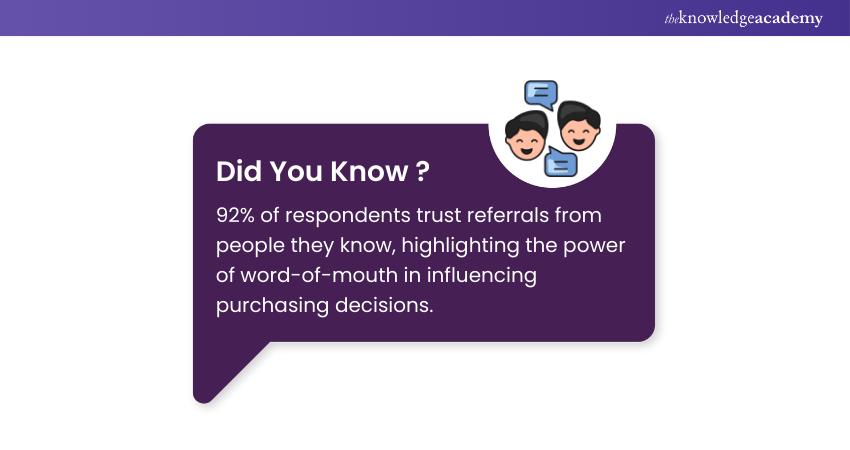
Know Your Market
a) Understand who your customers are and what they need
b) Research your competitors to see what they offer
c) Find out what problems your product solves
d) Use customer feedback to improve your message
Differentiate From a Slogan
a) A CVP explains the value, while a slogan is a catchy phrase
b) Focus on benefits, not just a short, clever line
c) Give details on why your product is better
d) Make sure your CVP is informative and helpful
Display Your Value Proposition
a) Put your CVP on your website, ads, and packaging
b) Make it easy for customers to find and read
c) Use clear and simple words so it’s easy to understand
d) Highlight it in places where customers make decisions
Test and Refine Your Message
a) Ask customers if your CVP makes sense to them
b) Try different versions to see which works best
c) Keep improving it based on feedback and results
d) Make sure it stays clear, strong, and relevant
Use Additional Value-boosting Phrases
a) Add words that show urgency, like "limited offer" or "exclusive"
b) Use phrases that build trust, like "trusted by thousands"
c) Highlight guarantees, such as "money-back guarantee"
d) Show proof with words like "proven results" or "certified quality"
Master Consumer Behaviour – register in our Consumer Behaviour Course today and boost your Marketing!
Conclusion
We hope this blog made it easy to understand the Customer Value Proposition and why it matters. A strong CVP helps businesses attract customers, stand out from competitors, and increase sales. Keep it clear, simple, and focused on customer needs. Test and improve your message to make it stronger. By following these steps, you can create a CVP that builds trust and drives success.
Learn strategies to create effective campaigns with our Marketing Training – Join today!
Frequently Asked Questions
How Do You Identify Customer Value Proposition?

You identify a Customer Value Proposition (CVP) by understanding what customers need and how your product helps them. Focus on solving their problems and offering something better than competitors.
What are the Three Main Criteria for Customer Value Proposition?
The three main criteria are clarity, relevance, and uniqueness. Your message should be easy to understand, important to the customer and different from what others offer.
What are the Other Resources and Offers Provided by The Knowledge Academy?
The Knowledge Academy takes global learning to new heights, offering over 3,000+ online courses across 490+ locations in 190+ countries. This expansive reach ensures accessibility and convenience for learners worldwide.
Alongside our diverse Online Course Catalogue, encompassing 19 major categories, we go the extra mile by providing a plethora of free educational Online Resources like Blogs, eBooks, Interview Questions and Videos. Tailoring learning experiences further, professionals can unlock greater value through a wide range of special discounts, seasonal deals, and Exclusive Offers.
What is The Knowledge Pass, and How Does it Work?
The Knowledge Academy’s Knowledge Pass, a prepaid voucher, adds another layer of flexibility, allowing course bookings over a 12-month period. Join us on a journey where education knows no bounds.
What are Related Courses and Blogs Provided by The Knowledge Academy?
The Knowledge Academy offers various Marketing Courses, including the Consumer Behaviour Course, Integrated Marketing Training and Strategic Marketing Course. These courses cater to different skill levels, providing comprehensive insights into Customer Engagement.
Our Digital Marketing Blogs cover a range of topics related to Customer Value Proposition, offering valuable resources, best practices, and industry insights. Whether you are a beginner or looking to advance your Marketing skills, The Knowledge Academy's diverse courses and informative blogs have got you covered.

The Knowledge Academy


Global Training Provider
The Knowledge Academy is a world-leading provider of professional training courses, offering globally recognised qualifications across a wide range of subjects. With expert trainers, up-to-date course material, and flexible learning options, we aim to empower professionals and organisations to achieve their goals through continuous learning.

Upcoming Digital Marketing Resources Batches & Dates
Date
 Consumer Behaviour Course
Consumer Behaviour Course
Thu 17th Sep 2026
Consumer Behaviour Course
Thu 17th Dec 2026

 If you wish to make any changes to your course, please


