


 Top Rated Course

We may not have the course you’re looking for. If you enquire or give us a call on +358 942454206 and speak to our training experts, we may still be able to help with your training requirements.
Assertive vs Aggressive: Main Differences Explained
Charlotte Wilson 26 March 2026Assertive communication expresses your needs clearly while respecting others, whereas Aggressive communication forces demands, dominance and creates conflict. Assertiveness builds trust and mutual understanding, while Aggressiveness damages rapport and brings tension. The choice between the two depends on the way you want to communicate.

Training Outcomes Within Your Budget!
We ensure quality, budget-alignment, and timely delivery by our expert instructors.
Table of Contents

Understanding the difference between Assertive vs Aggressive communication can have a great impact on the interactions and relationships among individuals. The contrast between these approaches lies in balancing your needs with others while preserving self-respect. Assertive communication empowers individuals to resolve conflicts, foster understanding, and cultivate healthier connections.
However, Assertive Behaviour when not showcased properly can lead to Aggression. This, in turn can result in a damaged relationship. Thus, it’s crucial to understand their differences. Read this blog to learn about the difference between Assertive vs Aggressive communication. Also, explore their distinct methods and contrasting styles of exchanging ideas.
Table of Contents
1) What is Assertiveness?
2) What is Aggressiveness?
3) Difference Between Assertive vs Aggressive Communication
4) An Example of Assertive vs Aggressive Communication
5) The Importance of Assertive Communication at the Workplace
6) How Can I Be Assertive Without Being Aggressive?
7) Is it Bad to be Aggressive?
8) Conclusion
What is Assertiveness?
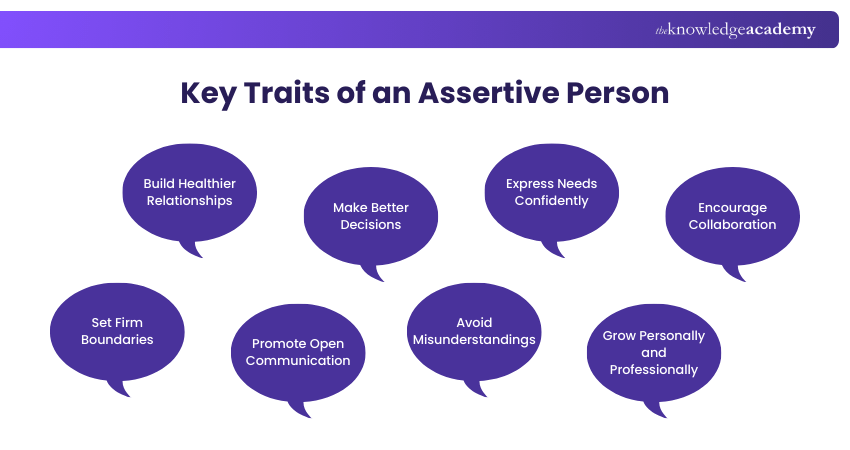
Assertiveness is the ability to express your thoughts, needs, and opinions confidently while still respecting the rights and feelings of others. It sits comfortably between being too passive and overly aggressive, helping you communicate more openly and honestly. When you’re assertive, you can set boundaries without fear or guilt, creating healthier interactions.
Being assertive also helps you stay calm and clear during difficult conversations, reducing misunderstandings and improving relationships. It encourages you to stand up for yourself in a professional, respectful manner, which boosts self-esteem and builds trust with others. Over time, assertiveness becomes a valuable skill for both personal and workplace success.

What is Aggressiveness?
Aggressiveness is a communication style where a person expresses their thoughts or needs in a forceful, dominating, or confrontational way. Instead of considering others’ feelings or boundaries, aggressive behaviour often prioritises personal wants above everything else. This can create tension, fear, or discomfort in both personal and professional interactions.
People who communicate aggressively may interrupt, speak harshly, or react emotionally, making it difficult for others to engage openly. Over time, this behaviour damages relationships, reduces trust, and leads to conflicts that could have been avoided. While it can sometimes get short term results, it usually harms communication and teamwork in the long run.
Learn the ropes of business communication attitudes and emotional skills by signing up for our Nonverbal Communication Training now!
Difference Between Assertive vs Aggressive Communication
Assertive communication focuses on expressing your needs clearly while still valuing the rights and feelings of others. It encourages open dialogue, mutual respect, and solutions that work for everyone involved. This style helps build trust, improve understanding, and strengthen relationships.
Aggressive communication, on the other hand, prioritises one person’s needs at the expense of others. It often involves dominating behaviour, raised voices, or dismissive language, which can create fear or conflict. Instead of encouraging cooperation, it pushes people away and often leads to long term communication issues.
Here is a tabulation of the differences between Assertive and Aggressive communication:

Learn to express yourself confidently and enhance your career prospects by signing up for our Assertiveness Skills Course - Join now!
An Example of Assertive vs Aggressive Communication
Consider an example where you and your teammate Elisa, are working on a project together, at the workplace. The project is an important one, and you feel that Elisa needs to perform to her standards. Below is an example showing how to handle this situation Assertively and Aggressively:
Assertive Communication: “Elisa, I have been noticing for a while that you are being inconsistent in your work. We need to finish the project before the deadline and make an impact. I believe that with more consistent efforts from our side, we can pull it off successfully.”
Aggressive Communication: “Elisa, I can’t tolerate this terrible performance from your side anymore. Why would I always follow up and fix your mistakes? If you are not putting in enough effort from now on, I am going to report this to the manager as I’m tired of you.”
These are two ways you can handle a situation, and it is always advised to be Assertive rather than Aggressive. Being Assertive gives space for others to learn from their mistakes and move on. On the other hand, being Aggressive makes the other person weaker.
Key Differences in Being Aggressive vs Assertive Examples
Aggressive behaviour pushes your needs at the expense of others, while assertive behaviour expresses them clearly and respectfully. For example, when a colleague interrupts you, an aggressive response might be “Stop talking over me, you never listen!”, which creates tension. An assertive response would be “I’d like to finish my point, then I’m happy to hear your thoughts”, which sets a boundary without escalating conflict.
Similarly, if someone gives you extra work, an aggressive reply like “This isn’t my problem, do it yourself” can harm relationships. An assertive alternative would be “I can’t take this on right now, but I can help later or suggest another option”. These Assertive vs Aggressive examples show how assertiveness protects your needs while maintaining respect, whereas aggression often damages trust and communication. It also demonstrates how Assertiveness and Aggressiveness works.
Find the perfect Books on Assertiveness to boost your self-assurance.
The Importance of Assertive Communication at the Workplace
The significance of Assertive communication in the workplace cannot be overstated. Here’s why Assertive communication is crucial in a professional setting:
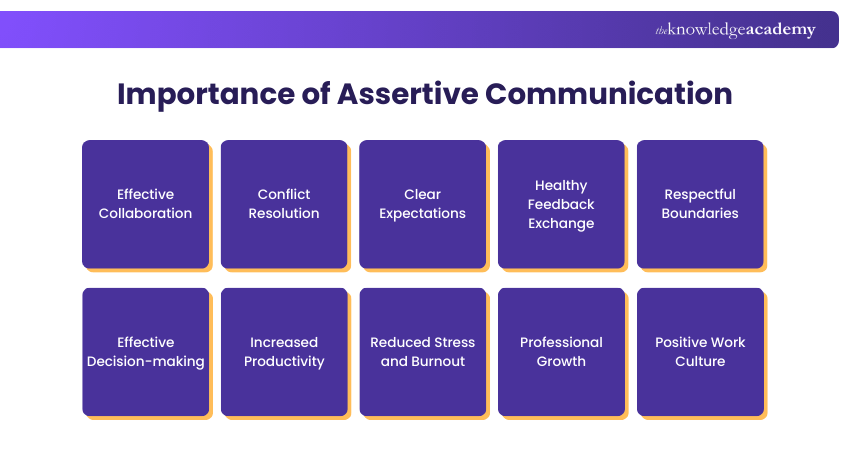
a) Effective Collaboration: Assertive Communication promotes effective collaboration among team members. It encourages open dialogue, active listening, and the sharing of diverse perspectives. This leads to better problem-solving and innovation.
b) Conflict Resolution: Assertive Communication plays a vital role in resolving conflicts at work. By expressing concerns and addressing issues directly and respectfully, Assertive individuals can find mutually beneficial solutions and prevent conflicts from escalating.
c) Clear Expectations: Assertive Communication allows for the clear and concise expression of expectations. It ensures that everyone understands their roles, responsibilities, and goals, minimising confusion and enhancing productivity.
d) Healthy Feedback Exchange: Assertive Communication enables the effective exchange of feedback between colleagues and supervisors. It allows individuals to give and receive constructive criticism in a respectful manner, leading to personal growth and professional development.
e) Respectful Boundaries: Assertive Communication helps establish and maintain respectful boundaries in the workplace. It enables individuals to assert themselves while considering the needs and boundaries of others. This helps create a harmonious and inclusive work environment.
f) Effective Decision-making: Assertive Communication contributes to effective decision-making processes. By expressing opinions and providing input assertively, individuals can contribute valuable insights and participate actively in decision-making discussions.
g) Increased Productivity: When Assertive Communication is practised, misunderstandings and conflicts are minimised, leading to increased productivity. Clear communication and understanding among team members enhances workflow efficiency and collaboration.
h) Reduced Stress and Burnout: Assertive Communication helps in reducing stress and burnout at the workplace. By effectively expressing needs and concerns, individuals can avoid bottling up emotions, leading to improved mental well-being.
i) Professional Growth: Assertive Communication instils professional growth by promoting self-advocacy and self-confidence. It allows individuals to express their ideas, seek opportunities, and assert their value in the workplace.
j) Positive Work Culture: A work culture that embraces Assertive Communication is characterised by respect, trust, and effective teamwork. It encourages open dialogue, values diverse perspectives, and supports individual growth and well-being.
Learn to handle disputes and resolve conflicts in an organisation by signing up for our Conflict Resolution and Negotiation for Change Training now!
How Can I Be Assertive Without Being Aggressive?
You can be Assertive without becoming Aggressive by expressing your needs clearly while still respecting others’ boundaries and when you have a deep understanding of Assertiveness vs Aggressiveness. You need to focus on using calm, confident language, maintaining an open body posture, and communicating your feelings clearly. Moreover, assertive people treat everyone equally and show mutual respect for each other, even when disagreements arise.
Assertiveness is all about honesty and clarity, not confrontation or dominance. This is what leads to lagging in aggressive people because they don’t value others’ perspectives. They might be involved in negotiation and manipulation of others to accept their own perspectives.
Is it Bad to be Aggressive?
Aggressiveness isn’t always bad. In competitive sports, self-defence, or situations where quick, forceful action is needed, aggression can help you win or stay safe. But in workplaces, families, and relationships, it often creates tension, damages trust, and harms communication.
While Assertiveness encourages respectful dialogue and mutual understanding, Aggressiveness tends to overpower others and disrupt healthy interactions.
Conclusion
Understanding the key differences between Assertive vs Aggressive Communication is essential for cultivating healthy relationships, both personally and professionally. Individuals can adopt Assertive Communication techniques to facilitate respectful dialogue, resolve conflicts effectively, and create a positive and collaborative environment.
Acquire an extensive understanding of communication types and leadership styles by signing up for various courses on Communication Skills Training. Join now!
Frequently Asked Questions
When Does Assertiveness Turn Into Aggression, and How Can I Avoid Crossing That Line?

Assertiveness can turn into Aggression when it involves dominating others. To avoid crossing the line, practice active listening, express thoughts calmly, and respect differing opinions. Strive for communication and collaboration rather than controlling others.
Are There Cultural Differences in the Perception of Assertive and Aggressive Behaviour?
Yes, cultural differences impact perceptions. What's Assertive in one culture may be viewed as Aggressive elsewhere. Understanding cultural nuances, adapting communication styles, and being open to diverse perspectives foster effective cross-cultural interactions.
What are the Other Resources and Offers Provided by The Knowledge Academy?
The Knowledge Academy takes global learning to new heights, offering over 3,000+ online courses across 490+ locations in 190+ countries. This expansive reach ensures accessibility and convenience for learners worldwide.
Alongside our diverse Online Course Catalogue, encompassing 17 major categories, we go the extra mile by providing a plethora of free educational Online Resources like Blogs, eBooks, Interview Questions and Videos. Tailoring learning experiences further, professionals can unlock greater value through a wide range of special discounts, seasonal deals, and Exclusive Offers.
What is The Knowledge Pass, and How Does it Work?
The Knowledge Academy’s Knowledge Pass, a prepaid voucher, adds another layer of flexibility, allowing course bookings over a 12-month period. Join us on a journey where education knows no bounds.
What are the Related Courses and Blogs Provided by The Knowledge Academy?
The Knowledge Academy offers various Communication Skills Courses, including Assertiveness Skills Training, Public Speaking Course and Effective Communication Skills Training. These courses cater to different skill levels by providing comprehensive insights into Verbal Communication Skills.
Our Business Skills Blogs cover a range of topics related to Assertive vs Aggressive Communication, offering valuable resources, best practices, and industry insights. Whether you are a beginner or looking to advance your Communication skills expertise, The Knowledge Academy's diverse courses and informative blogs have you covered.

Charlotte Wilson


Soft Skills and Business Training Manager
Charlotte Wilson is an expert in soft skills development, with over 14 years of experience helping individuals and teams improve communication, productivity and emotional intelligence in the workplace. Her training content is focused on enhancing interpersonal effectiveness and fostering positive, collaborative environments across all levels of an organisation.
View Detail
Upcoming Business Skills Resources Batches & Dates
Date
 Public Speaking Course
Public Speaking Course
Fri 31st Jul 2026
Public Speaking Course
Fri 2nd Oct 2026
Public Speaking Course
Fri 27th Nov 2026

 If you wish to make any changes to your course, please


