


 Top Rated Course


We may not have the course you’re looking for. If you enquire or give us a call on +34 932716793 and speak to our training experts, we may still be able to help with your training requirements.
Mobile SEO: Strategies to Boost Your Mobile Rankings
James Smith 09 February 2026Are you wondering why your mobile site isn’t ranking well? As mobile traffic dominates the web, optimising for Mobile SEO is more important than ever. It’s all about fast load times, User Experience, and responsive design. In this blog, we will discover the top strategies and methods to enhance your mobile site’s performance.

Training Outcomes Within Your Budget!
We ensure quality, budget-alignment, and timely delivery by our expert instructors.
Table of Contents

As the digital landscape continues to grow, mobile devices have become the prime tool for browsing, shopping, and searching online. With more people turning to their smartphones for quick answers, businesses must adapt to this mobile-first world. If your website isn’t easy to use on a smartphone, you could be missing out on important visitors and sales. That’s why Mobile SEO is important—it helps your site work well on mobile and show up in search results, giving users a smooth experience.
A well-optimised mobile site not only keeps users engaged but also signals to search engines like Google that your site is worthy of higher rankings. In this blog, we’ll explore the essential strategies you need to succeed in Mobile SEO, from responsive design to optimising for voice search and local mobile queries
Table of Contents
1) What is Mobile SEO?
2) Why is Mobile SEO Important?
3) Methods to Optimise Your Website for Mobile
4) How to Monitor Mobile Traffic?
5) How to Test if Your Website is Mobile-Optimised?
6) Strategies for Mobile SEO Success
7) Conclusion
What is Mobile SEO?
Mobile SEO is the practice of getting your site great on mobile, so loading is very fast and much easier to access on smartphones and tablets. This means that with Google's mobile-first indexing, the search engine serves the mobile version of your site if it's available on the desktop for ranking determinations. In simple words, how your site fares on mobile can make or break your success in SEO.
Mobile SEO goes beyond ensuring that the website is responsive; it involves emphasising aspects like page loading speed, friendliness to the users, and content on mobile. Properly doing so ensures seamless experience across devices for users.

Why is Mobile SEO Important?
Mobile SEO is important for a lot of reasons, but for this blog, four major factors stand out. Let's dive into these to know why optimising for mobile is no longer optional but essential.

1) Mobile Search is Proliferating
As more users are getting cheaper mobiles and can get internet access virtually anywhere, there has been a phase shift wherein mobile searches have now overtaken the desktop-based ones.
Indeed, more than 63 percent of online search is now being done through mobile. This new trend in mobile behaviour requires that the websites be tweaked to suit mobile users. Mobile SEO must come out effective, or else you'll lose a majority part of your market.
2) Google Rankings Depend on Mobile Content
With the shift to prioritising mobile indexing, Google will increasingly rely on a mobile version of your site for indexation and ranking. Having a non-mobile friendly website, therefore, may negatively impact your Google rankings.
Mobile SEO ensures content crawled by Google on a mobile device is relevant, of high quality, and accessible. Failure to do so may result in a loss of rankings or lower positioning for search results, despite having an optimised desktop site.
3) Mobile Search Boosts Sales
Mobile search isn't just for browsing; it's also for buying. Many users make or complete their purchases on a mobile device. Thus, a fully optimised mobile site will help to turn casual visitors into paying customers.
Improving your mobile UX is the ticket to keeping the visitor on the site longer and getting them to search through your offerings in a much more thorough manner that will entice them to make the most of it through making the purchase, of course, in sales.
4) Mobile SEO Influences Voice Search
Voice search is gaining popularity, especially on devices like mobile. People now use voice-activated assistants like Siri and Google Assistant to find information or make purchases.
Optimising your site for mobile also influences how well it ranks for voice search. Mobile-friendly content, combined with local SEO, can increase your chances of appearing in voice search results, driving more traffic to your site.
Methods to Optimise Your Website for Mobile
Optimising your website for mobile implies a few of the fundamental methods to ensure that your site works well on every device. Here are three successful strategies to achieve this:
1) Responsive Design
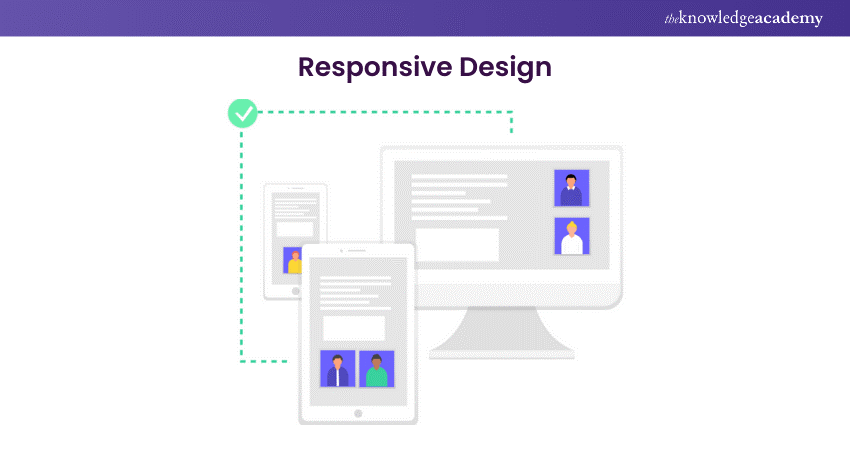
Responsive design is the technique through which the layout and content of a website are both adaptable to the size of the device screen of the user. Whether they're using a smartphone, tablet, or desktop computer, your site will dynamically resize images, words, and navigation elements to perfect viewing. This not only enhances the User Experience, but also happens to line up with Google's best practice preference for responsive websites.
2) Dynamic Serving
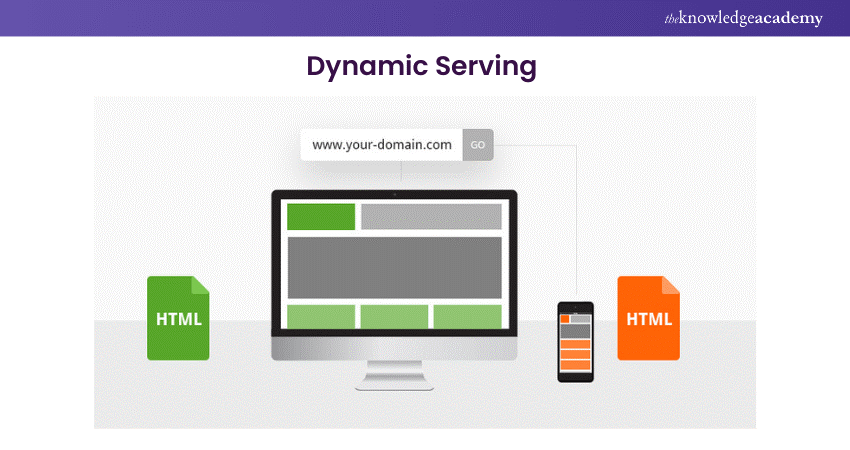
Dynamic serving supplies unique HTML and CSS to users based on the device of choice while retaining the same URL. In short, your site identifies whether a visitor is on a mobile, tablet, or desktop and provides a suitable version of your site. This method improves the load speed of your site and gives a customised look to your users.
3) Separate Mobile URLs
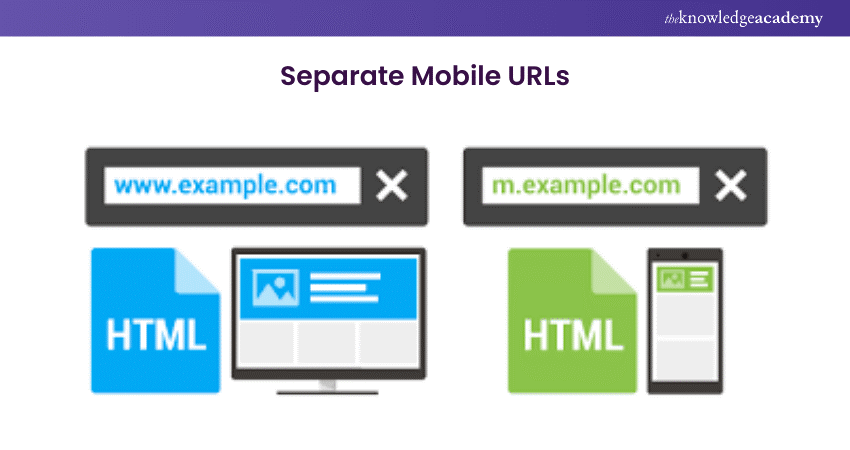
Some shops prefer to use the separate mobile URLs, usually followed with the "m" sign before the main domain name as m.example.com. Of course, with separated mobile URLs, you automatically optimise your mobile site for smaller screens. The downside is that you must maintain two versions of your website, which can get very cumbersome and hard to manage. However, if done right, separate mobile URLs can provide a customised experience to a mobile user.
How to Monitor Mobile Traffic?
Monitoring of mobile traffic is key to understanding how well your Mobile SEO efforts are working. This information can be obtained to show which devices users are using to visit your site, and how they're behaving on mobile. Monitoring of mobile traffic is basically achievable through tools such as Google Analytics.
Mobile metrics can be carefully monitored to track down some problems with respect to the high bounce rate on the mobile site; for instance, it will be corrected in time. In this way, the website continues to be optimised for your mobile visitors.
Turn your website into a traffic magnet! Learn powerful SEO strategies with our SEO Course to drive massive organic traffic – join today!
How to Test if Your Website is Mobile-Optimised?
While testing a website for being mobile-friendly forms one of the essentials of a good User Experience, there are several tools through which one can check the website's ability to convert, including how mobile-friendly it is and where adjustments are required.
1) Google Search Console
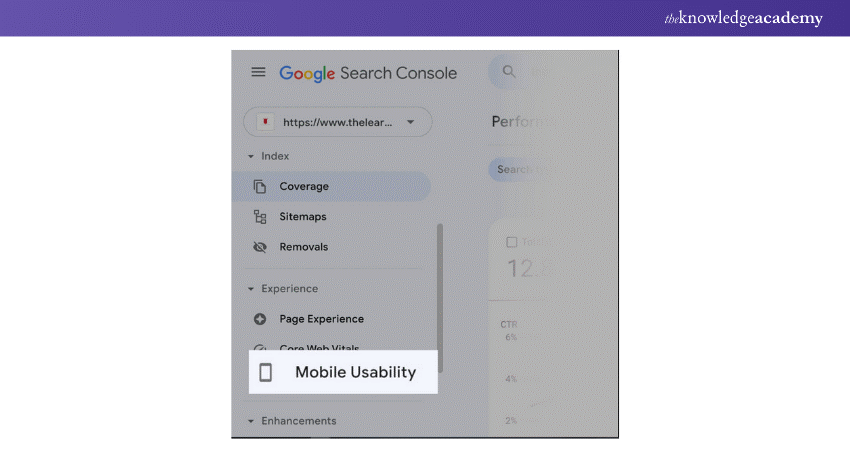
Google Search Console gives you the data on how Google sees your website. You will be given a report on the mobile usability of your website, indicating factors such as having text that is too small to read and clickable elements that are too close to each other. By using this tool, you can make the requisite corrections and enhance your Mobile SEO.
2) Mobile-friendly Test Tool
Google has a free Mobile-friendly test tool that you can use to scan whether your site is mobile-friendly. All you need to do is input the URL, and the tool will generate a rich report on the problems faced. It is fast and efficient to ensure your site meets the needs of SEO under the phone.

3) SEMrush Site Audit
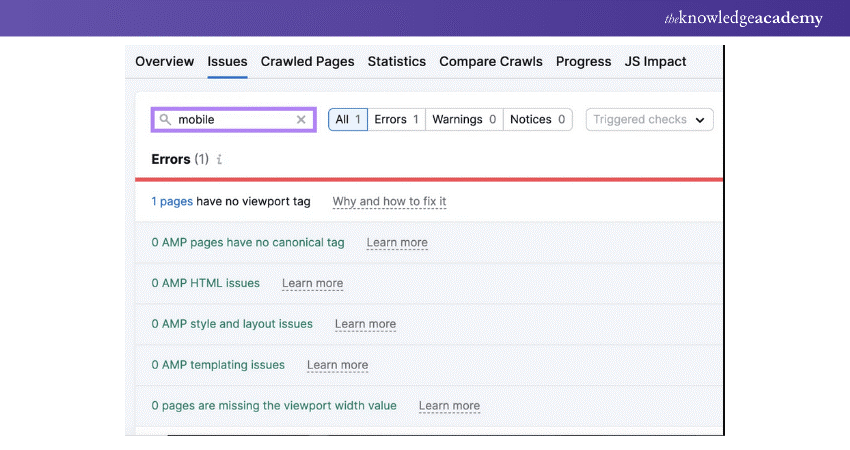
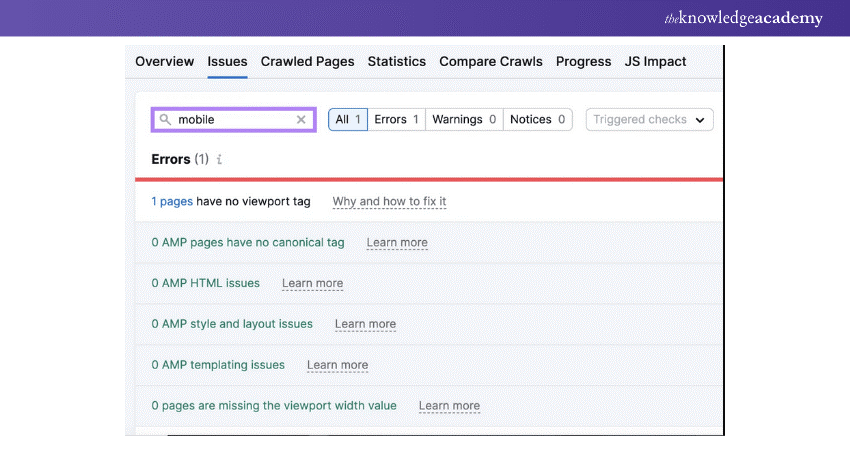
SEMrush provides a site audit tool, which scans for Mobile SEO issues. The report includes issues such as mobile usability, load time, etc. Running a scan could help you to pinpoint specific issues that hurt your mobile rankings and nudge you toward its optimisation.
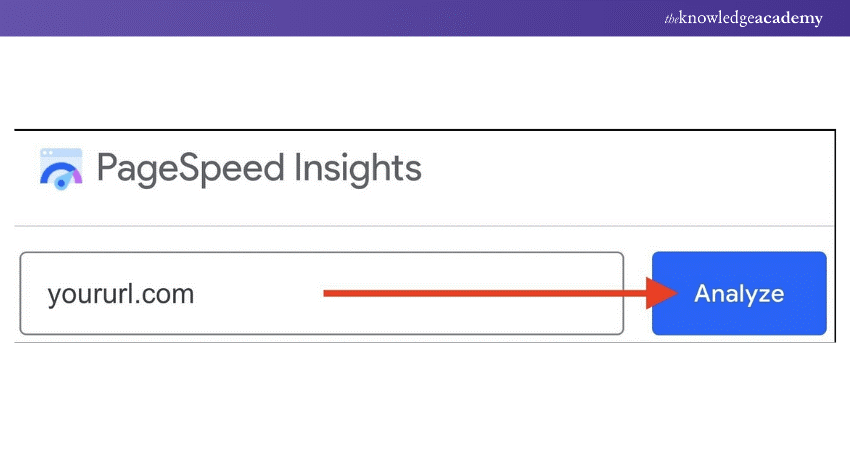
4) PageSpeed Insights
One of the biggest determinants of Mobile SEO is page load speed. Google's PageSpeed Insights tool will give you a read on how your site performs on both mobile and desktop, providing actionable insights in terms of how you can improve load times. Faster sites mean better SEO but also a better experience overall for the user.
Strategies for Mobile SEO Success
To win completely at Mobile SEO, you will have to use a mix of strategies. Here are the best mobile rankings boosters.
1) Avoid Intrusive Pop-ups
Google penalises sites that use intrusive interstitials, like pop-ups that take over the screen. Do not use these on your mobile site to create a positive User Experience and to protect your rankings.
2) Optimise for Local Searches
Many mobile users perform local searches to find businesses or services near them. Optimising for local SEO-by, for example, using location-specific keywords and updating your Google My Business profile-can help you grab this valuable traffic.
3) Create a Separate Mobile URL
A separate mobile URL, while making a very customised mobile experience much more feasible, is usually harder to maintain. So, this strategy is effective if your site has complex functionality or needs to be optimised for different devices.
4) Develop Mobile-Friendly Content
Your text needs to be mobile-friendly. Break it up using short paragraphs, bullet points, and headers. Images and videos should be optimised and load quickly as well for the smaller screen of a mobile device.
5) Improve Site Load Speed
Mobile users expect to see pages load in seconds. Compress images and remove unnecessary code and browser caching to get your mobile site running the fastest. Google's PageSpeed Insights tool will help you find your speed-related issues.
6) Use Responsive Design
Responsive design is one of the best methods for ensuring that your website will function effectively on devices. It saves you time in development and provides visitors with a smooth experience.
7) Implement a Simple Navigation Bar
Mobile users need easy access to the main pages on your site. Use a simplified, well-organised navigation bar that is easy to use on a small screen. Don't make a large number of options on the menu.
8) Optimise Titles and Meta Descriptions
Your titles and meta descriptions must be short and relevant, important for enticing mobile users. Ensure that you have used relevant keywords. This will improve your odds of chancing upon results and features.
9) Prioritise User Experience
Mobile SEO plays a vital role when it comes to User Experience; a well-designed mobile site will make it easy for people to find what they are looking for, be it information, products, or services. Fast load times, intuitive designs and clear calls to action form the crucial elements in keeping mobile visitors engaged.
Master the art of Digital Marketing! Elevate your brand and career with our Digital Marketing Course. Start your journey today!
Conclusion
Mobile SEO is no longer a side consideration but rather an integral part of any successful digital strategy. With the rapid growth of mobile search, all the smartphone and tablet-optimised sites will shine bright in cyberspace. Using all the techniques you'll find in this guide, you'll increase SEO for your website, enhance User Experience, and boost traffic and conversions to your website.
Boost your marketing game with the right tools! Join our Digital Marketing Tools Training now and elevate your strategy – Register now!
Frequently Asked Questions
Is SEO Different for Mobile and Desktop?

Yes, Mobile SEO focuses on optimising sites for smaller screens, faster load times, and mobile-specific user behaviours, while desktop SEO often targets larger layouts and longer sessions. Both are crucial, but mobile-first indexing makes mobile optimisation more important.
What Does SERP Mean?
Search Engine Results Page (SERP) refers to the page displayed by search engines like Google after a user enters a query, showing results like websites, ads, images, and more. Ranking high on SERPs is essential for visibility and traffic.
What are the Other Resources and Offers Provided by The Knowledge Academy?
The Knowledge Academy takes global learning to new heights, offering over 3,000+ online courses across 490+ locations in 190+ countries. This expansive reach ensures accessibility and convenience for learners worldwide.
Alongside our diverse Online Course Catalogue, encompassing 19 major categories, we go the extra mile by providing a plethora of free educational Online Resources like Blogs, eBooks, Interview Questions and Videos. Tailoring learning experiences further, professionals can unlock greater value through a wide range of special discounts, seasonal deals, and Exclusive Offers.
What is The Knowledge Pass, and How Does it Work?
The Knowledge Academy’s Knowledge Pass, a prepaid voucher, adds another layer of flexibility, allowing course bookings over a 12-month period. Join us on a journey where education knows no bounds.
What are the Related Courses and Blogs Provided by The Knowledge Academy?
The Knowledge Academy offers various Digital Marketing Courses, including Digital Marketing Course, SEO Course, Search Engine Marketing (SEM) Training and Google Ads Certification. These courses cater to different skill levels, providing comprehensive insights into SEO in Digital Marketing.
Our Digital Marketing Blogs cover a range of topics related to Digital Marketing, offering valuable resources, best practices, and industry insights. Whether you are a beginner or looking to advance your Digital Marketing skills, The Knowledge Academy's diverse courses and informative blogs have got you covered.

James Smith


Digital Marketing Manager and Trainer
James Smith is a digital marketing professional with over a decade of experience in SEO, content strategy, paid media and analytics. He has supported both SMEs and global brands in transforming their digital presence. James’s writing and training are rooted in results-driven tactics and the latest marketing trends.
View Detail

 If you wish to make any changes to your course, please


