


 Top Rated Course

We may not have the course you’re looking for. If you enquire or give us a call on +49 8000101090 and speak to our training experts, we may still be able to help with your training requirements.
What are the Best Career Options after 12th Science: All You Need to Know
The Knowledge Academy 23 April 2026After 12th Science, diverse career paths open up, including engineering, medicine, computer science, and pure sciences. Engineering offers specialisations like civil, mechanical, and computer engineering. Medical aspirants can pursue MBBS or allied health sciences. Computer Science encompasses software development, Artificial Intelligence, and Data Science.
Home
 Resources
Career Growth
What are the Best Career Options after 12th Science: All You Need to Know
Resources
Career Growth
What are the Best Career Options after 12th Science: All You Need to Know
Resources
Career Growth
What are the Best Career Options after 12th Science: All You Need to Know

Training Outcomes Within Your Budget!
We ensure quality, budget-alignment, and timely delivery by our expert instructors.
Table of Contents

It's a pivotal moment when students complete their 12th grade with a science background. The Career Options After 12th Science opens wide, offering a spectrum of opportunities to explore. Whether your passion lies in Technology, Healthcare, Entrepreneurship, Or Scientific research, this juncture allows you to carve a unique path.
Moreover, the right knowledge and information at your disposal can help you make informed choices and embark on a journey towards a rewarding and fulfilling career. In this blog, you will learn about the various Career Options After 12th Science and guidance on how to choose your preferred path.
Table of Contents
1) Best Career Options After 12th Science
a) Engineering professions
b) Careers in the Medical field
c) Exploring the world of Biotechnology
d) The Microbiology domain
e) Forensic Science specialisations
f) Pathways in Biochemistry
g) Entrepreneurial pursuits
h) The field of Astrophysics
I) The realm of Molecular Biology
j) Opportunities in the Aviation industry
2) Conclusion
Best Career Options After 12th Science
After completing 12th grade with a science background, students generally face episodes of euphoria and utter confusion. Realising that their world is their oyster, a plethora of emotions are experienced. Students are faced with a multitude of career paths to choose from.
With access to overwhelming levels of information with just an internet connection, students can learn anything they desire and still arrive at a crossroads trying to decide which path to pursue.
Choosing the right path involves a combination of self-reflection, understanding one's interests and strengths, and researching potential careers. Consider your passions, whether they lean towards technology, healthcare, the environment, or research. Seek guidance from mentors, teachers, and career counsellors, and explore internships and volunteer opportunities to gain practical experience.
The diverse options ensure that students can pursue their passions and contribute to various fields. Here is a list describing the many options available:
Engineering professions
After completing 12th grade with a science background, one of the most prominent and rewarding career paths is the field of engineering. Engineering offers a plethora of specialised areas to explore, each with its own unique challenges and opportunities. Here's a glimpse into the diverse engineering professions available:

a) Mechanical Engineering: Mechanical engineers design, develop, and test mechanical systems and devices, from cars and industrial machinery to renewable energy systems.
b) Electrical Engineering: Electrical engineers focus on designing and maintaining electrical systems, including power generation, distribution, and electronic devices.
c) Civil Engineering: Civil engineers are responsible for planning and designing infrastructure, such as bridges, roads, buildings, and water supply systems.
d) Computer Engineering: Computer engineers work at the intersection of computer science and electrical engineering, designing hardware and software systems, embedded systems, and computer networks.
e) Software Engineering: Software engineers develop, maintain, and innovate software applications and systems, making them essential in our digital age.
f) Aerospace Engineering: Aerospace engineers design aircraft, spacecraft, and related systems. They are key players in the aerospace industry.
g) Biomedical Engineering: Biomedical engineers bridge the gap between biology and engineering, developing medical devices, prosthetics, and healthcare technologies.
h) Environmental Engineering: Environmental engineers focus on addressing environmental issues and designing systems to protect and improve our natural surroundings
j) Chemical Engineering: Chemical engineers work in industries like pharmaceuticals, petrochemicals, and materials, developing processes to transform raw materials into valuable products.
k) Automobile Engineering: Automobile engineers design and innovate vehicles, improving fuel efficiency, safety, and sustainability in the automotive industry.
Build computer systems and network security by signing up for our Software Engineering Training now!
Careers in the Medical field
Students also have the option to pursue a wide range of rewarding careers in the field of Medicine and Healthcare. Additionally, the healthcare industry continues to experience growth and innovation, making it an attractive option for science graduates passionate about improving human health and well-being. Here's a glimpse into the diverse medical professions available:
a) Medicine (MBBS/MD): Becoming a medical doctor is a popular choice. Physicians diagnose, treat, and prevent illnesses and have the opportunity to specialise in various fields, such as Surgery, Internal Medicine, Paediatrics, or Psychiatry.
b) Nursing: Nursing offers a variety of roles, including registered nurses, nurse practitioners, and nurse anaesthetists. Developing strong Nursing Skills is essential to excel in these rewarding positions
c) Pharmacy: Pharmacists are experts in medications, dispensing prescriptions, and advising patients on their proper use, making it one of the valuable Post-B.Pharmacy Career Options.
d) Dentistry: Dentists focus on oral health, treating dental problems, and providing preventive care.
e) Physiotherapy: Physiotherapists help patients with physical rehabilitation, addressing mobility and pain issues.
f) Optometry: Optometrists specialise in eye health, conducting eye exams, prescribing corrective lenses, and treating common eye conditions.
g) Veterinary science: For animal lovers, veterinary science offers a career path caring for and treating animals in clinics, farms, or zoos.
h) Medical laboratory technology: Medical lab technicians and technologists perform diagnostic tests on patient samples, aiding in disease diagnosis and treatment.
i) Radiography: Radiologic technologists use imaging technology to help diagnose and treat medical conditions.
j) Paramedical professions: Paramedics, radiology technicians, and lab assistants provide crucial support in healthcare settings.
Assess risk and implement control measures by signing up for our NEBOSH National General Certificate in Occupational Health and Safety Course now!
Exploring the world of Biotechnology
Students have the opportunity to pursue an exciting and rapidly evolving field, namely Biotechnology. Biotechnology is a multidisciplinary domain that uses biological systems and living organisms to develop products and processes that improve various sectors. Here are some of the promising career options in biotechnology:
a) Biomedical Scientist: Biomedical scientists conduct research to understand diseases, develop diagnostic tools, and design treatments.
b) Biotechnologist: Biotechnologists research and develop new technologies and products in areas like genetic engineering, tissue culture, and microbiology.
c) Bioprocess engineer: Bioprocess engineers work on large-scale production of biopharmaceuticals, biofuels, and food products.
d) Genetic counsellor: Genetic counsellors provide information and support to individuals and families who may have genetic conditions.
e) Pharmacologist: Pharmacologists study the effects of drugs and medicines on living organisms.
f) Biomedical engineer: Biomedical engineers design and create medical equipment and devices, such as prosthetics, artificial organs, and medical imaging devices.
g) Clinical research associate: Clinical research associates oversee clinical trials, ensuring they comply with regulations and ethical standards.
h) Bioinformatician: Bioinformaticians analyse and interpret biological data using computational tools and algorithms.
i) Biotechnology entrepreneur: For those with an entrepreneurial spirit, starting a biotech company to develop and market innovative products and therapies is an exciting option.

The Microbiology domain
Students interested in the fascinating world of microorganisms and their applications can consider a career in microbiology. Microbiology is a branch of biology that focuses on the study of microorganisms, which include bacteria, viruses, fungi, and other microscopic life forms. Here are some compelling career options in microbiology:
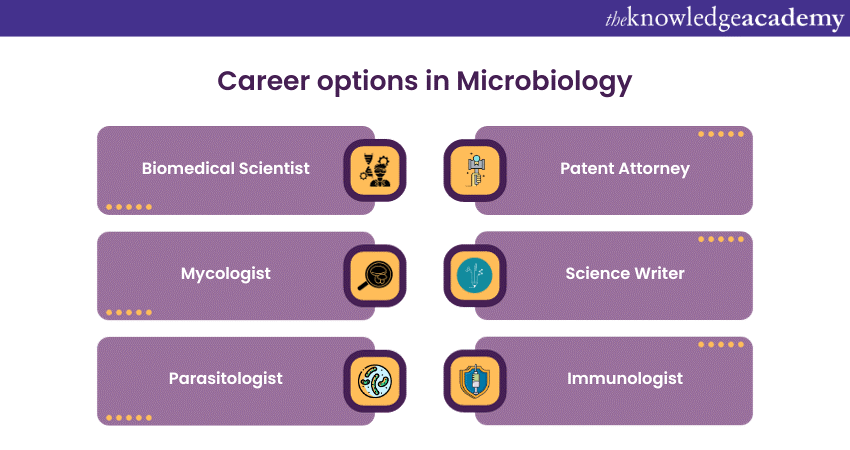
a) Clinical Microbiologist: Clinical microbiologists work in healthcare settings, diagnosing and treating infectious diseases.
b) Research Scientist: Microbiologists often engage in research to advance our understanding of microorganisms.
c) Food and beverage Microbiologist: These professionals ensure the safety and quality of food and beverages by analysing samples for microbial contamination and assisting in product development.
d) Environmental Microbiologist: Environmental microbiologists study how microorganisms interact with the environment.
e) Pharmaceutical Microbiologist: Pharmaceutical microbiologists help develop and manufacture drugs and vaccines by ensuring that the products are free from harmful microorganisms and meet quality standards.
f) Industrial Microbiologist: Industrial microbiologists apply microbial processes in various industries, including the production of antibiotics, enzymes, and biofuels.
g) Agricultural Microbiologist: These experts work to improve agricultural practices, develop disease-resistant crops, and explore eco-friendly farming methods.
h) Teaching and education: Microbiologists can become educators, teaching microbiology at schools, colleges, or universities.
Forensic Science specialisations
Students with an interest in solving crimes and working with evidence can explore the exciting and specialised field of forensic science. Forensic science encompasses various disciplines that apply scientific principles to criminal investigations. Here are some compelling career options in forensic science specialisations:
a) Forensic pathology: Forensic pathologists are medical doctors who investigate the cause of death in cases of suspicious or unnatural deaths Forensic chemistry: Forensic chemists analyse physical evidence like drugs, chemicals, and toxic substances to identify their composition and relevance to criminal investigations.
b) Forensic biology: Forensic biologists examine biological evidence such as blood, DNA, and bodily fluids to identify suspects and victims and link evidence to crimes.
c) Forensic odontology: Forensic odontologists use dental records to identify human remains and bite marks to solve crimes.
d) Forensic anthropology: Forensic anthropologists analyse human skeletal remains to determine the identity of victims, estimate the time and cause of death, and assess any trauma or injury.
e) Forensic entomology: Forensic entomologists study insect activity at crime scenes to estimate the time of death and provide insights into the circumstances surrounding a death.
f) Digital forensics: Digital forensics experts recover and analyse digital evidence from computers, mobile devices, and networks, aiding in cybercrime investigations.
g) Forensic psychology: Forensic psychologists apply their knowledge of psychology to legal and criminal justice matters.
h) Crime Scene Investigation (CSI): CSI professionals process crime scenes, collect physical evidence, and document crime scene details for law enforcement agencies.
Learn to analyse investigation techniques by signing up for our Computer Forensics Foundation Training now!
Pathways in Biochemistry
Students passionate about understanding the chemistry of living organisms can explore diverse and rewarding career options in biochemistry. Biochemistry is a branch of science that focuses on the chemical processes and substances that occur within living organisms. While pursuing a career in biochemistry, it's important to remember the Marks Are Required to Clear JEE Mains if you plan to go through an engineering route that touches on biochemistry. Here are some compelling career options in Biochemistry.
a) Clinical biochemist: Clinical biochemists work in healthcare settings, conducting tests on patient samples to diagnose and manage various medical conditions, including diabetes, cancer, and cardiovascular diseases.
b) Research scientist: Biochemistry research scientists study the molecular mechanisms of life, working to discover new drugs, therapies, and treatments for diseases, as well as advancing our understanding of fundamental biological processes.
c) Biotechnology industry professional: The biotechnology sector offers opportunities in areas like drug development, genetic engineering, and the production of biopharmaceuticals.
d) Pharmaceutical Scientist: Pharmaceutical biochemists develop and test drugs, ensuring their safety, effectiveness, and quality in treating various health conditions.
e) Nutritional biochemist: Nutritional biochemists explore the relationship between diet, nutrients, and health, helping to develop healthier diets and dietary supplements.
f) Molecular biologist: Molecular biologists explore the intricate molecular processes of cells and genetic material, which is crucial for understanding heredity, evolution, and disease.
g) Teaching and education: Biochemistry graduates can become educators, teaching at schools, colleges, or universities to inspire the next generation of scientists.
Entrepreneurial pursuits
Students with an entrepreneurial spirit can embark on a unique and exciting path of starting their own businesses. Entrepreneurship is not limited to any specific academic discipline; it's a mindset and a set of skills that can be applied in various fields. Here are some entrepreneurial pursuits that science graduates can consider:
a) Technology startups: Innovate in the tech sector by developing software applications, creating hardware solutions, or launching a tech-based service.
b) Biotech or healthcare entrepreneurship: Develop healthcare innovations, from medical devices to biotechnology solutions, or start a healthcare-related business.
c) Environmental sustainability ventures: Address environmental challenges by launching a business in renewable energy, sustainable agriculture, or eco-friendly products.
d) Science communication and education: Create science-focused blogs, YouTube channels, or educational platforms to make complex scientific concepts accessible to the public.
e) Scientific consultancy: Offer specialised consulting services in areas like data analysis, market research, or scientific research.
f) Agricultural startups: Explore agricultural entrepreneurship by starting a farm, developing agricultural technologies, or launching a food-related business.
g) Health and wellness entrepreneurship: Enter the wellness industry with ventures related to fitness, nutrition, or mental health.
h) Innovation in sustainable materials: Develop eco-friendly products or materials that reduce environmental impact.
Attain excellence in your entrepreneurial skills by signing up for our Entrepreneurship Masterclass now!
The field of Astrophysics
Students with a profound interest in the mysteries of the universe can embark on an exciting and intellectually stimulating career in astrophysics. Astrophysics is a branch of astronomy that focuses on the physics of celestial objects and the universe.
Moreover, Astrophysics offers a unique opportunity to explore the cosmos, unlock its mysteries, and contribute to our collective understanding of the universe. It's a field where scientific curiosity and the quest for knowledge meet the vastness of space.
Here are some compelling career options in astrophysics:

a) Research scientist: Astrophysics research scientists study celestial phenomena, such as stars, galaxies, black holes, and cosmic phenomena, to expand our knowledge of the universe's fundamental principles.
b) Observational astronomer: Observational astronomers use telescopes and other instruments to gather data from celestial objects, contributing to discoveries and our understanding of the cosmos.
c) Theoretical astrophysicist: Theoretical astrophysicists develop mathematical models and simulations to explain and predict cosmic events and phenomena.
d) Space mission specialist: Work with space agencies like NASA or ESA on space missions, contributing to the design, execution, and data analysis of missions related to the cosmos.
e) Academic and teaching roles: Pursue a career in academia, teaching astrophysics at schools, colleges, or universities and inspiring the next generation of astronomers.
Molecular Biology
Molecular Biology offers diverse career opportunities with applications in healthcare, research, genetics, and biotechnology. It is a dynamic field at the forefront of scientific advancements, with the potential to shape the future of medicine and biotechnology.
Students interested in the intricate world of molecular biology can explore a wide range of dynamic and rewarding career options. Molecular biology is a field that explores the fundamental processes of life at the molecular level. Here are some career options in molecular biology:
a) Research scientist: Molecular biology research scientists study the mechanisms that underlie cellular and genetic processes. They contribute to understanding diseases, drug development, and advances in genetics.
b) Genetic counsellor: Genetic counsellors work with individuals and families to assess genetic risks, provide information on genetic conditions, and help with decision-making regarding genetic testing.
c) Biotechnologist: Biotechnologists apply molecular biology techniques to develop new drugs, therapies, and genetically modified organisms.
d) Clinical laboratory scientist: Clinical laboratory scientists conduct tests on patient samples, aiding in the diagnosis and monitoring of diseases and conditions.
e) Pharmaceutical researcher: Pharmaceutical researchers work on drug discovery and development, ensuring the safety and efficacy of medications.
f) Academic and teaching roles: Molecular biology graduates can become educators, teaching at schools, colleges, or universities and inspiring future scientists.
Don't let uncertainty hold you back. Start Moving Forward from Career Crossroads today and build the future you've always wanted with confidence and purpose.
Opportunities in the Aviation industry
The Aviation industry provides a thrilling and fast-paced environment for science graduates, with opportunities for travel, technical challenges, and a chance to contribute to a critical global industry. Whether in the air or on the ground, these career options offer diverse and fulfilling experiences.
Now, students with a passion for aviation can pursue a diverse and high-flying career in the aviation industry. The aviation industry provides a thrilling and fast-paced environment for science graduates, with opportunities for travel, technical challenges, and a chance to contribute to a critical global industry. Whether in the air or on the ground, these career options offer diverse and fulfilling experiences. Here are some exciting career paths in the aviation industry:
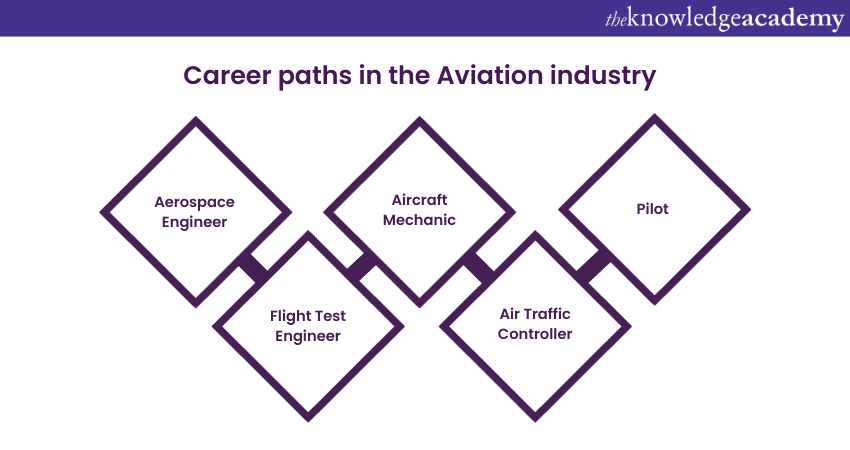
a) Pilot: Pilots operate aircraft, ensuring safe and efficient air travel.
b) Aeronautical engineer: Aeronautical engineers design, develop, and maintain aircraft and spacecraft, contributing to technological advancements in the industry.
c) Air traffic controller: Air traffic controllers manage air traffic, ensuring the safe take-off, landing, and navigation of aircraft.
d) Aircraft maintenance engineer: Aircraft maintenance engineers are responsible for the maintenance, repair, and inspection of aircraft to ensure their safe operation.
e) Aviation management: Aviation managers oversee airline operations, airport management, and airline administration.
f) Flight dispatcher: Flight dispatchers assist pilots by planning flight paths, monitoring weather conditions, and coordinating flight operations.
g) Aviation safety inspector: Aviation safety inspectors ensure that airlines and aviation facilities comply with safety regulations and standards.
Know How to Calculate Percentile in JEE Mains 2025? in just a few simple steps!
Conclusion
We hope you have understood that there is a world of Career Options after 12th Science. The options are vast and promising, from Engineering, including exams like JEE Mains and JEE Advanced, to Healthcare, Courses After NEET, Entrepreneurship, and specialised scientific fields. The choices are diverse and abundant. With determination and the right guidance, students can embark on fulfilling journeys in their chosen domains, shaping their futures with knowledge and passion.
Enhance your career prospects and growth by signing up for our Career Development Masterclass now!
Frequently Asked Questions

The Knowledge Academy


Global Training Provider
The Knowledge Academy is a world-leading provider of professional training courses, offering globally recognised qualifications across a wide range of subjects. With expert trainers, up-to-date course material, and flexible learning options, we aim to empower professionals and organisations to achieve their goals through continuous learning.

Upcoming Career Growth Batches & Dates
Date
 Career Development Course
Career Development Course
Fri 19th Jun 2026
Career Development Course
Fri 25th Sep 2026
Career Development Course
Fri 11th Dec 2026

 If you wish to make any changes to your course, please


