


 Top Rated Course

We may not have the course you’re looking for. If you enquire or give us a call on +357 26030221 and speak to our training experts, we may still be able to help with your training requirements.
Top 50+ Scrum Master Interview Questions and Answers
Grace Mitchell 05 May 2026Scrum Master Interview Questions often explore core Scrum knowledge and leadership skills. Key areas include understanding Scrum roles, events, and artefacts. Scrum Master Interview Questions often assess your ability to foster collaboration, resolve conflicts, and successfully lead Agile delivery projects.
Training Outcomes Within Your Budget!
We ensure quality, budget-alignment, and timely delivery by our expert instructors.
Table of Contents

Given the vast nature of Scrum, it is common for a candidate aspiring for a Scrum Master role to feel overwhelmed during the interviews. Thus, it’s crucial to prepare Scrum Master Interview Questions and answers to make a first good impression over the interviewers.
According to Statista, nearly 37% of Software Development is done using Agile and Scrum methodologies. Thus, you see the demand for skilled Scrum professionals is high in today’s competitive job market, making the interviews much stricter. But you need not worry, If you also aspire to become a Scrum Master, this blog might greatly aid you. In this article, you will learn about 50+ of the most commonly asked Scrum Master Interview Questions and Answers that will prepare you for your dream job.
Table of Contents
1) Frequently Asked Agile Scrum Master Interview Questions and Answers
2) Basic Agile Scrum Interview Questions and Answer
3) Time Boxing Based Scrum Questions
4) Interview Questions for Scrum Master Roles and Responsibilities
5) Scrum Master Scenario Based Interview Questions and Answers
Frequently asked Agile Scrum Master Interview Questions and Answers
Here there are over 50+ frequently asked questions in Scrum Interviews:
Basic Agile Scrum Interview Questions and Answer
Basic Agile Scrum Interrview questions include assessing the candidate’s general understanding of Scrum ideologies. The Commonly Asked Questions Include the following:
What is Scrum?

Scrum is a simple Agile framework that helps teams work better together. It encourages learning from experience, solving problems as a group, and regularly reviewing what went well and what didn’t. Interviewers often ask this basic Agile Scrum question to start the conversation and see how familiar you are with the approach.
Differentiate Between Agile and Scrum.
The difference between Agile and Scrum is a very fundamental and common Agile Scrum interview question asked in an interview.

What is Scrum of Scrum?
This term refers to a set of practices used in scaled Agile environments designed to coordinate and manage multiple Scrum teams working on large, complex projects. It is particularly effective when cross-team collaboration is essential to delivering high-value outcomes. The approach supports transparency, promotes effective teamwork, and ensures consistent adaptation and alignment throughout the development process. It also plays a key role in making sure that products are delivered and deployed successfully across the organisation.
Name Some Other Agile Frameworks.
Apart from Scrum, there are several other Agile frameworks commonly used in project environments. These include:
a) Feature-Driven Development (FDD)
b) Test-Driven Development (TDD)
d) Crystal
e) Dynamic Systems Development Method (DSDM)
When discussing your experience, focus on the Agile frameworks you’ve used directly. Share practical examples like applying Kanban to manage ongoing tasks or using TDD to produce cleaner code. This shows your ability to adapt methods to project needs.
What is Scrum-ban?
Scrumban is a hybrid project management framework that merges the structure of Scrum with the visual workflow and adaptability of Kanban. It is particularly useful for teams aiming to reduce batch work, adopt a pull-based system, and visualise tasks more effectively. This method blends the use of Scrum boards for iteration planning with Kanban’s continuous flow model, offering teams a flexible yet organised approach to managing work.
What are the Roles in Scrum?
Scrum defines three key roles, each with clear responsibilities. The Product Owner is responsible for managing the product backlog and prioritising work based on business value. The Scrum Master supports the team by facilitating meetings, removing obstacles, and ensuring that Scrum practices are followed. The Scrum Team is a cross-functional group of professionals who carry out the actual development work, collaborate closely, and self-organise to achieve project goals efficiently.
What are Scrum Values?
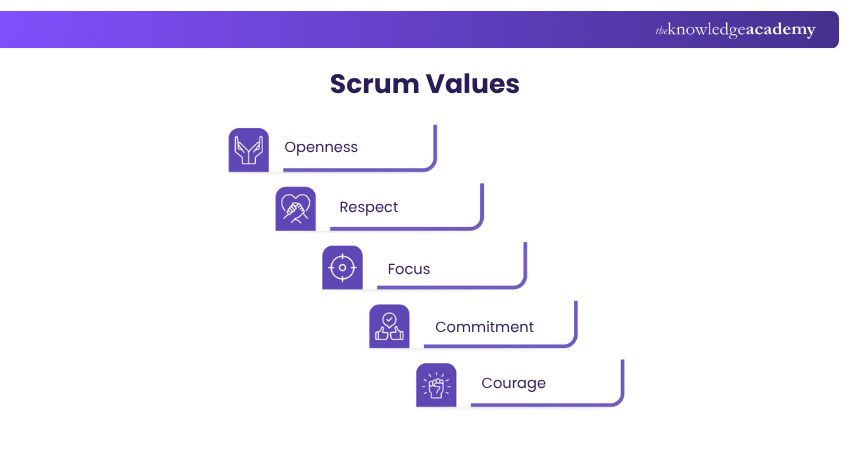
Openness
Scrum teams thrive on transparency. Daily stand-ups are effective only when members are honest about challenges. Being open fosters trust, better collaboration, and quicker resolutions. Scrum Masters encourage this by offering direct, constructive feedback and leading by example.
Courage
Team members must be brave enough to raise concerns, ask for help, try new approaches, and speak openly. Scrum Masters model courage by protecting the team from scope creep and challenging unrealistic demands from stakeholders when needed.
Focus
Maintaining focus is vital to achieving sprint goals. Scrum Masters help by managing workloads and keeping priorities clear. Daily Scrums reinforce team alignment and ensure everyone stays on track with high-impact tasks.
Respect
Respect means valuing every contribution equally and trusting teammates to deliver. Listening, collaboration, and mutual regard are key. Scrum Masters build a respectful culture by treating all team members and stakeholders alike with fairness and empathy.
Commitment
Scrum teams must be fully dedicated to shared goals. True commitment comes from trust, accountability, and a desire to deliver the best possible outcomes. This united effort drives success and consistent delivery.

What are Responsibilities of the Scrum Team?
The Scrum Team is self-organising and typically consists of five to seven members. Their core responsibilities include:
1) Delivering a working product increment at the end of each sprint
2) Taking full ownership of their tasks and maintaining transparency throughout the process
3) Providing clear, concise updates to support effective daily Scrum meetings
4) Collaborating closely with one another and fostering teamwork across the project
What are the Three Pillars of Scrum?
The three core pillars of Scrum are:
1) Adaptation
If an inspection reveals that any part of the process falls outside acceptable limits, the approach must be adjusted immediately. Timely changes are essential to prevent further drift and ensure the team remains aligned with the goal.
2) Transparency
Transparency ensures that all aspects of the process are clearly defined and understood by everyone involved. For example, consistent terminology must be used across the team, and everyone should share the same understanding of what “done” means. This common ground is vital for shared accountability.
3) Inspection
Scrum teams must regularly inspect both progress and artefacts to spot any issues that could hinder the Sprint Goal. These reviews should be frequent enough to be effective but not so often that they disrupt productivity. Inspections are most valuable when carried out carefully by those with the right expertise.
When Should you use Waterfall Over Scrum?
While Scrum is highly effective for projects that benefit from flexibility and iterative development, there are scenarios where the Waterfall model is more appropriate. Waterfall is ideal when project requirements are fixed, clearly defined, and unlikely to change throughout the development process. It works well in environments where tasks follow a logical, linear sequence, such as construction or manufacturing, where each phase must be completed before the next begins. If your project demands strict documentation and regulatory compliance or has predictable outcomes with limited stakeholder involvement, Waterfall provides the structure and control needed for successful delivery.
What is a Burn-up and Burn-down Chart?
A burnup chart is used to visualise the progress of work completed against the total scope of a sprint or project. It highlights how much work has been finished and how much remains, helping teams monitor progress toward completion.
A burndown chart, on the other hand, illustrates the rate at which a team is completing user stories. It plots the remaining work against time, offering a clear view of how quickly the team is progressing through each iteration.
What is Confidence Vote in Scrum? Why is it Important?
The Confidence Vote takes place during the Program Increment (PI) Planning session after the risk analysis is complete. At this stage, all team members come together to express their confidence in meeting the PI objectives by voting with a show of fingers. This vote is conducted only after all features and user stories have been thoroughly estimated, prioritised, and clearly understood. Dependencies and risks must be transparently defined before proceeding.
The Confidence Vote fosters a culture of open communication, where team members are encouraged to share their views. It strengthens morale by ensuring that each individual feels heard and their perspective respected.
What is ‘Scrum of Scrums’?
This term refers to scaled Agile frameworks designed to coordinate and manage multiple Scrum teams working together. It is particularly useful when teams are collaborating on complex or large-scale projects that require synchronised planning and execution.
Its purpose is to establish and maintain essential elements such as transparency, collaboration, adaptability, and consistent adoption of Agile practices while ensuring timely deployment and delivery of high-quality products.
What is Empirical Process Control in Scrum?
Empirical Process Control refers to a process that can be changed through trial and error. In Scrum, as an empirical process, it can adapt itself based on the changing demands of the products. Empirical Process Control relies on observation and adaption to deliver a product and meet goals with higher efficiency.
Who is a Product Owner?
A Product Owner is one of the three critical roles in Scrum, whose main goal is to communicate the intent of the desired product to team members. This helps ensure that the development team’s progress remains aligned with the end goal of the project.
Remember that this would be an excellent opportunity to share any previous experience you have had managing or working with Product Owners. Your personal experience dealing with Product Owner can be used to provide examples and insights on how you have interacted with them in real business settings, allowing the interviewer to gauge your proficiency in working with Product Owners.
What are Some Risks in Scrum?
Some common risks in Scrum are as follows:
a) Risk of exceeding the budget limit
b) Risk of team members lacking appropriate skills
c) Risk of not meeting work targets within the allotted time
d) Risk of user stories and epics not being correctly defined
e) Risk of lacking necessary resources
What are the Steps Involved in Risk Management?
Risk Management encompasses measures taken to reduce the impact and potential of risks in a Scrum-based project. It is an ongoing process that spans from the beginning to the end of a project and involves the following five steps:
a) Identifying risks: This step involves identifying potential risks and categorising them based on their type, such as environmental risks, regulatory risks, legal risks, and market risks.
b) Analysing risks: Risk analysis entails assessing the level of threat posed by identified risks to ongoing tasks. It also involves determining how internal factors affect the risk.
c) Ranking risks: Once the severity of risks is determined, they are ranked based on their severity and prioritised accordingly. Risks that pose a significant threat are prioritized higher, while risks that may cause minor inconveniences are prioritised lower.
d) Countering risks: Ideally, possible risks should be mitigated to a level that minimally impacts the working process. This is done by communicating with relevant experts and stakeholders, and implementing appropriate measures to address potential issues.
e) Reviewing risks: After implementing countermeasures, it is important to periodically review the risks to evaluate if they still exist or if further action is required. This ensures that risk management remains an ongoing and proactive process throughout the project.
What are the Artefacts of the Scrum Process?
Artefacts in Scrum are tangible and transparent information that is used to assess the development process of the product. The three main Artifacts of Scrum are:
a) Product Backlog: The product backlog is a prioritised list of all the items that could be added or changed in the product, such as new features, bug fixes, and infrastructure changes. It serves as the single source of requirements for the Scrum team to deliver a valuable product.
b) Sprint Backlog: Sprint backlog is a subset of the product backlog that contains the tasks selected by the Scrum team to be completed during a specific sprint. These tasks are based on the team's goal for that sprint and are added to the sprint backlog for the team to work on.
c) Product Increment: The product increment is the sum of all the items completed in the product backlog, along with the value of the previous sprint's increment. It represents the potentially releasable product that is delivered at the end of each sprint and should be in a shippable state.
What are Some Drawbacks to Using Scrum?
Scrum has multiple benefits in the business environment, but it’s important to acknowledge the limitations of Scrum as well. Some of the advantages and disadvantages of Scrum
a) Scrum relies heavily on experience, so a lack of experience can impede the implementation of Scrum methodology.
b) Scrum is highly dependent on teamwork and collaboration, so a lack of cooperation among team members can adversely impact the results.
c) An inexperienced Scrum Master can have a negative impact on the project’s outcome.
d) Scrum may not function optimally when tasks are not properly defined.
e) Scrum may face challenges in scaling with large, complex projects, making it more suitable for smaller projects.
Differentiate Between MVP, MMP and MMR.
a) Minimum Viable Product (MVP): This lean startup concept emphasises the importance of learning during development. It allows you to understand and test an idea with an initial version designed for users. MVP involves collecting necessary data and learning from it by enabling users to access and interact with the product, while analysing their usage and perception.
b) Minimal Marketable Product (MMP): Refers to a product description with minimalistic details of user requirements, including its features. It aims to reduce the time required for marketing efforts.
c) Minimum Marketable Release (MMR): Refers to a product that can be released in the market with the minimum number of features demanded by the customer. MMR is used to reduce marketing time and each feature is incrementally updated, adding more value to the product over time.
What does DoD Mean?
Definition of Done (DoD) refers to the standard criteria or quality checklist that must be met for a deliverable feature to be considered complete in a product. It includes various aspects such as code quality, comments, testing (such as unit and integration tests), documentation of designs, and release notes. These criteria act as a quantifiable measure for the progress of project development.
DoD is useful in several ways, including the following:
a) Defining the scope of work for each iteration or sprint
b) Using burndown charts for tracking progress and efficiency
c) Ensuring timely feedback
d) Facilitating proper understanding of product backlog items during backlog walkthroughs
e) Creating checklists for items in the product backlog
Additionally, DoD involves Product Owners in the sprint and sprint retrospective meetings, allowing them to review and provide input on the completeness of deliverables.
How to Deal With Score Creep?
Scope creep refers to an uncontrolled change that gets added without checking its effect on factors like cost, time, and scope. To avoid scope creep, it is important to closely monitor the work and communicate well with the team. It is important to establish clear project objectives and requirements, communicate them effectively with the team, and closely monitor the work to ensure that any changes align with the established goals. Additionally, having backup plans and being willing to say no to changes that may negatively impact the project can help prevent scope creep in Scrum.
What do you Understand About Scope Creep?
Scope creep refers to the addition of unauthorised features to a product or its requirements. It can negatively impact a project's cost, time, and scope. To manage scope creep, it is important to establish clear project objectives and requirements, communicate them effectively with the team, and closely monitor the work to ensure that any changes align with the established goals. Additionally, having backup plans and being willing to say no to changes that may negatively impact the project can help prevent scope creep in Scrum.
Time Boxing Based Scrum Questions
Scrum Questions based on time and duration units:
What do you Mean by Timeboxing? When can a Sprint be Cancelled, and by Whom?
Scrum Timebox involves allotting a specific amount of time to a particular task in Scrum. A time box is a measurement unit for the time taken to achieve a task. A Sprint, which is also a time-boxed duration, can be cancelled by the Product Owner. Sprints typically last from one to four weeks.
What do you Mean by Sprint in Scrum?
Scrum Sprint is a time-boxed period dedicated to achieving specific tasks. It is a fundamental element of Scrum methodology designed to make the work process more efficient. Sprints break down larger projects into smaller, more manageable components, resulting in higher-quality results. Sprints typically last between one to four weeks, with two weeks being the most common duration.
What is Sprint 0 and Spike?
Sprint 0 in Scrum refers to the initial phase of a project where the team does the minimum amount of work necessary to set up the project's framework and infrastructure. It is designed to ensure that the project starts on a solid foundation.
Scrum Spike is an investigative activity that is used to reduce technical risks and gain a better understanding of the requirements. It involves conducting a time-boxed experiment or research that can help the team make informed decisions about how to proceed. Spike activities can include Extreme Programming (XP) techniques or other methods that help the team increase the reliability of the project.
What Happens in a Sprint Retrospective?
A Sprint Retrospective is a meeting held at the end of each sprint where the Scrum Team reflects on the recent work cycle. The team reviews what went well, what didn’t, and what could be improved. It's an opportunity for open discussion and continuous improvement, focusing on team processes, collaboration, and workflow. Actions are identified to enhance future sprints, helping the team work more efficiently and effectively together. The goal is to build a stronger, more adaptive team by learning from experience.
What Happens in Daily Stand-up Sessions?
Daily Stand-up sessions are held for 15 minutes to discuss the progress of a given task. They cover the number of tasks completed, tasks that are yet to be done, and any obstacles the team might be facing while working on them.
Is a Daily Meeting Suggested for all Teams, Irrespective of Their Size or Experience Level? Explain.
Daily meetings can be a useful practice for teams of all sizes and experience levels. However, the nature of the Scrum meeting can vary depending on the team's specific needs. Here's how different teams should hold meetings:
a) Experienced small team: A quick check-in or update during the day can be enough to stay aligned and make progress.
b) Unexperienced small team: Daily stand-ups can be vital to help team members with the technicalities of their tasks and to familiarise them with Scrum concepts.
c) Large team: A more formal meeting can be helpful to keep everyone on the same page. A daily meeting may still be necessary, but it may need to be longer and more structured than a stand-up meeting for a small team.
d) Distributed team: Video conferencing tools can be used to have an organised meeting with each other, regardless of location.
What is Velocity?
Scrum Velocity is a metric that measures the amount of work completed during a sprint. It is calculated based on the number of user stories finished, and provides an estimate of the project completion time.
Learn about the key Scrum and Scrum Master techniques with our Scrum For Teams Sign up for the course now!
Interview Questions for Scrum Master Roles and Responsibilities
The following are some questions based on your Scrum Master roles and responsibilities.
Who is a Scrum Master? And What do They do?
A Scrum Master is a person who teaches a team about the values and principles of Scrum and promotes its application. A Scrum Master has a good understanding of Scrum theory and practices and can remove any distractions that can hinder the working of team members. Additionally, a Scrum Master can ensure the delivery of quality work during the Sprint period, contributing to competitive Scrum Master Salary Benefits.
What are the key Skills of a Scrum Master?
Some common skills of a Scrum Masters include the following:
1) A solid grasp of Scrum principles and Agile methodologies
2) Excellent organisational and time management skills
3) Good working knowledge of the tools and technologies used by the team
4) The capability to mentor team members and reinforce Scrum practices effectively
5) Confidence and diplomacy to manage and resolve conflicts swiftly
6) A genuine commitment to servant leadership, placing the team’s needs first and supporting their growth
What is the role of a Scrum Master in a Sprint Retrospective?
In a Sprint Retrospective, the Scrum Master facilitates the session, helping the team reflect on the previous sprint’s improvements. They guide discussions to identify new areas for enhancement and ensure that lessons learned are adapted into future sprints.
How can Scrum Master's Ensure Timely Delivery of Action Items?
Holding regular Scrum retrospectives helps ensure that action items are delivered on time. A well-run retrospective enables the team to clearly identify these items and assign ownership. Many organisations use a tracker to monitor progress, categorising items by priority, status, description, date identified, type, and responsible individual. Addressing these actions not only drives continuous improvement but also strengthens team accountability and morale.
How can a Scrum Master be a Servant Leader?
The concept of a "servant leader" highlights a leader’s commitment to serving the team first. In this role, the Scrum Master acts as a facilitator, mentor, and guide, supporting the team’s growth, decision-making, and autonomy. This leadership approach encourages greater team engagement, empowerment, and shared ownership of outcomes.
How is Estimation Done in a Scrum Project?
User story estimation is typically based on the level of difficulty or effort required to complete each task. Teams use predefined scales to assess and compare complexity. Common estimation techniques include:
1) Numeric Sizing (e.g., 1 to 10)
2) T-shirt Sizes (e.g., Small, Medium, Large, Extra Large)
3) Fibonacci Sequence (e.g., 1, 2, 3, 5, 8...)
4) Metaphorical Scales such as dog breeds (e.g., Chihuahua to Great Dane)
These methods help teams evaluate relative effort and improve sprint planning.
How Does a Scrum Master Track Sprint Progress?
A Scrum Master monitors Sprint progress through a combination of structured ceremonies and key performance metrics. Daily Scrum meetings help identify blockers and track ongoing tasks, while Sprint planning sets clear goals and expectations. Scrum retrospectives offer a space to reflect and adapt for future improvements. Metrics such as escaped defects and defect density provide insight into quality and delivery standards. Tools like Sprint burndown charts and team velocity help measure workload completion and team capacity, ensuring that progress stays on track throughout the Sprint.
When Should a Scrum Master not act as a Facilitator?
A Scrum Master should not act as a facilitator in the following situations:
1) When the Scrum Master has a personal stake in the outcome of the facilitation process, as this may lead to bias or a conflict of interest.
2) When the Scrum Master lacks the necessary skills or expertise to facilitate the process effectively. This may result in confusion, misunderstandings, or frustration among the team members.
3) When the Scrum Master is a direct participant in the discussion or decision-making process, as this may compromise their ability to remain neutral and impartial.
4) When the Scrum Master is absent or unavailable, This may delay or disrupt the facilitation process and hinder the team's progress.
In these situations, the Scrum Master may delegate the facilitation role to another team member or an external facilitator who has the necessary skills and expertise to lead the process effectively. By doing so, the Scrum Master can ensure that the team's needs are met, and the facilitation process remains objective and productive.
If you are even considering PMP, then you can check the difference between Scrum and PMP in PMP vs Scrum blog.
Scrum Master Scenario Based Interview Questions and Answers
In Scrum, what do you mean by user stories? What benefits come from using them? What is a User Story
A user story is an informal description of software features from the user's perspective. User stories describe how a feature of the software can benefit the user. Using user Stories allows a development team to put the user as the centre of discussion, ensuring customer satisfaction.
A user story uses non-technical terminology to describe the development team's efforts. Additionally, its helps the development team understand what they are creating and why.
How are User Stories, Epics, and Tasks Different?
a) User Stories: Simple description of software features created from the user's perspective.
b) Epics: An epic is a collection of multiple user stories that share similarities. Epics are generally larger and broader in scope than individual user stories.
c) Tasks: Tasks are user stories that are broken down into smaller components. They are the smallest units of work in Scrum and are used to measure progress. Tasks are usually worked on by a team of two people and are more specific than user stories.
Explain User Story Structure With an Example. What is the Structure of a Good Story?
A good user story structure includes the person for whom the product is being built, the product being made, and why the product is being built. The user story should address what value it can bring to the user. According to Bill Wake’s criteria, a good user story is Independent, Negotiable, Valuable, Estimable, Small, and Testable. These criteria are also referred to as “INVEST”. The structure of a user story is as follows:
As a.
I want.
So that.
Example:
A user story of a person purchasing a coding course would look like this:
As a customer,
I want to purchase coding practices online,
So that I can become proficient at coding.
Why Aren't User Stories Estimated in man-Hours?
User Stories cannot be accurately estimated in man hours because certain activities, such as legacy work, can be difficult to assess in terms of time. Man-hour estimates can also become irrelevant if a team member completes a task while another member is still making an estimation. Additionally, the time taken to complete a task can vary greatly depending on the experience of the developer. Therefore, it is more appropriate to use relative sizing techniques, such as story points, to estimate user stories in Scrum.
What is User-story Mapping?
User-story Mapping is a technique for organising user stories that helps with release planning, system backlog management, and system functionality design. User-story mapping arranges user stories on a horizontal axis based on priority and on a vertical axis based on their level of complexity or sophistication. This technique helps to create a visual representation of the entire user journey and enables the team to understand how each user story fits into the big picture, making it easier to prioritise tasks and plan releases accordingly.
Gain detailed knowledge of Scrum Master techniques with Scrum Master Certification!
Subjective Scrum Master Interview Questions
Now, let’s take a look at Scrum-based situational questions:
Why do you Wish to be a Scrum Master in this Company?
This question is subjective and situational, and it aims to assess your integrity rather than your knowledge of Scrum principles. As a Scrum Master, you will be expected to devote a significant amount of your time and effort to the company's business environment. Providing your reasons for choosing this particular company over others will demonstrate to the interviewer that you have a clear understanding of your future responsibilities.
It is important to provide details on how you can bring relevant and much-needed experience to the company. Your response should demonstrate that you have done research about the company and the position you are applying for, as well as how your values align with the organisation's values.
How Should you Deal With a Difficult Stakeholder?
The first step in dealing with a difficult stakeholder is to listen carefully to their concerns and try to understand their perspective. This extra effort to comprehend their point of view can prevent miscommunication and alleviate tensions. It is important to assess the feasibility of the stakeholder's demands and try to find common ground.
If there is a disagreement between your goals for the project and the stakeholder's needs, it is essential to consider the importance of the stakeholder's request to the project's success. If the issue can be resolved relatively easily, it may be helpful to meet with the stakeholder one-on-one to address their concerns, as this can reduce stress and make them more receptive to your proposed solutions.
Additionally, asking your interviewer for more details about the situation can help you provide a more precise and effective response. For instance, you could ask what is causing the stakeholder's opposition and whether their resistance is related to budget constraints. By obtaining more information, you can tailor your approach to better address the specific concerns of the stakeholder.
How Would you Handle Discord Between the Team Members?
The first step in addressing a conflict between team members is to identify the root cause of the disagreement. As a Scrum Master, it is essential to remain calm and understand the underlying issue. Identifying the source of the problem is crucial for resolving the conflict.
Taking initiative to prevent the conflict from escalating is another important step. Intervening early on can prevent the disagreement from becoming a bigger issue. Addressing the conflict with the entire team in an open and respectful manner is important to ensure that all team members have a chance to voice their opinions and contribute to the resolution.
Alternatively, individual coaching can be provided to team members to resolve the problem. This approach can allow you to gain insight into each team member's perspective and resolve the issue on a more personal level. Moreover, maintaining a positive relationship with the team is crucial for the Scrum Master.
It is also important to teach team members that disagreements are a common occurrence and can be handled professionally. This promotes healthy communication and problem-solving skills within the team.
Drawing from your personal experience as a leader can be helpful when answering this question. You could describe a situation where two team members had a disagreement, and explain the steps you took to resolve the issue. Providing specific details can demonstrate your ability to handle conflicts and communicate effectively with team members.
Your Team Member Couldn’t Complete Their Goal During a Sprint Period, What Will you do?
If a team member is unable to complete their task within the Sprint, a Scrum Master should address the situation constructively. First, identify the root cause through open discussion during the Daily Scrum or the Sprint Retrospective. Was it due to overcommitment, unforeseen challenges, or a lack of clarity?
Rather than assigning blame, support the team in finding solutions. The unfinished work should be reviewed and, if still relevant, added to the Product Backlog to be prioritised in the next Sprint. As a facilitator, the Scrum Master should guide the team in improving estimation, workload balancing, and communication to prevent similar issues in the future—fostering continuous improvement and accountability.
How Would you Handle an Error That has Already Taken Place?
Team members are human beings and thus are liable to make mistakes. While experienced team members can reduce the potential of errors, they are still bound to make mistakes sometimes. Such mistakes may include overlooked details, miscommunication, failure to abide by a plan, and so on.
Your personal and honest experience will be the best answer in these situations. Share your experience with mistakes and error management, such as a product failing to meet its maturity by the deadline or a project not meeting its intended objective. As a Scrum Master, your ability to handle mistakes can reflect on your entire team, empowering them in times of crisis.
What is Your Experience With the Industry?
When asked about your industry experience as a Scrum Master, it’s important to showcase how your background aligns with the organisation’s sector. Describe the specific industries you've worked in, such as finance, healthcare, IT, or manufacturing, and explain how Agile practices were applied within those contexts.
Share how you tailored Scrum to meet the unique demands of that environment, for example, managing strict compliance in healthcare or fast-paced delivery cycles in tech. Emphasise your adaptability and how you used your domain knowledge to support team success, foster stakeholder collaboration, and continuously deliver value.
Describe how Would you scale Scrum in our Organisation?
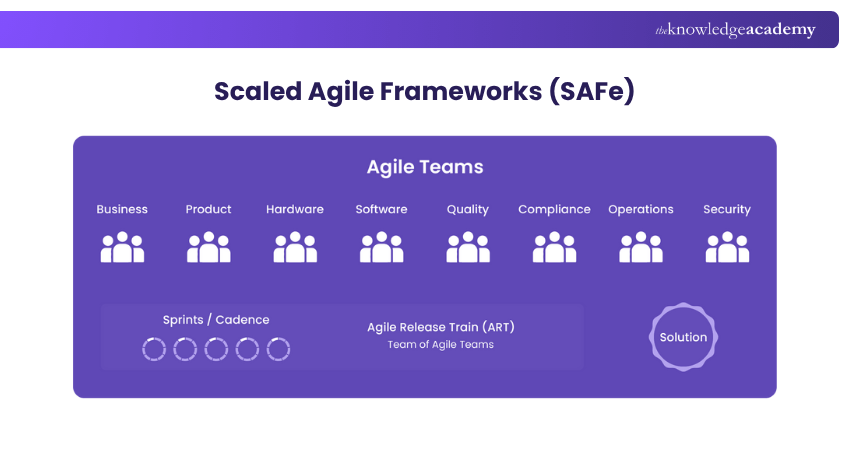
Some organisations hire a Scrum Master with the sole intention of scaling Scrum within the organisation. If that isn’t your goal, it is essential to carefully review the job description and requirements of the company. In Scrum, various methods can be used to scale Scrum within an organisation, such as Scrum@Scale, Nexus, and Scaled Agile Framework (SAFe) and its vital to know the key differenced of safe vs scrum.
Tell us About Your Favourite Scrum Event?
This question is partly objective, as it tests both your integrity as a leader and your knowledge of Scrum. Scrum has four events: Sprint planning, Daily Scrum, Sprint Review, and Sprint Retrospective. While each of these events is important, your answer should reflect your experience, making your response much more organic.
For example, you can say that “My Favorite Scrum event is the Sprint Retrospective because it allows me to analyse the mistakes we made throughout the project, reflect on them, and improve further. The Sprint Retrospective also enables me to track progress by reviewing changes my team has implemented.”
One of Your Team Members Doesn’t like Scrum and its Ideologies, Which is Affecting the Progress of the Project. How Would you Handle it?
Discomfort with a new procedure is common among many people, including team members who may struggle with Scrum methodologies. This is especially true in situations where an organisation has been practising a specific methodology for an extended period. However, this issue can be addressed with the right approach.
As a Scrum Master, you can refer to Scrum’s values and encourage team members to think outside the norms. Giving them the freedom and self-organisation to work in ways that make them comfortable can create a sense of ownership among the team members. If nothing works, you can seek the help of a certified trainer who can provide the team with expertise on the matter
What Makes Agile Coach Different From a Scrum Master?
The key distinctions between the roles of an Agile Coach and a Scrum Master lie in their scope and focus within the organisation. While an Agile Coach vs Scrum Master both contribute to Agile success, an Agile Coach primarily guides organisational transformation, fostering an Agile mindset across various teams and departments. In contrast, a Scrum Master is dedicated to a specific team, ensuring the proper implementation of the Scrum framework and facilitating collaboration within that team. The crucial difference in the agile coach vs Scrum Master dynamic is the organizational versus team-specific focus in their respective roles.

Grace Mitchell


Senior Project Management Consultant and Author
Grace Mitchell is a highly experienced project management professional with over 15 years of expertise in leading large-scale projects across industries, including construction, IT, and finance. With qualifications in PRINCE2®, PMP®, AgilePM®, and MSP®, Grace specialises in delivering complex programmes with precision and clarity. Her writing is grounded in real-world application and focuses on helping learners build confidence in project delivery and stakeholder management.
View Detail

 If you wish to make any changes to your course, please


