


 Top Rated Course

We may not have the course you’re looking for. If you enquire or give us a call on +357 26030221 and speak to our training experts, we may still be able to help with your training requirements.
How to Become a Teaching Assistant: Everything You Need to Know
Charlotte Wilson 30 March 2026Curious about How to Become a Teaching Assistant? A Teaching Assistant plays a vital role in supporting Teachers and enhancing student learning. In this blog, we'll guide you through the necessary qualifications, essential skills, and step-by-step process to kickstart your career as a Teaching Assistant. Let’s get started.

Training Outcomes Within Your Budget!
We ensure quality, budget-alignment, and timely delivery by our expert instructors.
Table of Contents
Are you wondering How to Become a Teaching Assistant? Choosing to become a Teaching Assistant can be incredibly rewarding. Teaching Assistants play a vital role in education, supporting Teachers and helping students thrive. If you’re thinking about this journey, you’ve come to the right place. Our comprehensive guide will walk you through every step.
Whether you’re starting from scratch or considering a career change, this blog on How to Become a Teaching Assistant is for you. Let’s dive into how you can make a meaningful impact in the classroom as a valued Teaching Assistant.
Table of Contents
1) What is a Teaching Assistant?
2) How to Become a Teaching Assistant?
a) Gain relevant qualifications
b) Gain experience
c) Pursue relevant courses
d) Apply for positions
e) Professional development
3) Roles and Responsibilities of Teaching Assistant
4) Skills of Teaching Assistant
5) Conclusion
What is a Teaching Assistant?
A Teaching Assistant (TA) is an educational professional who works closely with Teachers to support education delivery in classrooms. TAs help with lesson preparation, provide additional support to students, and ensure that the learning environment is well-organised and conducive to learning.
Teaching assistants play a crucial role in ensuring that all students receive the attention and support they need to succeed. In addition to offering instructional support, they often handle administrative tasks, allowing teachers to focus more on engaging with students and delivering lessons. Their contributions are essential for the smooth functioning of the classroom, making the Teaching Assistant Job Description an integral part of the educational environment.

How to Become a Teaching Assistant?
Becoming a Teaching Assistant is a rewarding career that allows you to support Teachers and help students achieve their full potential. Here’s a step-by-step guide to becoming a Teaching Assistant:

1) Gain Relevant Qualifications
Begin your journey by securing essential qualifications. Start with a strong foundation in education by completing your GCSEs in English and Maths. From there, pursue further certifications tailored to Teaching Assistants. These qualifications will equip you with the knowledge and skills required to effectively support Teachers and students in the classroom.
2) Gain Experience
Experience is crucial when seeking a Teaching Assistant position. Look for opportunities to work with children in educational settings, such as volunteering at schools, tutoring, or getting involved in after-school trainings. This hands-on experience will not only strengthen your resume but also provide you with a deeper understanding of the role.
3) Pursue Relevant Courses
Beyond formal qualifications, consider joining short courses or trainings that focus on specific areas of education, such as special educational needs, classroom management, or child psychology. These courses allow you to specialise and make you more attractive to potential employers. Teaching Assistant Salary can be positively impacted by such specialisations, as they enhance your value in the job market.
4) Apply for Positions
Once you've gained the necessary qualifications and experience, begin applying for Teaching Assistant roles. Keep your resume and cover letter up to date, highlighting your relevant skills and experience. Be sure to showcase your communication abilities, classroom management skills, and your experience assisting students with diverse needs.
5) Professional Development
Education is ever-evolving, so ongoing professional development is key. After securing a position, keep enhancing your skills through workshops, courses, or even pursuing higher qualifications like a teaching degree. Continuous learning boosts your effectiveness and paves the way for career advancement. The Praxis Delivery Model encourages lifelong learning, supporting professionals in applying their skills and knowledge effectively in diverse settings.
Make your sessions more engaging by signing up for our Online Teacher Training now!
Roles and Responsibilities of Teaching Assistant
The roles and responsibilities of a Teaching Assistant may differ based on the school and the specific requirements of the students. However, common duties include:
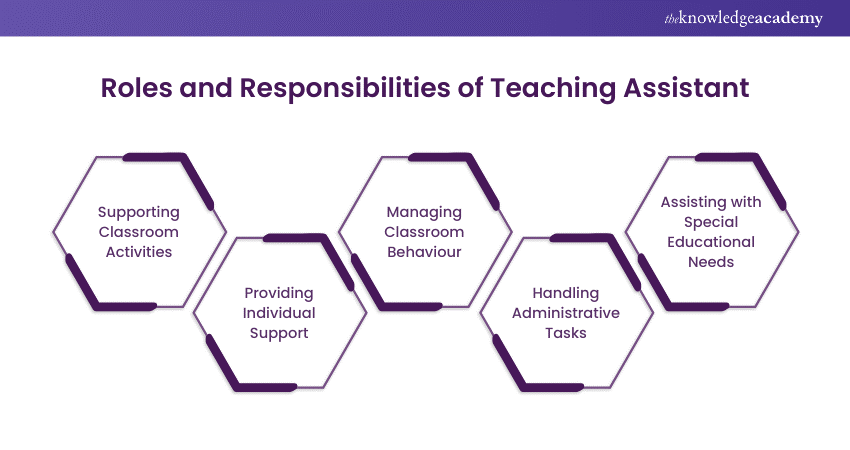
a) Supporting Classroom Activities: Assisting Teachers in preparing materials, setting up equipment, and facilitating classroom activities.
b) Providing Individual Support: Working one-on-one with students who require additional help, whether it's academic assistance, language support, or behavioural guidance.
c) Managing Classroom Behaviour: Helping to maintain a positive and productive classroom environment by managing behaviour and supporting the teacher in implementing discipline strategies.
d) Administrative Tasks: Handling tasks such as marking assignments, recording grades, and organising classroom resources.
e) Assisting with Special Educational Needs (SEN): Providing targeted support to students with SEN, adapting materials, and ensuring their inclusion in classroom activities.
Ready to Learn? Explore the Various Types of Teachers Who Can Inspire You!
Skills of Teaching Assistant
A successful Teaching Assistant needs a combination of technical skills and personal qualities. Here are some key skills to develop:
a) Communication Skills: The skill to effectively communicate with students, Teachers, and parents is vital. Clear communication ensures that instructions are understood and that students feel supported.
b) Patience and Empathy: Working with children requires patience and an understanding attitude, particularly when dealing with those who have learning difficulties or behavioural challenges.
c) Organisational Skills: Managing multiple tasks, from lesson preparation to student support, requires strong organisational skills.
d) Adaptability: Every day in the classroom can present new challenges, so being adaptable and able to think on your feet is important.
e) Teamwork: Collaboration with Teachers and other staff members is essential to provide the best support for students.
Master the skills to become a Virtual Assistant with our Virtual Assistant Course – Join today!
Conclusion
Choosing a career as a Teaching Assistant is both fulfilling and impactful. Start your journey by acquiring the required qualifications and gaining experience. You can also register for relevant courses and strategically apply for your personal development. By following this blog on How to Become a Teaching Assistant, you can build a successful Teaching Assistant career, and understanding the Praxis Approach can provide additional guidance in shaping your career trajectory with a structured and effective mindset.
Measure your writing skills effectively by signing up for our Writing and Editing Course now!
Frequently Asked Questions
Can Teaching Assistants Work in Different Types of Educational Settings?

Yes, Teaching Assistants can work in various educational settings, including primary and secondary schools, Special Educational Needs (SEN) schools, colleges, and nurseries, adapting their support to meet the needs of different age groups and environments.
Do Teaching Assistants Need to Undergo Background Checks?
Yes, Teaching Assistants must undergo background checks, such as Disclosure and Barring Service checks, to ensure they are suitable to work with children and vulnerable individuals in educational settings.
What are the Other Resources and Offers Provided by The Knowledge Academy?
The Knowledge Academy takes global learning to new heights, offering over 3,000+ online courses across 490+ locations in 190+ countries. This expansive reach ensures accessibility and convenience for learners worldwide.
Alongside our diverse Online Course Catalogue, encompassing 19 major categories, we go the extra mile by providing a plethora of free educational Online Resources like Blogs, eBooks, Interview Questions and Videos. Tailoring learning experiences further, professionals can unlock greater value through a wide range of special discounts, seasonal deals, and Exclusive Offers.
What is The Knowledge Pass, and How Does it Work?
The Knowledge Academy’s Knowledge Pass, a prepaid voucher, adds another layer of flexibility, allowing course bookings over a 12-month period. Join us on a journey where education knows no bounds.
What are the Related Courses and Blogs Provided by The Knowledge Academy?
The Knowledge Academy offers various Virtual Online Job Roles Training, including Online Jobs Foundation, Practitioner, and Agile. These courses cater to different skill levels, providing comprehensive insights into Virtual Assistant.
Our Business Skills Blogs cover a range of topics related to Virtual Assistance, offering valuable resources, best practices, and industry insights. Whether you are a beginner or looking to advance your knowledge of Virtual Assistance, The Knowledge Academy's diverse courses and informative blogs have got you covered.

Charlotte Wilson


Soft Skills and Business Training Manager
Charlotte Wilson is an expert in soft skills development, with over 14 years of experience helping individuals and teams improve communication, productivity and emotional intelligence in the workplace. Her training content is focused on enhancing interpersonal effectiveness and fostering positive, collaborative environments across all levels of an organisation.
View Detail
Upcoming Business Skills Resources Batches & Dates
Date
 Online Teacher Training
Online Teacher Training
Fri 17th Jul 2026
Online Teacher Training
Fri 9th Oct 2026

 If you wish to make any changes to your course, please


