


 Top Rated Course


We may not have the course you’re looking for. If you enquire or give us a call on +44 1344 203999 and speak to our training experts, we may still be able to help with your training requirements.
Payrolling Benefits: Meaning, Process and Advantages
Olivia Taylor 24 April 2026Thinking about Payrolling Benefits for your small business? It streamlines payroll processing, ensures compliance, and reduces administrative burdens. This blog explores key advantages, from cost savings to improved employee satisfaction, helping you make informed decisions. Let’s dive into the details!

Training Outcomes Within Your Budget!
We ensure quality, budget-alignment, and timely delivery by our expert instructors.
Table of Contents

Payrolling Benefits involve integrating employee benefits into their regular Payroll, ensuring transparency, and complying with legal regulations. By incorporating benefits into Payroll, employers provide a comprehensive view of employee compensation and simplify Benefits Management.
Payrolling Benefits refers to the practice of including employee benefits as part of their regular salary or wages. In this blog, you will learn what Payrolling Benefits is, the requirements for meeting deadlines, and some of its examples.
Table of Contents
1) What is Payrolling?
2) What is Payrolling Benefits?
3) How to Register for Payrolling Benefits?
4) How to Meet Deadline for Payrolling Benefits?
5) Payrolling Benefits in Kind
6) Benefits of Payrolling for Businesses
7) Examples of Payrolling Benefits
8) Do payrolled benefits show on P60?
9) What is the tax code 1257L?
10) Conclusion
What is Payrolling?
The process of managing and administering the compensation of employees, including calculating, distributing, and reporting wages, taxes, and other financial obligations, is referred to as payrolling. Various activities ensure that employees are paid accurately, on time, and in compliance with legal and organisational standards.
What is Payrolling Benefits?
Payrolling Benefits is considered a fundamental aspect of managing employee compensation and benefits. The process involves including employee benefits in their regular payroll, ensuring that the administration process is simplified and compliance with legal and tax regulations is maintained. Employee benefits management is also streamlined, enhancing efficiency and adherence to compliance requirements. The following outlines how the process operates:
a) Integration into Payroll: It involves integrating employee benefits into regular Payroll and simplifying administrative tasks.
b) Transparency and clarity: It gives employees a clear view of their total compensation package.
c) Compliance with regulations: Compliance with legal and tax regulations is ensured by accurately calculating and reporting benefit values.
d) Common Payrolled Benefits: These include pension contributions, company cars, health insurance, childcare vouchers, and gym memberships.

How to Register for Payrolling Benefits?
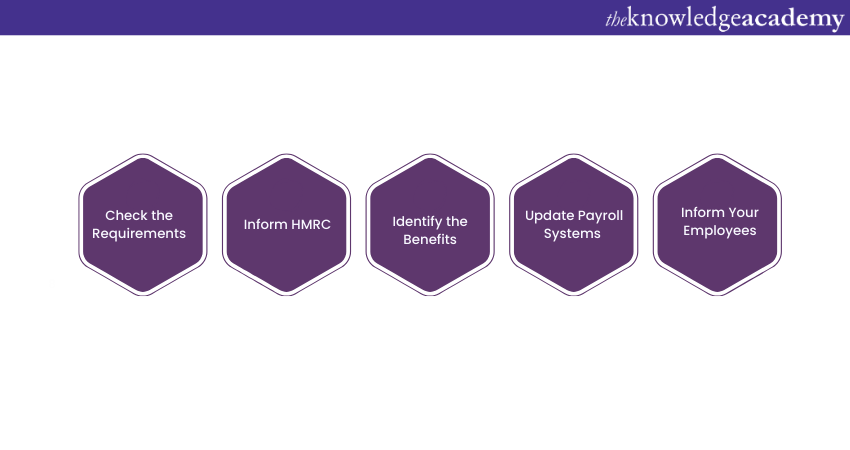
You must follow the below steps to register for Payrolling Benefits:
a) Determine eligibility: Check the eligibility requirements set by the relevant authorities before registering.
b) Notify HM Revenue Customs (HMRC): Inform HMRC about your intention to start Payrolling Benefits. This can be done through the HMRC online portal or by contacting them directly.
c) Review benefits eligibility: Identify the benefits that can be included in Payrolling. Understand the specific rules and restrictions regarding eligible benefits.
d) Update Payroll systems: Adjust your Payroll systems to incorporate these benefits. Ensure accurate deductions and reflect benefits in employee pay.
e) Communicate with employees: Inform your employees about the change in the benefits administration and how it will affect their pay. Clear communication is vital to avoid confusion or concerns.
You can follow these steps to successfully register for Payrolling Benefits and provide a more efficient and integrated approach to employee compensation.
Unlock the power of financial knowledge! Join our Finance for Non-Financial Managers Course and gain the skills you need to understand and interpret financial information!
How to meet deadline for Payrolling Benefits?
Meeting specific requirements and deadlines is crucial when it comes to Payrolling Benefits. Here are important considerations:
a) Submission deadlines: Employers must submit accurate and timely reports to HMRC regarding Payrolling Benefits. Failure to meet submission deadlines can result in penalties or other consequences.
b) Employee notifications: Employers must notify their employees within a specific timeframe about including benefits in their pay. This ensures transparency and keeps employees informed.
c) Tax year-end reporting: At the end of each tax year, employers are required to report the Payrolled benefits for each employee to HMRC. This information is essential for accurate tax calculations and compliance.
d) Compliance with regulatory authorities: Employers must adhere to the regulations and guidelines set by the relevant authorities governing these benefits. Staying updated on any changes or updates is crucial to maintaining compliance.
By understanding and fulfilling these requirements for deadlines, employers can effectively manage these benefits, meet legal obligations, and ensure a smooth Payroll Process for both the organisation and employees.
Take charge of your organisation's financial stability! Join our Introduction to Credit Control course and gain essential skills to effectively manage credit and ensure timely payments!
Payrolling Benefits in Kind
Payrolling Benefits in Kind involves including non-cash perks as part of an employee’s regular payroll. These benefits enhance an employee’s total compensation package, adding significant value. Here's an overview:
a) Definition of Benefits in Kind: Payrolling Benefits in Kind refers to non-monetary perks employers provide, such as company cars, housing, private healthcare, and similar benefits contributing to employee compensation.
b) Inclusion in Payroll: Rather than providing these benefits separately, employers include their value in employees' payroll. Deductions for tax and National Insurance contributions are made based on the benefits’ taxable value.
c) Tax Implications: Tax considerations impact both employers and employees:
a) Employers must calculate and report the taxable value accurately.
b) Employees may face additional tax liabilities depending on the value of the benefits.
d) Regulatory Compliance: Employers must adhere to regulations and reporting guidelines for Payrolling Benefits in Kind, ensuring proper calculations, deductions, and communication with tax authorities.
e) Employee Communication: Transparent communication is essential. Employers should clearly explain the inclusion of benefits in payroll, tax implications, and any employee compensation changes to maintain clarity and trust.
By integrating Benefits in Kind into payroll, businesses simplify administration while ensuring compliance and offering employees a seamless compensation experience.
Discover the essentials of Payroll Management and take control of your organisation's financial success with our Introduction To Payroll Training – Signup today!
Benefits of Payrolling for Businesses
Payrolling offers significant advantages to businesses, particularly in simplifying employment processes and reducing administrative burdens. By partnering with a specialised payroll company, employers can optimise their workforce management while enjoying operational and financial benefits. For those preparing for Payroll Interview Questions, understanding these advantages is crucial, as it can showcase how payrolling streamlines operations and enhances overall efficiency. Here's why payrolling can be a game-changer for businesses:
a) Simplified Administration: Advanced payroll systems handle complex tasks, saving businesses time and effort.
b) Risk Transfer: Legal employer responsibilities, such as compliance and disputes, are managed by the payroll company.
c) Cost Efficiency: Expenses related to absenteeism, incapacity, or severance are eliminated.
d) Transparency: Clear, upfront wage costs enable better financial planning.
e) Workforce Flexibility: Easily hire and release employees to adapt to business needs.
Payrolling streamlines operations, reduces risks, and enhances business agility.
Examples of Payrolling Benefits
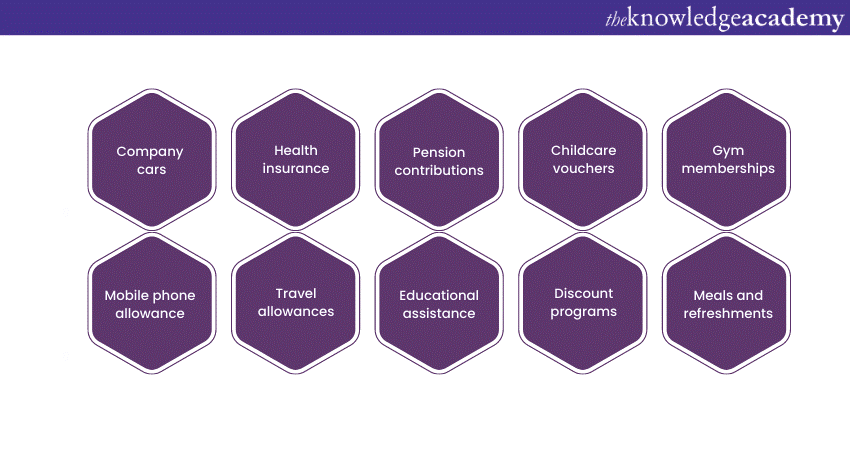
Payrolling Benefits encompass a wide range of non-monetary perks that can be included in an employee's regular Payroll. Here are some of its common examples:
a) Company cars: Employers may provide company cars for business and personal use. The value of the car and associated expenses, such as fuel, insurance, and maintenance, can be included in Payrolling.
b) Health insurance: Employers often offer health insurance coverage to employees. The cost of the premiums can be integrated into the employee's pay.
c) Pension contributions: Employers may contribute to their employees' pension plans. These contributions can be included in Payrolling, providing employees with long-term financial benefits.
d) Childcare vouchers: Employers sometimes provide childcare vouchers or subsidies to help employees cover childcare expenses. The value of these vouchers can be added to the employee's pay.
e) Gym memberships: Some employers offer gym memberships or wellness program benefits to promote employee well-being. The cost of these memberships can be integrated into Payrolling.
f) Mobile phone allowance: Companies may provide mobile phone allowances or reimbursements to employees who require mobile communication for work purposes. These allowances can be included in Payrolling.
g) Travel allowances: Employers may offer travel allowances to cover commuting costs or business-related travel expenses. These allowances can be included in Payrolling.
h) Educational assistance: Some companies support their employees' educational pursuits by providing tuition reimbursement or assistance programs. The value of these benefits can be integrated into Payrolling.
i) Discount programs: Employers may partner with vendors or retailers to offer employee discount programs. The value of these discounts can be included in Payrolling.
j) Meals and refreshments: In certain industries or work environments, employers may provide meals or refreshments to employees. The value of these benefits can be integrated into Payrolling.
By incorporating these examples of these benefits into regular Payroll, employers enhance their employees' overall compensation package and provide valuable perks that contribute to their well-being and satisfaction.
Master the art of Xero Payroll and revolutionise your Payroll Management with our specialised Xero Payroll Training – Sign up now!
Do Payrolled Benefits Show on P60?
Payrolled benefits do not appear on the P60. Instead, they are included in your monthly pay and taxed directly through payroll, with details provided separately.
What is the Tax Code 1257L?
The tax code 1257L is the standard code for most employees, allowing a tax-free personal allowance of £12,570 annually before income tax is deducted from their earnings.
Conclusion
We hope you read and understood everything about Payrolling Benefits. It plays a significant role in managing employee compensation and enhancing the overall employee experience. By integrating benefits into regular Payroll, employers simplify administration, provide transparency, and ensure compliance with legal and tax regulations, including the Personal Tax Allowance 2024/25, which impacts how employee earnings are taxed.
Supercharge your financial skills and elevate your career with our cutting-edge Accounting & Finance Training Courses – Sign up today!
Frequently Asked Questions
How Much NI do I pay?

National Insurance (NI) contributions depend on your earnings and employment status. For most employees, Class 1 NI is deducted at 12% for earnings above the weekly threshold.
What is Payrolling Salary Sacrifice?
Payrolling salary sacrifice allows employees to exchange part of their salary for benefits, which are processed through payroll, reducing taxable income and potentially saving on tax and National Insurance.
What are the Other Resources and Offers Provided by The Knowledge Academy?
The Knowledge Academy takes global learning to new heights, offering over 3,000+ online courses across 490+ locations in 190+ countries. This expansive reach ensures accessibility and convenience for learners worldwide.
Alongside our diverse Online Course Catalogue, encompassing 17 major categories, we go the extra mile by providing a plethora of free educational Online Resources like Blogs, eBooks, Interview Questions and Videos. Tailoring learning experiences further, professionals can unlock greater value through a wide range of special discounts, seasonal deals, and Exclusive Offers.
What is The Knowledge Pass, and How Does it Work?
The Knowledge Academy’s Knowledge Pass, a prepaid voucher, adds another layer of flexibility, allowing course bookings over a 12-month period. Join us on a journey where education knows no bounds.
What are the Related Courses and Blogs Provided by The Knowledge Academy?
The Knowledge Academy offers various Payroll Courses, including the Payroll Course, Xero Payroll Training, and Sage Payroll Course. These courses cater to different skill levels, providing comprehensive insights into Financial Literacy.
Our Accounting and Finance Blogs cover a range of topics offering valuable resources, best practices, and industry insights. Whether you are a beginner or looking to advance your Project Management skills, The Knowledge Academy's diverse courses and informative blogs have got you covered.

Olivia Taylor


Chartered Accountant and Financial Training Specialist
Olivia Taylor is a qualified chartered accountant with over a decade of experience in financial management, auditing and corporate reporting. Having worked with leading firms in both the public and private sectors, Olivia brings clarity to complex financial topics. Her writing focuses on helping professionals build confidence in key areas of accounting, compliance and financial planning.
View Detail

 If you wish to make any changes to your course, please


