


 Top Rated Course

We may not have the course you’re looking for. If you enquire or give us a call on +44 1344 203999 and speak to our training experts, we may still be able to help with your training requirements.
What is Employment Law? Meaning, Types, and Key Laws
The Knowledge Academy 17 January 2026Employment Law sets rules for hiring, pay, hours, safety, discrimination, leave, and union, defining rights and duties to ensure fair treatment at work. By outlining employer duties and employee protections, this helps to create a fair and lawful working environment, shaping the relationships between employers and employees.

Training Outcomes Within Your Budget!
We ensure quality, budget-alignment, and timely delivery by our expert instructors.
Table of Contents

Work plays a major role in daily life, yet people remain unsure when their rights begin or what employers are legally expected to provide. From pay and working hours to fair treatment and safety, these rules guide a workplace. This is why understanding What is Employment Law is helpful for both employees and employers to avoid unfair practices at work.
As workplaces continue to evolve, Employment Laws help to address modern challenges. It promotes consistency, reduces conflict, and supports trust between the employer and employees. In this blog, you will learn about What is Employment Law, its types, regulations, and more. So, keep reading ahead!
Table of Contents
1) What is Employment Law?
2) What Does Employment Law Cover?
3) Types of Employment Law
4) What are the Employment Laws Legislation?
5) Why Does Employment Law Exist?
6) What do Employment Lawyers do?
7) Common Employment Law Issues
8) Employment Law Examples
9) What is the Difference Between Employment Law and Labour Law?
10) What is Unfair Dismissal?
11) Conclusion
What is Employment Law?
Employment Law governs the relationship between employers and employees, defining the rights and responsibilities of both. It covers areas such as workplace safety, wages, working hours, and protection from discrimination. This legal framework ensures fair treatment, resolves disputes, and sets minimum standards for workplace conditions.

What Does Employment Law Cover?
Employment Law covers a wide range of areas that define how the employer–employee relationship operates in practice. Some common areas it covers include the following.
1) Employee Contracts
Employment Law covers contracts that define the terms of work, including job roles, pay, working hours, and workplace rules. This helps both employers and employees clearly understand their rights, duties, and responsibilities.
2) Working Hours and Holidays
The law regulates working hours, rest breaks, and paid annual leave to protect employee well-being. It includes rights to parental leave, allowing employees to take time off for personal work.
3) Sick Leave
Employment Law provides eligible workers with sick pay when they are unable to work due to illness. It sets clear conditions on eligibility, duration, and payment to protect income during ill health.
4) Health and Safety
Employers are required to maintain a safe and healthy workplace through risk assessments, training, and proper equipment. Employees must also follow safety procedures and act responsibly at work.
5) Anti-discrimination
Employment Law prevents unfair treatment at work based on protected characteristics, such as age, disability, or sex. It ensures equal opportunities in recruitment, pay, promotion, and daily working conditions.
6) Data Protection
Employment Law governs how employee personal data is collected, stored, and used. Employers must protect this information, keep it secure, and process it in accordance with lawful regulations.
Types of Employment Law
For understanding What is Employment Law insightfully, let’s look at its types mentioned below.
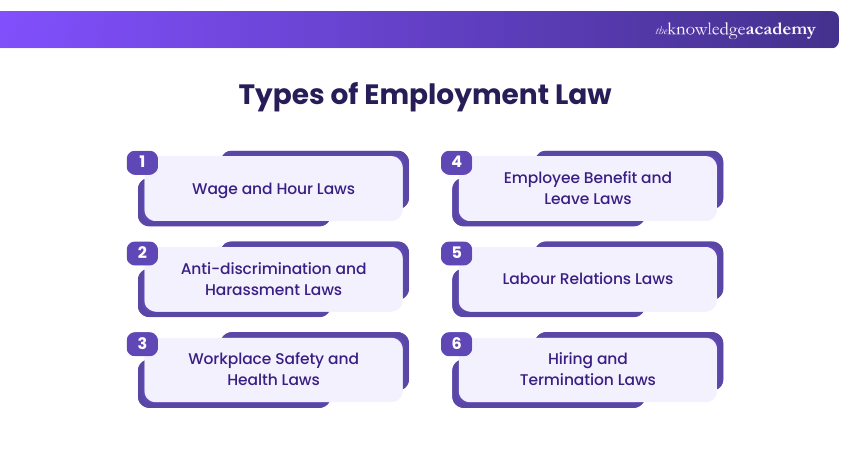
1) Wage and Hour Laws
These laws set rules for minimum wages, overtime pay, and fair working hours. The aim is to ensure employees are paid reasonably for the time they work and are protected from wage exploitation.
2) Anti-discrimination and Harassment Laws
This protects workers from unfair treatment on protected characteristics, such as race, gender, age, disability, or religion. It promotes equal opportunity and respectful behaviour in the workplace.
3) Workplace Safety and Health Laws
These laws require employers to provide safe, healthy working conditions. They cover risk assessments, safety training, equipment standards, and measures to prevent workplace injuries. Or illnesses.
4) Employee Benefit and Leave Laws
Employment Law governs benefits, such as social security, retirement plans, and paid or unpaid leave. This includes family leave, medical leave, maternal and paternity rights, and long-term benefits like provident funds.
5) Labour Relations Laws
It regulates the relationship between employers, employees, and trade unions. This covers union formation, collective bargaining, strikes, and protections against unfair labour practices.
6) Hiring and Termination Laws
These laws control fair recruitment practices, employment contracts, and lawful termination. It protects employees from wrongful dismissal and ensures proper procedures are followed during contract termination.
Stay legally compliant always with our Commercial Law Training – Join today!
What are the Employment Laws Legislation
The UK has several Employment Laws that protect workers’ rights and ensure fair treatment at work. These laws cover pay, working hours, discrimination, leave, and more. Let’s discuss some of the laws:
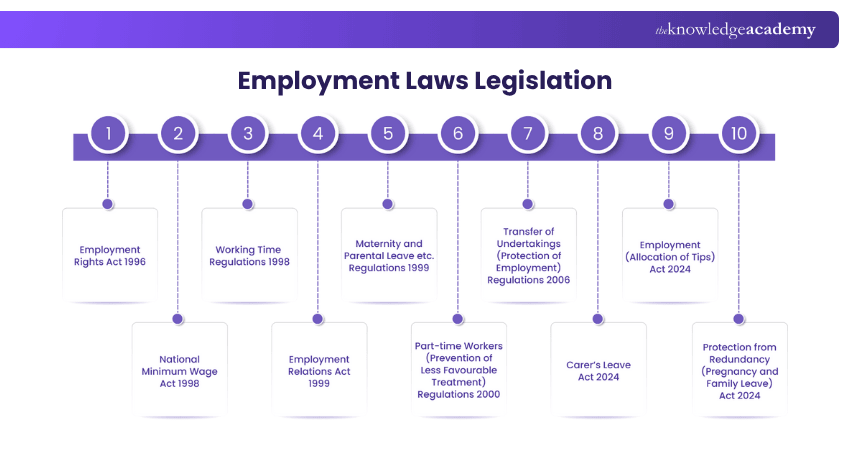
1) Employment Rights Act 1996
This law provides protection against unfair dismissal, layoff, employment contracts, and periods of unemployment at work.
a) Ensures written employment terms
b) Protects from unfair dismissal
c) Regulates redundancy pay
Defines notice period rules
2) National Minimum Wage Act 1998
This law guarantees fair pay by setting legal minimum wage rates for all eligible workers, including part-time and apprentices.
a) Establishes a minimum hourly wage
b) Prevents worker underpayment
c) Covers all employment types
d) Requires accurate pay records
3) Working Time Regulations 1998
According to this law, working hours are limited and some rest, safety, and paid holidays are ensured to maintain work-life balance.
a) Caps work week at 48 hours
b) Ensures regular rest breaks
c) Regulates night shift conditions
d) Grants 5.6 weeks of paid leave
4) Employment Relations Act 1999
This law protects employees engaged in trade unions and collective bargaining, promoting fair discussions and stronger workplace relations.
a) Supports trade union membership
b) Allows collective bargaining
c) Protects against unfair treatment
Encourages open workplace dialogue
5) Maternity and Parental Leave etc. Regulations 1999
This law grants maternity, paternity, and shared parental leave, ensuring fair pay, job protection, and support for family responsibilities.
a) Allows 52 weeks of maternity leave
b) Grants paternity leave for fathers
c) Supports shared parental leave
Ensures job return rights
6) Part‑time Workers (Prevention of Less Favourable Treatment) Regulations 2000
This law ensures fair treatment of part-time workers, granting them equal pay, benefits, and training opportunities alongside full-time staff.
a) Guarantees fair pay and conditions
b) Provides equal access to benefits
c) Prevents unfair treatment
d) Includes training opportunities
Stay ethical and protect your business reputation - Join our Anti-bribery Training today!
7) Transfer of Undertakings (Protection of Employment) Regulations 2006
This law safeguards employees during business transfers, ensuring their contracts, benefits, and job security remain unchanged throughout the process.
a) Protects rights in business transfers
b) Keeps existing contracts and benefits
c) Requires employer consultation
Prevents unfair dismissal during transfer
8) Carer’s Leave Act 2024
This law bans workplace discrimination based on protected characteristics, ensuring fairness in hiring, pay, training, and progression for all employees.
a) Prohibits workplace discrimination
b) Covers nine protected characteristics
c) Ensures equal pay and treatment
Applies to hiring and promotions
9) Employment (Allocation of Tips) Act 2024
This law guarantees that all tips are distributed fairly among staff, ensuring transparency and fairness across the hospitality and service sectors.
a) Ensures fair tip distribution
b) Requires a written tipping policy
c) Covers cash, card, and digital tips
Promotes transparent tip handling
10) Protection from Redundancy (Pregnancy and Family Leave) Act 2024
This law safeguards pregnant employees and new parents from redundancy, ensuring fair treatment, redeployment options, and stronger job security for families.
a) Prevents job loss for pregnant workers
b) Extends protection after family leave
c) Prioritises redeployment opportunities
Promotes stability for working parentsFight workplace discrimination confidently with our Direct and Indirect Discrimination Training – Join today!
Why Does Employment Law Exist?
Employment Law protects employees from exploitation by setting minimum standards for wages, working hours, and workplace safety. It governs the employer–employee relationship, covering compensation, benefits, non-discrimination, and harassment. This framework ensures fair treatment, resolves disputes, and upholds the rights and responsibilities of both parties.
What do Employment Lawyers Do?
Employment lawyers manage workplace-related legal issues, from drafting contracts to advising on labour laws and resolving disputes. They support both employers and employees in cases involving wrongful termination, discrimination, harassment, and wage claims. Their role is to ensure compliance, protect rights, and settle conflicts effectively.
Common Employment Law Issues
Here are some common Employment Law issues that many businesses and employees deal with today.
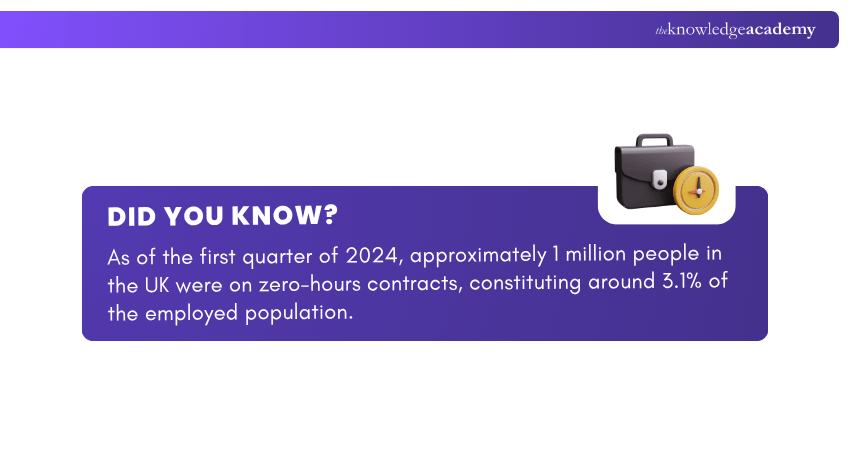
1) Legal Considerations for Remote Work
Remote work has raised new legal questions about working hours, health and safety, and equipment use. Employers need to make sure remote workers get the same rights as in-office staff. Rules around tracking hours and data privacy have become more important.
a) Set clear rules for working hours
b) Provide safe and proper work equipment
c) Protect employee data during remote work
2) Employment Law Around Salary Adjustments
Changing employee salaries must follow fair and legal steps. Employers must give proper notice and have a valid reason for any pay change. Salary cuts without consent can lead to legal problems.
a) Always give written notice before changes
b) Ensure salary changes are fair and explained
c) Get employee agreement for any pay cut
3) Recent Legal Updates in Employment Law
Employment Laws often change, and companies must stay updated. Missing a legal change can lead to fines or disputes. Regular updates help keep policies legal and fair for everyone.
a) Review contracts and policies regularly
b) Train HR teams on legal changes
c) Follow government updates and guidelines
Employment Law Examples
Here are some key examples of UK employment laws that protect workers’ rights and promote fair workplace practices.
a) Equality Act 2010 – Prevents workplace discrimination across nine protected characteristics.
b) Employment Rights Act 1996 – Defines employee rights on dismissal, redundancy, and leave.
c) Worker Protection Act 2023 – Requires employers to prevent workplace sexual harassment.
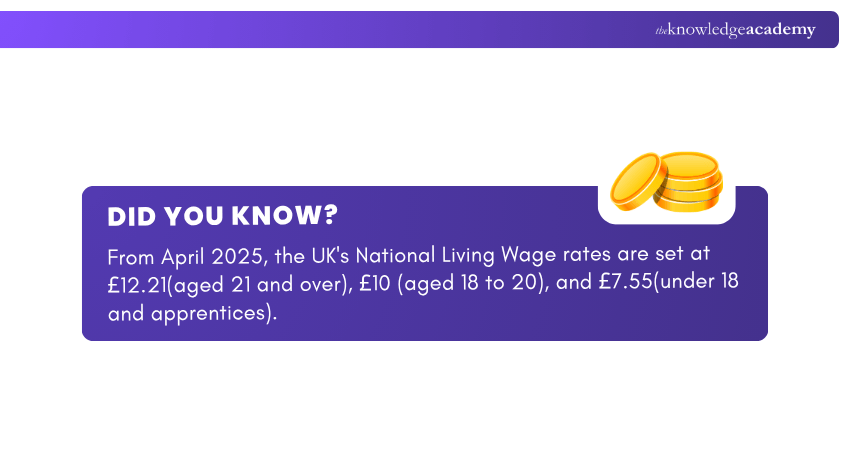
d) National Minimum Wage Act 1998 – Sets legal hourly pay rates by employee age.
e) Equal Pay Law – Ensures men and women receive equal pay for work.
f) Maternity and Parental Leave Regulations 1999 – Grants job-protected leave for parents and caregivers.
g) Statutory Annual Leave – Provides employees with 5.6 weeks of paid leave yearly.
What is the Difference Between Employment Law and Labour Law?
Employment Law and labour law are closely related, but they focus on different aspects of the workplace. Employment Law deals with the individual relationship between an employer and an employee. It covers areas such as hiring, employment contracts, wages, and working hours. Its goal is to protect employees and define employer responsibilities.
Labour Law, on the other hand, focuses on the collective rights of workers. It governs relationships between employers, trade unions, and groups of employees. This includes union formation, collective bargaining, strikes, industrial disputes, and workplace negotiations. Labour Law mainly manages group dynamics and industrial relations rather than individual employment matters.
What is Unfair Dismissal?
Unfair dismissal occurs when an employer terminates an employee’s job without a lawful reason. A dismissal may be considered unfair if it is harsh or unjust, even if the employer claims there was a reason for ending the employment. This includes situations where an employee is dismissed for reasons such as joining a trade union, requesting lawful leave, or raising workplace concerns.
Conclusion
Understanding What is Employment Law is important for creating a fair, safe, and legally sound workplace. These laws protect employee rights, guide employer duties, and prevent disputes before they arise. As work environments start being dynamic than ever, having clarity around Employment Laws enables both employees and the organisation to make informed and respectful decisions.
Build inclusive work cultures with our Employment Law Courses – Join today!
Frequently Asked Questions
What are the Four Areas of Employment Law?

The four main pillars of employment law are labour standards, occupational safety and health, union-management relations, and civil rights, which all contribute to the protection of rights and the establishment of fair conditions and non-discrimination in the workplace.
Who Does Employment Law Protect?
Employment law is a comprehensive legal framework that guarantees the protection of employees, workers, and job seekers by ensuring proper treatment, equal access, and healthful working conditions in all industries and professions.
What are the Other Resources and Offers Provided by The Knowledge Academy?
The Knowledge Academy takes global learning to new heights, offering over 3,000+ online courses across 490+ locations in 190+ countries. This expansive reach ensures accessibility and convenience for learners worldwide.;
Alongside our diverse Online Course Catalogue, encompassing 19 major categories, we go the extra mile by providing a plethora of free educational Online Resources like Blogs, eBooks, Interview Questions and Videos. Tailoring learning experiences further, professionals can unlock greater value through a wide range of special discounts, seasonal deals, and Exclusive Offers.
What is The Knowledge Pass, and How Does it Work?
The Knowledge Academy’s Knowledge Pass, a prepaid voucher, adds another layer of flexibility, allowing course bookings over a 12-month period. Join us on a journey where education knows no bounds.
What are the Related Courses and Blogs Provided by The Knowledge Academy?
The Knowledge Academy offers various Employment Law Courses, including the Employment Law Training, Commercial Law Training Course, and Anti-Bribery And Corruption Training. These courses cater to different skill levels, providing comprehensive insights into Discrimination in the Workplace.
Our HR Blogs cover a range of topics related to Employment Law, offering valuable resources, best practices, and industry insights. Whether you are a beginner or looking to advance your HR skills, The Knowledge Academy's diverse courses and informative blogs have got you covered.

The Knowledge Academy


Global Training Provider
The Knowledge Academy is a world-leading provider of professional training courses, offering globally recognised qualifications across a wide range of subjects. With expert trainers, up-to-date course material, and flexible learning options, we aim to empower professionals and organisations to achieve their goals through continuous learning.

Upcoming HR Resources – Learn about Human Resources Batches & Dates
Date
 Employment Law Training
Employment Law Training
Fri 1st May 2026
Employment Law Training
Fri 6th Nov 2026

 If you wish to make any changes to your course, please


