


 Top Rated Course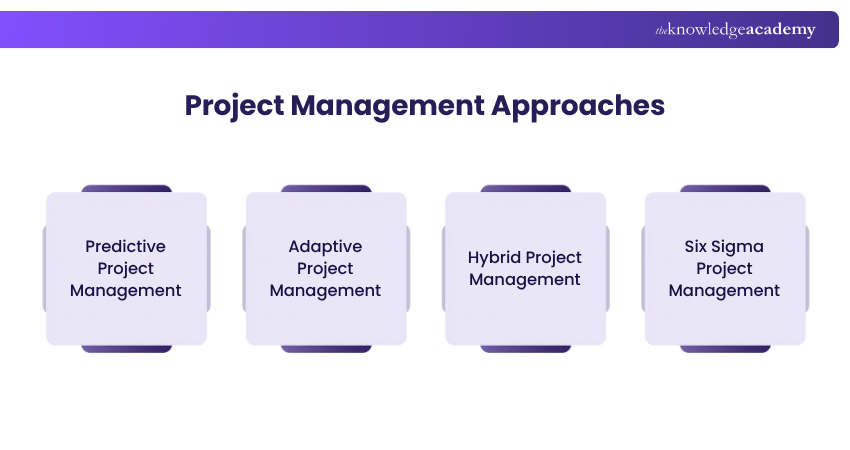


We may not have the course you’re looking for. If you enquire or give us a call on +44 1344 203 999 and speak to our training experts, we may still be able to help with your training requirements.
What is Project Management | Key Concepts
David Evans 13 July 2026Project Management involves planning, organising and managing resources to achieve organisational or individual goals within a set timeframe and budget. Effective Project Management follows a structured approach, which is often divided into phases such as initiation, planning, execution, monitoring, and closure.

Training Outcomes Within Your Budget!
We ensure quality, budget-alignment, and timely delivery by our expert instructors.
Table of Contents
From the magnificence of a skyscraper and the coolness of a new app to any eye-popping event, ever wonder what keeps them running like clockwork? That's the power of Project Management. It’s the art and science of turning ideas into reality by keeping teams working efficiently, staying on track, and delivering successful results. Essentially, Project Management brings structure and clarity to every step, from ideation to launch.
This blog unpacks What is Project Management by exploring its core concepts and the powerful benefits it brings to businesses and teams. Our comprehensive Project Management guide will help you see your project plan in a whole new light so read on and get ready to transform the way you manage projects!
Table of Contents
1) What is Project Management?
2) What are the Stages of Project Management?
3) Project Management Approaches
4) Types of Project Management
5) What Tools are Used in Project Management?
6) What Makes a Good Project Plan?
7) Conclusion
What is Project Management?
Project Management is about planning, organising, and guiding a project towards its goals within set limits such as time, budget, and resources. It uses skills, tools, and methods to ensure everything is done properly. A project Manager leads the team, handles tasks and risks, and keeps the project on track. The main steps usually include starting the project, planning it, doing the work, checking progress, and finishing it.
Good Project Management helps ensure a project is finished on time, meets all goals, stays within budget, and maintains high quality. It needs clear communication, good leadership, problem-solving, and smart decision-making. Methods like Agile, Waterfall, or PRINCE2 clearly define how to manage different kinds of projects. Title: Project Management Courses for Professionals
What is a Project?
A project is a short-term endeavour to create something new, like a product or service. It has a clear start and finish point, specific goals, and limits on time, money, and resources. Unlike regular daily work, projects are one-time efforts with a set purpose. Examples of projects include building an app, putting up a building, running a marketing campaign, or planning an event. Every project relies on three main elements:
a) Time: Project Scheduling Techniques are used to develop and present when work will be performed.
b) Cost: How necessary funds are acquired and finances managed.
c) Quality: How is the fitness for the purpose of deliverables and management processes ensured?
Why do We use Project Management?
Here are the main reasons why Project Management is used:
a) It helps you outline what needs to be achieved and how success will be measured.
b) It helps you ensure that tasks are completed on schedule.
c) It helps manage costs and avoid overspending by tracking expenses and resource use.
d) It clearly assigns roles and responsibilities to improve collaboration and accountability.
e) It identifies potential risks early on and prepares strategies to mitigate them.
f) It maintains every set standard and ensures the final deliverables meet expectations.
g) It handles changes in scope or requirements in a controlled way.
h) It keeps everyone informed throughout the project lifecycle.
Who Uses Project Management?
A wide range of professionals and industries use Project Management to ensure successful project execution. Here are some key users:
a) Industries & Sectors
a) Construction: Engineers, Architects, and Site Managers use Project Management to plan building projects.
b) Information Technology (IT): Software Developers, IT Managers, and System Analysts manage Software Development, system upgrades, and tech deployments.
c) Healthcare: Hospital Administrators and Healthcare Consultants manage projects such as facility expansions or new health programmes.
d) Marketing: Marketing teams use it to launch campaigns, manage events, or develop branding strategies.
e) Finance: Financial institutions use it for system implementations, audits, and compliance projects.
f) Education: Schools and universities manage curriculum development, infrastructure projects, and research initiatives.
b) Roles & Professionals:
a) Project Managers: They lead and coordinate every aspect of a project.
b) Team Leads & Department Heads: They oversee specific project parts within their domain.
c) Executives & Stakeholders: They use Project Management reports to make strategic decisions.
d) Consultants: They help organisations implement Project Management best practices.
e) Product Managers: They oversee Product Development from concept to launch using Project Management tools.
Example of Project Management
Consider a Manager who's leading a team to build new software apps. Here's how it works:
a) They begin by identifying the size of the project.
b) They define team roles, including Developers, Engineers, Technical Writers, and QA Specialists.
c) A schedule is prepared, and deadlines are assigned to ensure smooth Task Management.
d) They use diagrams like Gantt charts or PERT to track progress and plan workloads.
e) These tools also help estimate budgets and prepare for unexpected issues.
f) The Manager makes sure the team has the necessary resources to build, test, and launch the software.
g) They bring together people from different backgrounds and explain the overall project goals.
h) Although they may have technical skills, the Manager's main job is to deliver the project within time and on budget.
Learn to foresee and conquer uncertainty and shield your projects from failure! Sign up for our Project Risk Management Course now!
What are the stages of Project Management?
In Project Management, phases help improve project quality by reducing risks. Breaking the process into tasks based on time and complexity ensures timely delivery and higher quality. There are mainly five phases in Project Management:
Initiation
a) This stage marks the official start of the project.
b) The main goal is to define what the project is about clearly.
c) Objectives, expected outcomes, and success measures are set.
d) You must conduct a feasibility study to check if the project is realistic.
e) Cost, time and resource needs must be carefully considered.
f) Once everything is approved, a project charter is created to launch the project.
Planning
a) In this stage, the team creates a detailed roadmap for the project.
b) Tasks are broken down, ordered logically, and assigned to team members. You must set timeframes, budgets, and resource needs.
c) Then, risks are analysed, and plans are made to deal with them.
d) This phase ensures that everyone knows what to do, when to do it, and what the expected outcomes are.
e) Additionally, communication and quality plans are developed here.
Execution
a) This is where the actual work begins.
b) The team carries out the plan by completing tasks and delivering project outputs.
c) Resources are used, progress is tracked, and collaboration is prioritised. The Project
d) Manager ensures work is done according to plan and meets quality standards.
e) You must maintain regular updates and team meetings to keep everyone informed.
Monitoring
a) This phase runs alongside execution and involves monitoring the project's progress.
b) Project Managers compare actual performance to the plan and make changes if required.
c) If tasks are falling behind or going over budget, corrective steps are taken.
d) Tools like Gantt charts and progress reports help identify issues early and keep the project on track.
Closing
a) The project is formally closed when the project goals are achieved.
b) The final products or services are handed over to the client.
c) Any loose ends, such as pending tasks, paperwork, or payments, are completed.
d) The team holds a review to discuss what went well and what could be improved next time.
e) These lessons help planners plan future projects more effectively.
Your roadmap to leadership and project excellence starts here! Sign up for our Project Management Certification now!
Project Management Approaches
Project Management Methodologies offer structured approaches to handling and completing project activities efficiently, as illustrated in a Project Management Planning Guide.These methods help organise work, reduce complexities, save costs, and minimise risks. Below are some of the most common Project Management approaches:
Predictive Project Management
Predictive Project Management is also known as the Waterfall methodology. This approach is a linear and sequential process where each phase must be completed before moving on to the next. It's ideal for projects with clearly defined goals and stable requirements. Examples of this approach include the Critical Path Method (CPM) and PRINCE2.
Adaptive Project Management
This is a flexible, iterative process that breaks projects into short "sprints,". It incorporates frequent feedback and allows for changes throughout the project. This approach is suited for projects that may evolve, like Product Development. Examples include Scrum, Kanban, and Extreme Programming (XP).
Hybrid Project Management
The hybrid approach combines predictive and adaptive methodologies, allowing teams to leverage the best aspects of both based on project needs. It can be customised to meet specific organisational requirements while ensuring alignment through a Requirements Traceability Matrix. A prime example is Scrumban, which integrates elements of Scrum and Kanban.
Six Sigma Project Management
Six Sigma is focused on improving quality by reducing errors and defects. It uses statistical tools to identify and eliminate causes of variation. Often used in large organisations, it aims to improve processes and eliminate waste, employing methodologies like DMAIC (Define, Measure, Analyse, Improve, Control).
Let your projects flow smoothly in precision-driven stages! Learn how to accomplish that in our Waterfall Project Management Certification - Sign up now!
Types of Project Management
Over the years, numerous Project Management methodologies have been created to meet the diverse needs of various industries. Certain methodologies are more effective for projects of specific sizes and complexity levels. Here is a list of the key types of Project Management.
Waterfall Project Management
This linear, sequential approach requires each task to be completed before the next starts, focusing heavily on task sequences and timelines. Teams often grow as smaller tasks are completed, and larger ones begin.
Agile Project Management
An iterative process used initially in Software Development, Agile focuses on continuous monitoring and improvement. It completes project phases in parallel, allowing for quick error identification and correction without restarting the entire process.
Lean Project Management
Lean Methodology aims to avoid waste of time and resources, focusing on creating more value for customers with fewer resources. Only resources directly contributing to project completion are used, similar to lean enterprise principles.
Kanban Project Management
Kanban is a widely used Project Management approach that uses visual boards and cards to manage work. It optimises workflows, particularly in lean and agile environments, and is often used by agile and scrum teams.
Scrum Project Management
Scrum Methodology is a popular agile framework, which is used in product and Software Development. It facilitates collaboration, flexibility, and iterative progress in projects.
What Tools are Used in Project Management?
There is a variety of Project Management tools available both online and on mobile to help manage projects effectively. Here are some essential tools for Project Managers:
Project Dashboard
A project dashboard is a tool for tracking costs, tasks, and progress. It's invaluable during project execution as it helps Managers quickly assess if projects are on track.
Gantt Charts
A Gantt Chart visually represents a project timeline, displaying all tasks in a single graph. It's used for planning, scheduling, Task Management, and Project Resource Management, particularly in waterfall projects. Gantt charts help schedule tasks, manage dependencies, and avoid bottlenecks by linking tasks and marking milestones with diamond symbols.
Kanban Boards
Kanban boards are Task Management tools that allow team members, Project Managers and Project Coordinators to visualise tasks. Commonly used by agile and scrum teams, they facilitate iterative sprints, are easy to use, and enhance team collaboration.
What Makes a Good Project Plan?
A good project plan clearly explains what the project aims to achieve, the work, the timeline, the costs, and the resources needed. The plan includes key steps, assigns tasks, points out possible risks and ways to handle them, and sets up how to share updates with everyone involved. A strong plan is practical and can adjust to changes.
Conclusion
Project Management is the backbone of successful work, as it helps teams plan, organise, and deliver results on time and within budget. By understanding What is Project Management, its key concepts and benefits, your business can improve efficiency, reduce risks and achieve goals with confidence and minimal errors. It's the way to turn vision into action and bring ideas to life one step at a time.
Turn your best ideas into profitable projects! Sign up for our Project Management Courses now!
Frequently Asked Questions
What Practical Skills do I Need for a Successful Project Management Career?

To nurture a successful career in Project Management, you need a mix of skills including communication, leadership, Time Management, multitasking, problem-solving abilities and Risk Management to anticipate and mitigate potential issues. Proficiency in Project Management tools is also essential for planning and execution.
How Does Technology Impact the Approach to Project Management?
Technology makes Project Management faster, more organised, and easier to track. Tools like Cloud storage, Project Management software, and communication apps help teams collaborate in real time, manage tasks, monitor progress, and handle risks. It also supports remote work, Data Analysis, and better decision-making.

David Evans


Certified Project Trainer and Agile Delivery Expert
David Evans brings over a decade of hands-on experience in project delivery, Agile transformation, and team leadership. With a background in technology and business consulting, David has led cross-functional teams through Agile and Waterfall projects in both public and private sectors. He combines technical knowledge with practical insights to help readers navigate the challenges of modern project environments.


 If you wish to make any changes to your course, please


