


 Top Rated Course

We may not have the course you’re looking for. If you enquire or give us a call on +44 1344 203 999 and speak to our training experts, we may still be able to help with your training requirements.
Top 12 Brand Archetypes Explained with Examples
Scarlett Adams 15 December 2025Brand Archetypes are universal character models that companies use to shape a consistent identity, foster emotional bonds and connect with target audiences. By using this, companies create stronger storytelling and brand loyalty. Each Archetype reflects unique values and motivations, helping businesses communicate and stand out.

Training Outcomes Within Your Budget!
We ensure quality, budget-alignment, and timely delivery by our expert instructors.
Table of Contents

When you think of Apple, you think of innovation. When you see Disney, you sense magic. These instant connections aren’t accidental. They have a strong psychology. They are the result of powerful Brand Archetypes that shape how we perceive and emotionally connect with brands.
Archetypes give companies a personality, making them more than just products or services. They help audiences see a brand as a familiar character, as one that inspires, comforts, or excites. In this blog, you can discover the 12 key Brand Archetypes, how they influence perception and help you build a brand that truly resonates. Let’s get started!
Table of Contents
1) What is a Brand Archetype?
2) Why are Brand Archetypes Important?
3) Top 12 Brand Archetypes Explained
4) Discovering Your Brand Archetype
5) Building a Strong Brand Identity
6) Conclusion
What is a Brand Archetype?
A Brand Archetype is a model that shows a brand’s personality and character. It helps explain what a brand stands for, how it acts, and what kind of feelings it wants to create in people. In essence, it gives a company its “character”, allowing audiences to connect with it on a deeper emotional level.
This idea came from psychologist Carl Jung, who said all humans share certain personality patterns. In branding, these patterns help companies build clear, consistent identities that feel familiar to everyone.

Why are Brand Archetypes Important?
Brand Archetypes are a powerful marketing tool. They give companies a framework for storytelling that goes beyond features and functions, building emotional connections that stay in people’s minds. It is important for:
1) Emotional Connection: Archetypes tap into human instincts, fostering trust and affinity.
2) Consistency: They ensure uniformity in tone, visuals, and behaviour across marketing channels.
3) Differentiation: With thousands of brands competing for attention, Archetypes give a unique, relatable identity.
4) Clarity in Communication: They guide how a brand should speak and act, making it easier to build resonance.
Top 12 Brand Archetypes Explained
Now, let’s check the 12 Brand Archetypes to find which one you can fit in:

1) The Creator
The Creator Archetype is all about imagination, innovation, and originality. These brands want to build something that makes a lasting impact.
Key Traits: Visionary, creative, expressive, and perfectionist
Goal: To create something meaningful and valuable
Examples:
1) Apple: Encourages creative thinking with its “Think Different” message
2) Lego: Inspires children and adults to use their imagination through play
2) The Caregiver
Caregiver brands focus on kindness, protection, and support. They want to help and nurture others, making people feel safe and cared for.
Key Traits: Compassionate, generous, trustworthy, and gentle
Goal: To care for others and improve their lives
Examples:
1) Johnson & Johnson: Trusted for gentle and family-friendly products
2) British Red Cross: Represents empathy and humanitarian service
3) The Sage
The Sage Archetype is wise and seeks truth and understanding. These brands teach, inform, and lead their audiences with reliable knowledge.
Key Traits: Intelligent, thoughtful, analytical, and informative
Goal: To share wisdom and help others learn
Examples:
1) Google: Helps people find accurate information instantly
2) BBC: Known for credible, balanced reporting and education
4) The Outlaw
The Outlaw Archetype stands for freedom and rebellion. These brands break the rules and challenge what is normal to inspire change.
Key Traits: Bold, rebellious, daring, and independent
Goal: To challenge authority and inspire transformation
Examples:
1) Harley-Davidson: Represents adventure, power, and non-conformity
2) Diesel: Encourages people to be themselves and ignore the rules
5) The Hero
The Hero Archetype represents courage, determination, and success. These brands inspire people to be brave, overcome obstacles, and achieve greatness.
Key Traits: Confident, disciplined, inspiring, and ambitious
Goal: To make the world better through strength and action
Examples:
1) Nike: “Just Do It” motivates people to push their limits
2) Adidas: Celebrates effort and achievement in every challenge
Build authentic connections and grow your audience with our Influencer Marketing Course – Register today!
6) The Lover
The Lover Archetype focuses on passion, beauty, and emotional connection. These brands want people to feel cherished, inspired, and adored.
Key Traits: Passionate, intimate, elegant, and expressive
Goal: To create strong emotional bonds and desire
Examples:
1) Chanel: Symbol of timeless beauty and romance
2) Godiva: Creates indulgent experiences for moments of pleasure
7) The Jester
The Jester Archetype brings fun, humour, and positivity. These brands remind people to relax and enjoy life.
Key traits: Playful, light-hearted, funny, and optimistic
Goal: To entertain and spread happiness
Examples:
1) M&M’s: Uses humour and colourful characters to stay memorable
2) Innocent Drinks: Adds fun to healthy living with witty messages
8) The Everyman
The Everyman Archetype represents simplicity, belonging, and honesty. These brands are friendly and down-to-earth, appealing to everyday people.
Key Traits: Reliable, humble, relatable, and approachable
Goal: To help people feel included and valued
Examples:
1) IKEA: Makes home design affordable and practical for everyone
2) B&Q: Encourages people to create homes they love without fuss
9) The Ruler
The Ruler Archetype stands for power, control, and leadership. These brands are confident and dependable, showing authority and stability.
Key Traits: Strong, organised, refined, and commanding
Goal: To lead and create order through excellence
Examples:
1) Rolex: A symbol of prestige, achievement, and success
2) Mercedes-Benz: Represents elegance, power, and superior performance.
10) The Innocent
The Innocent Archetype represents honesty, simplicity, and joy. These brands focus on making people happy with pure and positive experiences.
Key Traits: Honest, simple, kind, and optimistic
Goal: To spread happiness and positivity
Examples:
1) Coca-Cola: Its “Open Happiness” slogan reflects optimism and joy
2) Dove: It represents purity, simplicity, and honesty
11) The Magician
The Magician Archetype is about transformation and imagination. These brands make people believe in the impossible by turning dreams into reality.
Key Traits: Visionary, creative, inspiring, and powerful
Goal: To create change and inspire wonder
Examples:
1) Disney: Turns imagination into magical experiences
2) Dyson: Reinvents technology in ways that feel almost magical
12) The Explorer
The Explorer represents freedom, discovery, and curiosity. These brands encourage people to try new things and go beyond their comfort zones.
Key Traits: Adventurous, brave, independent, and curious
Goal: To live freely and explore new experiences
Examples:
1) The North Face: Inspires people to embrace adventure and explore nature
2) Land Rover: Represents travel, exploration, and freedom to roam anywhere
Discover how to build partnerships with our Affiliate Marketing Course – Join now!
Discovering Your Brand Archetype
Finding your Brand Archetype means understanding the deeper purpose and personality behind your brand. It’s not just about your logo or design. It is about the feelings you want people to have when they think of you. Here is how you can find the right Archetype for your brand.
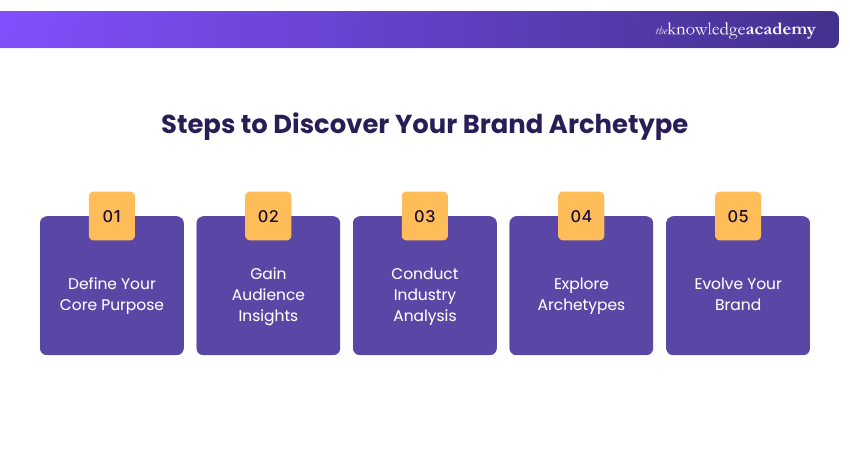
Step 1: Define Your Core Purpose
Start by looking at what your brand truly stands for. Go beyond what you sell and think about why your brand exists and what difference it makes.
Ask Yourself:
1) What transformation do I want to bring to people’s lives?
2) Am I helping them grow, feel inspired or connect with others?
3) What emotions do I want people to associate with my brand?
Key Tips:
1) Write down your brand’s mission, vision and values
2) Identify the feelings you want to create in your Target Audience
3) Use this clarity to define your brand’s deeper purpose
Step 2: Gain Audience Insights
Your Archetype should reflect what your audience wants and believes in. When you understand your customers’ desires and challenges, you can choose an Archetype that matches them.
Ask Yourself:
1) What motivates my audience?
2) Are they looking for adventure, comfort, belonging, or success?
3) What problems or emotions do they want to solve?
Key Tips:
1) Create a customer persona that has age, lifestyle, interests and goals
2) Match your Archetype to what inspires or comforts your audience most
3) Use surveys, reviews and comments to understand what your audience feels
Step 3: Conduct Industry Analysis
It is important to understand how other brands in your industry position themselves. This helps you find opportunities to stand out while staying relevant.
Ask Yourself:
1) Which Archetypes are most common in my industry?
2) How can my brand offer something fresh or different?
3) Do I want to be bold like an Outlaw or authoritative like a Ruler?
Key Tips:
1) Study your top competitors and identify their Archetypes
2) Look for gaps you can fill with a unique personality
3) Stay unique and don’t copy an Archetype that doesn’t fit your purpose
Step 4: Explore Archetypes
Before deciding on your personality, take time to understand all 12 Archetypes. Each represents different emotions, values and motivations.
Ask Yourself:
1) Which Archetype feels most natural to my brand’s story and tone?
2) Which one reflects how I want people to experience my brand?
3) Could my brand be a mix of two Archetypes?
Key Tips:
1) Focus on one main Archetype for clarity and consistency
2) Use a secondary Archetype only if it supports your main brand message
3) Align your Archetype with your values and your audience’s expectations
Step 5: Evolve Your Brand
Your Archetype may change as your brand grows. Like people, brands will mature, evolve and shift focus over time.
Ask Yourself:
1) Does my current Archetype still fit my goals and audience?
2) How has my audience’s perception of my brand changed over time?
3) Are there new emotions or experiences my brand now represents?
Key Tips:
1) Review your Archetype regularly to stay aligned with your brand’s journey
2) Allow space for natural growth and change
3) Keep your message consistent even as your identity evolves
Retain high-value customers effectively with our Customer Acquisition Training – Sign up anytime!
Building a Strong Brand Identity
Once you know your Archetype and its strategy, it is time to show it across every part of your brand. Every sound, colour, image, and experience should connect back to your core personality.
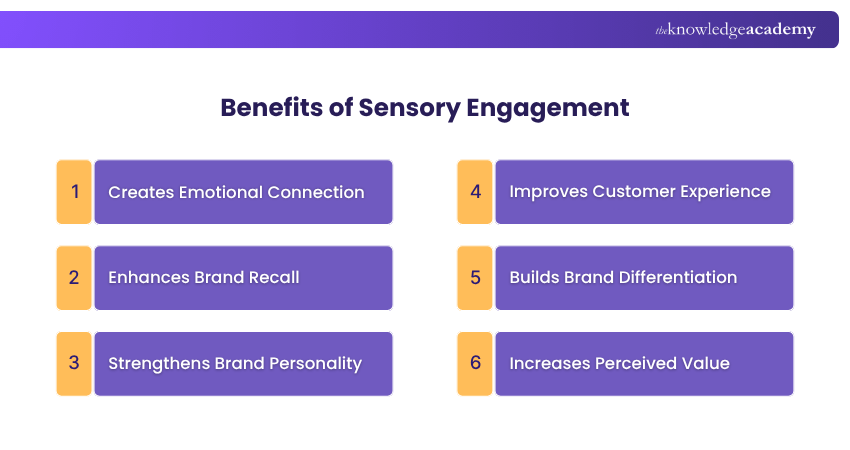
1) Sensory Engagement
Engage more than just the eyes. For that, you can use sound, smell, and touch to create emotional experiences. For example, the crisp sound of opening a Pringles can or the scent in a store helps people remember the brand.
2) Visual Identity
Your design should reflect your Archetype. This includes your colour palette, fonts, logo, imagery, and overall design style. A Ruler brand may use elegant fonts and luxury colours, while a Jester may choose bright and playful designs.
3) Audio Elements
Music and voice are capable of shaping one’s perception. The best examples are Disney’s magical tunes and Intel’s confident jingle. The right sound can become part of your brand’s memory.
4) Tactile Experience
How a product feels while touching and sensing it matters too. Premium brands use quality materials to express luxury, while everyday brands might focus on comfort and practicality. This physical interaction helps customers form emotional connections.
5) Signature Scent
Scent is often overlooked, yet it can create powerful emotional ties. Some brands design unique fragrances to strengthen recognition, particularly those following Lover or Magician Archetypes, where memory and emotion drive connection.
Conclusion
Brand Archetypes give businesses a powerful way to tell their story and connect with people on an emotional level. They turn brands from simple products or services into personalities that audiences can relate to, trust, and remember. It guides every choice from design and messaging to customer experience, ensuring that your brand always feels genuine and aligned with its purpose.
Master the strategies that drive real results with our Digital Marketing Courses – Change the trend!
Frequently Asked Questions
What is the Purpose of Brand Archetype?

A Brand Archetype gives your business a clear personality. It helps you connect emotionally with your audience and stay consistent in your tone, visuals and communication.
What Brand Archetype is IKEA?
IKEA fits the Everyman Archetype. It focuses on simplicity, comfort and affordability while offering practical products that make life easier for everyday people.
What are the Other Resources and Offers Provided by The Knowledge Academy?
The Knowledge Academy takes global learning to new heights, offering over 3,000 online courses across 490+ locations in 190+ countries. This expansive reach ensures accessibility and convenience for learners worldwide.
Alongside our diverse Online Course Catalogue, encompassing 19 major categories, we go the extra mile by providing a plethora of free educational Online Resources like Blogs, eBooks, Interview Questions and Videos. Tailoring learning experiences further, professionals can unlock greater value through a wide range of special discounts, seasonal deals, and Exclusive Offers.
What is The Knowledge Pass, and How Does it Work?
The Knowledge Academy’s Knowledge Pass, a prepaid voucher, adds another layer of flexibility, allowing course bookings over a 12-month period. Join us on a journey where education knows no bounds.
What are the Related Courses and Blogs Provided by The Knowledge Academy?
The Knowledge Academy offers various Digital Marketing Courses, including Business Branding Course, Google Search Console Training and Digital Marketing Training. These courses cater to different skill levels, providing comprehensive insights into Brand SERP Optimisation.
Our Digital Marketing Blogs cover a range of topics related to SERP Volatility, offering valuable resources, best practices, and industry insights. Whether you are a beginner or looking to advance your Digital Marketing skills, The Knowledge Academy's diverse courses and informative blogs have got you covered.
Upcoming Health & Safety Resources Batches & Dates
Date
 Business Branding Course
Business Branding Course
Thu 19th Mar 2026
Business Branding Course
Thu 9th Jul 2026
Business Branding Course
Thu 8th Oct 2026

 If you wish to make any changes to your course, please


