


 Top Rated Course

We may not have the course you’re looking for. If you enquire or give us a call on 01344 203999 and speak to our training experts, we may still be able to help with your training requirements.
10 Types of Grammar You Need to Know
The Knowledge Academy 03 February 2026Grammar is the backbone of language, shaping how we communicate and understand one another. It provides structure, clarity, and rules that guide speech and writing. There are several Types of Grammar that linguists and educators use to describe and analyse language. Here are key types: Descriptive, Comparative Grammar & more.

Training Outcomes Within Your Budget!
We ensure quality, budget-alignment, and timely delivery by our expert instructors.
Table of Contents

Grammar is everywhere—in the way we speak, write, and even text! But have you ever wondered why some sentences just feel right while others seem off? That’s because Grammar isn’t just about rules; it’s about how language works. There are different Types of Grammar, each shaping the way we communicate. Some focus on how we actually speak, while others look at the rules we should follow. Whether you love Grammar or find it tricky, knowing its types can improve your Communication Skills, especially in Public Speaking.
Table of Contents
1) Different Types of Grammar
a) Descriptive Grammar
b) Comparative Grammar
c) Transformational Grammar
d) Generative Grammar
e) Pedagogical Grammar
f) Performance Grammar
g) Reference Grammar
h) Theoretical Grammar
i) Traditional Grammar
j) Prescriptive Grammar
2) Conclusion
Different Types of Grammar
Grammar can seem tough, but everything will be clear once you jump inside the stream. Keep reading to learn 10 different Types of Grammar that play a key role in shaping the language. They will help you understand its structure and usage.
10 different Types of Grammar are:
a) Descriptive Grammar
b) Comparative Grammar
c) Transformational Grammar
d) Generative Grammar
e) Pedagogical Grammar
f) Performance Grammar
g) Reference Grammar
h) Theoretical Grammar
i) Traditional Grammar
j) Prescriptive Grammar
Here is a detailed explanation of the above Grammar types.
Descriptive Grammar
Descriptive Grammar explains how people naturally speak and write. It looks at the rules and patterns we use every day. Instead of telling what’s right or wrong, it simply describes how language works, even if it doesn’t follow traditional rules.
Comparative Grammar
Comparative Grammar compares different languages to see what’s similar and different. It helps language learners and linguists understand the connections between languages. This also shows how languages can influence each other over time.
Transformational Grammar
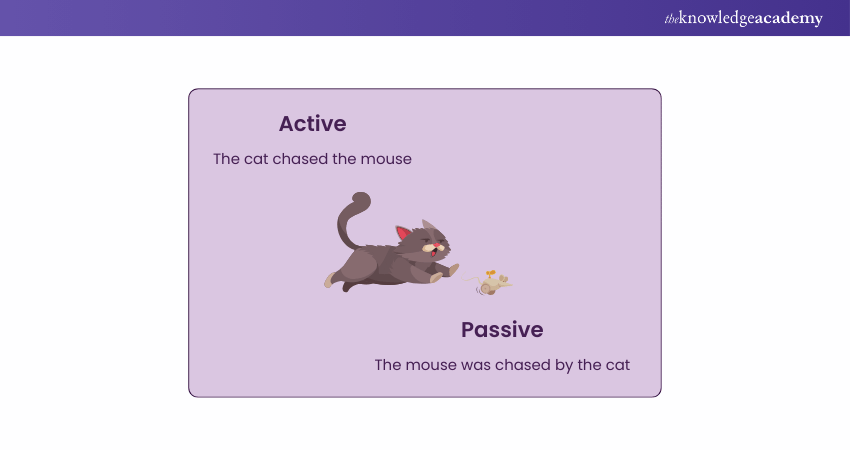
Transformational Grammar studies how sentences can change while keeping the same meaning. For example, it explains how an active sentence can become passive. It helps explain the hidden structure of sentences and how we can rearrange them in different ways.
Generative Grammar
Generative Grammar is a set of rules that shape how sentences are formed and understood in a language. Simply put, it explains the hidden knowledge we all have that helps us speak and understand sentences naturally. It’s like a mental system that guides how we use language without even thinking about it.
Get verbal and nonverbal communication skills with our English Speaking Course – Sign up now!
Pedagogical Grammar
Pedagogical Grammar is Grammar designed to help people learn a second language. It includes three main ideas:
a) Teaching Process: Explaining language rules as part of lessons
b) Learning Materials: Books and guides that provide Grammar rules
c) A Mix of Both: Combining teaching methods with helpful resources
It's all about making Grammar easier for language learners to understand.
Performance Grammar
Performance Grammar describes how English sentences are actually used in Effective Communications. It focuses on how people create and use language naturally. This approach believes that understanding how people speak should come before studying how they understand and interpret the language.
Reference Grammar
A Reference Grammar explains how words, phrases, and sentences are formed in a language. It provides clear Grammar rules and examples. Some well-known English reference books include:
a) Practical English Usage by Michael Swan (1980): A useful guide for learners and teachers.
b) A Grammar of Contemporary English by Randolph Quirk et al. (1972): A detailed study of modern English.
c) Oxford Modern English Grammar by Bas Aarts (2011): Covers Grammar with a modern approach.
d) An Introduction to English Grammar by Sidney Greenbaum and Gerald Nelson (2002): A simple and clear guide.
e) Collins COBUILD English Grammar (2017): Focuses on real-life usage with examples from spoken and written English.
Theoretical Grammar
Theoretical Grammar studies the basic building blocks of any human language. It focuses on explaining Grammar rules in a clear and structured way. Linguists use it to compare different Grammar theories and find the best way to describe how language works.
Want to speak English fluently? Register for our English Speaking Course right now!
Traditional Grammar
Traditional Grammar is a set of rules that explain how language should be used. It focuses on the difference between everyday speech and what is considered "correct" according to established standards. Its main goal is to preserve older language rules and teach what is seen as proper Grammar.
Prescriptive Grammar
Prescriptive Grammar also focuses on how language should be used. It sets rules for the 'correct' way to speak and write, including the proper use of Adjectives. These rules are often used in traditional language teaching, covering sentence structure, verb tenses, and word usage.
Conclusion
Understanding different Types of Grammar helps us see how language works. Each type has its own purpose, from describing how we speak to setting rules. Whether learning or teaching, Grammar makes communication clearer. It’s not just about rules, it helps us use language in the best way possible!
Do you want to improve your grammar skills and write confidently? Join our English Grammar Course today!
Frequently Asked Questions
What are the Four Levels of Grammar?

Grammar has four main levels: Phonology (sounds in words), Morphology (word formation), Syntax (sentence structure), and Semantics (meaning). These levels work together to help us speak, write, and understand language correctly.
What are the Four Cs of Grammar?
The 4 Cs of grammar make writing clear and effective: Clarity (easy to understand), Conciseness (short and to the point), Coherence (smooth flow of ideas), and Correctness (follows grammar rules). These helps improve both speaking and writing.
What are the Other Resources and Offers Provided by The Knowledge Academy?
The Knowledge Academy takes global learning to new heights, offering over 3,000+ online courses across 490+ locations in 190+ countries. This expansive reach ensures accessibility and convenience for learners worldwide.
Alongside our diverse Online Course Catalogue, encompassing 19 major categories, we go the extra mile by providing a plethora of free educational Online Resources like Blogs, eBooks, Interview Questions and Videos. Tailoring learning experiences further, professionals can unlock greater value through a wide range of special discounts, seasonal deals, and Exclusive Offers.
What is The Knowledge Pass, and How Does it Work?
The Knowledge Academy’s Knowledge Pass, a prepaid voucher, adds another layer of flexibility, allowing course bookings over a 12-month period. Join us on a journey where education knows no bounds.
What are the Related Courses and Blogs Provided by The Knowledge Academy?
The Knowledge Academy offers various Communication Skills Course, including English Grammar Course, English Speaking Course, and TOEFL Training Course. These courses cater to different skill levels, providing comprehensive insights into Written Communication.
Our Business Skills Blogs cover a range of topics offering valuable resources, best practices, and industry insights. Whether you are a beginner or looking to advance your communication skills, The Knowledge Academy's diverse courses and informative blogs have you covered.

The Knowledge Academy


Global Training Provider
The Knowledge Academy is a world-leading provider of professional training courses, offering globally recognised qualifications across a wide range of subjects. With expert trainers, up-to-date course material, and flexible learning options, we aim to empower professionals and organisations to achieve their goals through continuous learning.

Upcoming Business Skills Resources Batches & Dates
Date
 English Grammar Course
English Grammar Course
Fri 14th Aug 2026
English Grammar Course
Fri 6th Nov 2026

 If you wish to make any changes to your course, please


