


 Top Rated Course

We may not have the course you’re looking for. If you enquire or give us a call on +43 720 115337 and speak to our training experts, we may still be able to help with your training requirements.
Top 10 Coffee Brewing Methods to Try at Home for Perfect Flavour
The Knowledge Academy 21 April 2026Coffee brewing methods are techniques to extract flavor and aroma from grounds, including espresso, pour-over, French press, moka pot, and cold brew.Each method offers a unique flavour, aroma, and texture experience. Learn how to choose the right brewing style to match your taste and elevate your daily coffee ritual.

Training Outcomes Within Your Budget!
We ensure quality, budget-alignment, and timely delivery by our expert instructors.
Table of Contents

The very first sip of freshly made coffee is an experience that is magical, with the rich fragrance, the nice and pleasant taste that spreads all over your mouth, and the awakening of your senses. However, are you aware that the brewing technique you select can utterly change the whole experience.
In this blog, we are going to explore the best 10 Coffee Brewing Methods that will not only be suitable for professionals but also for all home coffee lovers to prepare their ideal cup according to their wishes.
Table of Contents
1) What Does Brewing Coffee Mean?
2) Top 10 Coffee Brewing Methods
3) Choosing the Best Coffee Brewing Method
4) Common Mistakes when Brewing Coffee
5) Conclusion
What Does Brewing Coffee Mean?
Brewing coffee is a method that, among other things, combines flavourful extraction and aromatic compounds from roasted coffee grounds using hot water to result in an abundant-smelling drink. The oldest Coffee Brewing Method that was known is the Ibrik, and it was used in Turkey back in the 16th century.
To put it simply, brewing coffee is an art and a science at the same time, a process of converting roasted beans into the aromatic drink that every day is savoured by millions of people around the world. Knowing the different types of coffee brewing helps you in identifying your taste and flavour.

Top 10 Coffee Brewing Methods
A perfect cup of coffee can be made in a variety of ways, and every method comes with its own distinct taste and texture and with pros and cons too. To get a rich and flavourful experience, you can explore some of the top Coffee Brewing Methods, which are easy to make even at home.
The following are the top 10 Coffee-Brewing Methods that you can try out:
1) Pour Over
The pour-over method provides a clean and aromatic cup of coffee by using the slow process of hot water pouring over the freshly ground beans in a filter. This method gives you the power to choose the brewing time and water flow, thereby extracting the precise flavour for a well-balanced cup.
Pros: Offers full control over brewing variables and produces a clean nuanced cup. Perfect for bringing out the bean flavours.
Cons: Requires patience and is time-consuming; not recommended for making large batches.

2) Aeropress
Aeropress brewing is a one-of-a-kind methods for brewing coffee where air pressure is applied to produce a coffee with smoothness and richness with little bitterness. Besides, it is a fast method, it is portable, and it is great for experimenting with grind size and brew time to get your desired strength and taste.
Pros: Fast, portable, and versatile; provides the opportunity to experiment with strength and flavour.
Cons: Limited quantity of coffee; learning the technique takes time and effort.

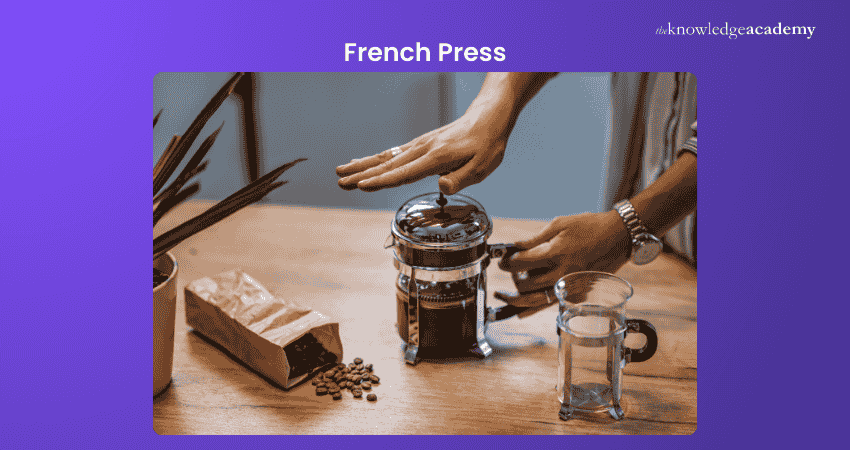
3) French Press
The process of French Press brings coarsely ground coffee to the temperature of hot water, making a coffee with a stronger and more pungent taste. This easy method also maintains the coffee's crude oils, leading to the drink being of great smell and taste that coffee lovers appreciate.
Pros: Full-bodied, rich coffee with a simple design. It retains coffee oils for flavour.
Cons: Sediment may remain in the cup and not ideal for delicate flavour profiles.
4) Drip Coffee Maker
The drip coffee maker is a machine that brews coffee really easily. It does this by pouring hot water over the coffee grounds through a paper filter. This process results in clean and consistent cups of coffee for several servings with very little effort. One just has to load water and beans, press the button, and the machine makes your coffee seamlessly.
Pros: Convenient for multiple servings and also consistent brewing with minimal effort.
Cons: Limited control over flavour and weaker cup compared to manual methods.
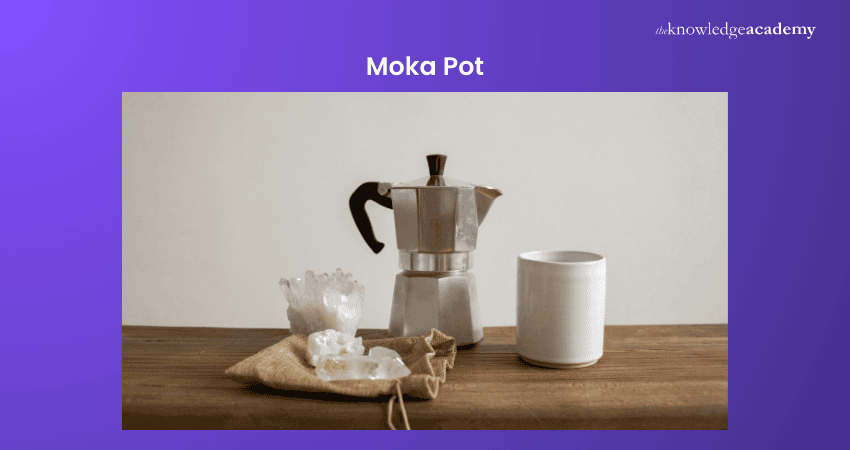
5) Moka Pot
In the case of the Moka Pot, the brewing of coffee takes place via steam-driven pressure that forces the hot water through the finely ground coffee. This method produces a bold and concentrated flavour which is perfect for people who love rich, espresso-style brew. Method is simple. preheat the water, use a medium-fine grind, and listen for that quiet gurgle.
Pros: Produces strong, espresso-style coffee, which is convenient and inexpensive.
Cons: Can be bitter if over-extracted and requires careful attention to heat and timing.
6) Espresso Machine Coffee
Espresso machines are capable of producing coffee with a rich and concentrated character by making use of hot water at near-boiling point, which is forced through finely-ground coffee at high pressure. The extract of this technique is the bold flavour and the creamy froth known as "crema", which is also used in many drinks like latte and cappuccino.
Pros: Rich and concentrated shots are created with crema. And many coffee drinks are made out of this base.
Cons: Machines are expensive and maintenance is required. Skill is needed to operate the machine.

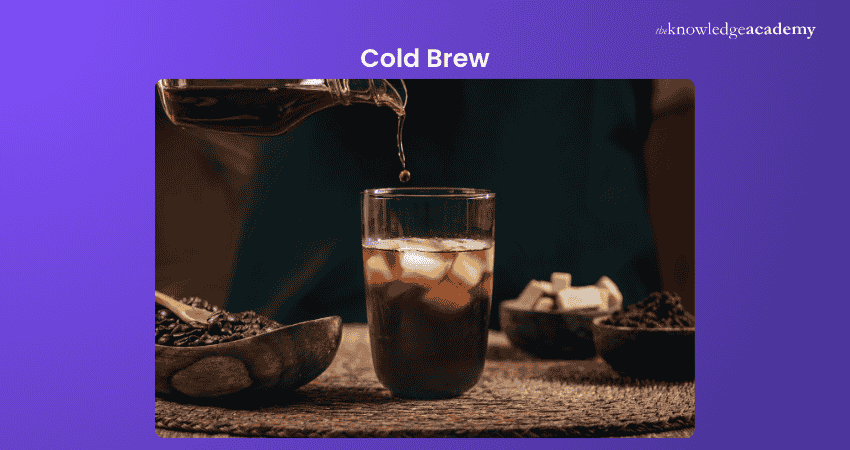
7) Cold Brew
Coarse coffee is steeped in cold or room‑temperature water for a period of 12-24 hours, resulting in the making of a smooth, rich, and low acidity concentrate with very delicate flavours. The concentrate is then filtered, chilled and sweetened to taste. This is perfect for making refreshing iced coffee that is full of flavours without being bitter at all.
Pros: Smooth coffee with low acidity and less bitterness. No problem at all when it comes to storing it or serving it cold.
Cons: The steeping time is long, and you need to plan it ahead of time; it might be too mild for some tastes.
8) Chemex
Slow brewing with a Chemex and a special thick paper filter results in a bright, clean cup with intricate flavours and just a little sediment left. The elegant design of the Chemex enhances its aesthetic while remaining functional, making it a favourite among coffee lovers who appreciate the brightness in every sip.
Pros: Clean, bright cup with elegant presentation and minimal bean notes are emphasised.
Cons: Long brewing time, use of costly filters, and fragile glass need special handling.
To enhance your career, choose and register for Industry Training that fit you the best.

9) Cowboy Coffee
Cowboy Coffee is a rustic and uncomplicated Coffee Brewing Method that involves boiling the grounds directly in water, often over an open fire. It results in a strong, bold, and hearty brew that is usually associated with the outdoors and requires no more than a pot and fire as equipment.
Pros: An extremely straightforward method, suitable for camping. It's a very strong and bold coffee.
Cons: May have some sediments or be over-extracted, and no control over the taste and strength.

10) Turkish Coffee
Turkish Coffee is the process of boiling very finely ground coffee with water (sometimes with sugar) in a special pot called a cezve. The preparation gives thick, rich, and aromatic coffee that is served unfiltered, hence providing a strong flavour and cultural coffee experience.
Pros: Thick, strong, and fragrant, rich in cultural tradition, and no special machinery required.
Cons: Ground coffee is left in the cup and may be too strong or bitter for some people. Careful preparation is necessary to avoid boiling over.
Choosing the Best Coffee Brewing Method
The process of selecting an appropriate coffee brewing method may become very difficult if you do not limit yourself to only one choice. However, the key is to find out what you most appreciate among the different types of offerings, be it the bold richness, clean clarity, or something quick and convenient.
In case you are a person who is fond of delicate flavours and would like to have total control, then Coffee Brewing Methods such as Chemex are the best choice. These methods require filters and a bit of technique, but they are still very friendly to the budget and give incredible clarity in every cup.
If you want a drink that has a very strong and rich body and you do not want to put in a lot of effort, the French Press is a classic choice that never goes out of style. It demands very little and will be the perfect choice for those who like their coffee deep and strong.
When it comes to easy and portable coffee-making, the AeroPress is a very popular option. It is compact, easy to use, and produces a cup of coffee that is clean and full in flavour, thanks to its micro-paper filter. This is an improvement over the occasional sediment found in French Press coffee
At the end of the day, there is no brewing method that can be considered "the best", only the one that fits your taste and way of living. Select one brewing method to start with, then take your time to discover others, and treat yourself to each other’s company.
Common Mistakes when Brewing Coffee
Brewing great coffee isn’t just about picking a method, it’s about avoiding small mistakes that can completely change the flavour of your cup. Even the best beans lose their potential if the basics aren’t done right. To help you brew like a pro, here are some common mistakes to watch out for.
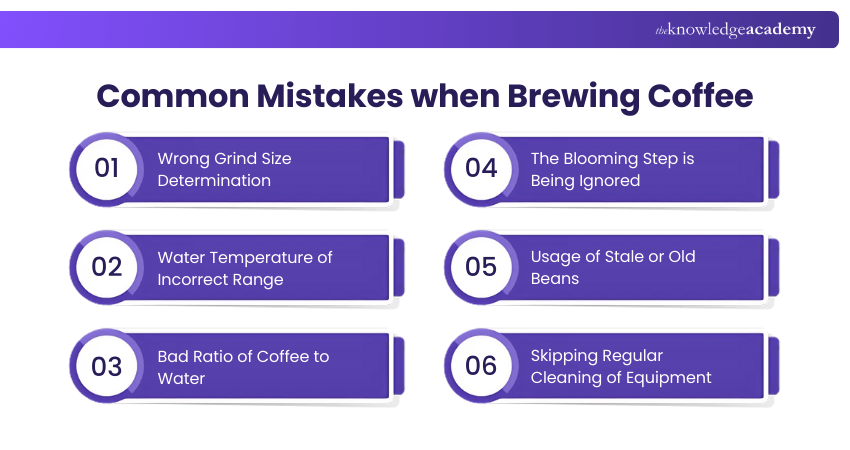
1) Wrong Grind Size Determination: Brew methods of different kinds require specific grind levels so that the flavours can be properly extracted. The wrong grind will produce coffee that is bitter, weak, or unevenly extracted.
2) Water Temperature of Incorrect Range: Water temperature that is too high will burn the ground coffee, while one that is too low will not extract enough flavour. The temperature of 90–96 °C is perfect for most brewing techniques.
3) Bad Ratio of Coffee to Water: Taking measurements by mind or sight produces inconsistency in taste and strength. A scale or standard brewing ratios is helpful in keeping every cup balanced and full of flavour.
4) The Blooming Step is Being Ignored: Pour Over and Chemex are some of the methods that need blooming for releasing the CO₂ that is trapped in the fresh grounds. It is through the skipping of this step that uneven extraction takes place, and the flavour becomes dulled.
5) Usage of Stale or Old Beans: Coffee loses aroma, oils, and flavour as it ages or when left exposed. The use of freshly roasted, well-stored beans guarantees a richer and more aromatic brew.
6) Skipping Regular Cleaning of Equipment: Coffee oils and residue pile up in brewers, grinders, and filters and over time, that affects the taste. While cleaning is properly done, purity is maintained, and the coffee remains fresh.
Conclusion
Different Coffee Brewing Methods will bring you to discover the perfect cup that fits your taste and lifestyle. Quick and convenient or slow and precise, each method creates a different experience with the flavours of the coffee. Your home can be the place for the daily coffee ritual to be upgraded. With the appropriate method, each cup of coffee making can be a delightful experience full of richness and aroma.
Strengthen your operational expertise through comprehensive Logistics Management Training now!
Frequently Asked Questions
Which Brewing Method is Most Eco-friendly?

The manual brewing methods, such as French press, Aeropress, and Pour Over, are considered to be the most eco-friendly brewing methods due to the fact that they require very little electricity, and they also use reusable filters, hence creating less waste than single-serve pods or electric machines.
What is the Difference Between Immersion and Percolation Brewing Methods?
Immersion brewing method refers to the process of completely submerging the coffee grounds in water for a specified period, such as the French Press method, which ensures that the extraction is full and even. On the other hand, the percolation brewing method shoots water through the coffee grounds continuously, like the Pour Over or Drip method, and the flavours are extracted little by little as the water flows through.
What are the Other Resources and Offers Provided by The Knowledge Academy?
The Knowledge Academy takes global learning to new heights, offering over 3,000+ online courses across 490+ locations in 190+ countries. This expansive reach ensures accessibility and convenience for learners worldwide.
Alongside our diverse Online Course Catalogue, encompassing 17 major categories, we go the extra mile by providing a plethora of free educational Online Resources like Blogs, eBooks, Interview Questions and Videos. Tailoring learning experiences further, professionals can unlock greater value through a wide range of special discounts, seasonal deals, and Exclusive Offers.
What is The Knowledge Pass, and How Does it Work?
The Knowledge Academy’s Knowledge Pass, a prepaid voucher, adds another layer of flexibility, allowing course bookings over a 12-month period. Join us on a journey where education knows no bounds.
What are the Related Courses and Blogs Provided by The Knowledge Academy?
The Knowledge Academy offers various Industry Training, including Floristry Introduction Course, Logistics Management Training, and Facilitation Skills Training. These courses cater to different skill levels, providing comprehensive insights into Side Effects of Coffee.
Our Business Skills Blogs cover a range of topics related to barista skills, offering valuable resources, best practices, and industry insights. Whether you are a beginner or looking to advance your coffee making skills, The Knowledge Academy's diverse courses and informative blogs have got you covered.

The Knowledge Academy


Global Training Provider
The Knowledge Academy is a world-leading provider of professional training courses, offering globally recognised qualifications across a wide range of subjects. With expert trainers, up-to-date course material, and flexible learning options, we aim to empower professionals and organisations to achieve their goals through continuous learning.

Upcoming Business Skills Resources Batches & Dates
Date
 Basic Barista Course
Basic Barista Course
Fri 24th Jul 2026
Basic Barista Course
Fri 16th Oct 2026

 If you wish to make any changes to your course, please


