


 Top Rated Course

We may not have the course you’re looking for. If you enquire or give us a call on + 1-866 272 8822 and speak to our training experts, we may still be able to help with your training requirements.
Agile Tester Roles and Responsibilities: A Complete Guide
Richard Harris 16 July 2026Agile Tester Roles and Responsibilities include test planning, automation, early defect detection, collaboration, and maintaining continuous software quality. They actively participate in Agile ceremonies, align tests with user stories, adapt quickly to changes, and ensure fast, reliable delivery through continuous testing integration.

Training Outcomes Within Your Budget!
We ensure quality, budget-alignment, and timely delivery by our expert instructors.
Table of Contents

Imagine being part of a team where software is built quickly, and every small mistake can affect the result. This is where Agile Testers step in. They play a big role in making sure the product works well from the very beginning. Agile Tester Roles and Responsibilities focus on ensuring quality is embedded throughout the development process, right from the start.
Agile Tester Roles and Responsibilities are not just about finding bugs—they’re about working with the team, understanding user needs, and improving quality every step of the way. In this blog, we will discuss what makes Agile Testers so important, what they do daily, and why they are a key part of any successful Agile project. Let’s get started!
Table of Contents
1) Agile Software Testing
2) Agile Methodology
3) Agile Tester Skills
4) Agile Tester Roles and Responsibilities
5) What are the Key Skills Required by the Agile Tester?
6) What is the Main Responsibility of a Tester in Agile?
7) Conclusion
Agile Software Testing
Agile Software Testing is a way of testing software that happens at the same time as development. It follows the agile method, where work is done in small steps called sprints. This means testing is continuous and quick, helping teams find and fix problems early. It supports teamwork, flexibility, and fast delivery. Agile Testing Tools make this process easier by enabling faster feedback and automation. Agile Testing Tools make this process easier by enabling faster feedback and automation.
In traditional testing, teams wait until the whole product is built before they start testing. However, in Agile testing, testers and developers work together from the beginning. For example, in an E-commerce app project, testers start checking features like log in or cart function as soon as they’re made, not waiting for the full app to be done.

Agile Methodology
Agile Methodology emphasises flexibility, collaboration, and continuous improvement in Software Development. Here are some key phases in Agile Methodology:

1) Sprint Planning
The first day of a sprint is dedicated to sprint planning. During this time, tasks are allocated to all team members. User stories, which represent business requirements, are analysed, and the scope for the sprint is set.
2) Track Level Activities
Once the user stories for the sprint are finalised, track level activities commence. For developers, this is the implementation phase where they start coding the functionalities. For testers, this is the time to write test cases for specific user stories.
3) Regression Testing
This is the final phase of a sprint, conducted after all major bugs are resolved and functionalities are implemented. Regression testing ensures that none of the functionalities are broken due to intermediate fixes.
Understand Software Development environments with our Agile Software Testing – Join today!
Agile Tester Skills
Agile Testers must possess a diverse set of skills to adapt to the dynamic environment and collaborate effectively with their teams. Here are some key skills that Agile Testers should develop:
1) Understanding Agile Principles
Agile Testers need a solid grasp of methodologies like Scrum and Kanban to integrate seamlessly into Agile teams.
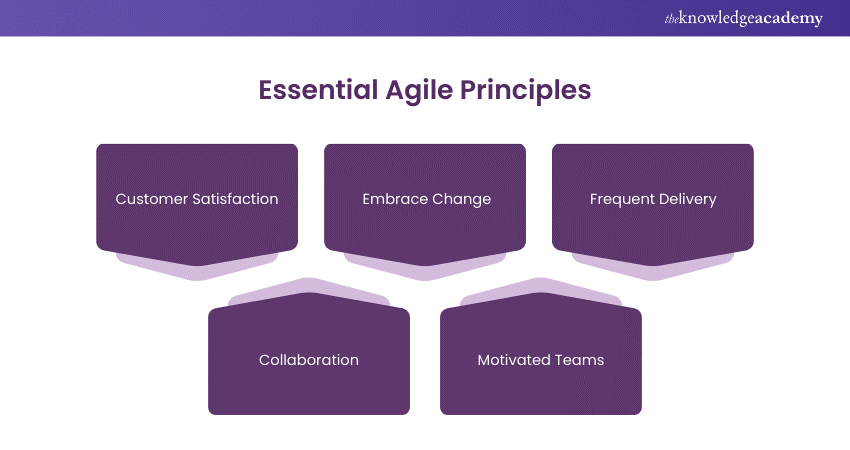
Additionally, they should be adept at continuous integration and automated testing to ensure high-quality deliverables.
2) Collaboration and Communication
Effective Communication and collaboration with developers and stakeholders are crucial for aligning requirements and quality standards.
3) Test Automation
Proficiency in automation tools and frameworks is essential for creating and maintaining automated test scripts.
4) Exploratory Testing
Agile Testers should excel in exploratory testing to identify defects that automated tests might miss.
5) CI/CD Practices
Familiarity with Continuous Integration and Continuous Deployment ensures frequent testing and prompt issue detection.
6) Adaptability
Agile Testers must be adaptable to changing requirements and project needs.
7) Risk-based Testing
Prioritising testing efforts based on risk helps focus on critical areas of the application.
8) Technical Skills
A strong technical foundation in programming and Software Development is important for effective test script writing and collaboration.
9) User Story Review
Reviewing user stories and Acceptance Criteria in Agile ensures clear, testable requirements.
10) Continuous Learning
Commitment to constant learning and improvement is vital for staying updated with the recent testing tools and techniques.
Learn effective testing techniques with our Agile Tester Training – Join today!
Agile Tester Roles and Responsibilities
Here are the main roles and responsibilities of an Agile Tester:

Understand Requirements Clearly
An Agile Tester needs to clearly understand what the customer or user wants. They work closely with developers and business teams to ask questions and get the right details. This helps avoid confusion and ensures the testing is done correctly. Clear understanding saves time and improves the quality of the product.
a) Talks to team members to know what needs testing
b) Reads and reviews user stories and features
c) Asks questions if anything is not clear
d) Makes sure all requirements are covered in testing
Test Early and Often
They do not wait until the end to start testing. They test as soon as a small part of the product is ready. This helps find bugs early when they are easier and cheaper to fix. Regular testing also helps the team move faster and with more confidence.
a) Starts testing during the early stages of development
b) Tests each part of the product in small pieces
c) Gives quick feedback to the developers
d) Makes sure bugs are fixed quickly
Work Well with the Team
An Agile Tester is part of the whole team, not separate. They join team meetings and talk to developers, designers, and product owners often. This helps everyone stay on the same page. Good teamwork helps the product get done faster and better.
a) Joins daily team meetings
b) Shares updates on testing progress
c) Helps solve problems together with the team
d) Builds good relationships with all team members
Focus on User Needs and Quality
They always think about the users. They make sure the product is easy to use and works well in real situations. They also check that the product meets all the quality standards. Their main goal is to help deliver something users will trust and enjoy.
a) Checks if the product is user-friendly
b) Makes sure the product works as expected
c) Reports any issues that may affect the user
d) Helps deliver high-quality software every time
What are the Key Skills Required by the Agile Tester?
An Agile Tester should have good communication and teamwork skills. They must also be good at problem-solving, understanding user needs, and testing quickly in short time frames.
What is the Main Responsibility of a Tester in Agile?
The main job of an Agile Tester is to test the software early and often to find problems quickly. They also help make sure the product works well and meets the user’s needs.
Conclusion
We hope you now understand Agile Tester Roles and Responsibilities and why they matter in every Agile project. Agile Testers help make sure the software is tested early, works well, and meets user needs. They work closely with the team, find problems quickly, and focus on delivering high quality. Their role is important in building better products and keeping users happy.
Learn to drive successful projects with our Agile Business Analyst Foundation (AgileBA®) Course – Join today!
Frequently Asked Questions
How to Reduce Testing Time in Agile?

Reducing testing time in Agile can be achieved by implementing continuous integration, automated testing, and involving testers early in the development process. Collaborative efforts among team members and frequent communication also help in identify issues sooner, leading to quicker resolutions and shorter testing cycles.
What is the Agile Testing Life Cycle?
The cycle is the step-by-step process followed to test software during development. It includes planning, designing tests, running them, and giving feedback in every sprint.

Richard Harris


Senior Full Stack Developer and Technology Educator
Richard Harris is a highly experienced full-stack developer with deep expertise in both frontend and backend technologies. Over his 12-year career, he has built scalable web applications for startups, enterprises and government organisations. Richard’s writing combines technical depth with clear explanations, ideal for developers looking to grow in modern frameworks and tools.


 If you wish to make any changes to your course, please


