


 Top Rated Course

We may not have the course you’re looking for. If you enquire or give us a call on +44 1344 203 999 and speak to our training experts, we may still be able to help with your training requirements.
What is Empathy and Why is it Important?
The Knowledge Academy 19 December 2025Empathy means understanding and sharing others' feelings by imagining their perspective, which is key to building relationships and prosocial behaviour. It fosters emotional connection, compassion, and trust, helping people build stronger relationships, resolve conflicts effectively, and encourage prosocial behaviour within personal and professional interactions.

Training Outcomes Within Your Budget!
We ensure quality, budget-alignment, and timely delivery by our expert instructors.
Table of Contents

Have you ever felt someone else’s happiness or pain as if it were your own? That deep emotional connection is empathy, the ability to truly understand and share another person’s feelings.
Empathy goes beyond kindness. It helps build meaningful relationships, support others during difficult times, and care about issues that affect the wider world. In this blog, we will understand ‘What is Empathy’, its main types, why it matters, and practical ways to develop it in everyday life.
Table of Contents
1) What is Empathy?
2) Types of Empathy
3) Key Benefits of Empathy
4) Causes of Limited Empathy
5) Practical Tips for Building Empathy
6) Empathy vs Sympathy
7) Why is Empathy Important?
8) Conclusion
What is Empathy?
Empathy is the ability to understand and share another person’s emotions, thoughts, and experiences. It involves imagining yourself in their position and truly feeling what they are going through. When you see someone in pain or distress, empathy helps you connect to their emotions and respond with compassion.
It allows you to recognise how others feel, see things from their perspective, and relate to their experiences more deeply. While many people are aware of their own emotions, empathy goes a step further by helping you “walk in someone else’s shoes,” strengthening emotional understanding and human connection.
Types of Empathy
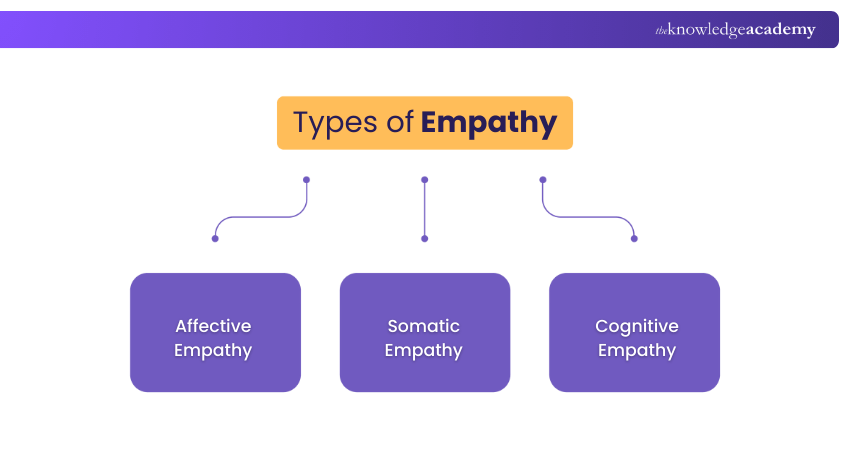
Empathy appears in different forms depending on how people connect and respond to others’ emotions. Understanding these types helps build stronger emotional awareness and healthier relationships. The main types of empathy include affective, somatic, and cognitive empathy.
Affective Empathy
Affective empathy is the ability to sense and respond to another person’s emotions. It allows you to feel concern for someone’s well-being or experience emotional discomfort when witnessing their pain, helping you connect emotionally and act with compassion.
Somatic Empathy
Somatic empathy involves physical sensations triggered by another person’s feelings. For instance, seeing someone embarrassed might make you blush, or watching someone in pain may cause a stomach twist, reflecting your body’s mirrored emotional response.
Cognitive Empathy
Cognitive empathy is the intellectual ability to understand another person’s perspective and mental state. It helps you recognise what others might be thinking or feeling, enhancing communication and emotional understanding in personal and professional interactions.
Key Benefits of Empathy
Some of the advantages of Empathy include:
Strengthens Relationships
a) Helps people feel heard and understood
b) Builds trust and deeper connections
c) Reduces arguments and misunderstandings
d) Makes it easier to support each other
Enhances Emotional Regulation
a) Helps you stay calm in tough situations
b) Lets you understand your own feelings better
c) Makes it easier to manage stress and anger
d) Encourages a more balanced response to emotions
Encourages Acts of Kindness
a) Inspires you to help others without being asked
b) Creates a caring and supportive environment
c) Makes people feel valued and respected
d) Spreads positivity in daily life
Broader Social Impact
a) Promotes peace and understanding in communities
b) Reduces hate, judgment, and division
c) Builds stronger, more connected societies
d) Helps solve problems through compassion and unity
Learn to act in someone's best interests with our Mental Capacity Training - Join today!
Causes of Limited Empathy
Here are the causes of limited Empathy:
Machiavellianism
People with Machiavellian traits often manipulate others for their own benefit. They focus on their goals and don't care much about others' feelings. They may act cold and distant in social situations.
a) They use deception to get what they want
b) They see relationships as a way to gain power
c) They rarely show kindness or concern for others
Psychopathy
Psychopaths struggle to feel emotions like guilt or love. They may act in harmful ways without feeling bad about it. They often take risks and ignore the feelings of people around them.
a) They can lie without feeling guilty
b) They may hurt others just for fun
c) They often don't feel scared or worried about danger
Borderline Personality Disorder (BPD)
People with BPD have intense emotions that change quickly. They fear being abandoned and can react strongly to small things. Their relationships may be unstable due to sudden mood swings.
a) They may go from loving someone to hating them fast
b) They often feel empty and alone
c) They may act impulsively without thinking about consequences
Narcissistic Personality Disorder (NPD)
People with NPD think they are special and better than others. They want praise and attention all the time. They may not care about how their actions affect others.
a) They believe they deserve special treatment
b) They take advantage of people for their own gain
c) They struggle to handle criticism or rejection
Practical Tips for Building Empathy
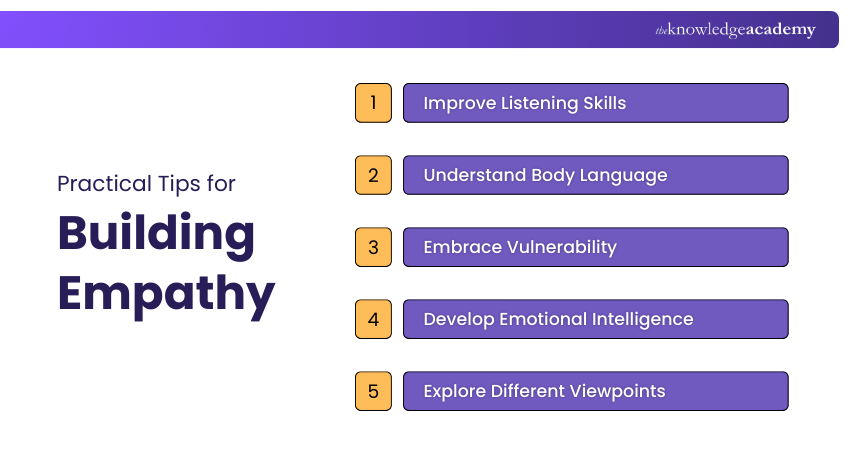
Empathy can be developed through consistent practice and mindful communication. The following tips can help you connect with others more deeply and respond with greater understanding and compassion. Here are the ways to develop Empathy in daily life:
Improve Listening Skills
Active listening helps strengthen relationships and deepen emotional understanding. It requires full attention to both words and emotions without interruption or judgment. Listening sincerely shows respect and helps others feel valued and heard.
a) Maintain eye contact to show genuine interest
b) Eliminate distractions and stay focused
c) Ask open-ended questions to engage meaningfully
d) Paraphrase or summarise to confirm understanding
Understand Body Language
Non-verbal cues often express feelings more powerfully than words. By observing gestures, expressions, and posture, you can better interpret emotions and respond appropriately, making interactions more thoughtful and genuine.
a) Notice facial expressions to identify emotions
b) Observe posture and gestures to sense mood
c) Respond appropriately to emotional cues
d) Avoid closed or distracted body language
Embrace Vulnerability
Openness about emotions encourages authenticity and trust. Sharing feelings respectfully allows deeper emotional connections, helping both sides feel safe, understood, and supported.
a) Express feelings honestly and respectfully
b) Accept emotions without fear of judgment
c) Listen empathetically and with patience
d) Encourage open, honest conversations
Develop Emotional Intelligence
Emotional intelligence strengthens empathy by helping you recognise and manage emotions effectively. It supports better communication, balanced responses, and stronger personal and professional relationships.
a) Reflect before reacting to emotions
b) Acknowledge others’ feelings with empathy
c) Stay composed during stressful moments
d) Identify emotional patterns in daily interactions
Explore Different Viewpoints
Seeing situations from multiple perspectives broadens your understanding and enhances empathy. Openness to diverse experiences fosters respect, inclusion, and more meaningful human connections.
a) Engage with people from varied backgrounds
b) Learn through books, films, or real stories
c) Ask questions to understand others’ experiences
d) Avoid assumptions and snap judgments
Understand the strategies for creating happiness with our Positive Psychology Course - Join today!
Empathy vs Sympathy
Here are the key differences between Empathy and sympathy:
Understanding Feelings
Empathy means feeling what someone else is going through, as if you are in their place. In contrast, sympathy acknowledges their feelings but does not fully connect with them.
Emotional Connection
Empathy builds a deep emotional bond by sharing another person’s experience. On the other hand, sympathy offers comfort but keeps a certain emotional distance.
Response to Pain
Empathy encourages listening and truly understanding, often leading to support. In contrast, sympathy may result in kind words but doesn’t always lead to deeper involvement.
Why is Empathy Important?
Here are the reasons why Empathy is important in different areas of life:
In Personal Life
a) Helps build stronger relationships with family and friends
b) Makes it easier to understand and support others' feelings
c) Reduces conflicts and encourages kindness
d) Creates a more loving and caring home environment
In Work Life
a) Improves teamwork and communication among colleagues
b) Helps leaders understand their team better
c) Builds trust and a positive workplace culture
d) Reduces stress and boosts job satisfaction
On a Global Scale
a) Encourages peace and reduces hate between communities
b) Helps people support those in need around the world
c) Makes global problems feel more personal and urgent
d) Builds a more connected and caring world for all
Conclusion
We hope this blog helped you understand What is Empathy and why it matters. Empathy means genuinely feeling and understanding others’ emotions. It strengthens relationships, encourages kindness, and creates a more compassionate world. By listening, caring, and offering support daily, we can make life more meaningful for ourselves and those around us.
Learn to invest in your personal development with our Social Psychology Training - Join today!
Frequently Asked Questions
What are the 4 Qualities of Empathy?

Empathy has four important qualities: understanding, listening, sharing, and supporting. First, it means truly understanding how someone feels. Second, it involves listening carefully without judging. Third, it includes sharing emotions to show you care. Fourth, it means offering support to help others feel better.
What are the 5 C's of Empathy?
The 5 C’s are compassion, care, connection, communication, and curiosity. They help us be kind, build trust, express feelings, and learn from different experiences.
What are the Other Resources and Offers Provided by The Knowledge Academy?
The Knowledge Academy takes global learning to new heights, offering over 3,000+ online courses across 490+ locations in 190+ countries. This expansive reach ensures accessibility and convenience for learners worldwide.;
Alongside our diverse Online Course Catalogue, encompassing 19 major categories, we go the extra mile by providing a plethora of free educational Online Resources like Blogs, eBooks, Interview Questions and Videos. Tailoring learning experiences further, professionals can unlock greater value through a wide range of special discounts, seasonal deals, and;Exclusive Offers.
What is The Knowledge Pass, and How Does it Work?
The Knowledge Academy’s Knowledge Pass, a prepaid voucher, adds another layer of flexibility, allowing course bookings over a 12-month period. Join us on a journey where education knows no bounds.
What are Related Courses and Blogs Provided by The Knowledge Academy?
The Knowledge Academy offers various Mental Health Courses, including Social Psychology Training, Mental Capacity Training, and Counselling Course. These courses cater to different skill levels, providing comprehensive insights into How to Become a Physical Therapist?
Our Health & Safety Blogs cover a range of topics related to Empathy, offering valuable resources, best practices, and industry insights. Whether you are a beginner or looking to advance your Empathy skills, The Knowledge Academy's diverse courses and informative blogs have got you covered.

The Knowledge Academy


Global Training Provider
The Knowledge Academy is a world-leading provider of professional training courses, offering globally recognised qualifications across a wide range of subjects. With expert trainers, up-to-date course material, and flexible learning options, we aim to empower professionals and organisations to achieve their goals through continuous learning.

Upcoming Health & Safety Resources Batches & Dates
Date
 Social Psychology Training
Social Psychology Training
Fri 24th Jul 2026
Social Psychology Training
Fri 30th Oct 2026

 If you wish to make any changes to your course, please


