


 Top Rated Course

We may not have the course you’re looking for. If you enquire or give us a call on +44 1344 203 999 and speak to our training experts, we may still be able to help with your training requirements.
Common Warning Signs of a Heart Attack Month Before
The Knowledge Academy 20 April 2026Common Warning Signs of a Heart Attack include light-headedness, chest pain, shortness of breath, pain in the arm, jaw, back, or stomach, and cold sweat. Remembering these symptoms can help you take quick action and seek urgent medical care, keeping you safe, informed, and proactive about protecting your heart.

Training Outcomes Within Your Budget!
We ensure quality, budget-alignment, and timely delivery by our expert instructors.
Table of Contents
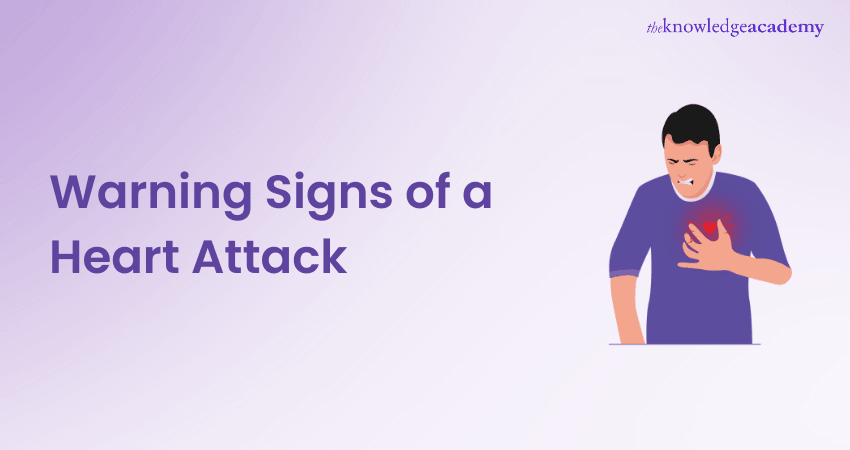
Imagine if your heart could send you a gentle tap on the shoulder weeks before danger! Wouldn't it be life-changing if it could whisper a warning before trouble strikes? The truth is it often does through subtle signs that show up weeks in advance. From dizziness and nausea to sleep disturbances and heart palpitations, you can watch out for plenty of clues.
This blog explores all the Warning Signs of a Heart Attack, the steps to reduce the risks and post-heart attack recovery tips. So read on, catch these red flags in time, and confidently outsmart a heart attack before it strikes!
Table of Contents
1) What is a Heart Attack?
2) Heart Attack Signs
a) Dizziness
b) Nausea
c) Anxiety
d) Swelling
e) Sleep Disturbances
f) Shortness of Breath
g) Fatigue
h) Chest Heaviness
i) Heart Palpitations
j) Chest Burning
3) How to Reduce the Risk of a Heart Attack?
4) Heart Attack Recovery Tips
5) Conclusion
What is a Heart Attack?
A heart attack (also called myocardial infarction) is the result of severely reduced or blocked blood flow to the heart. A buildup of Cholesterol, fat and other substances in the coronary arteries usually causes this. Lack of blood flow damages or destroys part of the heart muscle. Symptoms of heart attack can include frantic breathing, chest pain and pain in the arm, jaw or back.

Heart Attack Signs
The symptoms (prodromal symptoms) that can happen in the month before a heart attack are often similar to the ones felt during a heart attack. These may include chest pain, trouble breathing, and an irregular heartbeat. Let's explore the major symptoms in detail:
Dizziness
a) If dizziness happens along with chest pain or trouble breathing, it might be a sign of an impending heart attack.
b) A person might feel dizzy or lightheaded for many reasons, like not drinking enough water or missing a meal. But it can also be a warning sign of a heart attack.
c) They may feel like they’re going to faint or that the room is spinning, which can happen if the brain isn’t getting enough blood. It can also happen if the heart has an irregular rhythm during a heart attack.
Healthy employees mean productive business outcomes. Learn how to ensure that in our comprehensive Healthy Working Environment Training – Sign up now!
Nausea
a) Abdominal pain is one of the most common symptoms of heart attacks in both men and women.
b) It can feel like nausea (whether you’ve eaten or not), upset stomach or bloating.
c) These symptoms can spring up due to the body’s reaction to low oxygen in the blood.
d) Heartburn or acid reflux can also be signs of a heart attack but are often ignored.
e) Pay attention to unusual body signals and seek medical help if something feels wrong.
Anxiety
a) Anxiety can be a symptom as well as a contributing factor during a heart attack.
b) Anxiety and heart attacks share common symptoms, such as palpitations, chest pain and shortness of breath. It can be very difficult to distinguish between the two.
c) Some individuals can even experience heightened anxiety or a sense of impending doom shortly before a heart attack occurs.
d) Chronic anxiety can amplify the risk of heart disease and potentially result in a heart attack over time.
e) Due to symptom similarities, it's important to seek immediate medical attention.
Swelling
a) Heart failure can lead to fluid buildup, which can lead to swelling in the abdomen, feet, ankles or legs.
b) Swelling may start mildly but can worsen over time. This can indicate deteriorating heart function.
c) Edema due to heart failure is often accompanied by shortness of breath and fatigue.
d) If you experience persistent or worsening swelling, you must consult a healthcare provider immediately.
Sleep Disturbances
a) Persistent insomnia has been linked to an increased risk of heart attack.
b) Obstructive Sleep Apnea (OSA) can cause interrupted breathing during sleep. This can result in diminished oxygen levels and increased heart strain.
c) Restless Leg Syndrome (RLS) is associated with an elevated risk of Cardiovascular issues.
d) Sleep disorders can mess with the recovery process and worsen outcomes for individuals with existing heart conditions.
Embrace proper nutrition, elevate your fitness level. Sign up for our Nutrition and Fitness Training now!
Shortness of Breath
a) Shortness of breath is another common warning sign of a heart attack.
b) The person might feel like they can’t catch their breath or struggle to breathe normally.
c) It can also come with wheezing or coughing, especially if the heart isn't pumping well.
d) This symptom may appear alongside chest pain, dizziness, tiredness or nausea.
e) Trouble with breathing can signal many health problems, but during a heart attack, it needs urgent attention.
Fatigue
a) Experiencing unexplained fatigue, especially during routine activities, can be an early sign of heart disease.
b) Some research suggests that women are more likely to report fatigue as a symptom of heart attack compared to men.
c) If severe fatigue interferes with your daily tasks, it may indicate reduced heart efficiency.
d) Fatigue accompanied by other signs such as chest discomfort or shortness of breath warrants medical attention.
Chest Heaviness
a) A feeling of heaviness or pressure in the chest is a common indicator of a heart attack.
b) This sensation may extend to the arms, neck, jaw or back.
c) Chest heaviness that occurs during physical exertion and reduces with rest can be a sign of angina, a precursor to heart attacks.
d) Persistent or severe chest heaviness requires urgent medical evaluation.
Heart Palpitations
a) Palpitations accompanied by dizziness, chest pain, or shortness of breath are signs of a serious heart condition.
b) Palpitations can feel like the heart is racing, fluttering, or skipping beats.
c) While palpitations are often benign, they can result from Arrhythmias or other heart-related issues.
d) A healthcare professional must evaluate frequent palpitations to determine their cause.
Chest Burning
a) While chest burning is commonly linked to acid reflux, it can also be a symptom of a heart attack.
b) Unlike typical heartburn, heart-related chest burning may be accompanied by nausea or light-headedness.
c) Individuals with risk factors for heart disease must be particularly cautious of chest-burning sensations.
d) If chest burning is severe or accompanied by other heart attack symptoms, you must seek immediate medical attention.
Master the science of balanced diets for better health and life. Sign up for our Nutrition Coursenow!
How to Reduce the Risk of a Heart Attack?
There are numerous options you can go for to reduce your risk of having a heart attack. The biggest of these include the following
Healthy Lifestyle
a) Eating healthy foods, staying active and maintaining a healthy weight is important.
b) As part of a Healthy Lifestyle, aim for at least 30 minutes of exercise most days of the week.
c) You must include heart-healthy foods like Brussels sprouts, which are high in fibre and vitamin K.
Quit Smoking
a) If you smoke, try to quit as soon as possible.
b) Smoking increases the risk of heart disease substantially.
c) Consider getting support through counselling or nicotine replacement therapy to improve your chances of quitting successfully.
Manage Health
a) Take medicine and make healthy choices.
b) You can control health issues like high blood pressure, high cholesterol, and diabetes.
c) Work with your healthcare provider and get regular check-ups to keep these conditions under control.
Reduce Stress
a) Lower stress with activities like meditation, yoga, or deep breathing
b) Remember, high stress can increase your risk of a heart attack
c) Getting a good night's sleep and staying active can also help manage stress
Struggling to take charge of your mental and physical health? Our Active and Healthy Lifestyles Training will guide you to holistic well-being - Sign up now!
Heart Attack Recovery Tips
Consider these five basic steps in the post-heart attack recovery period:
a) Stay Active: After a heart attack, worrying about exercise is normal. But being active is a big part of getting better. Ask your Doctor what’s safe for you and see if a rehab program can help you build strength and confidence.
b) Tell Your Doctor if You’re Having Chest Pain: Chest pain could be a warning sign after a heart attack. Even if it feels small or different, talk to your Doctor. It could be your heart telling you something's wrong, especially if you feel short of breath or tired.
c) Expect Certain Changes: You can still enjoy life after a heart attack, but some things may need to change such as your food, stress, or activity level. Recovery takes time, so you have to be patient with yourself and follow the Doctor’s advice to stay on track.
d) Don’t Skip Rehab: Cardiac rehab helps you feel better and live healthier after a heart attack. A team of experts will deliver guidance with safe exercise, nutritious food tips, and other changes. It’s a great way to rebuild your strength.
e) Pay Attention to Your Feelings: Feeling sad, scared, or worried is normal after a heart attack. These feelings can last for a while. Don’t keep them inside; talk to your Doctor and consider joining a support group to share and learn from others.
Conclusion
Your body often sends quiet warnings before a heart attack, and it's your responsibility to address them. Chest discomfort, unusual fatigue, or shortness of breath could be early signs. Recognising these Warning Signs of a Heart Attack a month before can give you enough time to act. Listen closely, trust your instincts and seek medical help when something feels wrong.
Master your health and elevate your self-worth! Sign up our Healthy Lifestyles Training now!
Frequently Asked Questions
How long is the Recovery Time for a Heart Attack?

Recovering from a heart attack can take between two weeks and three months. During this time, it’s important to start making lifestyle changes that can help reduce the risk of having another heart attack.
What are 5 Facts About Heart Attacks?
Here are five facts about heart attacks:
a) Common symptoms include nausea, shortness of breath and chest pain
b) Heart attacks can occur when a coronary artery gets blocked
c) High blood pressure is a major risk factor
d) Smoking and Diabetes significantly increase the risk
e) Women may experience different symptoms like fatigue and back pain
What are the Other Resources and Offers Provided by The Knowledge Academy?
The Knowledge Academy takes global learning to new heights, offering over 3,000+ online courses across 490+ locations in 190+ countries. This expansive reach ensures accessibility and convenience for learners worldwide.
Alongside our diverse Online Course Catalogue, encompassing 17 major categories, we go the extra mile by providing a plethora of free educational Online Resources like Blogs, eBooks, Interview Questions and Videos. Tailoring learning experiences further, professionals can unlock greater value through a wide range of special discounts, seasonal deals, and Exclusive Offers.
What is The Knowledge Pass, and How Does it Work?
The Knowledge Academy’s Knowledge Pass, a prepaid voucher, adds another layer of flexibility, allowing course bookings over a 12-month period. Join us on a journey where education knows no bounds.
What are the Related Courses and Blogs Provided by The Knowledge Academy?
The Knowledge Academy offers various Healthy Lifestyles Training, including the Active and Healthy Lifestyles Training and the Nutrition and Fitness Training. These courses cater to different skill levels, providing comprehensive insights into What is a Healthy Lifestyle.
Our Health & Safety Blogs cover a range of topics related to health and fitness, offering valuable resources, best practices, and industry insights. Whether you are a beginner or looking to advance your Health & Safety knowledge base, The Knowledge Academy's diverse courses and informative blogs have got you covered.

The Knowledge Academy


Global Training Provider
The Knowledge Academy is a world-leading provider of professional training courses, offering globally recognised qualifications across a wide range of subjects. With expert trainers, up-to-date course material, and flexible learning options, we aim to empower professionals and organisations to achieve their goals through continuous learning.

Upcoming Health & Safety Resources Batches & Dates
Date
 Active and Healthy Lifestyles Training
Active and Healthy Lifestyles Training
Fri 24th Jul 2026
Active and Healthy Lifestyles Training
Fri 18th Sep 2026

 If you wish to make any changes to your course, please


