


 Top Rated Course

We may not have the course you’re looking for. If you enquire or give us a call on +44 1344 203 999 and speak to our training experts, we may still be able to help with your training requirements.
8 Classic Storytelling Techniques: Boost Your Brand Engagement
Charlotte Wilson 17 March 2026Storytelling Techniques engage audiences by structuring ideas clearly, creating impact, and delivering compelling messages that inspire action. They help capture attention, simplify complex ideas, and create stronger connections with audiences. They use elements like characters, emotions, and vivid details to make impactful stories.

Training Outcomes Within Your Budget!
We ensure quality, budget-alignment, and timely delivery by our expert instructors.
Table of Contents
Stories are everywhere; from the books we love to read to the memorable ads that stick with us. What makes stories impossible to forget while others fade away is the smart use of Storytelling Techniques. These techniques help shape ideas into meaningful narratives that hook attention, build emotion, and take the audience on a journey.
If you are a writer, speaker, or educator, learning the right storytelling approach can make your message worth remembering. In this blog, you will learn about the key Storytelling Techniques and their important elements to help you connect with audiences through your stories. So, if you are ready to captivate an audience, create tension to build reliable characters, keep reading!
Table of Contents
1) What are Storytelling Techniques?
2) 8 Classic Storytelling Techniques
3) Why is Storytelling Important?
4) Elements of Storytelling
5) Conclusion
What are Storytelling Techniques?
Storytelling Techniques are methods used to present ideas, information, or experiences in the form of engaging and meaningful narratives. These techniques help structure a story effectively so that the message becomes clear, memorable, and impactful for the audience. The art of great storytelling is beyond the characters and plots; it is a matter of structure.
By organising information into a narrative format, Storytelling Techniques make complex ideas easier to understand and more relatable for readers or listeners. They also help capture audience attention and maintain their interest throughout the message. As a result, storytelling becomes a powerful way to communicate ideas and inspire action.

8 Classic Storytelling Techniques
Storytelling Techniques have been used in films, books, presentations, and even marketing campaigns to craft stories that stick. Learning these techniques can help you become a more effective, persuasive, and memorable storyteller. Here are the eight classic and effective Storytelling Techniques:
1) Monomyth (The Hero’s Journey)
The Monomyth or Hero’s Journey follows a central character who embarks on a journey, faces trials, and returns transformed. It reflects the values of personal growth and resilience. It is one of the most universally understood Storytelling Techniques across cultures and genres.
Ideal Scenarios for Monomyth: Personal growth stories, leadership journeys, brand evolution, graduation speeches.
Example: In “The Lion King,” Simba begins as a carefree cub but is exiled after tragedy. Guided by mentors and self-reflection, he returns to claim his place as king. His transformation from fear and guilt to courage reflects the classic Hero’s Journey.
2) The Mountain
This technique builds tension gradually, with each event more intense than the last. It’s not about one big twist, but rather a steady climb toward a goal. It mirrors how real-life success often comes through cumulative effort.
Ideal Scenarios for The Mountain: Motivational talks, real life journeys, startup stories, employee success stories.
Example: In “The Pursuit of Happyness,” Chris Gardner faces homelessness, job rejections, and financial struggles. Each builds emotional tension, yet his determination keeps him moving forward. His success feels rewarding because the audience has climbed every step with him.
Unlock your Storytelling Genius and craft an unforgettable pitch with our effective Soft Skills Training For Sales Professionals – Register today!
3) Nested Loops
Nested loops are stories layered within other stories. Each one reveals a deeper meaning or context, and it is built toward a central idea. This structure is powerful when you want to explain something complex or evoke deeper reflection.
Ideal Scenarios for Nested Loops: Speeches, essays, spiritual talks, and founder stories.
Example: A Chief Executive Officer (CEO) shares their career journey and then highlights stories of employees who succeeded along with them. All the stories emphasise the importance of resilience.
4) Sparklines
Sparklines compare the current state to a better and future possibility. The contrast creates emotional tension and hope by encouraging change. It’s often used to move people from complacency to action by showing what’s possible.
Ideal Scenarios for Sparklines: Inspirational speeches, leadership messages, campaigns for change.
Example: A health expert explains the risks of unhealthy lifestyles and poor daily habits. They describe how small, consistent changes in everyday routines could lead to better well-being and long-term health.
5) In Media Res
This Technique of Storytelling starts the story in the middle of the action. It is an amazing technique to pull the audience in immediately. In this technique, the backstory is revealed later to maintain curiosity. It works well when suspense or urgency is important for the storyline from the very first moment.
Ideal Scenarios for In Media Res: Thrillers, dramas, creative marketing, fast paced videos.
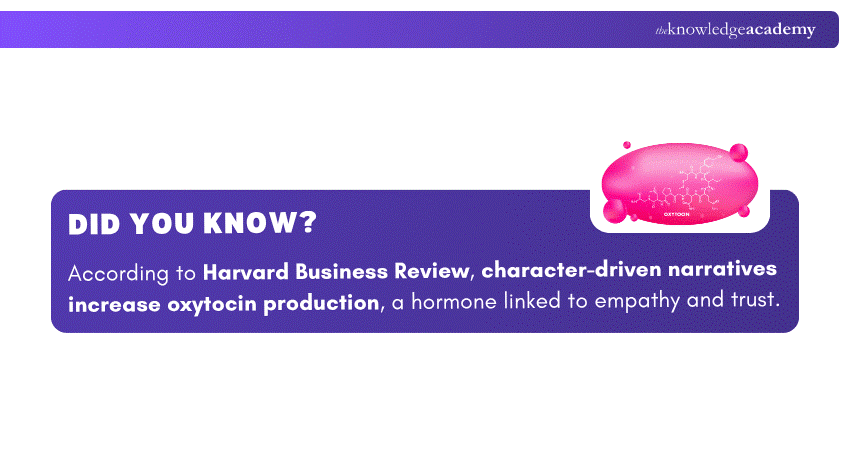
Example: In the movie Fight Club, the story opens with the narrator tied to a chair with a gun in his mouth. The chaotic scene immediately grabs attention, and the story later reveals how he reached that moment. This dramatic opening keeps viewers intrigued and engaged.
Spark your creativity and turn ideas into impactful creativity with our Corporate Selling Training – Join now!
6) Converging Ideas
This technique brings together different narratives that seem unrelated at first but merge into a shared theme or event. It allows you to explore multiple perspectives that reinforce a central message, showing unity in diversity.
Ideal Scenarios for Converging Ideas: Documentaries, social campaigns, ensemble stories.
Example: A conference includes speakers from different industries sharing their experiences and perspectives. Their ideas eventually connect around the theme of innovation and collaborative progress.
7) False Start
This technique begins with a misleading or unexpected story path, only to shift direction later. It creates surprise and emotional impact by playing with expectations and revealing something deeper or more meaningful.
Ideal Scenarios for False Start: Emotional storytelling, awareness campaigns, creative content.
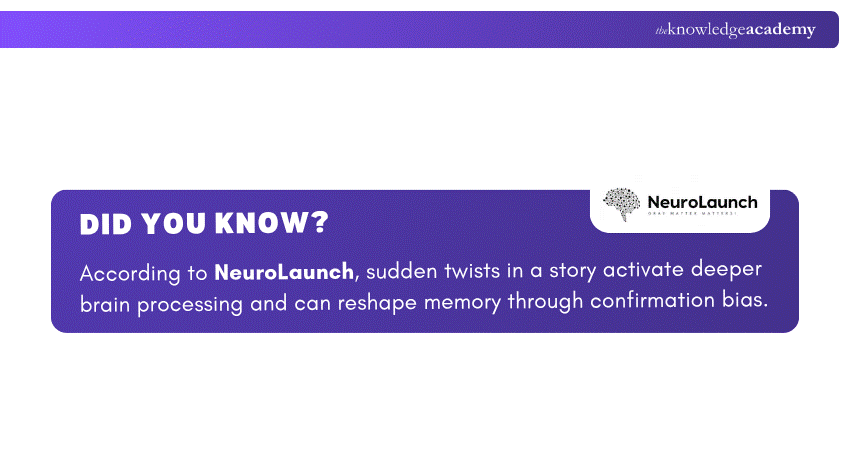
Example: In “Gone Girl” by Gillian Flynn, at first, readers assume Nick is responsible for Amy’s disappearance. Later, the story reveals a shocking twist that completely changes the narrative.
8) Petal Structure
The Petal Structure revolves around a central theme where multiple smaller stories from different angles connect to a central idea. Each story adds a new layer to the overall message and is ideal for inclusive or complex narratives.
Ideal Scenarios for Petal Structure: Panel events, anthologies, social causes, campaign videos.
Example: A book about personal growth shares experiences from different individuals and their life journeys. Every story demonstrates the importance of self-improvement, resilience, and continuous learning.
Communicate powerfully and persuasively by signing up for our Storytelling for Marketers Training now!
Why is Storytelling Important?
Storytelling is important for many reasons. The following factors explain why it plays a vital role in narratives and various forms of communication:
1) Encourages Creativity: Storytelling encourages creative thinking by allowing ideas to be presented in imaginative and unique ways. It helps both storytellers and audiences explore new perspectives.
2) Connects People and Cultures: Stories often reflect shared experiences, traditions, and values. They help people from different backgrounds understand each other and build stronger connections.
3) Makes Information More Engaging: Storytelling captures attention by presenting information in an interesting and relatable way. Instead of plain facts, stories create curiosity and keep audiences interested from beginning to end.
4) Builds Emotional Connection: Storytelling allows audiences to connect emotionally with the message and the people involved. This emotional engagement makes communication more meaningful and impactful.
5) Inspires Action: A well-told story can motivate audiences to think differently or take action. It helps influence decisions by showing real challenges, experiences, and outcomes.
6) Strengthens Communication: Storytelling improves how ideas are shared in presentations, marketing, education, and leadership. It helps deliver messages clearly while making them more persuasive and relatable.
7) Builds Trust and Credibility: Stories help audiences understand the experiences and values behind a message. This creates trust and makes the storyteller appear more authentic and credible.
Elements of Storytelling
Every narrative is built on essential foundations that work together to create meaning, emotion, and clarity. Let’s look at the key elements of Storytelling that shape almost every memorable story.
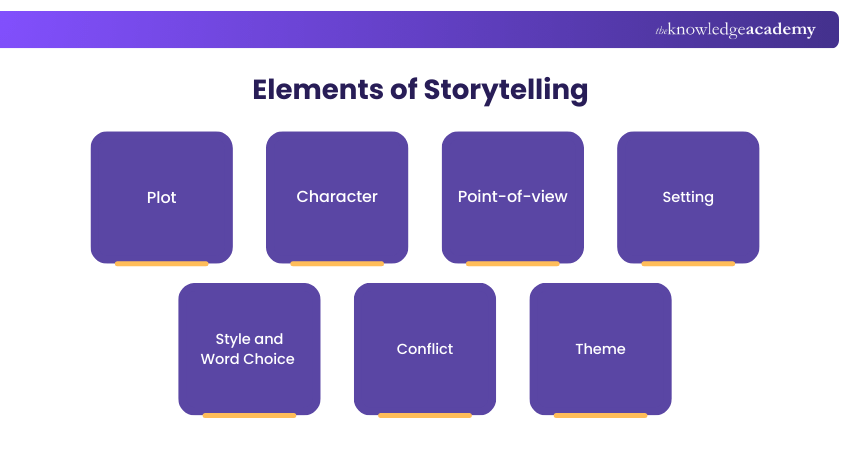
1) Plot
Plot is the spine of Storytelling. It refers to the sequence of events that carries the story forward and gives it structure. This helps audiences understand how and why events unfold, even when the timeline is non-linear.
2) Character
Characters are the heart of a story. They shape every action through their thoughts, emotions, and decisions. Well-developed characters form strong emotional connections with the audience.
3) Point-of-view
Point-of-view refers to who narrates the story and what the audience is enabled to watch or know. The selected perspective influences how events are interpreted and how the audience will resonate with the narrative.
4) Setting
Setting refers to where and when the story will take place, including the cultural and social environment. It influences character behaviour, dialogue, mood, and the overall meaning of the story.
5) Style and Word Choice
Style reflects how an engaging story is narrated through language, tone, and sentence structure. While word choice, when chosen thoughtfully, gives the story a distinct and individual voice that shapes the reader’s experience.
6) Conflict
Conflict is the driving element of a story. It carries the story by presenting challenges that the characters must go through. It creates tension, encourages character growth, and keeps the audience engaged.
7) Theme
The theme represents the central idea that is explored within the story. It arises from the narrative’s characters, plot, and conflict. This encourages the audience’s moments of reflection and interpretation.
Conclusion
Learning these Storytelling Techniques can profoundly improve how you communicate your ideas. This will help your stories become memorable, engaging, and meaningful. Applying these methods effectively and thoughtfully will capture your audience’s attention and create a long-lasting impression. Eventually, this will provide you with the right approaches to strengthen your professional presence and personal brand.
Boost sales skills with powerful negotiation and communication skills with Sales Training now!
Frequently Asked Questions
What are the Few Qualities of a Good Storyteller?

A good storyteller communicates ideas clearly, engages the audience, and creates an emotional connection through relatable experiences. They structure stories effectively, use vivid details, and maintain authenticity. Strong storytellers also understand their audience and deliver messages in a way that is memorable and impactful.
What are the 5Cs of Storytelling?
The five Cs of Storytelling include:
1) Context: Sets the story’s background
2) Character: The main people involved
3) Conflict: Define the central challenge
4) Choices: Decisions made to face a challenge
5) Change: The outcomes or lessons learned
What Are the Other Resources and Offers Provided by the Knowledge Academy?
The Knowledge Academy takes global learning to new heights, offering over 3,000+ online courses across 490+ locations in 190+ countries. This expansive reach ensures accessibility and convenience for learners worldwide.
Alongside our diverse Online Course Catalogue, encompassing 17 major categories, we go the extra mile by providing a plethora of free educational Online Resources like Blogs, eBooks, Interview Questions and Videos. Tailoring learning experiences further, professionals can unlock greater value through a wide range of special discounts, seasonal deals, and Exclusive Offers.
What is The Knowledge Pass, and How Does It Work?
The Knowledge Academy’s Knowledge Pass, a prepaid voucher, adds another layer of flexibility, allowing course bookings over a 12-month period. Join us on a journey where education knows no bounds.
What are the Related Courses and Blogs Provided by The Knowledge Academy?
The Knowledge Academy offers various Sales Courses, including the Storytelling Course, Fiction Writing Course, and Storytelling for Marketers Training. These courses cater to different skill levels, providing comprehensive insights into Importance of Soft Skills.
Our Business Skills Blogs cover a range of topics related to Storytelling Techniques, offering valuable resources, best practices, and industry insights. Whether you are a beginner or looking to advance your Story Narration skills, The Knowledge Academy's diverse courses and informative blogs have got you covered.

Charlotte Wilson


Soft Skills and Business Training Manager
Charlotte Wilson is an expert in soft skills development, with over 14 years of experience helping individuals and teams improve communication, productivity and emotional intelligence in the workplace. Her training content is focused on enhancing interpersonal effectiveness and fostering positive, collaborative environments across all levels of an organisation.
View Detail
Upcoming Business Skills Resources Batches & Dates
Date
 Online Sales Training
Online Sales Training
Fri 10th Jul 2026
Online Sales Training
Fri 2nd Oct 2026

 If you wish to make any changes to your course, please


