


 Top Rated Course

We may not have the course you’re looking for. If you enquire or give us a call on + 1-866 272 8822 and speak to our training experts, we may still be able to help with your training requirements.
What is Green Marketing: A Complete Guide
James Smith 09 February 2026Green Marketing focuses on promoting products through authentic environmental benefits, using sustainable practices across design, production, and communication. It helps organisations build trust, reduce environmental impact, and align business goals with growing consumer demand for ethical and sustainable choices.

Training Outcomes Within Your Budget!
We ensure quality, budget-alignment, and timely delivery by our expert instructors.
Table of Contents

Businesses no longer have a choice on sustainability; it is a requirement imposed by modern and environmentally conscious consumers. Companies that fail to act responsibly are at risk of losing credibility and competitiveness.
Green Marketing is concerned with marketing products by focusing on their actual positive effects on the environment and sustainable business. This blog will explore What is Green Marketing, its importance, and the way organisations can make it operational in order to catalyse ethical development and long-term value.
Table of Contents
1) What is Green Marketing?
2) Importance of Green Marketing
3) Advantages of Green Marketing
4) Disadvantages of Green Marketing
5) Tips for Green Marketing
6) Examples of Green Marketing
7) What Is Greenwashing?
8) The Future of Green Marketing
9) What Companies use Green Marketing?
10) What are the 4 Ps of Green Marketing?
11) Conclusion
What is Green Marketing?
Green Marketing is the marketing of products and services that are environmentally safe. This includes building in an environment-friendly space and delivering the products with minimum health hazards to humans. Natural components, waste reduction, resource conservation, and ecologically sustainable economic concepts are included.
The need for Green Marketing is also to ensure Effective Communication and provide authentic evidence of commitment by the companies towards environmental responsibility. Businesses use Green Marketing as a means of creating an image for themselves or to position their brand in the market due to one reason—to attract eco-conscious consumers, thus benefiting from sustainable development.

Importance of Green Marketing
Green Marketing is increasingly important in today’s world for several reasons. Let’s look at them in detail:
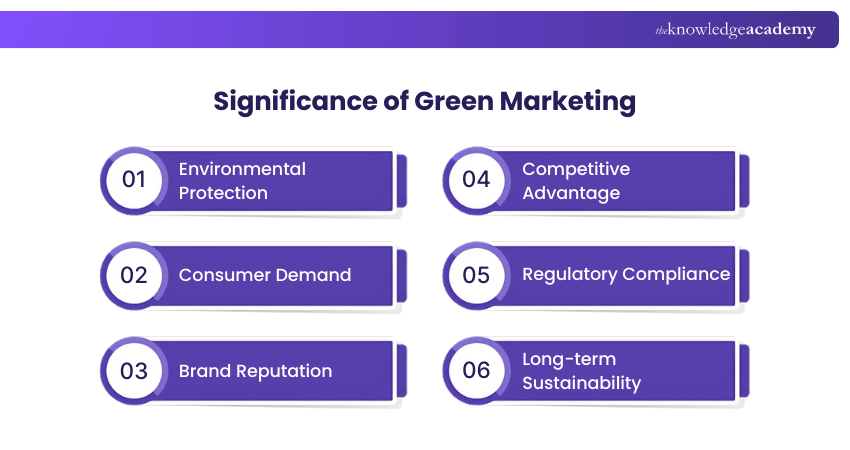
a) It promotes products and practices that are environmentally friendly, helping to reduce pollution, waste, and the overall carbon footprint.
b) There is a growing consumer preference for sustainable and eco-friendly products. Green Marketing helps businesses meet this demand and attract environmentally conscious customers.
c) Companies that adopt Green Marketing can enhance their brand image and reputation. Being seen as environmentally responsible can lead to increased customer loyalty and trust.
d) By differentiating themselves through sustainable practices, businesses can gain a competitive edge over those that do not prioritise environmental concerns.
e) As governments implement stricter environmental regulations, Green Marketing helps businesses stay compliant and avoid potential fines or sanctions.
f) Green Marketing encourages the development of sustainable products and technologies, contributing to the long-term health and well-being of the planet.
Discover innovative ways to make your business more sustainable with our Marketing Research Training- Sign up now!
Advantages of Green Marketing
Green Marketing offers several advantages that benefit both businesses and the environment:
1) Attracts a New Market
Green Marketing attracts a new segment of consumers who prioritise sustainability and ethical practices in their purchasing decisions. This growing demographic, often referred to as eco-conscious or green consumers, actively seeks products that align with their values.
By catering to this market, companies can tap into new revenue streams and build a loyal customer base. Additionally, Green Marketing helps businesses stand out from competitors, enhancing brand differentiation in an increasingly crowded marketplace.
2) Boosts Profitability and Brand Loyalty
Adopting Green Marketing can boost profitability by enhancing brand loyalty. Customers are more likely to support brands they perceive as environmentally responsible. This loyalty translates into repeat purchases, positive word-of-mouth, and a willingness to pay premium prices for eco-friendly products.
Furthermore, companies that engage in Green Marketing can attract investors who prioritise sustainable business practices, leading to increased funding opportunities and long-term financial growth.
3) Reduces Overhead Costs
Implementing sustainable practices, such as energy-efficient production methods or waste reduction initiatives, can significantly lower operational costs. Green Marketing encourages businesses to optimise resource use, leading to cost savings in areas like energy, water, and raw materials.
For instance, companies that adopt sustainable packaging not only reduce environmental impact but also cut costs associated with traditional packaging materials. These cost savings contribute to improved profit margins while reinforcing the company’s green credentials.
4) Benefits the Environment
One of the most significant advantages of Green Marketing is its positive impact on the environment. By promoting eco-friendly products and sustainable practices, companies help reduce pollution, conserve natural resources, and minimise carbon footprints.
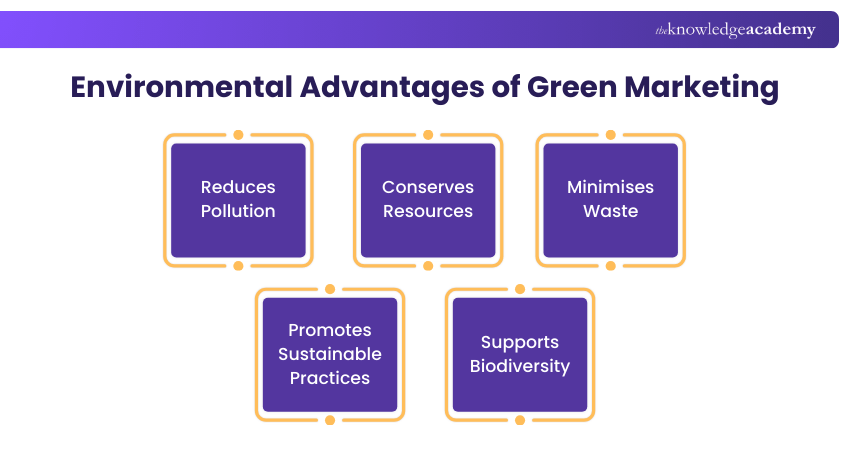
It also raises awareness about environmental issues, encouraging consumers to make more sustainable choices.
Disadvantages of Green Marketing
Although green marketing has long-term advantages, sustainability strategies also have their disadvantages, and they are:
1) Danger of consumer scepticism and greenwashing in case the claims on sustainability are false.
2) Increased initial expenses in terms of investment in green technologies, materials, and new marketing plans.
3) More resources and time to create, track, and continue with environmentally responsible practices.
Tips for Green Marketing
To effectively implement Green Marketing, companies can adopt the following strategies:
1) Creating Sustainable Products
Design products with sustainability in mind by using eco-friendly materials, reducing energy consumption, and ensuring recyclability. Sustainable product design not only appeals to green consumers but also sets a company apart as a leader in responsible innovation.
2) Utilising Sustainable Materials for Production
Opt for renewable, biodegradable, or recycled materials in production processes. This reduces environmental impact and enhances product appeal among eco-conscious buyers. Sustainable sourcing demonstrates a commitment to responsible business practices, further boosting brand reputation.
3) Practicing Responsible Waste Disposal
Implement waste reduction strategies, such as recycling and composting, and ensure responsible disposal of non-recyclable materials. By minimising waste, companies can reduce their environmental footprint and demonstrate a genuine commitment to sustainability.
4) Investing in Social Media Marketing
Leverage Social Media Marketing to promote green initiatives and engage with environmentally conscious consumers. Share stories about sustainable practices, eco-friendly products, and community involvement to build a positive brand image and foster connections with your audience.
5) Upgrading Equipment and Vehicles
Invest in energy-efficient equipment and eco-friendly vehicles to reduce carbon emissions and operational costs. This not only benefits the environment but also enhances brand credibility as a responsible, forward-thinking business.
6) Emphasising Your Company’s Eco-friendliness
Highlight your company’s green initiatives in marketing materials, packaging, and product labels. Clear, honest communication about your sustainability efforts builds trust and attracts customers who value environmental responsibility.
7) Supporting Environmental Initiatives
Collaborate with environmental organisations, participate in community clean-ups, or donate to eco-friendly causes. Supporting environmental initiatives demonstrates your company’s commitment to sustainability and helps build a positive, socially responsible brand image.
Drive impactful marketing results through coordinated strategies with our Integrated Marketing Training – Join now!
Examples of Green Marketing
Several companies have successfully implemented Green Marketing strategies, demonstrating the effectiveness of this approach:
1) Patagonia
Patagonia is renowned for its commitment to environmental sustainability. The company’s Green Marketing efforts focus on promoting sustainable product materials, advocating for environmental causes, and encouraging customers to buy less and repair more. Patagonia’s “Don’t Buy This Jacket” campaign highlighted the environmental impact of consumerism, challenging traditional marketing approaches and reinforcing the brand’s dedication to sustainability.
2) Starbucks
Starbucks has embraced Green Marketing by implementing eco-friendly practices across its operations. The company focuses on sustainable sourcing of coffee beans, reducing waste through reusable cups, and investing in renewable energy. Starbucks’ commitment to sustainability is prominently featured in its Marketing Campaigns, appealing to environmentally conscious customers and reinforcing its brand image as a responsible, community-focused business.
What is Greenwashing?
The phenomenon of making false and overstated claims concerning the environmental performance of organisations is known as greenwashing. It gives an illusion of being sustainable without really taking any substantial steps to do so.
Whenever companies expose themselves to such claims, they face the risk of regulatory sanctions, legal liability, and reputational losses. This means that consumers lose immense trust and brand credibility due to greenwashing.
The Future of Green Marketing
Green marketing has a clearer picture and a more people-oriented future that deals with accountability. Brands are likely to support sustainability arguments with practical behaviour as consumer awareness increases. This evolution is being influenced by a number of major trends that are;
1) Green marketing will be more humanitarian, and there will be more demands on transparency and true accountability
2) AI will keep on defining personalised and data-driven marketing, whereby the brands will have to strike a balance between innovativeness and environmental sensitivity
3) The sustainability regulations will give way to policy-led innovation by making compliance a competitive advantage
4) Customer advocacy and community trust will be a key pillar in developing credibility and long-term expansion
Kickstart your marketing journey and build essential skills with our Introduction to Marketing Training – Sign up now!
What Companies Use Green Marketing?
There are many organisations that embrace green marketing, and they include multinational corporations and small and intermediate enterprises. Some companies like Patagonia and Unilever have made it their key approach in their business and have become leaders in their industries in the aspect of sustainability.
Meanwhile, KraveBeauty and Wrightwood Furniture, brands based on Shopify, show that the concept of green marketing cannot be confined to a small market. It currently exists in industries and business scales today as a wider trend to responsible marketing behaviour.
What are the 4 Ps of Green Marketing?
The four Ps of green marketing, which provide a way to integrate sustainability in all parts of marketing mixes, are:
1) Product: Made of sustainable material and nature-friendly manufacturing techniques.
2) Price: The ethical values are reflected in fair, transparent, and sustainability-based prices.
3) Place: Concentrates on low-impact sourcing, distribution, and green logistics.
4) Promotion: Relays environmental pledges in candid, verifiable, evidence-based messages.
Conclusion
To simplify What is Green Marketing? It is a critical tool for organisations with long-term sustainability and credentials in their growth. The businesses can respond to changing consumer expectations as well as minimise their environmental effects by incorporating real-life environmental practices in product design, their operations, and communication. Green marketing not only enhances trust in a brand but also contributes to generous innovation and a strong business operation.
Unlock the secrets to effective branding and customer engagement with our Marketing Course - Join now!
Frequently Asked Questions
What Does a Green Marketer do?

A Green Marketer develops and promotes strategies that highlight a company’s commitment to environmental sustainability. This includes creating eco-friendly products, reducing waste, and communicating these efforts to attract environmentally conscious consumers.
Is Green Marketing Good or Bad?
Green Marketing is generally positive as it encourages sustainable practices and appeals to eco-conscious consumers. However, it can be counterproductive if companies engage in greenwashing—misleading consumers about their environmental efforts.
What are the Other Resources and Offers Provided by The Knowledge Academy?
The Knowledge Academy takes global learning to new heights, offering over 3,000+ online courses across 490+ locations in 190+ countries. This expansive reach ensures accessibility and convenience for learners worldwide.
Alongside our diverse Online Course Catalogue, encompassing 19 major categories, we go the extra mile by providing a plethora of free educational Online Resources like Blogs, eBooks, Interview Questions and Videos. Tailoring learning experiences further, professionals can unlock greater value through a wide range of special discounts, seasonal deals, and Exclusive Offers.
What is The Knowledge Pass, and How Does it Work?
The Knowledge Academy’s Knowledge Pass, a prepaid voucher, adds another layer of flexibility, allowing course bookings over a 12-month period. Join us on a journey where education knows no bounds.
What are the Related Courses and Blogs Provided by The Knowledge Academy?
The Knowledge Academy offers various Marketing Courses, including the Strategic Marketing Course, Passive Income Course, and Marketing Research Training. These courses cater to different skill levels, providing comprehensive insights into Campaign Optimisation.
Our Digital Marketing Blogs cover a range of topics related to Strategic Marketing, offering valuable resources, best practices, and industry insights. Whether you are a beginner or looking to advance your Digital Marketing skills, The Knowledge Academy's diverse courses and informative blogs have got you covered.

James Smith


Digital Marketing Manager and Trainer
James Smith is a digital marketing professional with over a decade of experience in SEO, content strategy, paid media and analytics. He has supported both SMEs and global brands in transforming their digital presence. James’s writing and training are rooted in results-driven tactics and the latest marketing trends.
View Detail
Upcoming Digital Marketing Resources Batches & Dates
Date
 Strategic Marketing Course
Strategic Marketing Course
Fri 1st May 2026
Strategic Marketing Course
Fri 30th Oct 2026

 If you wish to make any changes to your course, please


