


 Top Rated Course

We may not have the course you’re looking for. If you enquire or give us a call on +46 850282424 and speak to our training experts, we may still be able to help with your training requirements.
How to Become a Fashion Designer: Steps to Success
The Knowledge Academy 28 February 2026Exploring How to Become a Fashion Designer involves pursuing a degree or foundation qualification in Fashion Design or a related field. Also, creating a strong portfolio, understanding the current trends, and gaining industry experience are important for sustaining long-term success in the fashion industry.

Training Outcomes Within Your Budget!
We ensure quality, budget-alignment, and timely delivery by our expert instructors.
Table of Contents
Do you find yourself sketching outfits, following runway trends, or imagining your own clothing line? Then, you must be unknowingly on the path of How to Become a Fashion Designer. It begins with understanding the balance between creativity and practical skills. From learning the basics to developing a strong sense of style, this is an exciting journey.
Building a successful career in the fashion industry involves education, experience and up-to-date industry knowledge. This blog will help you understand How to Become a Fashion Designer, its types, important qualifications, and more in detail. So, if you are ready to turn your fashion goals into reality, keep reading!
Table of Contents
1) What Does a Fashion Designer Do?
2) How to Become a Fashion Designer: Step-by-step Approach
3) Types of Fashion Designers
4) What Qualifications Do You Need to Be a Fashion Designer?
5) How to Get a Job as a Fashion Designer?
6) Conclusion
What Does a Fashion Designer Do?
A Fashion Designer creates clothing, accessories, and collections that reflect trends, creativity, and consumer needs. It is a dynamic role and can vary based on experience level, brand focus, and type of fashion business.
Key Responsibilities of a Fashion Designer include:
1) Trend Forecasting and Research
2) Drawing and Designing
3) Sewing and Pattern Cutting
4) Sourcing Fabrics and Materials
5) Collaborating with Production Teams
6) Presenting Ideas and Collections

How to Become a Fashion Designer: Step by Step Approach
Whether you're dreaming of dazzling dresses or edgy streetwear, the following steps are your backstage pass to the world of fashion. Let's dive in:
Develop Your Creative Skills
Strong creative skills are the foundation of a successful fashion career. These abilities help to transform ideas into wearable designs and set you apart in the ashion industry. It includes:
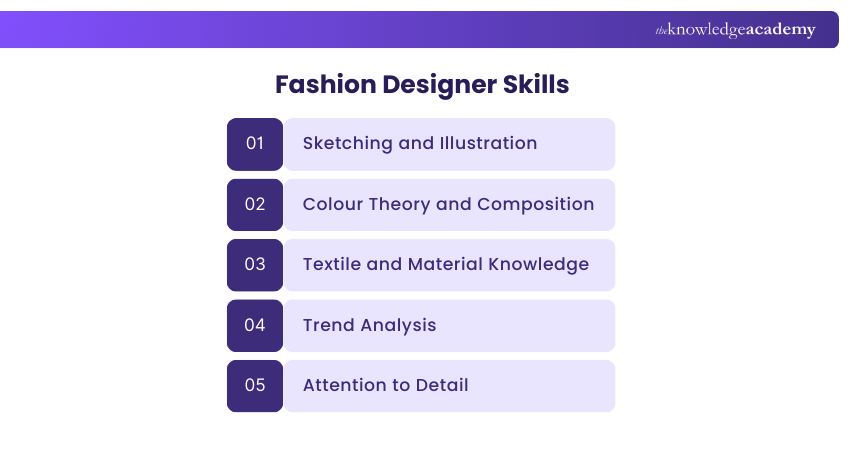
a) Sketching and Illustration: Sketching helps to express ideas clearly. Practice drawing garments, silhouettes, and details to turn concepts into visual designs.
b) Colour Theory and Composition: Understanding colour combinations helps to create balanced and appealing designs, influencing mood and style.
c) Textile and Material Knowledge: Knowing fabrics, textures, and how materials behave improves design quality and helps to choose the right material.
d) Trend Analysis: Studying past and current trends keeps your design relevant. It helps to create modern styles while developing your own signature look.
e) Attention to Detail: Small details, such as stitching, buttons, and finishing touches, can elevate a design. Precision separates good design from a great one.
2) Build a Strong Educational Foundation
The education side is crucial to learn How to Become a Fashion Designer. Formal training helps to develop technical skills and industry knowledge to turn ideas into professional designs.
a) Join a Fashion Design Course: Joining a recognised Fashion Design course helps to learn design principles, garment construction, and practical techniques.
b) Learn Design Principles and Techniques: Study core concepts, such as balance, proportion, harmony, and essential skills like pattern making and draping.
c) Gain Experience with Industry Software: Learn tools, such as Adobe Illustrator and Auto CAD, to create digital designs and work with industry professionals.
d) Study Related Subjects: Explore textiles, fashion history, and trends to add depth to and context to your designs.
e) Attend Workshops and Seminars: Join workshops and guest sessions for real-world insights, industry exposure, and relevant fashion knowledge.
Turn fabric into fabulous works of art. learn to design bags that make a statement in our Bag Making Course - Sign up now!
3) Gain Practical Experience
Practical experience turns creative knowledge into practical skills and ability. It helps you understand how the fashion industry works and prepares you for real-world challenges.
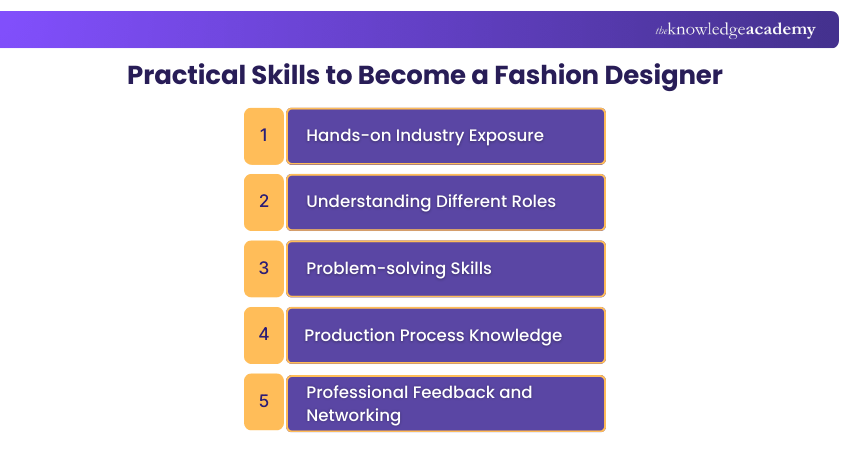
a) Hands-on Industry Exposure: Internships with Designers, fashion houses, or production units help you understand the full design process.
b) Understanding Different Roles: Work closely with pattern makers, Stylists, and Marketers to learn different roles in fashion projects.
c) Problem-solving Skills: Real-world situations test your creativity and adaptability, helping you learn how to solve design and production issues.
d) Production Process Knowledge: Hands-on experience teaches you how garments are produced, including fabric handling and construction methods.
e) Professional Feedback and Networking: Working with experienced professionals provides valuable feedback and helps you build industry connections.
Master the science of buying behaviour in our comprehensive Consumer Behaviour Course - Register now!
4) Create a Stellar Portfolio
A portfolio is your visual identity as a Fashion Designer. It presents your skills, creativity, and growth, helping to secure internships, jobs, or freelance opportunities.
a) Show Variety and Versatility: Include the different styles, techniques, and garment types to demonstrate flexibility and your creative range.
b) Highlight Your Progress: Showcase work from different stages of your journey to reflect skill development and continuous improvement.
c) Focus on Quality: Choose your strongest designs. A polished collection creates more impact than many average pieces.
d) Explain the Story Behind Designs: Add a brief note explaining your inspiration and designs process to provide context and depth to each piece.
e) Display Technical Skills: Include sketches, pattern drafts, and construction details to show your understanding of the full design.
5) Network and Connect
Building a strong network is a crucial step in How to Become a Fashion Designer. Meaningful industry connections help to gain visibility and access new opportunities in the fashion industry.
a) Attend Industry Events: Join fashion shows, exhibitions, workshops, and seminars to meet industry professionals, mentors, and Designers.
b) Build a Strong Online Presence: Utilise the top Social Media sites including Instagram, Facebook or LinkedIn to showcase your work, share ideas, and engage like-minded people.
c) Collaborate with Others: Work with Designers, Models, and Stylists to expand creative experience and reach a new audience.
d) Develop a Personal Brand: Create a clear and consistent personal brand that reflects your values, styles, and design identity.
e) Reach Out with Confidence: Connect with professionals you admire through mail or events. A genuine approach leads to valuable relationships.
6) Stay Updated With Industry Trends
Keeping up with industry trends is essential in How to Become a Fashion Designer. Being informed of current styles and consumer preferences helps your designs to stay relevant.
a) Follow Fashion Magazines and Publications: Read fashion magazines and view online platforms to stay informed about trends, shows, and insights.
b) Use Trend Forecasting Reports: Study reports from recognised forecasting agencies to understand emerging fabrics or style directions.
c) Leverage Social-media and Influencers: Follow Designers, brands, and Influencers on Social Media platforms for real-time trend inspiration.
d) Attend Fashion Weeks and Events: Explore local and global fashion weeks to see new collections and understand where the industry is moving.
e) Observe Retail and Street Style: Visit stores and observe street fashion to see how trends translate to everyday wear and consumer trends.
Frame your face and learn the art of brows and lashes. Sign up for our Make Up - Eyebrows and Eyelashes Course - Sign up now!
Types of Fashion Designers
Fashion Design is a vast field with multiple specialisations. Let’s look at some of the most common Types of Fashion Designers.

a) Haute Couture Fashion Designers: These Designers create exclusive, custom-made garments for individual clients. Their work focuses on craftsmanship, luxury fabrics and artistic expression.
b) Ready-to-wear Designers: They produce fashionable clothing in standard sizes for wider markets. This is the most influential segment of the fashion industry, balancing practicality, demand and creativity.
c) Luxury Fashion Designers: They work with premium brands and focus on refining aesthetics and brand identity. Their collections are produced in limited quantities and influence global fashion trends.
d) Mass-market Fashion Designers: These Designers create affordable, trend-driven clothing for high-street and fast-fashion brands. Their work emphasises scalability, cost-efficiency and adaptation to consumer preferences.
e) Apparel Designers: They specialise in everyday clothing, such as suits, shirts, or dresses. They focus on comfort and usability while aligning designs with seasonal trends and market demands.
f) Textile Designers: They develop fabrics, prints, patterns, and textures used in garments. Their work is crucial to Fashion Design, as fabric choice influences the final look and feel of a particular clothing.
g) Accessories Designers: They create items, such as handbags, scarves, or eyewear. These pieces are critical to define a brand’s identity and complete an outfit. This makes this role highly relevant in fashion.
h) Costume Designers: They design outfits for films, television, or theatre. Their work combines fashion design with storytelling, character development, and historical or conceptual research.
Design smarter and create precise technical drawings with the AutoCAD Course – Join today!
What Qualifications Do You Need to Be a Fashion Designer?
The Fashion Design industry is highly competitive. You generally need a foundation degree, Higher National Diploma (HND) or a full degree to pursue a career in Fashion Design. A wide range of courses are available, including:
a) Fashion Design
b) Textiles
c) Art and design
d) Garment technology
It is advisable to choose a course that combines creative design with technical skills. Many universities and colleges offering these courses are members of the British Fashion Council. Entry requirements typically include 1–2 A levels (or equivalent) for a foundation degree or HND or 2–3 A levels (or equivalent) for a full degree
How to get a Job as a Fashion Designer?
There are many ways to start a career in Fashion Design, but you’ll need to be flexible and build experience. A strong portfolio with your best designs, whether from university or personal projects, is essential. Opportunities can be found:
a) With fashion houses, as interns or assistants
b) In costume roles for theatres or film studios
c) Through online job adverts
d) By using contacts from college and the fashion industry
Conclusion
The journey of becoming a Fashion Designer is shaped by continuous learning, creativity, and persistence. From building essential skills and gaining relevant certifications to building networks and staying inspired by trends, each step is integral to shaping your future in the fashion industry. With clear direction and commitment, learning How to Become a Fashion Designer is a practical and rewarding career path.
Turn your passions into skills and master what you truly love with Hobbies & Interests Courses - Register today!
Frequently Asked Questions
What is the 3-3-3 Rule in Fashion?

The 3-3-3 rule in fashion is a styling method where you choose three tops, three bottoms, and three pairs of shoes to mix and match. This creates multiple outfit combinations with fewer pieces, helping keep your wardrobe simple, versatile, and practical.
Will Fashion Designers be Replaced by AI?
Fashion Designers are unlikely to be replaced by AI. It will act as a supportive tool, helping with data analysis, trend prediction and digital design. The creativity, originality and emotional expression of humans are essential with AI enhancing innovation.
What are the Other Resources and Offers Provided by The Knowledge Academy?
The Knowledge Academy takes global learning to new heights, offering over 3,000+ online courses across 490+ locations in 190+ countries. This expansive reach ensures accessibility and convenience for learners worldwide.
Alongside our diverse Online Course Catalogue, encompassing 17 major categories, we go the extra mile by providing a plethora of free educational Online Resources like Blogs, eBooks, Interview Questions and Videos. Tailoring learning experiences further, professionals can unlock greater value through a wide range of special discounts, seasonal deals, and Exclusive Offers.
What is The Knowledge Pass, and How Does it Work?
The Knowledge Academy’s Knowledge Pass, a prepaid voucher, adds another layer of flexibility, allowing course bookings over a 12-month period. Join us on a journey where education knows no bounds.
What are the Related Courses and Blogs Provided by The Knowledge Academy?
The Knowledge Academy offers various Hobbies & Interests Courses, including the Cake Decorating Getting Started Workshop, Fashion Designing Training, Consumer Behaviour Training and the Make Up - Eyebrows and Eyelashes Course. These courses cater to different skill levels, providing comprehensive insights into How to Become a Makeup Artist.
Our Business Skills Blogs cover a range of topics related to Fashion, offering valuable resources, best practices, and industry insights. Whether you are a beginner or looking to advance your Fashion Designing skills, The Knowledge Academy's diverse courses and informative blogs have got you covered.

The Knowledge Academy


Global Training Provider
The Knowledge Academy is a world-leading provider of professional training courses, offering globally recognised qualifications across a wide range of subjects. With expert trainers, up-to-date course material, and flexible learning options, we aim to empower professionals and organisations to achieve their goals through continuous learning.

Upcoming Business Skills Resources Batches & Dates
Date
 Fashion Designing Course
Fashion Designing Course
Fri 22nd May 2026
Fashion Designing Course
Fri 21st Aug 2026
Fashion Designing Course
Fri 13th Nov 2026

 If you wish to make any changes to your course, please


