


 Top Rated Course

We may not have the course you’re looking for. If you enquire or give us a call on +46 850282424 and speak to our training experts, we may still be able to help with your training requirements.
How Many Calories Should I Eat to Lose Weight?
Michael Jones 22 April 2026Daily calorie needs vary by age, gender, and activity level. On average, women require about 1,600–2,400 calories, while men need 2,000–3,000 calories daily to maintain a healthy weight. Eating nutrient-rich foods helps meet these energy needs. Staying physically active further supports overall health and well-being.

Training Outcomes Within Your Budget!
We ensure quality, budget-alignment, and timely delivery by our expert instructors.
Table of Contents

Have you ever wondered why two people can eat the same meal but see completely different results? Or questioned why your energy dips even when you think you’re eating enough? The answer often lies in understanding daily calorie needs. Knowing How Many Calories Should I Eat a Day isn’t just about numbers; it’s about fuelling your body with the right energy to stay active, healthy and balanced.
Every bite adds to your overall energy intake, but are you eating too much, too little, or just enough? The big question is: How Many Calories Should I Eat a Day to truly support my goals? In this blog, we’ll break it down in detail and help you find the right balance for your health and lifestyle.
Table of Contents
1) Understanding Calories
2) How Many Calories Should You Eat Per Day?
3) Factors Influencing Calorie Needs
4) Tips to Reduce Calorie Intake
5) How to Track and Count Calories?
6) Conclusion
Understanding Calories
Calories are units of energy that fuel your body’s daily functions and physical activities. They come from food and drinks, mainly carbohydrates, proteins, and fats. Your daily calorie needs depend on age, gender, weight, height, and activity level.
Eating too many calories can lead to weight gain, while consuming too few can cause fatigue and nutrient deficiencies. Balancing calorie intake with energy expenditure is essential for maintaining a healthy weight and supporting overall well-being.

How Many Calories Should You Eat Per Day?
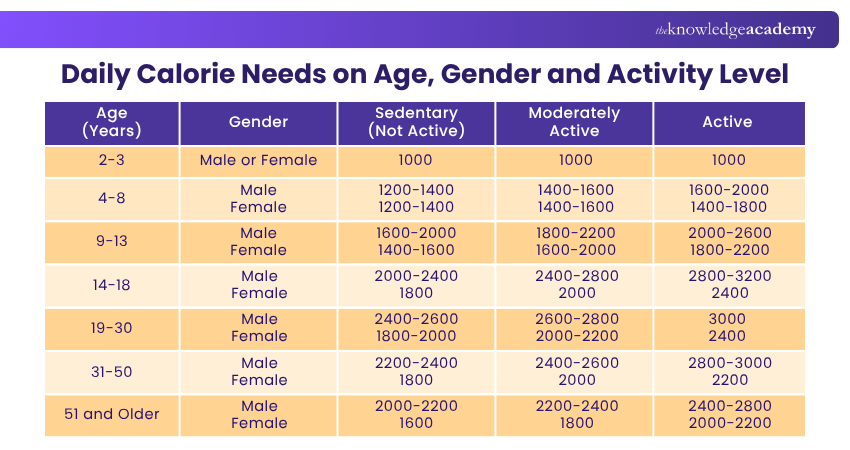
The amount of calories you require every day depends on various factors, like your age, gender, and how active you are. Read the following to know more:
1) Females
a) Women normally need 1,600–2,400 calories a day
b) Active women need more calories
c) Less active women need fewer calories
d) Age and lifestyle have a role in deciding calorie needs
2) Males
a) Men usually consume 2,200–3,000 calories daily
b) Active men consume more calories
c) Less active men consume fewer calories
d) Age and body size are also influences on calorie needs
3) Children
a) Young children need 1,000–1,400 calories
b) Teenagers need 1,400–2,400 calories
c) Calorie needs increase as children grow
d) Activity levels affect daily calorie needs
4. Teens
a) Teens need more calories because of growth
b) Teenage girls need 1,800–2,200 calories
c) Teenage boys need 2,000–2,400 calories
d) Active teens may require more calories
Transform your health with nutritional expertise with our Nutrition Course – Join now!
Factors Influencing Calorie Needs
Several things can affect how many calories you need each day. Here are the main factors:
1) Gender
a) Men normally need more calories than women
b) Muscle burns need more calories than fat
c) Women need less calories because of less muscle mass
2) Height
a) Taller people need more calories because of their larger body mass
b) More body mass means more energy is required
c) Height affects the amount of energy needed for basic functions
3) Weight
a) Heavier people require more calories to support their body weight
b) A heavier weight means the body uses more energy for basic functions
c) The heavier weight you carry, the more energy your body requires
4) Age
a) Older people burn fewer calories because of a slower metabolism
b) As you age, your calorie needs decrease
c) Younger people generally burn more calories because of a faster metabolism
5) Physical Activity Level
a) Active people need more calories to fuel their activities
b) Exercise and physically demanding jobs increase calorie needs
c) Staying active boosts your body’s energy requirements
Build a Stronger You through Nutrition and Fitness Education with our Nutrition and Fitness Training – Join today!
Tips to Reduce Calorie Intake
Reducing calorie consumption can be a simple and effective way for weight management. Here are some easy tips:
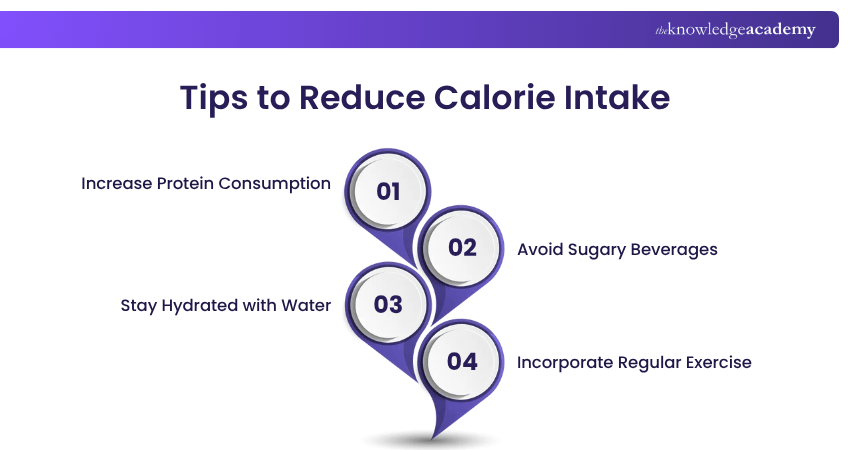
1) Increase Protein Consumption
a) Protein helps you feel full for a long time, reducing hunger
b) Foods like chicken, eggs, beans, and fish are great sources of protein
c) Eating protein reduces the need for high-calorie snacks
2) Avoid Sugary Beverages
a) The sugar-containing drinks like soda and tea add many empty calories
b) Use water, herbal teas, or drinks with no added sugar
c) Avoid sugary drinks to lower overall calorie consumption
3) Stay Hydrated with Water
a) Drinking enough water helps prevent hunger caused by dehydration
b) Water fills you up, making you less likely to overeat
c) Drinking water will help digestion and help manage energy levels
4) Incorporate Regular Exercise
a) Doing exercise helps to burn calories and increase metabolism
b) Every day, physical activity keeps you healthy and helps with weight management
c) Staying active improves overall health and helps manage your weight
How to Track and Count Calories?
Tracking and counting calories helps you understand how much food you're eating and how it affects your body. You can keep track by writing down what you eat in a food journal or using a calorie-tracking app.
1) Use Calorie Tracking Apps
a) Calorie-tracking apps make it simple to log meals and monitor intake
b) Apps give you insights into your calorie intake and nutrition
c) They help you stay mindful of your goals and progress
2) Keep a Food Journal
a) Write down everything you eat to track your calorie intake
b) A food journal helps you identify eating habits and areas for improvement
c) This method helps you become more mindful of what you consume
3) Measure Your Food
a) Use a food scale or measuring cups to ensure proper portion sizes
b) Accurate measurements help prevent overeating and control calorie intake
c) Measuring food helps you stay within your calorie goals
4) Read Food Labels
a) Food labels show how many calories are in a serving
b) Reading labels helps you understand the nutritional value of the food you eat
c) Check serving sizes to avoid eating more calories than you intend
Conclusion
In essence, losing weight isn’t about starving yourself; it’s about eating smarter. Knowing How Many Calories Should I Eat a Day gives you the control to fuel your body and still see results. Stay consistent, listen to your body, and let your goals guide your choices. Small changes really do add up.
Learn how to improve feelings of self-worth by a healthy lifestyle. Join our Healthy Lifestyles Training now!
Frequently Asked Questions
How Do I Calculate My Daily Calorie Percentage?

You can calculate your daily calorie percentage by dividing calories from each nutrient, carbohydrates, proteins, and fats, by your total daily calorie intake, then multiplying by 100. This helps track macronutrient balance and ensures your diet supports health and energy needs.
How Do I Set My Daily Calorie Intake?
Set up your daily calorie consumption based on your Basal Metabolic Rate (BMR), Total Daily Energy Expenditure (TDEE), and your specific goals
a) Calculate your BMR and TDEE
b) Eat fewer calories than TDEE to lose weight
c) Track progress and adjust consumption based on your goal
What are the Other Resources and Offers Provided by The Knowledge Academy?
The Knowledge Academy takes global learning to new heights, offering over 3,000+ online courses across 490+ locations in 190+ countries. This expansive reach ensures accessibility and convenience for learners worldwide.
Alongside our diverse Online Course Catalogue, encompassing 17 major categories, we go the extra mile by providing a plethora of free educational Online Resources like Blogs, eBooks, Interview Questions and Videos. Tailoring learning experiences further, professionals can unlock greater value through a wide range of special discounts, seasonal deals, and Exclusive Offers.
What is The Knowledge Pass, and How Does it Work?
The Knowledge Academy’s Knowledge Pass, a prepaid voucher, adds another layer of flexibility, allowing course bookings over a 12-month period. Join us on a journey where education knows no bounds.
What are the Related Courses and Blogs Provided by The Knowledge Academy?
The Knowledge Academy offers various Healthy Lifestyles Training, including the Active and Healthy Lifestyles Training, Nutrition Course, and the Nutrition and Fitness Training. These courses cater to different skill levels, providing comprehensive insights into Healthy Lifestyle.
Our Health & Safety Blogs cover a range of topics related to Health and Lifestyle, offering valuable resources, best practices, and industry insights. Whether you are a beginner or looking to advance your Health & Safety skills, The Knowledge Academy's diverse courses and informative blogs have got you covered.

Michael Jones


Health and Safety Consultant and Compliance Trainer
Michael Jones is a seasoned health and safety expert with more than 15 years of experience in workplace safety, risk management, and compliance training. He has worked across construction, manufacturing, and corporate sectors, helping organisations meet legal requirements and create safer working environments. Michael’s training and writing are known for being practical, clear, and aligned with UK regulations.
View Detail

Upcoming Health & Safety Resources Batches & Dates
Date
 Active and Healthy Lifestyles Training
Active and Healthy Lifestyles Training
Fri 21st Aug 2026
Active and Healthy Lifestyles Training
Fri 27th Nov 2026

 If you wish to make any changes to your course, please


