


 Top Rated Course

We may not have the course you’re looking for. If you enquire or give us a call on +46 850282424 and speak to our training experts, we may still be able to help with your training requirements.
What is Brand Awareness | Guide
James Smith 27 April 2026Brand Awareness refers to how familiar people are with a Brand, how easily they know it, and how it influences purchasing decisions and loyalty to the Brand. It is a key to marketing, driving trust, loyalty and sales. It explains the importance of Branding, how it works, and the strategies to create and measure it effectively.

Training Outcomes Within Your Budget!
We ensure quality, budget-alignment, and timely delivery by our expert instructors.
Table of Contents
Ever noticed how some brands feel like a natural part of your life like you’ve known them forever? That’s not by accident. It’s the result of strong Brand Awareness. It’s not just about being seen; it’s about being remembered, trusted, and chosen again and again.
Brand Awareness is what turns a business into a brand people care about. When your name remembers in someone’s mind, they are more likely to buy from you, suggest you and come back for more. In this blog, we will explore why branding and awareness matters and share practical, down-to-earth ways to create it for stable success.
Table of Contents
1) What is Brand Awareness?
2) Importance of Brand Awareness
3) How Brand Awareness Works?
4) Brand Awareness Metrics
5) How to Build Brand Awareness?
6) Brand Awareness Strategies
7) Brand Awareness Examples
8) Conclusion
What is Brand Awareness?
Brand Awareness refers to how common and recognisable a Brand is to the people. In simple terms, it is the extent to which people can remember or identify a Brand when they see or hear it. If your Brand is well-known, consumers are more likely to select your products because they confidence your name or logo.
Brand Awareness is an important part of a company’s marketing plan because, without it, customers might not even recognise your Brand exists. The more common people are with your Brand, the more likely they are to become reliable customers in the future.

Importance of Brand Awareness
Brand Awareness have an important role in the progress of a business. When people are familiar of your Brand, it drives to:
a) Trust and Credibility:
Customers are more likely to purchase from Brands they know and trust. Once your Brand becomes familiar, it creates trust, which helps to more sales and customer loyalty.
b) Increased Sales:
A famous Brand has a great chance of attracting customers and expanding sales. People opt to select a Brand they recognise through an unfamiliar one.
c) Competitive Advantage:
A strong Brand is hard for competitors to beat. If your Brand is famous, you have a competitive value in the market, making it easier to stand out from the crowd.
d) Market Expansion:
When your Brand becomes popular, it is easier to develop into new markets. People in different places are more likely to try your products. If they already know about your Brand.
e) Customer Loyalty:
If customers are familiar with your Brand and have a good experience, they are more likely to become reliable customers. This helps to repeat business, which is essential for long-term success.
How Brand Awareness Works?
Brand Awareness works over the power of acceptance. When customers notice your Brand logo, hear your Brand name or come across your advertisement they start to connect your business with qualities or benefits. Eventually, as they come across your Brand more regularly, they start remembering it. It makes it easier for them to select your Brand when they are ready to make a purchase.
Various elements affect how Brand Awareness works, including these:
a) Repetition:
The more frequently your Brand is seen or heard, the more likely it is to remember in people’s minds. Repetition makes familiarity, and familiarity breed's trust.
b) Visibility:
Where and how frequently your Brand is visible to your audience have an important role. If your Brand is advertised in popular media channels or social platforms, it becomes more identifiable to a large audience.
c) Consistency:
Using constant logos, colours, letters and messaging through all marketing channels helps stronger your Brand. Consistency creates a strong image in the minds of customers.
d) Emotional Connection:
Brands that can relate emotionally with their audience are more likely to be remembered. When people sense a strong emotional bond with a Brand, they are more likely to stay with it.
Learn the power of YouTube marketing with our YouTube Marketing Course – Register today!
Brand Awareness Metrics
Here are some of the metrics to consider:
1) Ad Impressions
Ad impressions refer to how many times your Brand’s ad has been displayed to people. This metric helps you know how many people have had the chance to see your Brand using digital or traditional advertisements. The more impressions your ads receive, the higher your Brand Awareness.
2) Web Traffic
Web traffic is a great signal of Brand Awareness. When people are known of your Brand, there are more chances to get visit your website to learn more with your products or services. Monitoring your website traffic can help you evaluate how many people are interested in your Brand.
3) Brand Awareness
This metric directly measures the level of awareness your Brand has. It can be measured through surveys or studies that ask consumers if they recognise or remember your Brand when prompted. A high level of Brand Awareness means that many people are familiar with your Brand.
4) Brand Studies
Brand studies are in-depth research tools that track consumer behaviour and how your Brand is perceived. They sometimes include interviews, surveys and focus groups. Brand studies can help you understand how people feel about your Brand and how it compares to competitors.
5) Market Reach
Market reach refers to the number of people your Brand can possibly reach. This is assessed by how many people are exposed to your Brand, either through advertising, word of mouth or media coverage. A biggest market reach sometimes leads to higher Brand Awareness.
How to Build Brand Awareness?
Building Brand Awareness is not something that happens suddenly. It takes time, consistency, and effort. are some strategies that can help you build your Brand’s recognition:
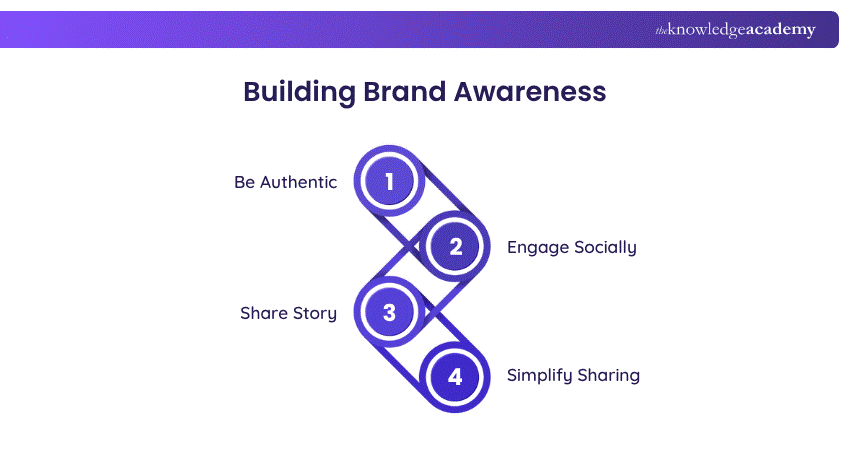
1) Be Authentic
People appreciate Brands that are authentic and transparent. Being genuine and honest in your marketing messages will help you build trust with your audience. Authenticity also makes it easier for people to connect with your Brand on a deeper level.
2) Engage Socially
Social media is one of the most effective tools for building Brand Awareness. By engaging with your audience on platforms like Facebook, Instagram, Twitter, or LinkedIn, you can share your Brand message and interact with potential customers. Social media is a great way to keep your Brand top of mind.
3) Share Story
Telling your Brand’s story humanises your business and makes it more relatable. Whether it’s the history of your company, your mission, or how your products are made, sharing your story can create a deeper connection with your audience. People remember stories more than facts.
4) Simplify Sharing
The easier it is for people to share your Brand’s content, the more likely it is that your message will spread. Make sure your website and social media pages include easy sharing options, such as social media buttons or shareable content like videos or images.
Transform your business with social media with our Social Media Marketing Course – Join today!
Brand Awareness Strategies
Here are some simple and effective ways to boost your brand’s visibility.
1) Guest Blogging
This means writing articles for other popular websites. It helps you reach new readers who might not know about your brand yet. This builds Brand Trust and drives more people to visit your site.
a) Write a blog for a top industry website
b) Share tips on a popular niche blog
c) Write a how-to post on a partner’s site
2) Co-marketing
This is when two brands work together to promote each other. This helps you reach new customers from your partner’s audience. Both brands get more attention and more followers.
a) Team up for a joint social media giveaway
b) Create a shared eBook or guide
c) Host a co-branded webinar or live event
3) Advertise Widely
Advertising on different platforms puts your brand in front of more people. The more they see your brand, the more they will remember it. Spread your ads across many places for the best reach.
a) Run ads on Facebook and Instagram
b) Use local radio or newspaper ads
c) Place banners on popular websites
4) Mascot Branding
A mascot gives your brand a fun and friendly face. People remember mascots because they stand out and make them smile. A great mascot makes your brand easy to recognise.
a) Use a cartoon animal as your mascot
b) Design a fun character for your packaging
c) Feature the mascot in your social posts
5) Symbol Representation
Your logo or symbol is the face of your brand. A simple, clean symbol makes it easier for people to recognise you. Make sure your logo matches your brand’s style and message.
a) Create a bold and clear logo
b) Use your symbol on all marketing materials
c) Add your logo to your social media profiles
6) Catchy Slogan
A short and catchy slogan sticks in people’s minds. It quickly tells them what your brand is about and leaves a strong impression. A good slogan can become part of your brand’s identity.
a) Come up with a playful or inspiring line
b) Use the slogan in ads and on products
c) Add the slogan to your website header
Brand Awareness Examples
Many companies have successfully built Brand Awareness. For example:
Coca-Cola
This is one of the most recognisable Brands in the world. Through consistent advertising, creative campaigns, and sponsorships, Coca-Cola has made its Brand synonymous with happiness and refreshment.
Apple
Apple has created a loyal following of customers who are passionate about its products. Their Branding focuses on simplicity, elegance, and innovation, making the company one of the most iconic Brands in the tech industry.
Nike
Nike’s slogan, “Just Do It”, and its endorsement deals with famous athletes have helped create a powerful Brand that symbolises athletic performance and motivation.
Conclusion
Brand Awareness is essential for businesses that want to be successful. The more people know about your Brand, the more likely they are to trust you and become loyal customers. By using the best plans, monitoring the right metrics, and being persistent with your messaging, you can improve your Brand’s visibility and acceptance. Building Awareness takes time, but with the right efforts, you can make sure your Brand excels in a crowded marketplace.
Learn strategies for Social Media success with our Digital Marketing Course – join today!
Frequently Asked Questions
What are the 4 P's of Branding?

These elements are essential in creating and marketing a Brand effectively:
1) Product
2) Price
3) Place
4) Promotion
What is the Impact of Brand Awareness?
Brand Awareness make impacts on sales, customer loyalty and market position. The more people recognise your Brand, the more likely they are to trust it and make a purchase.
What are the Other Resources and Offers Provided by The Knowledge Academy?
The Knowledge Academy takes global learning to new heights, offering over 3,000+ online courses across 490+ locations in 190+ countries. This expansive reach ensures accessibility and convenience for learners worldwide.
Alongside our diverse Online Course Catalogue, encompassing 17 major categories, we go the extra mile by providing a plethora of free educational Online Resources like Blogs, eBooks, Interview Questions and Videos. Tailoring learning experiences further, professionals can unlock greater value through a wide range of special discounts, seasonal deals, and Exclusive Offers.
What is The Knowledge Pass, and How Does it Work?
The Knowledge Academy’s Knowledge Pass, a prepaid voucher, adds another layer of flexibility, allowing course bookings over a 12-month period. Join us on a journey where education knows no bounds.
What are the Related Courses and Blogs Provided by The Knowledge Academy?
The Knowledge Academy offers various Digital Marketing Courses, including the Business Branding Course, Social Media Marketing Course, and the YouTube Marketing Course. These courses cater to different skill levels, providing comprehensive insights into Word of Mouth Marketing.
Our Digital Marketing Blogs cover a range of topics related to Business Branding, offering valuable resources, best practices, and industry insights. Whether you are a beginner or looking to advance your Digital Marketing skills, The Knowledge Academy's diverse courses and informative blogs have got you covered.

James Smith


Digital Marketing Manager and Trainer
James Smith is a digital marketing professional with over a decade of experience in SEO, content strategy, paid media and analytics. He has supported both SMEs and global brands in transforming their digital presence. James’s writing and training are rooted in results-driven tactics and the latest marketing trends.
View Detail
Upcoming Digital Marketing Resources Batches & Dates
Date
 Business Branding Course
Business Branding Course
Thu 9th Jul 2026
Business Branding Course
Thu 8th Oct 2026

 If you wish to make any changes to your course, please


