


 Top Rated Course

We may not have the course you’re looking for. If you enquire or give us a call on +0800 780004 and speak to our training experts, we may still be able to help with your training requirements.
What is Facilities Management? Explained in Detail
The Knowledge Academy 13 February 2026Facilities management integrates technology, people, and processes to maintain the functionality and safety of physical workspaces. It covers services like maintenance, space planning, compliance, and energy management to optimise efficiency, safety, and sustainability across organisations. Read ahead to know more!

Training Outcomes Within Your Budget!
We ensure quality, budget-alignment, and timely delivery by our expert instructors.
Table of Contents
You’ve probably seen how a busy airport runs like clockwork; clean terminals, smooth operations, perfect climate control. Do you know who is behind it all? That’s Facilities Management. But What is Facilities Management? It’s more than fixing faults; it’s the art of making spaces work effortlessly. From offices to hospitals, it keeps environments safe, efficient, and future-ready. Let’s explore the role that powers every great workplace.
Table of Contents
1) What is Facilities Management?
2) Key Functions of Facilities Management
3) Importance of Faciliites Mangement
4) Types of Facilities Management
5) Future Trends of Facilities Management
6) What Skills are Required for a Facilities Manager?
7) What are the Biggest Challenges in Facilities Management Today?
8) Conclusion
What is Facility Management?
Facilities Management denotes the strategic coordination of buildings, people, and services to ensure spaces remain safe, efficient, and fit for purpose. It covers maintenance, cleaning, security and space planning. This creates environments where employees can work productively and comfortably. By aligning facilities with business goals, it supports both operational success and employee wellbeing.

Key Functions of Facilities Management
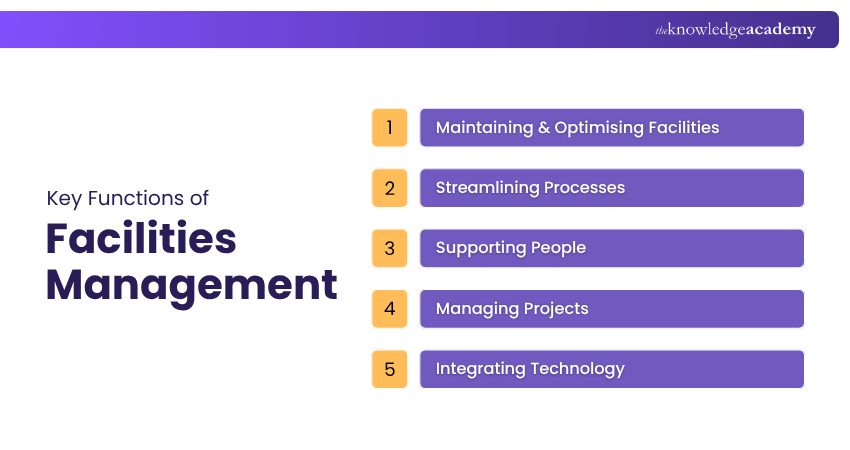
The functions of Facilities Management (FM) cover a wide array of responsibilities dedicated to keeping workplaces efficient, safe, and comfortable. These core functions form the backbone of effective FM practices and ensure that organizations run smoothly.
1) Maintaining & Optimising Facilities
At the heart of FM is the upkeep of physical spaces. This includes routine maintenance, repairs, and ensuring that facilities are clean and safe. Regular inspections and proactive maintenance strategies help in extending the lifespan of assets and in preventing costly breakdowns. Optimising space utilisation also ensures that the work environment meets the evolving needs of the organisation.
2) Streamlining Processes
FM professionals play a crucial role in developing and refining processes that enhance operational efficiency. By establishing clear procedures for maintenance requests, space allocation, and resource management, they help in reducing downtime and improving response times. Streamlined processes contribute to a more organised and productive workplace.
3) Supporting People
A key objective of FM is to create an environment where employees can perform at their best. This involves managing workspace layouts, ensuring accessibility, and providing amenities that enhance comfort and wellbeing. FM also addresses health and safety concerns, ensuring compliance with regulations and fostering a culture of safety.
4) Managing Projects
Facilities managers often oversee projects such as office relocations, refurbishments, and the implementation of new systems. Effective project management ensures that These initiatives reduce energy consumption and contribute to significant cost savings over time. Those aiming to excel in this domain may benefit from exploring Energy Manager Interview Questions. This function requires coordination with various stakeholders and meticulous planning.
5) Integrating Technology
Modern facilities management leverages tools like facility management software to enhance service delivery and improve operational efficiency. This includes the use of Computer-Aided Facilities Management (CAFM) systems for tracking maintenance activities, Internet of Things (IoT) devices for monitoring building systems, and energy management tools to reduce consumption. Integrating technology enables data-driven decision-making and enhances the overall performance of facilities.
Master reliability assurance for complex systems with our Reliability Engineering Training – Register Now!
Importance of Faciliites Mangement
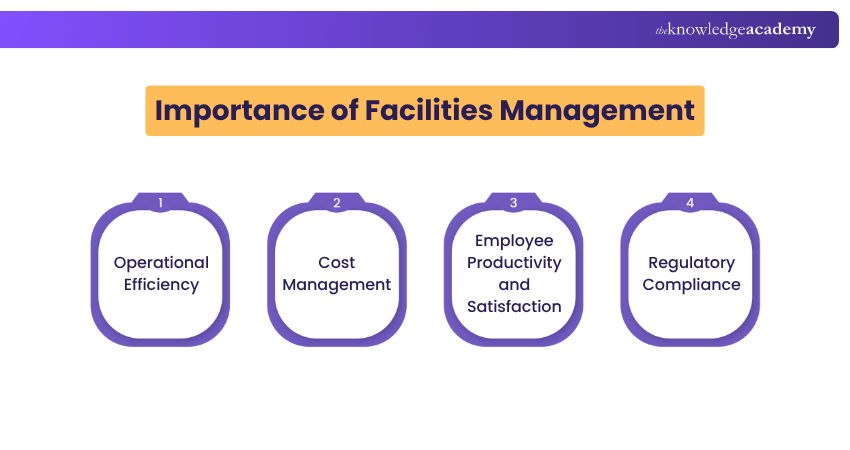
Effective Facilities Management is crucial for the smooth operation of any organisation. It ensures that the physical environment supports the organisation's core activities, contributing to overall success. Key areas where Facilities Management makes a significant impact include:
1) Operational Efficiency
1) Streamlined Processes: Facilities Management ensures that building systems and services operate seamlessly, reducing downtime and enhancing productivity.
2) Optimised Resource Use: By effectively managing space and resources, organisations can achieve better workflow and service delivery.
2) Cost Management
1) Preventive Maintenance: Regular upkeep of equipment and infrastructure prevents costly emergency repairs and extends asset lifespan.
2) Energy Efficiency: Implementing energy-saving measures reduces utility expenses and supports sustainability goals.
3) Employee Productivity and Satisfaction
1) Comfortable Work Environment: A well-maintained and safe workplace boosts employee morale and productivity.
2) Support Services: Efficient management of services like cleaning, security, and catering contributes to employee satisfaction.
4) Regulatory Compliance
1) Health and Safety Standards: Facilities Management ensures adherence to legal requirements, safeguarding employee wellbeing.
2) Risk Mitigation: Proper compliance reduces the risk of legal penalties and protects the organisation's reputation.
Learn essential skills and strategies with our Product Management Training - Join Now!
Types of Facilities Management
Facilities Management (FM) encompasses a diverse range of services essential for the smooth operation of any organisation. These services are typically categorised into Hard Facilities Management, Soft Facilities Management, and Other Areas, each playing a vital role in maintaining and enhancing the workplace environment.

1) Hard Facilities Management
Hard FM refers to services directly related to the physical structure and systems of a building. These are integral to the building's operations and are often mandated by law for health and safety compliance.
1) Asset Management and Life Cycle Planning: This involves overseeing the maintenance and longevity of physical assets such as Heating, Ventilation, and Air Conditioning (HVAC) systems, plumbing, and electrical installations. Effective asset management ensures optimal performance and cost-efficiency throughout the asset's life span.
2) Project and Move Management: Facilitating office relocations, refurbishments, or expansions requires meticulous planning and execution. This function ensures minimal disruption to daily operations during such transitions.
3) Technology and Smart Office Planning: Integrating advanced technologies like IoT devices and Building Management Systems (BMS) enhances operational efficiency and creates a more responsive and adaptable workplace.
2) Soft Facilities Management
Soft FM focuses on services that enhance the comfort, security, and wellbeing of employees within the workplace. While not directly tied to the building's physical infrastructure, these services are crucial for a productive work environment.
1) Emergency Preparedness and Continuity: Developing and implementing plans for emergencies, such as fire drills or disaster recovery strategies, ensures the safety of employees and the continuity of business operations.
2) Space Utilisation and Floor Planning: Efficiently organising workspace layouts to accommodate changing business needs, promoting collaboration, and optimise the use of available space.
3) Other Areas
Beyond the traditional hard and soft services, Facilities Management also encompasses areas that support broader organisational objectives.
1) Interdepartmental Communication: Facilitating effective communication between departments to ensure cohesive operations and address facility-related concerns promptly.
2) Real Estate and Property Management: Managing property portfolios, including lease negotiations, property acquisitions, and ensuring compliance with real estate regulations, aligns facility operations with the organisation's strategic goals.
Boost your supply chain skills with our Logistics Management Training – Start Today!
Future Trends of Facilities Management
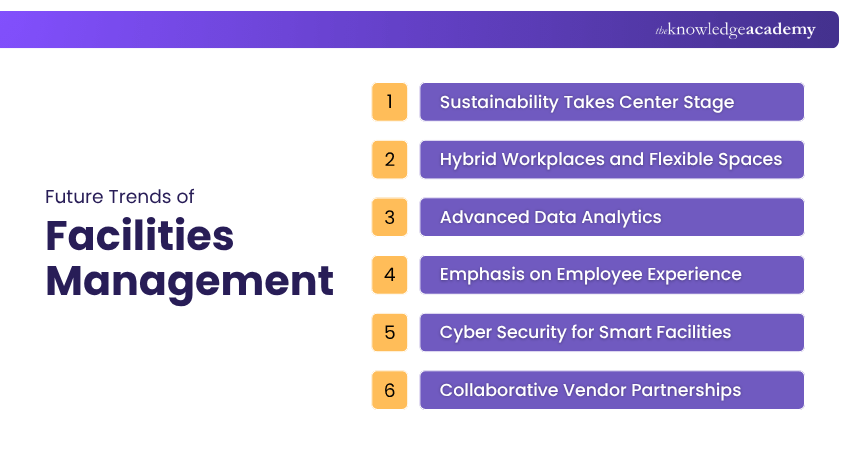
As we move further, Facilities Management (FM) continues to evolve, embracing innovations that enhance operational efficiency, sustainability, and employee well-being. Here are the key trends shaping the future of FM:
1) Sustainability Takes Center Stage
Facilities Management is driving eco-friendly initiatives by focusing on energy efficiency, waste reduction, and sustainable building practices. Organisations are prioritising green certifications to meet environmental goals and reduce operational impact.
2) Hybrid Workplaces and Flexible Spaces
With hybrid models becoming the norm, Facilities Management ensures adaptable layouts, collaborative zones, and safe environments that support both remote and in-office staff while optimising space and resource usage.
3) Advanced Data Analytics
Data analytics helps FM teams track usage, monitor performance, and anticipate maintenance needs. Smart insights from real-time data allow better planning, improved efficiency, and proactive decision-making across facilities.
4) Emphasis on Employee Experience
Facilities Management now focuses on wellness features like ergonomic design, quiet zones, and healthy amenities. Creating positive, comfortable environments enhances employee satisfaction, productivity, and talent retention in modern workplaces.
5) Cyber Security for Smart Facilities
As smart systems grow, protecting facility tech from cyber threats is vital. FM professionals are implementing security protocols to safeguard IoT devices, data privacy, and the integrity of building systems.
6) Collaborative Vendor Partnerships
Strong vendor relationships are key to smooth operations. Facilities Management now focuses on long-term, collaborative partnerships that drive innovation, enhance service delivery, and ensure flexibility in a fast-changing workplace landscape.
What Skills are Required for a Facilities Manager?
1) Strong organisational and planning abilities
2) Knowledge of building systems and compliance
3) Budgeting and cost control
4) Communication and leadership skills
5) Problem-solving and decision-making
6) Proficiency with FM software and technology
7) Attention to detail and adaptability
What are the Biggest Challenges in Facilities Management Today?
Balancing cost efficiency, sustainability goals, and evolving workplace models like hybrid work, while managing ageing infrastructure, vendor coordination, and rising cybersecurity risks remains a major challenge for facilities managers today.
Conclusion
From buzzing offices to spotless hospitals, well-run spaces don’t happen by chance; they are carefully managed. It’s this everyday orchestration that keeps people safe, productive, and comfortable. That’s where the magic of What is Facilities Management truly shines; quietly transforming spaces into places that work.
Master global trade essentials with our Import Export Course – Register Today!
Frequently Asked Questions
What is Smart Facilities Management?

Smart Facilities Management uses digital technologies like IoT, automation, and data analytics to monitor, manage, and optimise building operations, improving efficiency, reducing costs, and enhancing the occupant experience in real time.
What are the Four Elements of Facilities Management?
The four pillars of Facility Management are technology, people, processes and building.
What are the Other Resources and Offers provided by The Knowledge Academy?
The Knowledge Academy takes global learning to new heights, offering over 3,000+ online courses across 490+ locations in 190+ countries. This expansive reach ensures accessibility and convenience for learners worldwide.
Alongside our diverse Online Course Catalogue, encompassing 19 major categories, we go the extra mile by providing a plethora of free educational Online Resources like Blogs, eBooks, Interview Questions and Videos. Tailoring learning experiences further, professionals can unlock greater value through a wide range of special discounts, seasonal deals, and Exclusive Offers.
What is The Knowledge Pass, and How Does it Work?
The Knowledge Academy’s Knowledge Pass, a prepaid voucher, adds another layer of flexibility, allowing course bookings over a 12-month period. Join us on a journey where education knows no bounds.
What are the Related Courses and Blogs Provided by The Knowledge Academy?
The Knowledge Academy offers various Industry Training, including Leadership Course, NLP Training and the CeMAP Course. These courses cater to different skill levels, providing comprehensive insights into Functions of Facilities Management and Their Importance.
Our Business Skills Blogs cover a range of topics related to Facility Management, offering valuable resources, best practices, and industry insights. Whether you are a beginner or looking to advance your knowledge of Facilites Management, The Knowledge Academy's diverse courses and informative blogs have got you covered.

The Knowledge Academy


Global Training Provider
The Knowledge Academy is a world-leading provider of professional training courses, offering globally recognised qualifications across a wide range of subjects. With expert trainers, up-to-date course material, and flexible learning options, we aim to empower professionals and organisations to achieve their goals through continuous learning.

Upcoming Business Skills Resources Batches & Dates
Date
 Facilities Management Training
Facilities Management Training
Fri 28th Aug 2026
Facilities Management Training
Fri 20th Nov 2026

 If you wish to make any changes to your course, please


