


 Top Rated Course

We may not have the course you’re looking for. If you enquire or give us a call on +40 316317743 and speak to our training experts, we may still be able to help with your training requirements.
How to Become an Art director? A Detailed Guide
Benjamin Walker 05 February 2026Curious about How to Become an Art Director? As a creative leader, you’ll oversee visual projects from concept to completion. This blog explores the key skills, educational pathways, and essential steps to help you build a successful career in art direction, including portfolio tips, industry trends, and networking advice.

Training Outcomes Within Your Budget!
We ensure quality, budget-alignment, and timely delivery by our expert instructors.
Table of Contents
Becoming an Art Director is more than just having a sharp creative eye; it’s about blending art, strategy, and leadership to bring visual concepts to life. So, How to Become an Art Director? This role involves guiding the design and visual elements of various projects, from films and advertising campaigns to product packaging and magazines.
If you’re eager to turn creative visions into reality, it’s time to explore the exciting world of art direction. In this blog, How to Become an Art Director? We’ll outline the steps you need to take, covering the essential educational qualifications, the importance of experience, and the key responsibilities that come with this dynamic role.
Table of Contents
1) Who is an Art Director?
2) Importance of an Art Director
3) How to Become an Art Director?
4) Roles and Responsibilities of an Art Director
5) Conclusion
Who is an Art Director?
An Art Director is responsible for creating sets, supervising artists and construction workers, and contributing to the visual appearance of a film production. They report to the Production Designer.
During preproduction, an Art Director serves as a connection between the Production Designer and the construction crew. At the start of filming, they go to the set and update the Production Designer on the progress of bringing the visual concept to life, much like the collaborative spirit celebrated on World Art Day.

Importance of an Art Director
An Art Director plays a crucial role in the visual aspects of various creative projects, such as advertising, film, television, publishing, and video games. Here are some key reasons why an Art Director is important:
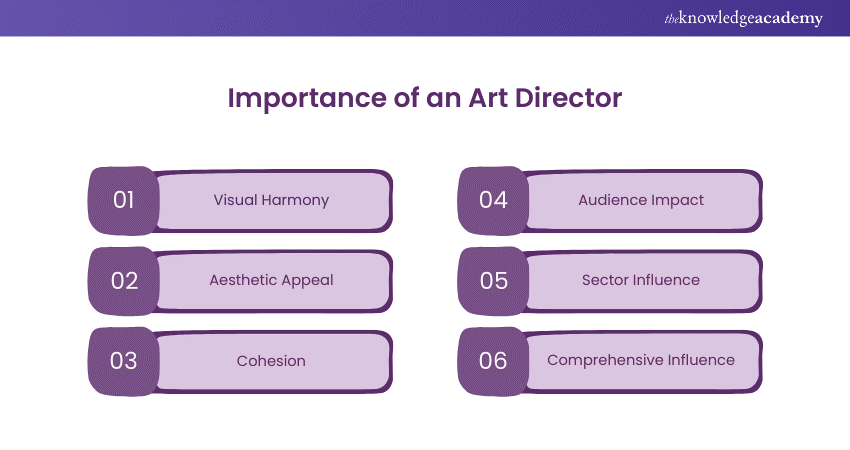
a) Visual Harmony: Art Directors ensure that all visual components align with the main idea and plan of a project.
b) Aesthetic Appeal: They make sure the final output is visually appealing and effectively communicates the intended message.
c) Cohesion: Without their guidance, projects could lack unity and end up with visuals that are not cohesive or connected.
d) Audience Impact: Their vision significantly influences how the audience views and interacts with the end result.
e) Sector Influence: Art Directors play a crucial role in the marketing, advertising, and entertainment sectors.
f) Comprehensive Influence: Their impact can be seen in every aspect of visual communication, from branding to storytelling.
Learn professional shooting and editing techniques with our Photography CourseSign up now!
How to Become an Art Director?
Becoming an art director is an exciting career path that combines creativity with leadership. Here are the steps you can take to pursue this role:
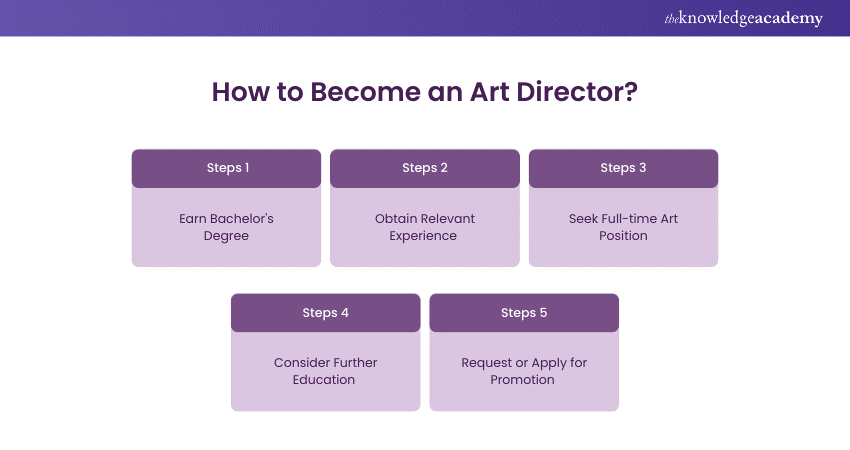
Steps: 1 Earn Bachelor's Degree
Many Art Directors need to have at least a Bachelor’s degree in a related area. Go to College and obtain a degree in art or design or any field that has to do with graphics. This will help you gain the important basic things that you need to start with.
Search for those colleges that can provide courses in graphic design, visual arts, graphic design and multimedia. Engage in class projects and create a portfolio of quality works. This is your first step towards becoming an Art Director.
Steps: 2 Obtain Relevant Experience
After college, work on different projects to gain experience. You can do internships, freelance work, or volunteer for art-related tasks. This helps you learn how to apply your skills in real-world situations. Try to work on a variety of projects to build a diverse portfolio. Experience is crucial for understanding the industry and improving your skills.
Steps: 3 Seek Full-time Art Position
Find a first full-time art job, it is necessary to manage the portfolio and choose only the artwork which demonstrates your individuality and a multiplicity of directions. Take advantage of your network by contacting other people from the industry you are interested in to provide help, especially regarding job vacancies.
Bear with it, that first job may not come easy, but keep visiting the job site and art exhibitions, and look out for junior positions that can be a steppingstone to another level of attaining the Art Director position.
Steps: 4 Consider Further Education
Think about taking more courses or even getting a higher degree. This could be in specialised areas like digital design, marketing, or management. Continuing education helps you stay updated with the latest trends and technologies. It also shows your commitment to your career. Advanced knowledge can make you more competitive in the job market.
Steps: 5 Request or Apply for Promotion
Once you have enough experience, ask for a promotion or apply for higher positions. Show your work and explain why you’re ready for more responsibility. Look for opportunities to lead projects or teams. Being proactive about your career growth is important. Eventually, you can become an Art Director by demonstrating your skills and leadership.
Master audio mixing techniques with our Music Production Course – Sign up now!
Roles and Responsibilities of an Art Director
The roles and responsibilities of an Art Director can be divided into two main categories: Preproduction and Production. Let’s discuss these in detail.
Roles and Responsibilities During Preproduction
a) Concept Development: They create and plan the visual ideas for the project. This involves brainstorming and sketching out initial designs.
b) Team Coordination: They work with designers and artists to organise the visual elements. An Art Director ensures everyone understands the vision and tasks.
c) Budget Planning: They estimate costs and plan the budgetfor the visual parts of the project. Make sure the project stays within financial limits.
Roles and Responsibilities During Production
a) Set Supervision: They oversee the setup and creation of visual elements on set. Art Directors make sure everything is built and arranged according to the plan.
b) Quality Control: Art Directors make sure all visual components meet the project’s standards. They check for consistency and make adjustments as needed.
c) Problem-solving: Art Directors fix any issues that come up during production to keep things on track. They quickly address any problems to avoid delays.
Learn about digital video technology with our Filmmaking Course – Join today!
Conclusion
Starting a career as an Art Director is a journey that mixes creativity, experience, and leadership. It’s a great job for those who love visual communication and working with a team. By following the steps mentioned in this blog on How to Become an Art Director, you can set yourself up for success. Being an Art Director isn’t just about knowing design; it’s about leading a creative vision from start to finish.
Unlock creativity with our Design Thinking Course! Master problem-solving techniques to innovate and drive success. Register Today!
Frequently Asked Questions
What Challenges Do Art Directors Face?

Art Directors face challenges like meeting tight deadlines, managing client expectations, and staying updated with trends. They also need to work within budgets, lead diverse teams, balance creativity with business goals, and handle constructive feedback.
What is the Process of an Art Director?
An Art Director’s process involves planning and designing the visual elements of a project. They work with a team to bring creative ideas to life, ensuring everything meets the project’s goals.
What are the Other Resources and Offers Provided by The Knowledge Academy?
The Knowledge Academy takes global learning to new heights, offering over 3,000+ online courses across 490+ locations in 190+ countries. This expansive reach ensures accessibility and convenience for learners worldwide.
Alongside our diverse Online Course Catalogue, encompassing 19 major categories, we go the extra mile by providing a plethora of free educational Online Resources like Blogs, eBooks, Interview Questions and Videos. Tailoring learning experiences further, professionals can unlock greater value through a wide range of special discounts, seasonal deals, and Exclusive Offers.
What is The Knowledge Pass, and How Does it Work?
The Knowledge Academy’s Knowledge Pass, a prepaid voucher, adds another layer of flexibility, allowing course bookings over a 12-month period. Join us on a journey where education knows no bounds.
What are the Related Courses and Blogs Provided by The Knowledge Academy?
The Knowledge Academy offers various Hobbies & Interests Courses, including the Filmmaking Course, Music Production Course and Photography Course. These courses cater to different skill levels, providing comprehensive insights into Design Thinking.
Our Business Skills Blogs cover a range of topics related to Hobbies & Interests, offering valuable resources, best practices, and industry insights. Whether you are a beginner or looking to advance your Filmmaking skills, The Knowledge Academy's diverse courses and informative blogs have got you covered.

Benjamin Walker


Leadership Development Coach and Management Consultant
Benjamin Walker is a leadership coach and business consultant with over 18 years of experience in guiding organisations through strategic growth and transformation. He specialises in developing leadership capabilities at all levels, from emerging managers to executive teams. Benjamin’s work focuses on practical leadership, team dynamics, and performance management.
View Detail
Upcoming Business Skills Resources Batches & Dates
Date
 Design Thinking Course
Design Thinking Course
Fri 27th Mar 2026
Design Thinking Course
Fri 1st May 2026
Design Thinking Course
Fri 24th Jul 2026
Design Thinking Course
Fri 16th Oct 2026

 If you wish to make any changes to your course, please


