


 Top Rated Course

We may not have the course you’re looking for. If you enquire or give us a call on +64 98874342 and speak to our training experts, we may still be able to help with your training requirements.
What is Stakeholder Analysis? Process, Benefits & Tools
Grace Mitchell 25 February 2026Stakeholder Analysis is the process of identifying, assessing and prioritising individuals or groups who have an interest in a project. It helps Project Managers understand stakeholder expectations and influence. This supports clear communication, better risk control and informed decisions for project success and stakeholder satisfaction.

Training Outcomes Within Your Budget!
We ensure quality, budget-alignment, and timely delivery by our expert instructors.
Table of Contents
Let’s be honest, no project ever succeeded just because the plan looked great on paper. It’s the people involved who either make it happen or bring it to a halt. That’s why studying What is Stakeholder Analysis becomes your secret advantage. It’s not about ticking boxes but knowing who really matters, what they care about, and how to get them on your side.
From sceptical executives to supportive teammates, understanding the players around you is key to steering your project to success. This blog walks you through how to map, manage, and engage your stakeholders in a way that’s smart, strategic, and yes human. Let’s get into it.
Table of Contents
1) Who is a Stakeholder?
2) What is Stakeholder Analysis?
3) What is the Purpose of a Stakeholder Analysis?
4) Main Benefits of Stakeholder Analysis
5) How do you Conduct a Stakeholder Analysis?
6) Stakeholder Analysis Tools
7) Conclusion
Who is a Stakeholder?
A stakeholder is any individual, group, or organisation that has an interest in, is affected by, or can affect the outcome of a project, business, or decision. They influence or are influenced by the organisation's objectives, operations, or policies. In Project Management, identifying and managing stakeholders is vital to ensure alignment, avoiding conflicts, and achieving success.
Types of Stakeholders:
1) Primary Stakeholders: Directly affected customers, employees
2) Secondary Stakeholders: Indirectly affected like media, competitors
3) Key Stakeholders: High influence or interest like investors, board members
What is Stakeholder Analysis?
Stakeholder Analysis is a strategic process used in Project Management to identify all individuals, groups, or organisations. They have an interest in or are affected by a project, initiative, or decision. It involves assessing each stakeholder’s level of influence, interest, and potential impact, either positive or negative on the project’s success.
Key Features include:
1) Identifies key stakeholders like customers, employees, investors, and regulators
2) Helps prioritise communication based on influence and interest
3) Reduces project risks by addressing concerns early
4) Builds support and trust through early engagement
5) Improves collaboration and aligns expectations
6) Enhances project success in change or large-scale initiatives
What is the Purpose of a Stakeholder Analysis?
The main purpose of Stakeholder Analysis is that all voices are heard, conflicts are minimised, and strategic alignment is achieved.

Gain Strategic Support from Key Influencers
One of the most valuable reasons to conduct a Stakeholder Analysis is to identify and engage with influential individuals or groups. Here are some of the key pointers:
1) Identifies individuals or groups with a high influence over the project’s outcome (e.g., executives, managers, board members).
2) It helps you approach these key players early to gain their trust, support, and insights.
3) Secures access to crucial resources, decision-making power, and cross-departmental collaboration.
4) Build credibility for your project by showing alignment with organisational priorities.
5) Encourages long-term commitment from influential stakeholders through early engagement.
Establish Clear Expectations and Unified Objectives
A project often involves multiple parties with differing perspectives, interests, and priorities. Some of the main objectives are:
1) Clarifies who the stakeholders are, what roles they play, and how they impact the project.
2) Aligns all parties like internal teams, external partners, and end users on the project's goals and vision.
3) Prevents misunderstandings by defining clear deliverables, timelines, and responsibilities.
4) Build trust and cooperation through transparent communication from the outset.
5) Reduces friction during execution by ensuring everyone is working toward the same objectives.
Anticipate and Resolve Issues Before They Escalate
Every project encounters roadblocks, but many of them can be minimised or even avoided through thoughtful Stakeholder Analysis.
1) Highlights potential areas of conflict, resistance, or competing interests in advance.
2) Allows proactive planning for stakeholder concerns or opposition.
3) Helps create targeted communication strategies and conflict resolution plans.
4) Minimises the risk of delays, miscommunication, or scope creep due to stakeholder disagreements.
5) Supports a smoother project lifecycle by preventing problems rather than reacting to them.
Want to know how Stakeholders can drive your project’s success? Sign up for our Creating Effective Stakeholder Engagement Course now!
Main Benefits of Stakeholder Analysis
Stakeholder Analysis is a strategic foundation for successful project execution. Here's a detailed look at its core benefits:
Improved Decision-making
One of the major benefits is better, faster choices by involving the right people at the right time.
1) This analysis helps identify who should be involved in key decisions. It ensures that no critical voices are missed.
2) By understanding stakeholder priorities, concerns, and influence, Project Managers can make better-informed choices. It can reflect real-world needs and expectations.
3) This approach minimises impulsive or isolated decisions that might cause resistance or delays later in the project lifecycle.
4) It also clarifies who holds decision-making authority reduces confusion and streamlining the approval process.
If you want to enhance your skillset as a Project Manager, register for our Project Management Course now!
Enhanced Communication and Engagement
It is known for strengthening trust and collaboration through clear, customised communication.
1) Different stakeholders have different information needs, communication preferences, and involvement expectations.
2) A thorough analysis allows teams to craft tailored communication strategies. For example, concise updates for senior management, detailed briefings for technical teams, and regular feedback.
3) This ensures each stakeholder feels acknowledged and informed. It enhances transparency and builds lasting trust.
4) Active engagement encourages collaboration and reduces the risk of stakeholder disengagement or withdrawal of support for the mid-project.
Conflict Prevention and Risk Reduction
1) They often come up with competing interests or overlapping responsibilities, which can lead to conflict if not addressed early.
2) Stakeholder Analysis surfaces these potential issues before they escalate. It allows project teams to prepare mitigation strategies in advance.
3) By understanding their motivations and concerns, managers can resolve tensions through diplomacy, compromise, or realignment of roles.
4) It also helps identify individuals or groups who may pose risks to the project so their concerns can be managed proactively.
Increased Stakeholder Buy-in and Support
1) Stakeholders are more likely to support projects they feel involved in and connected to.
2) Early engagement through Stakeholder Analysis fosters a sense of ownership. It is crucial for long-term support and advocacy.
3) This buy-in is especially important during times of change, challenges, or pushback. Committed stakeholders can become allies who champion the project.
4) It also helps mitigate passive resistance, as engaged stakeholders are more likely to cooperate and less likely to obstruct progress.
Clearer Resource Allocation
Reveals who controls the answer to what and ensures efficient use of time and resources.
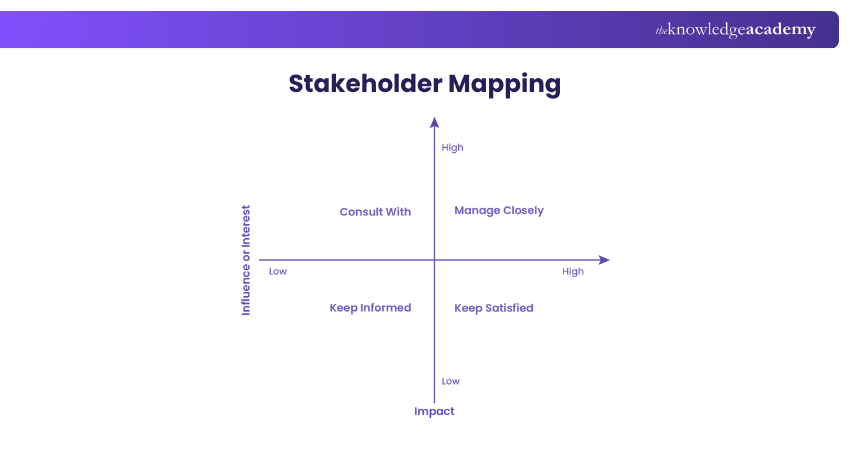
1) Stakeholder mapping reveals who controls or influences access to critical resources, whether it’s budget, staff, infrastructure, or information.
2) Understanding this allows project leaders to allocate resources more strategically, focusing on efforts where they will have the greatest impact.
3) It also helps prioritise stakeholder needs and expectations based on their influence on project outcomes.
4) By anticipating who will demand time, attention, or funding, teams can better manage workloads and avoid resource strain.
Greater Project Success and Long-term Sustainability
It aligns stakeholder expectations with project goals for lasting impact.
1) Projects that align with stakeholder expectations are more likely to gain lasting approval and support.
2) This analysis helps ensure that goals, deliverables, and impacts are relevant and acceptable to all key parties.
3) When stakeholders feel valued and included from the start, they are more likely to support the project’s implementation, adoption, and ongoing maintenance.
4) This contributes to the project’s sustainability and ensures that it delivers value not just at launch but over time.
How do you Conduct a Stakeholder Analysis?
There are effective ways to help Project Managers and organisations identify, prioritise, and manage individuals or groups. Here are some of them explained:

1) Identify Stakeholders
What to Do: List everyone who can affect or be affected by your project.
Example: In a hospital IT upgrade project, stakeholders include doctors, nurses, patients, IT staff, Hospital Management, and the software vendor.
Tip: Use brainstorming sessions, stakeholder mapping templates, or org charts to ensure no one is missed.
Join our Project Management Office Green Belt Course now and gain a comprehensive understanding of managing Stakeholders!
2) Categorise Stakeholders
What to Do: Group stakeholders by type (internal/external) and role (e.g. sponsor, user, influencer).
Example: Doctors = internal, end-users; Hospital board = internal, sponsors; Vendor = external, partner.
Tip: Use colour-coding or tagging to quickly visualise stakeholder types in your list or matrix.
3) Assess Power and Interest
What to Do: Evaluate each stakeholder’s level of influence and interest in the project.
Example: Hospital board = high power, high interest; Patients = low power, high interest.
Tip: Use a Power/Interest Grid to visually place stakeholders into four categories: Manage Closely, Keep Satisfied, Keep Informed, and Monitor.
4) Understand Expectations and Concerns
What to Do: Discover what each stakeholder wants, fears, or expects from the project.
Example: Doctors may want fast, intuitive systems; patients may be concerned about data privacy.
Tip: Conduct short interviews, surveys, or informal chats to gather insights effectively.
5) Engage and Communicate
What to Do: Develop a tailored engagement and communication plan.
Example: Weekly email updates for executives, hands-on training for doctors, posters in patient waiting areas.
Tip: Match the message and channel to each stakeholder group; don’t overload busy stakeholders with too much detail.
6) Monitor and Review Regularly
What to Do: Update your stakeholder map and engagement plans as roles, interests, or attitudes change.
Example: A patient advocacy group joins mid-project, update your plan to include them.
Tip: Set regular check-ins like major milestones to reassess and refine your stakeholder strategy.
Arm yourself with leadership skills with our Jira Training – Be the hero your team deserves!
Stakeholder Analysis Tools
These tools help you systematically identify, evaluate, and manage stakeholder relationships to ensure smooth project execution and strategic alignment.
1) Mendelow’s Matrix
A 2x2 matrix is used to categorise stakeholders based on their level of power (influence over decisions) and interest (concern with outcomes).

How to Use: Plot stakeholders in one of four quadrants:
a) High Power, High Interest: Manage Closely
b) High Power, Low Interest: Keep Satisfied
c) Low Power, High Interest: Keep Informed
d) Low Power, Low Interest: Monitor Only
When to Use: At the early stages of planning to prioritise stakeholder engagement strategies.
Become the Project Powerhouse Everyone Trusts with our Running Small Projects Training – Join now!
2) Stakeholder Mapping Matrix
A visual chart that plots stakeholders based on multiple factors like influence, impact, attitude, and proximity to the project.

How to Use: Add custom axes or dimensions (e.g., Support vs. Influence) to map each stakeholder’s position. This gives a fuller view beyond just power and interest.
When to Use: When working with a large or complex stakeholder network with varying attitudes and degrees of involvement.
3) Responsibility Assignment (RACI) Matrix
A chart that outlines who is Responsible, Accountable, Consulted, and Informed for specific project tasks or decisions.
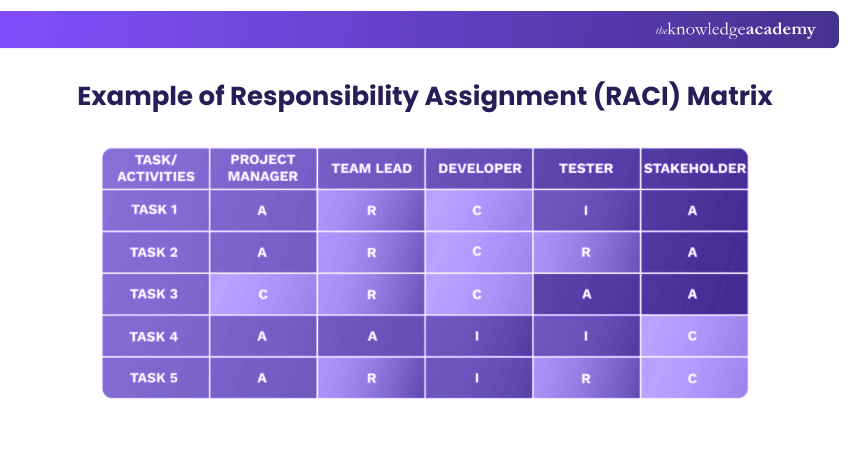
How to Use: List tasks vertically and stakeholders horizontally. Assign each stakeholder one or more of the RACI roles for every activity.
When to Use:
For clarifying roles, reducing confusion, and ensuring accountability in stakeholder-related tasks.
4) Stakeholder Engagement Assessment Matrix
It is a tool used to compare stakeholder’s current level of engagement to their desired level, such as:
a) Unaware
b) Resistant
c) Neutral
d) Supportive
e) Leading
How to Use: Map each stakeholder’s current and target engagement level to identify where influence or communication efforts are needed.

When to Use: To develop targeted communication and involvement strategies during project planning and monitoring.
Push the Right Buttons. Lead with Precision. Learn Confluence Training today!
6) Force Field Analysis
This tool is a diagram that visualises driving forces (supporting the project) vs restraining forces (opposing it).
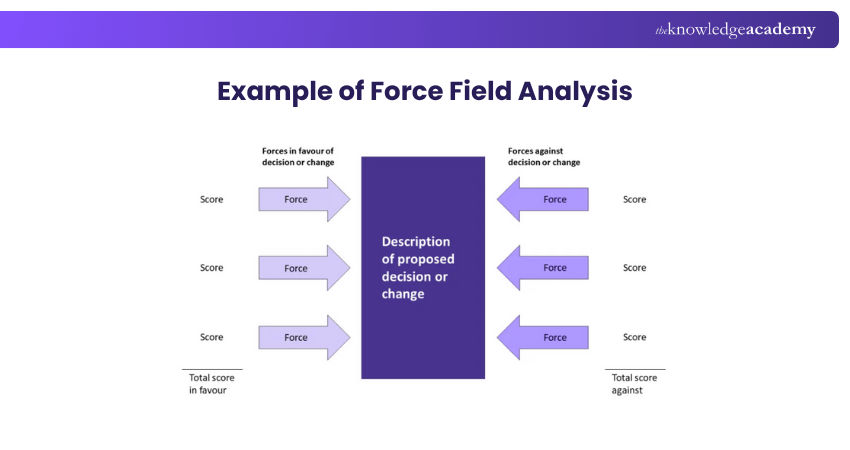
How to Use: List positive and negative stakeholder forces and evaluate their strength. Develop strategies to strengthen support and reduce resistance.
When to Use: During stakeholder planning for projects involving change, reform, or cultural shifts.
7) Stakeholder Register (Tracker Sheet)
A living document or spreadsheet that captures stakeholder details including name, role, contact info, influence level, interest level, expectations, and engagement notes.
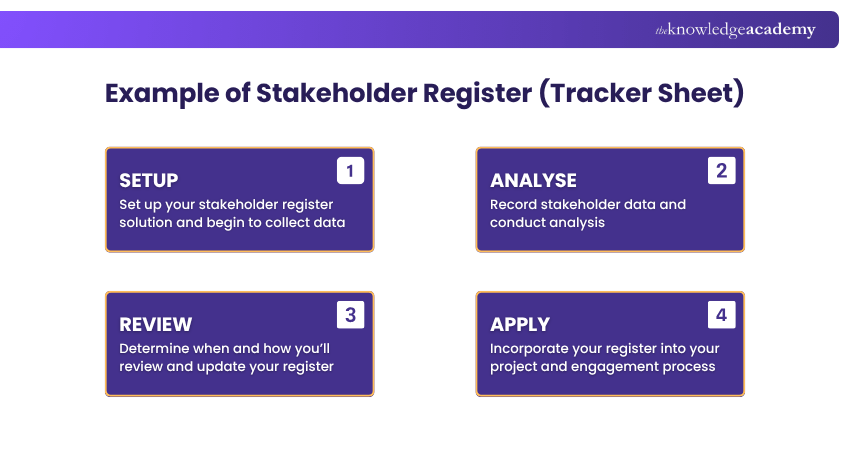
How to Use: Maintain and update this throughout the project lifecycle. It serves as your central stakeholder database.
When to Use: Across all project phases from initiation to closure for consistent tracking and Relationship Management.
Conclusion
Every project involves people, some who support it, some who question it, and some who just want to know what’s going on. Understanding What is Stakeholder Analysis helps you understand who these people are, what they need, and how to keep them in the loop. It’s like building a map of everyone connected to your project so you can work smarter, avoid misunderstandings, and keep things on track.
Get familiar with the financial sustainability of an infrastructure project by joining our Project and Infrastructure Financing Training now!
Frequently Asked Questions
What is Stakeholder Analysis CIPD?

Stakeholder Analysis, as defined by CIPD, is the process of identifying key individuals or groups who have an interest in an organisation or project. It helps HR and managers understand stakeholder influence, align interests, and develop strategies for engagement and communication.
Why Would a Manager Perform a Stakeholder Analysis?
A manager uses Stakeholder Analysis to understand who affects or is affected by a project. It helps identify supporters, potential blockers, and key decision-makers. It also allows the manager to plan communication, build trust, and ensure smoother project execution.
What are the Other Resources and Offers Provided by The Knowledge Academy?
The Knowledge Academy takes global learning to new heights, offering over 3,000+ online courses across 490+ locations in 190+ countries. This expansive reach ensures accessibility and convenience for learners worldwide.
Alongside our diverse Online Course Catalogue, encompassing 17 major categories, we go the extra mile by providing a plethora of free educational Online Resources like Blogs, eBooks, Interview Questions and Videos. Tailoring learning experiences further, professionals can unlock greater value through a wide range of special discounts, seasonal deals, and Exclusive Offers.
What is The Knowledge Pass, and How Does it Work?
The Knowledge Academy’s Knowledge Pass, a prepaid voucher, adds another layer of flexibility, allowing course bookings over a 12-month period. Join us on a journey where education knows no bounds.
What are the Related Courses and Blogs Provided by The Knowledge Academy?
The Knowledge Academy offers various Project Management Courses, including Certified Digital Services Project Manager Course, Certified Global Project Manager Training, and Project Management Office Fundamentals Certification Course. These courses cater to different skill levels, providing comprehensive insights into Project Management.
Our Project Management Blogs cover a range of topics related to PRINCE2, offering valuable resources, best practices, and industry insights. Whether you are a beginner or looking to advance your Project Management skills, The Knowledge Academy's diverse courses and informative blogs have you covered.

Grace Mitchell


Senior Project Management Consultant and Author
Grace Mitchell is a highly experienced project management professional with over 15 years of expertise in leading large-scale projects across industries, including construction, IT, and finance. With qualifications in PRINCE2®, PMP®, AgilePM®, and MSP®, Grace specialises in delivering complex programmes with precision and clarity. Her writing is grounded in real-world application and focuses on helping learners build confidence in project delivery and stakeholder management.
View Detail
Upcoming Project Management Resources Batches & Dates
Date
 Introduction to Project Management Course
Introduction to Project Management Course
Fri 10th Jul 2026
Introduction to Project Management Course
Fri 9th Oct 2026

 If you wish to make any changes to your course, please


