


 Top Rated Course

We may not have the course you’re looking for. If you enquire or give us a call on +64 98874342 and speak to our training experts, we may still be able to help with your training requirements.
What is Rehab? Therapy, Stages, and How It Works
Michael Jones 22 December 2025Rehab is a structured recovery programme that provides treatment, supports individuals through physical or mental healing, and promotes lasting change. Explore What is Rehab, the various forms of rehabilitation, from inpatient to outpatient care, what the journey entails, and how it fosters recovery and personal growth.

Training Outcomes Within Your Budget!
We ensure quality, budget-alignment, and timely delivery by our expert instructors.
Table of Contents

Rehab is more than a place to stay; it can become a life-changing event for a person. For many, it can mean the beginning of a process of transition from ignorance to insight and from helplessness to power. The people here are not just shedding their past. They are finding themselves. They are learning how to live.
However, some people still question the intention and functionality of rehab. You might also have the same concerns about how therapy, rehab stages and professional support transform a life? In this blog, we will clarify What is Rehab and the process behind the recovery.
Table of Contents
1) What is Rehabilitation?
2) How Rehab Works?
3) Types of Rehab
4) Rehab Stages
5) Benefits of Rehab
6) Who Needs Rehab Treatment?
7) What to Expect at Rehab?
8) Conclusion
What is Rehabilitation?
The definition for Rehab or Rehabilitation is a supportive place designed to help people heal from addiction or illness. Residential rehabs use a range of professional, abstinence-based treatments that cater to the person's needs, to help people overcome addiction or illness and maintain long-term health and wellness.

How Rehab Works?
Choosing the right rehab for your issues can feel overwhelming because there are so many choices. Learning more about rehab can help you understand if it’s right for you. Most rehabs follow a process that is broken into three separate stages. This is because these three stages have been medically and scientifically proven to be the most effective way of treating those who are suffering from addiction.
Types of Rehab
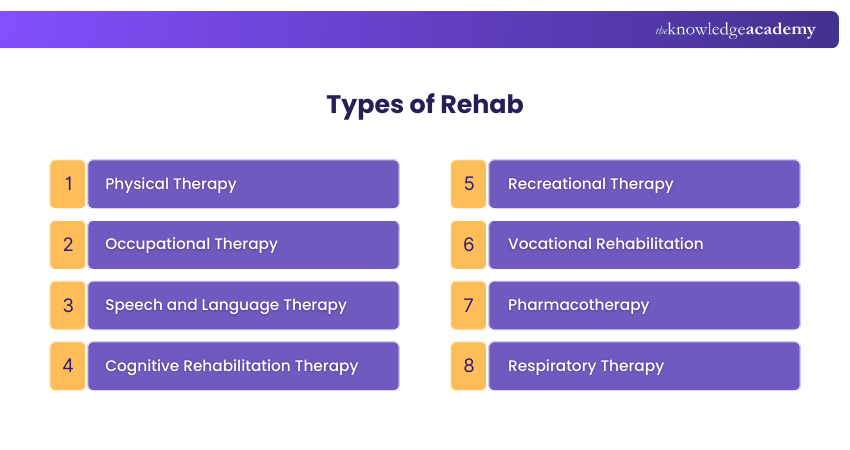
Rehabilitation comes in many forms; each tailored to specific needs. From physical recovery to mental health support, these types of rehab help individuals restore independence, improve wellbeing, and build healthier lives.
1) Physical Therapy
Physical therapy focuses on restoring movement, strength, and flexibility after injury, illness, or surgery. It helps reduce pain, improve mobility, and enhance quality of life through personalised exercise and treatment plans.
1) Improves joint mobility and flexibility
2) Increases physical strength
3) Reduces body pain and stiffness
4) Aids recovery after injuries or surgery
5) Supports long-term physical health
2) Occupational Therapy
Occupational therapy helps individuals regain independence in daily activities by developing practical skills. It is beneficial for those with disabilities, illnesses, or injuries and often includes training with adaptive tools and techniques.
1) Improves fine motor skills
2) Restores ability to perform daily tasks
3) Supports independence and confidence
4) Helps manage developmental or physical challenges
5) Provides adaptive equipment when needed
3) Speech and Language Therapy
Speech and language therapy addresses communication, speech, and swallowing difficulties. It helps patients improve pronunciation, language skills, and swallowing ability, making it valuable for children and adults with various conditions.
1) Strengthens speaking muscles
2) Improves clarity and pronunciation
3) Enhances language and communication skills
4) Treats swallowing and feeding disorders
5) Supports recovery from neurological or developmental conditions
4) Cognitive Rehabilitation Therapy
This therapy improves brain-based functions like memory, concentration, and problem-solving. It is especially helpful for those recovering from brain injuries, strokes, or neurological conditions.
1) Develops memory and thinking skills
2) Teaches alternative ways to complete tasks
3) Helps regain independence
4) Supports short- and long-term goal setting
5) Builds coping strategies after cognitive decline
5) Recreational Therapy
Recreational therapy uses leisure activities such as art, music, and sports to improve emotional and physical wellbeing. It is designed to reduce stress, build confidence, and encourage social interaction.
1) Improves mood and reduces anxiety
2) Builds independence through enjoyable activities
3) Encourages physical activity and mobility
4) Enhances social and emotional wellbeing
5) Supports recovery for mental health and disability challenges
6) Vocational Rehabilitation
Vocational rehab supports individuals with injuries or disabilities in preparing for and maintaining employment. It provides career guidance, training, and resources to help people return to the workforce.
1) Assesses skills, strengths, and limitations
2) Creates personalised career plans
3) Provides training and skill development
4) Supports employment placement and retention
5) Helps build workplace confidence and independence
7) Pharmacotherapy
Pharmacotherapy involves the use of prescribed medication to manage conditions such as addiction, mental health disorders, or chronic illness. It is often combined with counselling or other therapies.
1) Reduces cravings in addiction recovery
2) Improves mental wellbeing and sleep patterns
3) Decreases the risk of relapse
4) Supports recovery from depression, dementia, or insomnia
5) Complements therapeutic interventions
8) Respiratory Therapy
Respiratory therapy helps people with lung and breathing problems improve their respiratory function. It is beneficial for managing chronic conditions as well as acute illnesses.
1) Treats asthma, COPD, and lung diseases
2) Provides breathing exercises and techniques
3) Administers medication and oxygen therapy
4) Educates patients on managing respiratory conditions
5) Improves overall lung health and quality of life
Reduce stress and build resilience today with our Mindfulness Training – Register now!
Rehab Stages
Alcohol and drug rehab is typically separated into three major stages, which are all aimed at helping the patient achieve long-term, abstinence-based recovery. Choosing the right rehab means choosing the right care. Most rehabilitation facilities organise their healing process in the following stages:
1) Stage 1: Detox
Detox is a medically guided process by Therapist for removing alcohol or drugs from the system, which relieves withdrawal and cravings. Withdrawal symptoms are treated with a combination of medications and techniques. Detox starts as the first stage of recovery and takes about five to ten days.
2) Stage 2: Rehabilitation
Therapy is initiated when you are already stable, and stable persons take part in group sessions involving CBT and 12-step recovery work. These sessions will aid in identifying the triggers, boosting confidence, and breaking the cycle of bad habits. The residential environment is conducive to recovery as it eliminates all distractions.
3) Stage 3: Aftercare
Aftercare gives a structured support system as you return to daily life after rehab. The plan may involve joining a support group, getting a sponsor, counselling, or attending CBT sessions. The goal is to ensure you remain stable, supported, and dedicated to long-term recovery.
Does Rehab Works?
What is Rehab, and its way of functioning might be clear now for you, but still, you might have doubts about whether this Rehab will work or not. Actually, a Rehab success depends on the following factors:
1) Personal commitment and willingness to change
2) The quality and duration of the treatment programme
3) Access to qualified therapists and evidence-based therapies
4) A strong support system during and after rehab
5) Addressing underlying issues such as trauma or mental health conditions
6) Consistent aftercare, follow-up sessions, and lifestyle changes
Analyse different Mental Health conditions with our Mental Health Courses - Sign up today!
Benefits of Rehab
Now that you are aware of What is Rehab and its various types, let’s discuss some of its benefits:
Improves Health
When you are addicted to something, it will make your body weak. You feel too tired to do even your daily tasks, feel less sleep and increase your cravings. Rehab provides nutritious meals. There will be regular exercise sessions that help rebuild your strength. It will boost your mood and reduce cravings.
Creates Structure
You have to break bad habits and replace them with positive ones. Rehab gives you a structured schedule. It will help you stay focused on recovery and carry these habits into day-to-day life.
Addresses Underlying Issues
When a problem happens, we should find a solution for it. Escaping from the problem is not at all a solution. Many people use substances to escape stress, numb emotions, or feel accepted. Rehab helps you understand why you use it and teaches healthier ways to cope.
Creates Healthy Boundaries
Rehab helps individuals rebuild their lives by creating healthy boundaries, restoring trust in relationships, and strengthening connections with loved ones. It also supports independence and wellbeing by providing the tools needed to regain strength, confidence, and long-term recovery.
Ends the Addiction Cycle
Detox is the first step in Rehab. It helps remove substances from your system safely. But recovery is more than just detox. Rehab teaches self-discipline and goal-setting, helping you build a solid foundation for a new life.
Educates about Addiction
Understanding what triggers cravings helps you avoid relapse. Rehab teaches you how addiction works and how to stay in control. This makes long-term recovery easier.
Who Needs Rehab Treatment?
Rehab treatment is ideal for individuals whose drug, alcohol, or behavioural addictions are impacting their health, relationships, or daily life. It provides structured care, professional support, and a safe environment to help people break free from destructive cycles. Rehab is an option for:
1) Those unable to stop using substances despite repeated attempts
2) Individuals experiencing severe withdrawal symptoms or health risks
3) People whose addiction affects family, work, or social life
4) Anyone facing repeated relapses without professional support
5) Individuals needing a safe, structured environment for recovery
Explore various exercises and techniques to enhance mental strength with our Handle Stress and Develop Your Resilience Course– Join today!
What to Expect at Rehab?
While understanding What is Rehab, you might now also have an idea about what to expect at Rehab. Rehab treatment is usually delivered in three key stages: detoxification, rehabilitation, and aftercare. Each stage plays a vital role in supporting long-term recovery and is carefully tailored to the individual’s needs.

1) First stage Detoxification: involves removing drugs or alcohol from the body in a safe, medically supervised way. Approved medications are often used to ease withdrawal symptoms, making the process more comfortable and secure.
2) Second stage Rehabilitation: focuses on healing and learning new coping strategies. Through a mix of therapies, counselling, and holistic treatments, individuals address the root causes of addiction while building healthier habits and behaviours for the future.
3) Third stage Aftercare: helps prevent relapse and supports reintegration into everyday life. Ongoing therapy, support sessions, and tailored reintegration plans give individuals the guidance and stability they need to continue recovery once they return home.
Together, these stages ensure a comprehensive approach where individuals not only overcome addiction but also gain the tools and support to live a healthier, substance-free life.
Conclusion
Understanding What is Rehab is not just a quick fix, it’s a journey of rebuilding, relearning, and rediscovering life with clarity and purpose. Rehab provides the structure, tools and expert support needed to break free from addiction and move towards long-term healing. If you or someone you love is ready to take that first step, seeking professional help could be the most powerful decision you ever make.
Transform your life into a purposeful one with our Mental Health and Wellbeing Training. Sign up today!
Frequently Asked Questions
What Percentage of Alcoholics Stay Sober After Rehab?

Around 40-60% of alcoholics stay sober after Rehab. After one year, about 30% remain alcohol-free. Success depends on treatment quality, support systems, and commitment. Those in ongoing therapy or support groups have higher chances of long-term sobriety.
What are the Four Phases of Rehab?
a) Assessment: Evaluating addiction and creating a plan
b) Detox: Managing withdrawal safely
c) Therapy: Addressing mental and emotional causes
d) Aftercare: Ongoing support to maintain sobriety
What are the Other Resources and Offers Provided by The Knowledge Academy?
The Knowledge Academy takes global learning to new heights, offering over 3,000 + online courses across 490+ locations in 190+ countries. This expansive reach ensures accessibility and convenience for learners worldwide.
Alongside our diverse Online Course Catalogue, encompassing 19 major categories, we go the extra mile by providing a plethora of free educational Online Resources like Blogs, eBooks, Interview Questions and Videos. Tailoring learning experiences further, professionals can unlock greater value through a wide range of special discounts, seasonal deals, and Exclusive Offers.
What is The Knowledge Pass, and How Does it Work?
The Knowledge Academy’s Knowledge Pass, a prepaid voucher, adds another layer of flexibility, allowing course bookings over a 12-month period. Join us on a journey where education knows no bounds.
What are the Related Courses and Blogs Provided by The Knowledge Academy?
The Knowledge Academy offers various Mental Health Courses, including Mental Health and Wellbeing Training, Handle Stress and Develop Your Resilience Training, and Mindfulness Training. These courses cater to different skill levels, providing comprehensive insights into How to Stop Overthinking.
Our Health & Safety Blogs cover a range of topics related to Mental Health offering valuable resources, best practices, and industry insights. Whether you are a beginner or looking to advance your skills in Mental Health, The Knowledge Academy's diverse courses and informative blogs have you covered.

Michael Jones


Health and Safety Consultant and Compliance Trainer
Michael Jones is a seasoned health and safety expert with more than 15 years of experience in workplace safety, risk management, and compliance training. He has worked across construction, manufacturing, and corporate sectors, helping organisations meet legal requirements and create safer working environments. Michael’s training and writing are known for being practical, clear, and aligned with UK regulations.
View Detail

Upcoming Health & Safety Resources Batches & Dates
Date
 Mental Health and Wellbeing Training
Mental Health and Wellbeing Training
Fri 17th Jul 2026
Mental Health and Wellbeing Training
Fri 30th Oct 2026

 If you wish to make any changes to your course, please


