


 Top Rated Course

We may not have the course you’re looking for. If you enquire or give us a call on +64 98874342 and speak to our training experts, we may still be able to help with your training requirements.
What is Brand Identity? Meaning, Elements and Examples
James Smith 21 April 2026What is Brand Identity? Brand Identity is the visual representation of a brand, including its logo, colours, design, and messaging, creating a unique and recognisable image. It also stands a firm strategy to upgrade your business and get real-time business insights. Creating a sustainable Brand Identity is always a Brand goal!

Training Outcomes Within Your Budget!
We ensure quality, budget-alignment, and timely delivery by our expert instructors.
Table of Contents

Have you ever felt very attached to a particular brand? Even after having multiple options, you chose to go to the same brand? That is where Brand Identity plays its part in building customer trust. Brand Identity is the visual representation of a company, where its visible elements such as logo, colour and design create an impact in customers’ mindset.
Building a Brand Identity influences a strong connection with its customers by personifying the products or services of a company. It stands as a strong aspect to establish your brand in a unique and distinguishable way to stand ahead of your competitors. In this blog, we will unfold the definition of Brand Identity and its elements with real-life examples. We will also understand how to build your Brand Identity to enhance your business
Table of Contents
1) What is Brand Identity?
2) Brand Identity Elements
3) How to Build a Brand Identity?
4) Brand Identity Examples
5) Conclusion
What is Brand Identity?
Brand Identity is the characteristic of the personality of a company. It is a combination of visual and content choices that represent a company’s products or services. It includes visual elements such as colour, logo, designs, and fonts. These factors act as a superlative registration in customers’ minds. As these factors influence people psychologically, they stand as a firm factor in customers’ memory. For example, what do we remember when we say ‘Fanta’? It is a vibrant orange.
The next factor of a Brand Identity is Brand Personality. Brand Personality comprises the voice and tone of your brand. There are different tones for your brand, and choosing the right tone for your customers creates a huge impact.
These factors can be adopted as slogans or taglines, logo, images, or video representations. For example, Apple Inc, uses the slogan ‘Think Different’ and when you see the logo, it is minimalistic in nature. These factors give sophisticated and top-of-the-range customers.

Brand Identity Elements
There are a few important elements in Brand Identity. Understanding these elements will give you a better and deeper understanding of Brand Identity.
Brand Story
Brand Story is the narrative about the evolution and purpose of the Brand. It covers the emotional, motivational, and visionary that acted as a cause to form the company. It is the legacy of the brand, and it strongly builds the trust of your customers. Let us understand this concept with a better example, Colonel Harland Sanders is the founder of Kentucky Fried Chicken, which is the modern-day KFC.
He made a trademark by selling fried chicken with his secret recipe made with 11 spices during the Great Depression. Anyhow, after a few decades of success, he had to sell his famous food franchise to a spirit distributor Hueblein. Even though the distributors didn’t sell the recipes originally developed by Colonel Sanders, the craze of KFC remained unchanged among the people.
People really loved the food destination and Sander’s famous saying, ‘It is Finger Lickin’ Good’. The entrepreneurial journey of Colonel Sanders remains a firm element of customer attraction for KFC even today. Brand Story is one of the strong elements of Brand Identity which sets a forever impression among the customers.
Brand Name
Brand Name is the very first thing that reaches a customer. It is a trademark of your company, and it has so much influence on your customers. The Brand Name can evoke emotions and create a great bond with your customers. To better understand the value of a Brand Name, we can talk about Sony Corporation, a Japanese multinational conglomerate.
The name Sony is derived from the Latin word ‘sonus’ which means sound. And one more interesting fact is that ‘sonny’ was a common slang term used in 1950s by Americans to call young men. Choosing the term as their brand name created a relevancy of the meaning and connectivity to the trend at that period. Brand Name is the primary factor that recognises, connects, and differentiates with your target audience.
Brand Personality
Brand Personality is allocating a character trait to make your brand more human. The brand personality should be defined and maintained in a clear way to create connectivity among your customers. There is a famous framework in the domain of branding, which is called ‘The Aaker model’. This model conceptually determines a brand under five dimensions. The dimensions are,
Sincerity
This personality tends to be ethical and trustworthy. Companies following this personality should focus on giving facts and being transparent about their business. For instance, Patagonia, a worldwide clothing brand, discloses their process of manufacturing their products with a huge environmental impact. This company symbolises the transparency and ethical production of their clothing, which builds great trust among its customers.
Excitement
Thes brands are bold, enthusiastic and spirited. For example, Red Bull, a brand of energy drinks, uses a vibrant and creative packaging style. And if you see their advertisements, it is very creative and energetic, which gives an automatic curiosity for the customers to give it a try.
Competence
Competence is a nature being very reliable and intelligent. This factor keeps the brand with more informational facts. For example, Microsoft follows an intelligent personality by expressing clear and high-end content throughout its digital presence.
Sophistication
The best example of sophistication is from Apple Inc. Sophisticated are often upper-class, charming and high-end in nature. Apple products have a trademark of being top-in-the-range. People owning a product from Apple consider it a symbol of pride and legacy.
Ruggedness
The brands following a rugged personality tend to do their branding in a tough and outdoorsy way. If you see most of the automobile advertisements, it visualises riding the vehicle on rough terrain. This strategy creates a huge influence among riders.
Boost your brand impact with our Strategic Marketing Course led by industry experts today.
Communication Style and Tone of Voice
Communication Style is more important in branding. It should be structured for different audiences relevantly. It widely includes the choice of words used, how interactions are done, and the emotions that are conveyed. These factors are more reliable in the tone of how it is conveyed.
Communication is the only way for a brand to communicate with its audience. The communication channels should be handled efficiently, as it is going to be your direct approach to your customers. There are four styles of tones, such as funny or serious, formal or casual, respectful or irreverent, enthusiastic or matter of fact. Choosing the right tone depends upon the nature of your customers.
The Brand as a Product or Service
1) A brand itself can function as a product or service.
2) The uniqueness and perceived quality of the brand adds more value and creates social and environmental impact.
3) A brand is the identity of your company, and it represents a dedicated outcome for the delivery.
4) It is very important to be aligned with the overall company identity. This is the basic template of your business which gives clarity to your customers.
Visual Identity
Visual Identity is the visual metrics of a brand. These are combinations of graphics and visuals which act as an identity of a brand.
Visual Identities include,
1) Logo
2) Colour Pallette
3) Font-styles
4) Image Styles
5) Packaging Designs
6) Graphics
Sensory Identity
Sensory Identity includes scent, touch and sounds associated with the brand. This element is more impactful if your company handles tangible products. For example, you run a local sweet shop which is famous in your neighbourhood. There will be a sense of taste and smell which attracts customers. Maintaining the sensory standards of your products will create a legacy for your brand.
How to Build a Brand Identity?
Branding defines your company, and Brand Identity will define your product or service. Building a Brand Identity is not a one-day process. Rome was not built in one day! It needs consistency and dedication. Let us glide into the steps to establish your Brand Identity,
1) Understand your audience and their challenges
The true purpose of a brand is to develop a product that is reliable and useful to your audience. Reconciling the challenges can make your product an indispensable option for your audience. Therefore, make sure your products or services are aligned with the customer's requirements.
2) Define key Brand Identity elements
Make sure your branding strategies cover all the elements of the branding identity. The elements of Brand Identity are core components to building a successful brand. Defining key Brand Identity elements will build a long and strong establishment of your brand.
3) Enhance brand image with guidelines
To enhance your Brand Identity, pre-defined guidelines will be a helpful guide. These guidelines will give a clear understanding for both the company and the users of the company.
4) Develop brand strategy and goals
First define your brand goals, and then building a strategy suitable for your goals will make your growth streamlined. And these strategies will also help to evaluate your progress towards your goal and destination.
5) Monitor brand impact with tools
Monitoring your brand impact will help you figure out both the pros and cons of your branding strategy. This step will allow you to work on the flaws in your branding strategy. There are ample tools available in the market to track the progress of your brand. For example, an add-on feature of SEMrush is SEMrush Brand Monitoring which allows you to track your brand mentions and SEO performance.
This suite can be used to track your digital presence efficiently. And another tool called Reputology, can help your business with review monitoring by managing customer feedback across multiple platforms. Another notable tool is Brand24, which tracks mentions across your blogs, news sites and social media. There are many available tools which make brand impact monitoring very easy and transparent.
Enhance your business analysis strategies with our Digital Marketing Courses - Join now!
Brand Identity Examples
We will explore What is Brand Identity with more examples with the top brands,
1) Coca-Cola
Coca-Cola or Coke being one of the famous cool-drink brands. They are well-known for their bright red background and calligraphic font-style. Their popular advertisement in partnership with the World Wildlife Fund (WWF), featuring polar bears, remained a brilliant advertisement focusing on polar bear conservation efforts. These approaches from Coca-Cola will forever remain in people’s minds.
2) Hustle & Hope Greeting Cards
Hustle & Hope Greeting cards are more than a greeting card company. The cards are so vibrant and the quotes they carry are very captivating. These cards will be the best option to surprise your loved ones with love, care, affection, and sometimes motivation. They are updated with the trends to always stay connected with the audience.
3) POP Fit
POP Fit is a great example of a bold and empowering brand identity. Known for its inclusive activewear designed for all body types, POP Fit blends vibrant colours, body-positive messaging, and strong visual consistency across its website and social media.
POP Fit has a stunning identity in providing exclusive clothing focusing on under-sizes or over-sizes. Their products range from XXS to 4XL and their unique idea of introducing four-way stretchable clothing has transformed them into a beloved product. The whole brand was developed with the idea of ‘Body positivity matters’.
4) Burt's Bees
Burt’s Bees is an American multinational personal care product company. Their logo with the bearded-old founder has conveyed a tone of simplicity and modesty. And their products come with recyclable packaging. And additionally, they are also donating to conservation projects and other green initiatives. These approaches have built great belief in their products from their customers.
5) Asana
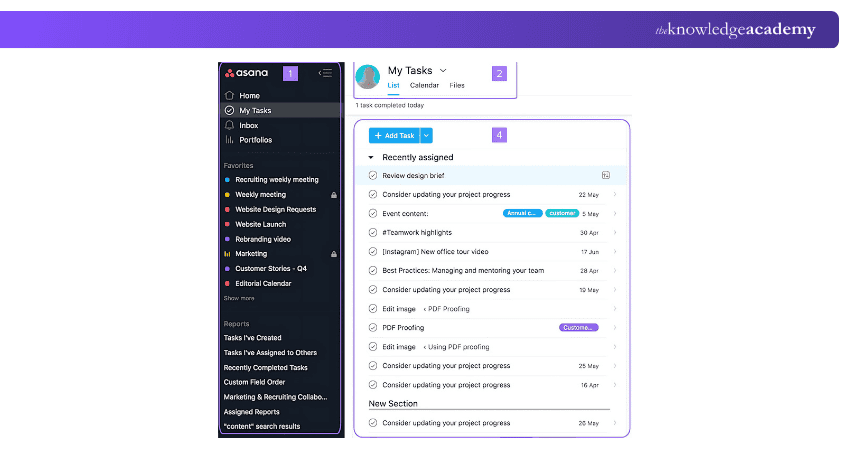
Asana is a team communication manager which allows the team to manage their projects and handles communication throughout the team seamlessly. The tool uses whiter colour in their interface to enable clear usage of the features. The logo of the product has three dots which are arranged together. It symbolises balance and collaboration.
6) Semi-colon Bookstore & Gallery

Semicolon Bookstore & Gallery carries an amazing brand story. The founder and operator Danille Mullen was diagnosed with a tumour on her ocular nerves. She was not ready to give up and wanted to create an impact on the world. She chose to open a bookstore with a mission.
They hosted the #cleartheshelves movement where students are allowed to take their desired books free of cost. We could see customers just chilling and having the best time with the owner, which showcases friendliness. This bookstore also supports local artists and local authors in their gallery.
7) Marcella NYC
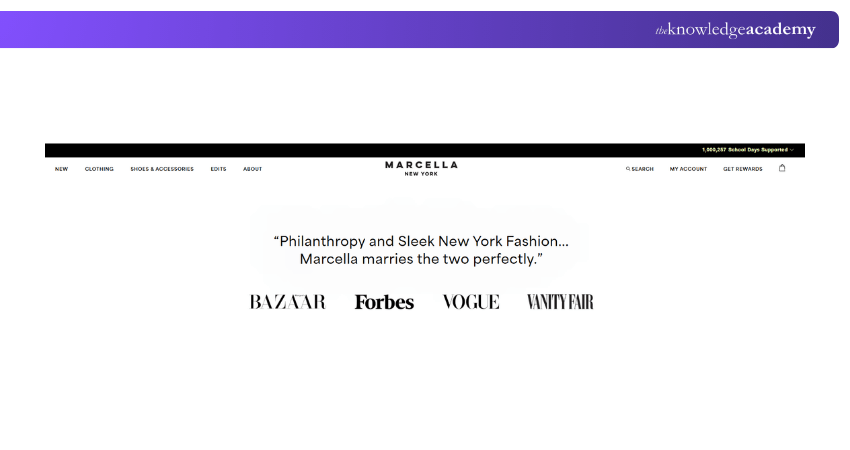
Marcella NYC is a famous clothing brand which produces classic clothes at an affordable price. The clothing focused on monochromatic and uniform look for women. And they also supported women empowerment by sponsoring schoolgirls with books, supplies, uniforms and sanitary items. And most importantly, the brand uses organic and sustainable fabrics in their manufacturing.
Conclusion
So, what is Brand Identity? In simplest terms, it is the true identity of your product. It influences the sustainable growth of your product. Brand Identity emerges as a vital part in Branding Strategy which directly focuses on customer influences. Building a brand is a gradual process but if it is done right, it would turn indestructible.
Gain valuable knowledge on animation, multimedia, and video integration techniques by registering for our Business Branding Course now!
Frequently Asked Questions
What are the Five Pillars of Brand Identity?

The 5 pillars of Brand Identity are:
1) Purpose
2) Positioning
3) Personality
4) Perception
5) Promotion
What is the Main Goal of Brand Identity?
Brand Identity goals include:
1) Aligning with brand image
2) Increasing product awareness
3) Building loyalty
4) Fostering trust
5) Distinguishing from Competitors
What are the Other Resources and Offers Provided by The Knowledge Academy?
The Knowledge Academy takes global learning to new heights, offering over 3,000 online courses across 490+ locations in 190+ countries. This expansive reach ensures accessibility and convenience for learners worldwide.
Alongside our diverse Online Course Catalogue, encompassing 19 major categories, we go the extra mile by providing a plethora of free educational Online Resources like Blogs, eBooks, Interview Questions and Videos. Tailoring learning experiences further, professionals can unlock greater value through a wide range of special discounts, seasonal deals, and Exclusive Offers.
What is The Knowledge Pass, and How Does it Work?
The Knowledge Academy’s Knowledge Pass, a prepaid voucher, adds another layer of flexibility, allowing course bookings over a 12-month period. Join us on a journey where education knows no bounds.
What are the Related Courses and Blogs Provided by The Knowledge Academy?
The Knowledge Academy offers various Digital Marketing Courses, including Business Branding Course, Digital Marketing Course and Data-driven Marketing Course. These courses cater to different skill levels, providing comprehensive insights into Retail Branding.
Our Digital Marketing Blogs cover a range of topics related to Brand Identity, offering valuable resources, best practices, and industry insights. Whether you are a beginner or looking to advance your Digital Marketing skills, The Knowledge Academy's diverse courses and informative blogs have got you covered.

James Smith


Digital Marketing Manager and Trainer
James Smith is a digital marketing professional with over a decade of experience in SEO, content strategy, paid media and analytics. He has supported both SMEs and global brands in transforming their digital presence. James’s writing and training are rooted in results-driven tactics and the latest marketing trends.
View Detail
Upcoming Digital Marketing Resources Batches & Dates
Date
 Digital Marketing Tools Training
Digital Marketing Tools Training
Fri 17th Jul 2026
Digital Marketing Tools Training
Fri 20th Nov 2026

 If you wish to make any changes to your course, please


