


 Top Rated Course

We may not have the course you’re looking for. If you enquire or give us a call on +44 1344 203 999 and speak to our training experts, we may still be able to help with your training requirements.
13 Sustainability Strategies for Businesses: An Overview
James Smith 03 January 2026Sustainability Strategies for Business focus on reducing waste, improving energy efficiency, and using responsible practices to build long-term resilience. They also strengthen a company’s reputation by showing genuine commitment to the planet. These strategies help businesses stay competitive and meet rising customer expectations.

Training Outcomes Within Your Budget!
We ensure quality, budget-alignment, and timely delivery by our expert instructors.
Table of Contents
The world is changing fast, and so are people’s expectations of the businesses they support. Customers want planet-friendly brands, Employees want value-driven workplaces and communities want companies that create real impact. Strong Sustainability Strategies for Business help organisations act responsibly, build trust and grow with purpose in a world that rewards genuine action.
This blog explains what a Sustainable Business Strategy is and how Sustainability Strategies for Business guide responsible choices. You will explore supply chain practices, community actions, key benefits, examples of Sustainable Development, and the Four Pillars of Sustainability. Together, let us move toward sustainable growth.
Table of Contents
1) What is a Sustainable Business Strategy?
2) Sustainability Strategies for Business
3) Sustainability Strategies for the Supply Chain
4) Sustainability Strategies for You and Your Community
5) Benefits of Sustainable Business Strategies
6) What are Some Examples of Sustainable Development?
7) What are the Four Pillars of Sustainability?
8) Conclusion
What is a Sustainable Business Strategy?
A Sustainable business strategy integrates economic, environmental, and social considerations into a company’s framework. It also fosters enduring advantages for the organisation and its workforce while emphasising resource conservation.
Strategies for business Sustainability play a vital role in tackling urgent environmental issues while securing long-term profitability and resilience. By understanding the Benefits of Sustainability for Business, companies can effectively integrate it into their core operations to mitigate risks related to resource scarcity, regulatory shifts, and evolving consumer preferences.

Sustainability Strategies for Business
Embracing Sustainability is a moral imperative, apart from a strategic business decision. Here are key Sustainability Strategies for Businesses to thrive while making a positive impact:
1) Stay Focused but Adaptable
Maintain a clear vision of Sustainability goals while remaining flexible in adapting strategies in response to evolving market trends and regulatory changes.
2) Prioritise People
Place emphasis on the well-being of employees, customers, and communities by fostering inclusive workplaces, fair labour practices, and meaningful engagement initiatives.
3) Innovate Continuously
Foster a culture of Innovation to develop sustainable products, services, and processes that address emerging environmental and social challenges while driving business growth.
4) Invest in Your Team
Conduct ongoing development and training opportunities to provide employees with the required skills and knowledge to implement and champion Sustainability initiatives effectively.
5) Be Patient
Acknowledge that achieving Sustainability goals is a journey that requires time, persistence, and commitment. Celebrate progress along the way while remaining steadfast in the pursuit of long-term Sustainability.
6) Communicate Transparently With Clients
Build trust and credibility with clients by openly communicating your Sustainability efforts, achievements, and challenges. Encourage dialogue and feedback to foster collaboration and alignment on Sustainability goals.
7) Strive for Continuous Improvement
Adopt a constant improvement mindset by regularly evaluating and refining Sustainability Strategies, processes, and performance metrics to maximise positive impact and drive meaningful change.
Improves supplier quality assessment and enhancement skills with our Supplier Quality Management Training – Join today!
Sustainability Strategies for the Supply Chain
Here are key strategies to integrate Sustainability seamlessly into your Supply Chain Management:
1) Minimise Over-Production and Reduce Waste
Resource wastage and surplus goods negatively impact the global supply chain, profitability, and environmental health. Business Intelligence Software, equipped with Data Analysis, reporting, demand forecasting, and vendor oversight, simplifies the reduction of resource overuse and inventory excess.
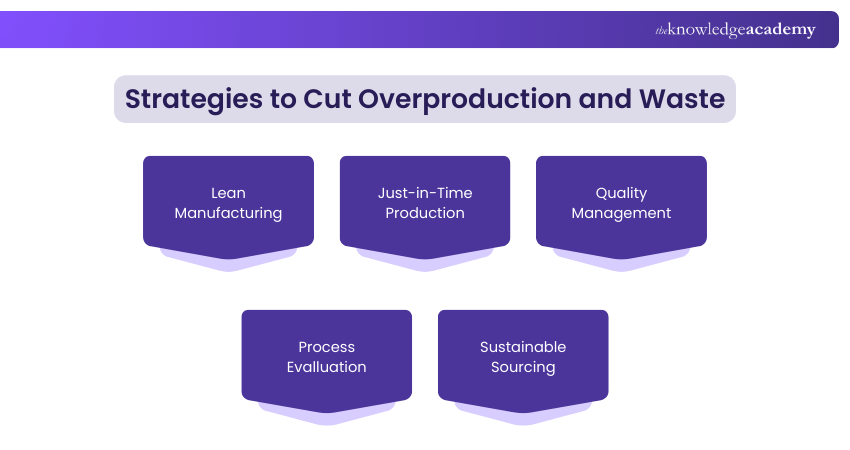
Enhanced supply chain safeguards and improved oversight empower businesses to foster a more sustainable supply chain.
9) Ensure Ethical Procurement and Transparency
Navigating supplier ethics and Sustainability is challenging, especially in global supply chains. Companies must understand supplier sourcing, production, and labour standards to avoid supporting poor practices and risking reputational damage.
Supply chain health relies on transparency. Blockchain and Internet of Things (IoT) offer clear insight into vendor practices and help track environmental and labour conditions when audits aren’t possible. A connected supply chain builds stronger trust with customers and investors.
10) Optimise Logistics and Shipments
Logistics is the art of moving goods from one point to another, typically via planes, trains, cars, ships, or occasionally drones. With electric transport still in its infancy, most logistics rely on fossil fuels, which are finite and non-renewable.
While awaiting technological advancements, route optimisation remains the best method to conserve fuel and expedite delivery. For those in International Trade, direct control over routes and resource conservation is limited due to the pollution from cargo ships and trucks.
Sustainability Strategies for You and Your Community
By adopting Sustainability Strategies, you can also contribute to the well-being of your local community and beyond. Let’s explore some top Sustainability Strategies for you and your community:
11) Define Your Company's Sustainability Vision
Leveraging business intelligence tools can optimise the quantity of goods transported, enhancing both practicality and Sustainability. Before revamping your Sustainability Strategies, establish a clear vision to steer your organisation. Knowing your Sustainability goals allows you to implement relevant practices locally.
12) Understand Your Local Environment
The world is diverse, with each region having unique ecosystems and challenges. Recognising the Importance of Community in addressing these issues is vital. You can collaborate with your community for policy changes, disaster prevention, and environmental preservation.
13) Be Passionate and Proud of Your Sustainability Efforts
Small steps can lead to significant impacts. The changes may take time to notice, but every sustainable action you take is valuable. Take pride in your contributions to your company, supply chain, profits, community, and the planet.
Understand challenges and solutions for fostering equality and fairness. Join our Equality and Diversity Training now!
Benefits of Sustainable Business Strategies
Business strategies for Sustainability Development enhance brand reputation, build customer loyalty and reduce costs through efficient resource use. They open new market opportunities, attract skilled talent and strengthen Compliance with evolving regulations. With these benefits, the next key Sustainability areas are vital to explore.
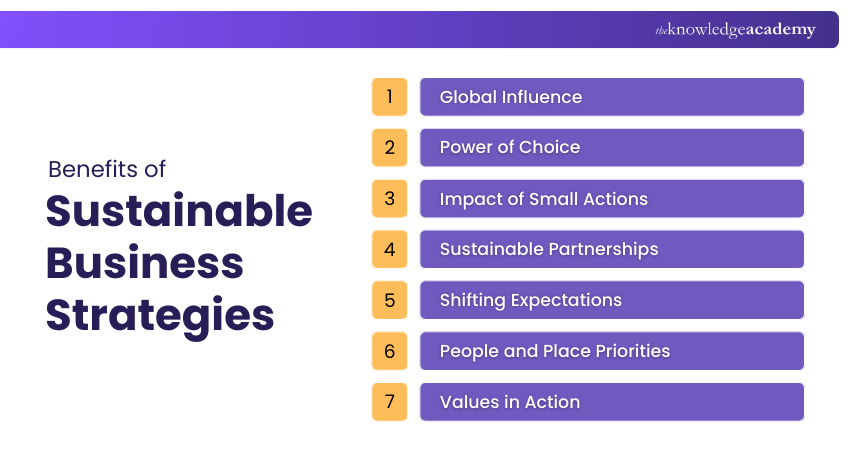
1) Global Influence: Large companies significantly shape consumption patterns, production methods and broader economic behaviour.
2) Power of Choice: This influence can be used to exploit resources for profit or to protect the planet by putting people before profit.
3) Impact of Small Actions: Simple actions like going paperless, recycling and reducing waste can greatly strengthen Sustainability efforts.
4) Sustainable Partnerships: Working with suppliers who follow ethical and eco-friendly practices supports a more responsible supply chain.
5) Shifting Expectations: Companies relying on outdated, profit-only practices risk falling behind those embracing cleaner, more responsible standards.
6) People and Place Priorities: Considering the needs of communities and the environment can boost profits and strengthen a company’s reputation.
7) Values in Action: Organisations that make Sustainability part of their core values operate with integrity and consistently put sustainable principles into practice.
Learn how to develop a continuous improvement plan and schedule. Join our Business Process Improvement Training now!
What are Some Examples of Sustainable Development?
Sustainable Development aims to protect the planet while supporting long-term economic and social well-being. Many real-world examples show how this balance can be achieved. Below are some widely used and effective practices:
1) Wind Energy: Generating clean electricity using wind turbines
2) Solar Power: Using sunlight as a renewable source of energy
3) Crop Rotation: Growing different crops to keep soil healthy and reduce chemicals
4) Water-saving Fixtures: Installing low-flow taps and toilets to conserve water
5) Green Spaces: Creating parks and natural areas to improve air quality and well-being
6) Electric Vehicles: Using battery-powered cars to reduce pollution
7) Recycling: Turning waste materials into new products instead of sending them to landfills
8) Organic Farming: Growing food without harmful chemicals to protect soil and biodiversity
What are the Four Pillars of Sustainability?
Sustainability is built on four main pillars that protect the planet, support people and guide long-term progress. These pillars help organisations operate responsibly and grow sustainably.
1) Environmental Sustainability: Protecting resources, reducing pollution and supporting life
2) Social Sustainability: Ensuring fairness, safety and strong, supportive communities
3) Economic Sustainability: Promoting long-term growth while using resources responsibly
4) Cultural Sustainability: Preserving cultural identity, traditions and values for the future
Conclusion
Strong Sustainability Strategies for Business help companies protect resources, support communities, and build long-term value. By choosing cleaner practices and responsible decisions, organisations strengthen trust and resilience. When Sustainability becomes part of daily actions, it boosts reputation and creates a healthier future for both businesses and the planet.
Make smart, high-impact decisions in dynamic business environments with our Management Courses – Join now!
Frequently Asked Questions
How Can Businesses Boost Brand Reputation Through Sustainable Communication?

Businesses can enhance brand reputation by effectively communicating sustainable practices and showcasing commitment to environmental and Social Responsibility.
What Role Do Stakeholders Play in Driving Sustainability Initiatives Within a Business?
Transparent engagement with stakeholders fosters trust and credibility, driving support for Sustainability initiatives and amplifying their impact on business growth and societal progress.
What are the Other Resources and Offers Provided by The Knowledge Academy?
The Knowledge Academy takes global learning to new heights, offering over 3,000 online courses across 490+ locations in 190+ countries. This expansive reach ensures accessibility and convenience for learners worldwide.
Alongside our diverse Online Course Catalogue, encompassing 19 major categories, we go the extra mile by providing a plethora of free educational Online Resources like Blogs, eBooks, Interview Questions and Videos. Tailoring learning experiences further, professionals can unlock greater value through a wide range of special discounts, seasonal deals, and Exclusive Offers.
What is The Knowledge Pass, and How Does it Work?
The Knowledge Academy’s Knowledge Pass, a prepaid voucher, adds another layer of flexibility, allowing course bookings over a 12-month period. Join us on a journey where education knows no bounds.
What are the Related Courses and Blogs Provided by The Knowledge Academy?
The Knowledge Academy offers various Management Courses, including the Business Sustainability Course, Equality and Diversity Training, and the Supplier Quality Management Training. These courses cater to different skill levels, providing comprehensive insights into Sustainability in Project Management.
Our Business Skills Blogs cover a range of topics related to Sustainability Strategies, offering valuable resources, best practices, and industry insights. Whether you are a beginner or looking to advance your Business skills, The Knowledge Academy's diverse courses and informative blogs have got you covered.

James Smith


Digital Marketing Manager and Trainer
James Smith is a digital marketing professional with over a decade of experience in SEO, content strategy, paid media and analytics. He has supported both SMEs and global brands in transforming their digital presence. James’s writing and training are rooted in results-driven tactics and the latest marketing trends.
View Detail
Upcoming Business Skills Resources Batches & Dates
Date
 Business Sustainability Course
Business Sustainability Course
Fri 20th Mar 2026
Business Sustainability Course
Fri 1st May 2026
Business Sustainability Course
Fri 24th Jul 2026
Business Sustainability Course
Fri 16th Oct 2026

 If you wish to make any changes to your course, please


