


 Top Rated Course

We may not have the course you’re looking for. If you enquire or give us a call on +91-181-5047001 and speak to our training experts, we may still be able to help with your training requirements.
Retail Branding: Building a Strong and Memorable Brand
James Smith 21 April 2026Retail Branding is the process of creating a distinct identity for a retailer, which sets it apart from competitors and creates strong connections with customers. It involves crafting a unique brand experience through customer insight, service excellence, and consistent messaging to foster loyalty and drive long-term success.

Training Outcomes Within Your Budget!
We ensure quality, budget-alignment, and timely delivery by our expert instructors.
Table of Contents

Retail Branding is the spark that makes a market stand out in a sea of options. It is more than just a logo or a catchy slogan, it is the feeling customers get when they walk through your doors or search your website. It’s the little things that make them feel like they’re part of something special like they’ve found a place that truly understands them.
In our world where choices are no limit. Retail Branding is what makes customers stop scrolling, step inside and return frequently. It is about making an experience that speaks to their interests and values. This makes them feel connected to your brand in a way that is both individual and remarkable. When your branding clicks, it turns a one-time visit into a long-lasting bond.
Table of Contents
1) What is Retail Branding?
2) Why is Retail Branding Important?
3) Steps to Creating a Powerful Retail Brand
4) Benefits of Retail Branding
5) Challenges of Retail Branding
6) Retail Branding Strategies
7) Conclusion
What is Retail Branding?
Retail Branding is the process of creating a distinct identity and image for a retail business in the minds of consumers. It involves the strategic use of elements like logos, store design, marketing campaigns, and customer service to differentiate the brand from competitors and build a loyal customer base. Effective retail branding helps convey the brand's values, personality, and promise, ultimately influencing consumer perceptions and driving sales.
Retail Branding purpose to create acceptance, trust and emotional connections with customers. It is about building a unique environment that motivates consumers to return to the store or visit the website again. In short, it is a strategy to shaping how customers recognise a retailer and why they should opt that retailer over others.
Why is Retail Branding Important?
It is essential because it can influence consumer decisions. A reputed brand can create a feeling of acquaintance and trust, which increases the likelihood of customer loyalty. When a customer understands the values of a brand, they may make repeat purchases.
Retail Branding helps a business to be prominent in a competitive market. In fast-paced retail environment, where many brands offer similar products. This having a unique and strong brand identity can make all the difference. A remarkable brand helps customers easily identify the retailer and separate it from competitors.
Become an Expert in Influencer Marketing with our Influencer Marketing Course – Join now!
Steps to Creating a Powerful Retail Brand
Creating a successful retail brand needs a combination of strategic thinking and creative implementation. Below are the important steps:
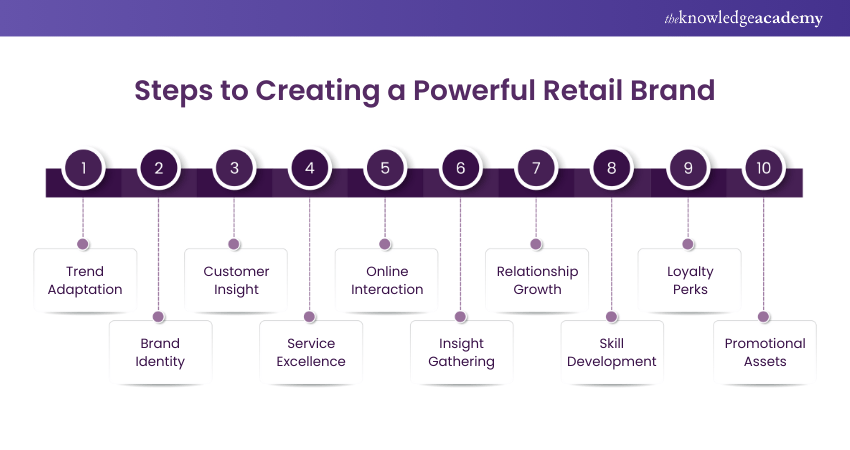
Trend Adaptation
a) Keep updated with industry changes and changing customer priorities in Retail Branding.
b) Keep monitoring changes in fashion, technology and consumer behaviour to adapt your brand.
c) Combine trends into branding efforts to stay updated and appealing to customers.
d) Accept the market demands and preferences to ensure Retail Branding stay effective.
Brand Identity
a) Create a unique logo that shows your brand’s nature in Retail Branding.
b) Determine your brand's voice to communicate well with consumers and enhance branding.
c) Select a colour tone and typography that match your brand.
d) Ensure consistency throughout all marketing materials, packaging and experiences for adhesive Retail Branding.
Customer insight
a) Collect data by surveys, groups and social media interactions to filter Retail Branding.
b) Understand customers’ priorities, behaviours and pain points to tailor your brand.
c) Use perceptions to make your product offerings and promotions around Product Branding.
d) Modify your brand to meet customers’ specific requirements and expectations to strengthen branding.
Service Excellence
a) Offer friendly and knowledgeable staff to strengthen customer experience in Retail Branding.
b) Make sure effective service, both online and in-store, strengthens your branding.
c) Build a smooth shopping experience to create trust and loyalty in branding.
d) Point for positive relationships to encourage repeat business and reinforce Retail Branding.
Online Interaction
a) Encourage customers to use social media platforms and, email marketing to elevate branding.
b) Build relationships by offering valuable content and timely responses in Retail Branding.
c) Maintain an online presence to reach a wider audience and strengthen branding.
d) Encourage brand loyalty through consistent online engagement in Retail Branding.
Insight Gathering
a) Use analytics tools and customer feedback to gather insights for refining Retail Branding.
b) Assess market changes and customer interests daily to adjust Retail Branding plans.
c) Collect insights through surveys and real-time data to make improvements in branding.
d) Maintain your brand update and appeal by staying in tune with customer needs for better Retail Branding.
Transform Your Marketing Strategy Now join our Social Media Marketing Course – Today!
Relationship Growth
a) Keep an eye on customer retention through loyalty programs and individual communication in branding.
b) Create a long-lasting relationship to promote brand loyalty within Retail Branding.
c) Create engagement with customers through follow-ups and targeted offers to make strong branding.
d) Make your brand a trusted part of the customer shopping experience to improve branding.
Skill Development
a) Give employees training to improve customer service and support strong branding.
b) Make sure staff are knowledgeable about your brand and product offerings to represent branding effectively.
c) Develop consistent service standards to provide high-quality experiences in line with branding.
d) Empower employees to deliver exceptional service and represent your brand’s values in Retail Branding.
Loyalty Perks
a) Provide loyalty programs to reward repeat customers and improve branding.
b) Offer discounts or perks to returning customers as part of your Retail Branding plan.
c) Create loyalty by making customers feel valued through branding.
d) Offer rewards to encourage ongoing engagement with your brand, boosting branding efforts.
Promotional Assets
a) Make an effective advertisement to create brand awareness and upgrade Retail Branding.
b) Make sales campaigns and programmes to interact with customers and strengthen branding.
c) Reinforce your brand identity through consistent promotional efforts, ensuring impactful branding.
d) Create customer engagement and sales by utilising well-executed promotional assets to improve branding.
Brand Trust
a) Focus on delivering consistent quality and dependable service to build branding trust.
b) Build trust through transparency in product quality and delivery, reinforcing branding.
c) Maintain reliability to meet customer expectations and promises, strengthening branding.
d) Reinforce trust over time by providing positive and consistent experiences in Retail Branding.
Community Engagement
a) Encourage local communities through sponsorships and programmes to improve branding.
b) Support social causes to create a positive brand image that enhances branding.
c) Partner with nonprofits to give back and build emotional connections with branding.
d) Strengthen community ties by hosting charity drives or local initiatives, boosting Retail Branding.
Enhance Your Skills with SEO Mastery with our SEO Course – Register now!
Benefits of Retail Branding
Retail branding offers several key benefits for businesses:
Stay Aligned with Global Market Trends
a) Strong Retail Branding helps businesses stay updated with global market trends and consumer expectations.
b) Consistently update your brand’s messaging to stay relevant in an ever-changing marketplace.
c) Adapt your product offerings and services to align with current market demands.
d) Remain competitive by incorporating global trends into your branding strategy.
Gain Insights into Customer Decision Journeys
a) Retail Branding allows businesses to gain insights into customers’ decision-making processes.
b) Track how customers interact with your brand across different touchpoints, like online browsing and in-store visits.
c) Use data to better understand customer preferences and tailor marketing strategies.
d) Improve customer engagement by making informed decisions based on customer behaviour.
Leverage Strategic Personalisation for Better Engagement
a) A strong Retail Branding strategy leverages customer data for personalised experiences.
b) Offer targeted promotions and customised product recommendations to enhance customer interaction.
c) Personalisation creates a deeper emotional connection and boosts engagement with the brand.
d) Foster brand loyalty by making customers feel understood and valued through personalised experiences.
Challenges of Retail Branding
Retail branding isn’t without its challenges. Some common obstacles include:
Balancing Online and Offline Customer Expectations
a) Customers expect a seamless experience across both online and offline channels in branding.
b) Ensure brand identity and customer experience are consistent across physical stores and online platforms.
c) Meet the growing demand for integration between online shopping and in-store visits.
d) Overcome challenges of operating both physical stores and e-commerce platforms with a unified Retail Branding approach.
Implementing Effective Personalisation Strategies
a) Retail Branding relies on understanding customer preferences and behaviours for personalised experiences.
b) Gather and analyse customer data to create tailored experiences, from targeted promotions to custom recommendations.
c) Respect customer privacy concerns while implementing personalisation strategies to build trust.
d) Personalisation enhances engagement and strengthens loyalty but requires ongoing data analysis to stay relevant.
Adopting the Right Technology for Competitive Advantage
a) Invest in technology like e-commerce platforms, CRM systems, and analytics tools to stay ahead in Retail Branding.
b) Use technology to increase customer experience and streamline operations across all platforms.
c) Ensure your technology choices align with your brand goals and customer expectations.
d) Smaller retailers must carefully evaluate their resources to choose the right technology without overwhelming their capabilities.
Unlock Your Digital Marketing Potential with our Digital Marketing Course – Join today!
Retail Branding Strategies
There are several strategies that retailers can use to create a strong brand and foster customer loyalty:
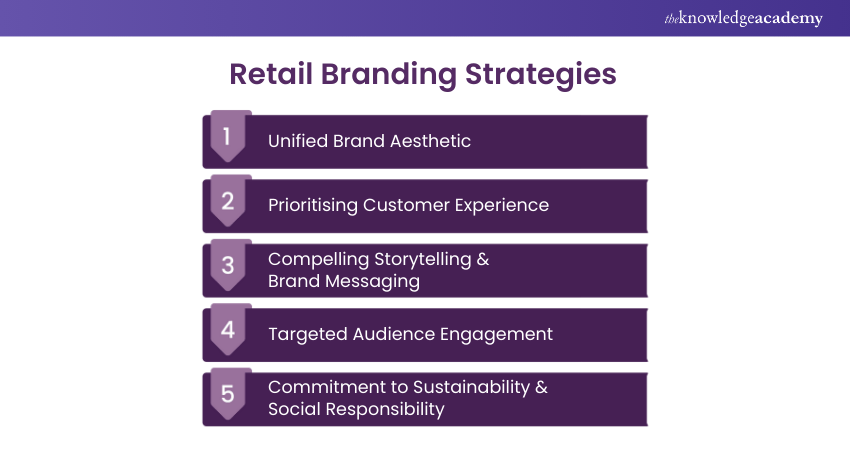
Unified Brand Aesthetic
a) A consistent and visually appealing brand aesthetic across all touchpoints is vital for Retail Branding.
b) Ensure your logo, store design, website, and social media profiles reflect the same visual identity.
c) A unified aesthetic creates brand recognition, making it easier for customers to identify your brand anywhere.
d) Consistency in your brand's visual identity builds trust and strengthens customer connection.
Prioritising Customer Experience
a) Make customer experience the central focus of your Retail Branding strategy.
b) Every interaction, whether online or in-store, should offer a positive and seamless experience.
c) Provide excellent customer service, intuitive navigation, and personalised communication to engage your customers.
d) Prioritising customer experience fosters brand loyalty and ensures repeat business.
Compelling Storytelling & Brand Messaging
a) Create a compelling brand story to help customers connect with your brand on a deeper level.
b) Your brand messaging should clearly communicate your values, mission, and what makes you different from competitors.
c) Storytelling engages customers emotionally and makes your brand memorable in their minds.
d) A powerful narrative strengthens your brand’s identity and attracts a loyal following.
Targeted Audience Engagement
a) Adapt your content to engage your target audience with relevant and personalised messages.
b) Use social media platforms like email marketing and in-store promotions to communicate with your audience.
c) Understand your audience’s needs and interests to create a more impactful connection.
d) Targeted engagement increases brand loyalty and boosts sales by fostering stronger relationships with customers.
Commitment to Sustainability & Social Responsibility
a) Match your Retail Branding with stability and social commitment efforts to resonate with consumers.
b) Showing a dedication to social problems and environmental impact increases your brand’s image.
c) Consumers are more likely to support brands that share their values and care.
d) Focused on stability attracts consumers, creating brand loyalty and success.
Conclusion
Retail Branding is about more than just logos and captions; it is about building a meaningful interaction with customers and standing out in a crowded marketplace. By following the steps outlined in this blog, from adapting to trends to creating brand trust, retailers can build a strong and memorable brand that resonates with customers and encourages business success.
Stay Ahead with Cutting-Edge Marketing Tools join our Digital Marketing Tools Training –Today!
Frequently Asked Questions
What is the Difference Between Retail Branding and Product Branding?

a) Retail Branding builds a special identity for the retailer.
b) Product branding promoting individual products.
c) It involves store design, customer service and brand identity.
d) Product branding emphasises the special features of a single product.
Is Tesco a Retail Brand?
Yes, Tesco is a retail brand. It is a known British supermarket chain. That gives a vast range of products and services. The company’s brand is made on providing value, convenience and quality to its consumers.
What are the Other Resources and Offers Provided by The Knowledge Academy?
The Knowledge Academy takes global learning to new heights, offering over 3,000+ online courses across 490+ locations in 190+ countries. This expansive reach ensures accessibility and convenience for learners worldwide.
Alongside our diverse Online Course Catalogue, encompassing 17 major categories, we go the extra mile by providing a plethora of free educational Online Resources like Blogs, eBooks, Interview Questions and Videos. Tailoring learning experiences further, professionals can unlock greater value through a wide range of special discounts, seasonal deals, and Exclusive Offers.
What is The Knowledge Pass, and How Does it Work?
The Knowledge Academy’s Knowledge Pass, a prepaid voucher, adds another layer of flexibility, allowing course bookings over a 12-month period. Join us on a journey where education knows no bounds.
What are the Related Courses and Blogs Provided by The Knowledge Academy?
The Knowledge Academy offers various Digital Marketing Courses, including the Digital Marketing Tools Training and SEO course, and the Social Media Marketing Course. These courses cater to different skill levels, providing comprehensive insights into Customer Engagement.
Our Digital Marketing Blogs cover a range of topics related to Digital Marketing, offering valuable resources, best practices, and industry insights. Whether you are a beginner or looking to advance your Digital Marketing skills, The Knowledge Academy's diverse courses and informative blogs have got you covered.

James Smith


Digital Marketing Manager and Trainer
James Smith is a digital marketing professional with over a decade of experience in SEO, content strategy, paid media and analytics. He has supported both SMEs and global brands in transforming their digital presence. James’s writing and training are rooted in results-driven tactics and the latest marketing trends.
View Detail
Upcoming Digital Marketing Resources Batches & Dates
Date
 Business Branding Course
Business Branding Course
Thu 9th Jul 2026
Business Branding Course
Thu 8th Oct 2026

 If you wish to make any changes to your course, please


