


 Top Rated Course

We may not have the course you’re looking for. If you enquire or give us a call on + 800 908601 and speak to our training experts, we may still be able to help with your training requirements.
What is a Sales Strategy and How Does it Improve Sales Performance?
Charlotte Wilson 15 July 2026A sales strategy maps out clear steps, key types, tools, and examples to help you reach goals, increase revenue, and make your sales process smoother. It covers various elements like target audience identification, market analysis, pricing strategies, sales process design, and the selection of sales channels.
Home
 Resources
Digital Marketing
What is a Sales Strategy and How Does it Improve Sales Performance?
Resources
Digital Marketing
What is a Sales Strategy and How Does it Improve Sales Performance?
Resources
Digital Marketing
What is a Sales Strategy and How Does it Improve Sales Performance?

Training Outcomes Within Your Budget!
We ensure quality, budget-alignment, and timely delivery by our expert instructors.
Table of Contents
Picture this scenario: you have a promising pipeline, a strong product, and motivated prospects, yet your sales numbers aren’t where you want them to be. What is missing? The most likely answer is: A focused and effective Sales Strategy. After all, a great product means little without a smart way to sell it. Whether you’re closing a high-stakes deal or charging up your business's everyday sales, the right strategy can strike the perfect balance between your team, tools and timing.
This blog explores What is a Sales Strategy, the different types, essential tools, and the steps you can take to build a winning plan for your team. So read on and master the art of crafting charismatic sales strategy!
Table of Contents
1) What is a Sales Strategy?
2) Why do you need a sales strategy?
3) 2 Popular Sales Strategy Types
4) How to Build a Sales Strategy in Six Steps?
5) Tools to Improve Your Sales Strategy
6) Sales Strategy Example
What is a Sales Strategy?
A Sales Strategy is a carefully designed plan that outlines how a business will sell its products or services to customers. It includes identifying target markets, setting Sales Management goals, choosing the right selling methods, and using tools to track and improve performance.
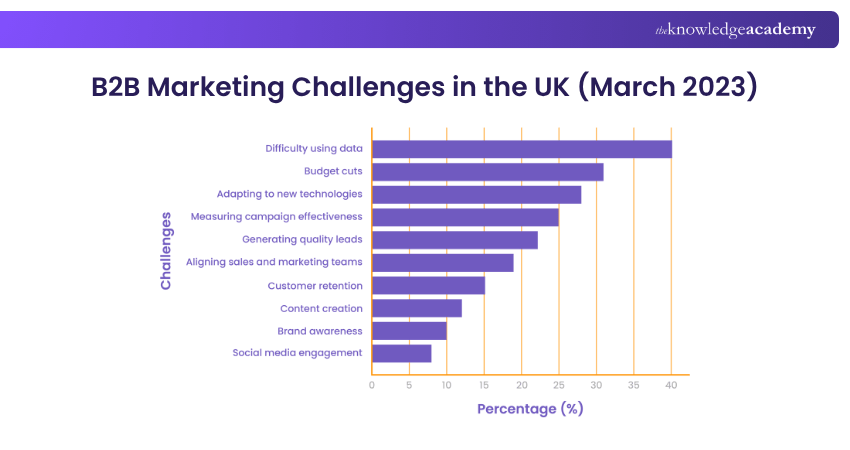
A strong Sales Strategy helps your team focus on the right opportunities and approach customers effectively. In B2B Marketing, this ultimately serves as a roadmap for achieving consistent sales success and business growth.

Why do You Need a Sales Strategy?
A sales strategy unites your team around clear goals, helps identify risks and trends, and drives continuous improvement. Without it, all of your efforts become scattered and less effective. In a high-pressure environment, a well-aligned strategy boosts revenue in a competitive market. These are the top three reasons sales strategies are essential:
1) Clear Steps to Advance Customers in the Pipeline
Sales strategies give sellers a clear plan for dealing with objections, following up with leads, and involving others when needed. They provide simple, repeatable steps and techniques that make it easier to move deals forward and close them successfully.
2) More Productive Sellers and Faster Onboarding
A strategy turns helpful lessons into clear steps that all sellers can use. It helps new or improving team members learn from top performers by following proven actions, from finding leads to closing sales, making everyone more successful.
3) Real-time Visibility of the Data Within Your Sales Process
A clear sales strategy helps you build a consistent process for your team. It lets you keep all your data in one place and track the same key numbers for everyone. You can see if sellers are meeting targets, spot any problems early, and use this info to guide and train them better.
Elevate your negotiation game and seal the deal with finesse! Sign up for our Sales Negotiation Training now!
2) Popular Types of Sales Strategies
There are two broad categories of Sales Strategies that businesses use to effectively reach and engage their customers. Each strategy under these categories offers a unique approach to selling, tailored to different types of customers and market situations.
1) Inbound Selling
Inbound is a marketing-based sales strategy that uses content to attract and engage potential buyers. These leads already know what the company offers, so creating a sales funnel ensures they enter more prepared than outbound leads. The content informs, educates, and supports them through decision-making.
Consultative Selling
In consultative selling, sales reps act more like trusted advisors than typical sellers. Early on, they take time to understand the customer’s needs and explain how their product can help. They share helpful information and resources that show that they’re experts in the field. Once the customer sees them as a trusted guide, buying the product feels like a natural choice.
SPIN Selling
SPIN selling is a technique where salespeople ask four types of questions: Situation, Problem, Implication, and Need-payoff. These questions help uncover the customer's needs and demonstrate the value of your product. The goal is to guide the customer to realise that your solution is the best fit. It's a structured approach often used in complex sales.
Value-based Selling
Value-based selling emphasises the value and benefits that your product or service brings to the customer. Instead of just focusing on features, you highlight how they solve the customer's problems or improve their situation. The aim is to align your offering with the customer's priorities and demonstrate a clear return on investment. This approach is effective in both Business-to-business (B2B) and Business-to-consumer (B2C) sales.
Solution Selling
Solution selling involves identifying the customer's specific problems and offering a tailored solution. Rather than selling a product as it is, the focus is on how it can be adapted or bundled to meet the customer's needs. The strategy is consultative and often requires a deep understanding of the customer's business. It's common in industries like IT and professional services.
Account-based Selling
Account-based selling focuses on targeting specific high-value customers or accounts. Sales teams create personalised strategies for each account, understanding their needs and challenges. The approach is tailored to build strong relationships with key decision-makers. It's often used in B2B sales, where the value of each deal is high.
2) Outbound Selling
Outbound lead generation takes a different approach from inbound. It’s about contacting potential customers through emails, cold calls, or social media. These people haven’t shown interest yet and may not know your company, so it’s up to your sales team to show them why your solution is right.
Direct Selling
Direct selling involves reaching out to customers personally to sell a product or service. Salespeople engage with potential customers face-to-face, over the phone, or through online communication. The aim is to develop relationships and trust while directly promoting what you're offering. This strategy is often used in industries like retail, cosmetics, and real estate.
Partner Selling
Partner selling involves collaborating with another company to sell your product or service. These partners could be distributors, resellers, or other businesses that complement your offering. The goal is to leverage the partner's customer base and expertise to reach new markets. It's a mutually beneficial arrangement that expands sales opportunities.
Challenger Selling
Challenger selling is about teaching, tailoring, and taking control of the sales conversation. Salespeople challenge the customer's assumptions and provide insights that lead them to rethink their approach. The goal is to push the customer out of their comfort zone and guide them to a better solution. This approach works well in complex sales where the customer may need a new perspective.
Learn how to sell value in challenging times with our Value Based Selling Training – Join today!
How to Build a Sales Strategy in Six Steps?
To build a successful Sales Strategy, it's important to follow a clear and structured approach. These six steps will guide you in setting objectives, understanding your customers, and creating an efficient process to drive consistent sales growth.
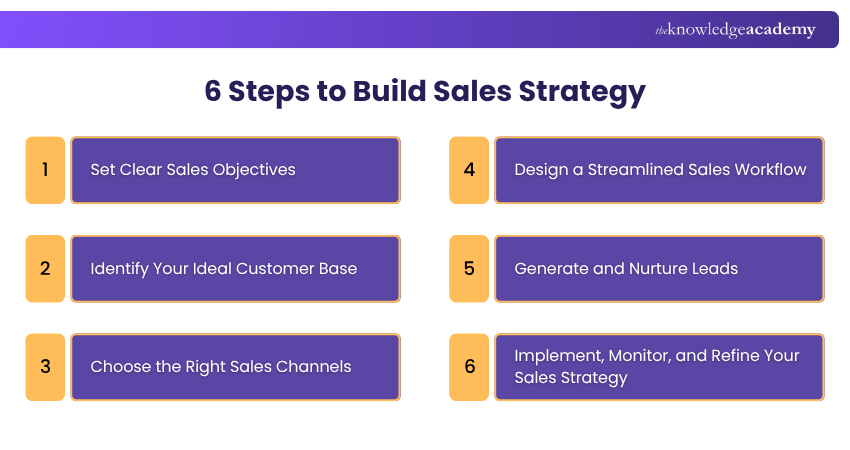
1) Set Clear Sales Objectives
a) Start by clearly defining what you want your sales team to achieve.
b) This could include income goals, revenue targets, or entering new markets.
c) Make sure the goals are specific and measurable, so everyone understands what success looks like.
d) Clear goals keep your team focused and motivated.
Remember to review and adjust them regularly to stay on track.
2) Identify Your Ideal Customer Base
a) Take time to understand who your best customers are and what they need.
b) You can group them by size; targeting large companies with high-value deals and smaller ones with more frequent, lower-priced offers.
c) Location also matters, especially if you're expanding globally, as it helps to align your approach with local needs, languages, and cultures.
d) Focusing on industries like manufacturing, healthcare, or finance lets your team build expertise and address specific challenges.
e) You can also group customers by product type.
f) Assigning different sales teams to legacy and new products helps ensure better results across your full range.
3) Choose the Right Sales Channels
a) Decide how to reach your customers, whether online, in-person, over the phone, or through other methods.
b) Customers prefer different ways of buying, so choosing the channels that work best for your audience is essential.
c) Make sure your sales team is comfortable and effective in these channels.
d) Using the right platforms will make it easier to connect with your customers.
e) This ensures you are meeting them where they are most likely to engage.
4) Design a Streamlined Sales Workflow
a) Create a step-by-step process your sales team can follow to close deals effectively.
b) This process must include everything from the first contact with a customer to finalising the sale.
c) A well-organised workflow helps your team work more efficiently and reduces the chances of missing important steps.
d) Make sure every team member understands and follows this process.
e) A smooth workflow leads to better results and happier customers.
5) Generate and Nurture Leads
a) Work on filling your income pipeline with potential clients who might be inquisitive about your service or product.
b) Use advertising campaigns, referrals, and other strategies to draw those leads.
c) Once you have leads, nurture them by retaining in contact and presenting treasured information.
d) This keeps your business on track and increases the possibility of purchasing.
e) Consistently including and nurturing leads ensures a steady glide of capability income.
6) Implement, Monitor, and Refine Your Sales Strategy
a) Put your sales plan into action and start working towards your goals.
b) Keep an eye on how well your strategy is performing by tracking key metrics like sales numbers and customer feedback.
c) If something isn’t working as expected, be ready to make changes and try new approaches.
d) Regular monitoring helps you detect problems early and improve your strategy over time.
e) Adjusting your plan as you go, especially in Outbound Sales, ensures you stay on the path to success.
Make the call and secure the leads! Sign up for our Outbound Sales Training now and boost your business strategy!
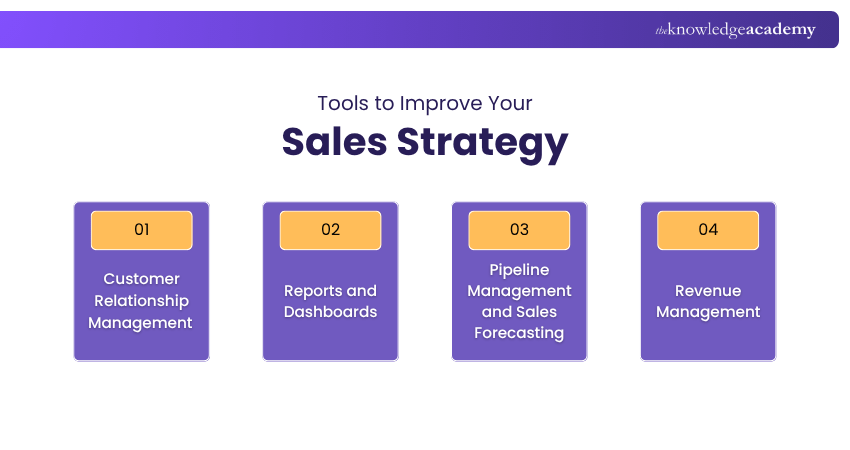
Tools to Improve Your Sales Strategy
Here are some tools that can make your sales strategy better. They make daily tasks easier, help you track results, and support teamwork. The right tools can also help you connect with customers more effectively and close deals more quickly.
1) Customer Relationship Management
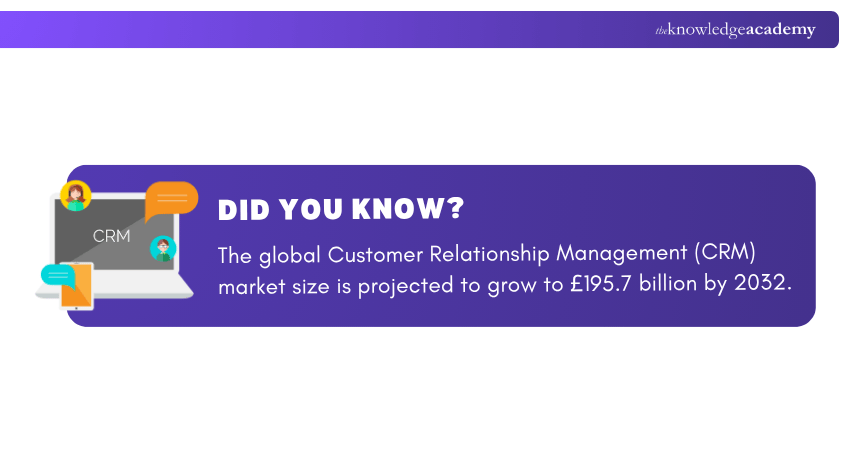
Customer Relationship Management (CRM) assists you in keeping a record of your purchaser interactions in one place. They store important data like contact information, purchase history and conversation logs. This helps your sales team manage relationships and follow up more effectively. Sales Performance Management works hand in hand with CRM to boost productivity and ensure no opportunities are missed. Popular examples include Salesforce and HubSpot CRM.
2) Reports and Dashboards
Reports and dashboards provide a clear overview of your sales performance by showing key metrics like sales volume, revenue, and conversion rates. They help you quickly identify trends, spot potential issues, and track progress toward your goals. With this information, you can make informed decisions to improve your Sales Strategy. Regularly reviewing these insights ensures your team stays on track and focuses on what matters most. Popular examples include Zoho Analytics and Microsoft Power BI.
3) Pipeline Management and Sales Forecasting
Pipeline Management tools help you monitor where each potential sale is in the process, from initial contact to closing the deal. Sales forecasting uses this data to predict future sales, helping you plan resources and set realistic targets. Together, these Types of Sales Tools give you a clear picture of your sales flow and potential outcomes. This helps you make adjustments to meet your goals and ensure consistent revenue. Popular examples include Zapier and Zendesk Sell.
4) Revenue Management
Revenue Management tools help you track and optimise the money coming into your business. They allow you to analyse pricing, sales patterns, and profitability to make better financial decisions. By comprehending where your revenue is coming from, you can focus on the most profitable areas and improve overall performance. effective Revenue Management ensures that your Sales Strategy is aligned with your financial goals. QuickBooks Online and Salesforce Revenue Cloud are two of the most popular tools for Revenue Management.
Harness the power of connection in every conversation! Register for our Relationship Sales Training now!
Sales Strategy Example
This example outlines a sales strategy featuring specific, measurable goals set by the company based on data analysis of past sales and current trends.
Scenario
A B2B company providing Cloud-based Energy Management solutions aims to expand its reach by capitalising on the growing focus on sustainability in business. The company seeks to enhance its digital presence with real-time data tracking and energy optimisation software, designed to integrate with clients' existing systems.
Goals
The objective is to boost engagement with the online platform by 30% within the first two quarters. Concurrently, they aim to increase the client list by 20%, targeting businesses transitioning from traditional energy solutions to more sustainable, smart technologies.
Action Plan
Here are the steps that comprise the action plan:
a) Launch a LinkedIn marketing campaign, posting twice-weekly updates and articles on energy efficiency and cost savings to enhance brand presence and attract more online customers.
b) Collaborate with five industry leaders in sustainable business practices within the next six months to broaden market reach.
c) Initiate a rewards programme for current clients who introduce the product to other businesses, offering service upgrades or discounts on future purchases as incentives.
d) Conduct quarterly online seminars to highlight the product's benefits and long-term savings, establishing the brand as a leader in sustainable technology for businesses.
Conclusion
A clear sales strategy helps your team stay focused, reach the right customers, and grow your business. You can build a plan that works by having an in-depth insight into What is a Sales Strategy, knowing the types, using the right tools, and following simple steps. With the right strategy, selling becomes easier, more organised, and much more successful.
It's time to elevate your sales game with cutting-edge analytics! Sign up for our Sales Analytics Training now!
Frequently Asked Questions
What are the Emerging Trends in Sales Strategies?

New trends in sales include more use of technology and data, a stronger focus on personalised selling, and the ever-growing role of Social Media in sales strategies. These changes are driven by the rise of digital platforms and the rising demand for more tailored customer experiences.
How do Sales Strategies Differ in Various Industries, and What can be Learned from These Differences?
Sales strategies vary because customer needs, buying habits, and competition vary. For example, tech sales demand technical knowledge as they involve complex products. Conversely, retail sales are quick and prioritise customer service and product display. Learning these differences helps adjust your sales approach to fit each industry.

Charlotte Wilson


Soft Skills and Business Training Manager
Charlotte Wilson is an expert in soft skills development, with over 14 years of experience helping individuals and teams improve communication, productivity and emotional intelligence in the workplace. Her training content is focused on enhancing interpersonal effectiveness and fostering positive, collaborative environments across all levels of an organisation.
View Detail

 If you wish to make any changes to your course, please


