


 Top Rated Course

We may not have the course you’re looking for. If you enquire or give us a call on +44 1344 203 999 and speak to our training experts, we may still be able to help with your training requirements.
Top Management skills for a successful career: An Ultimate Guide
William Brown 14 July 2026Management skills enable leaders to structure work, direct teams, make decisions, resolve challenges, and apply strong planning to meet organisational goals. They form the foundation for driving performance, sustaining productivity, and navigating complex business environments. With these skills, professionals create long-term organisational impact.

Training Outcomes Within Your Budget!
We ensure quality, budget-alignment, and timely delivery by our expert instructors.
Table of Contents

In today’s fast-moving and fiercely competitive workplace, the difference between a stagnant career and a thriving one often comes down to a single factor: your management skills. You may have the expertise, ambition, and drive, but without the ability to lead people, make decisions, and steer work effectively, progress can quickly stall.
This blog explores the essential management skills every professional must cultivate to advance confidently, inspire teams, and build a resilient, future-ready career. Whether you are stepping into leadership for the first time or aiming to sharpen your existing strengths, these insights will help you rise with purpose and impact.
Table of Contents
1) What are Management Skills?
2) Key Management Skills
a) Leadership
b) Planning
c) Communication
d) Decision-making
e) Delegation
f) Time Management
g) Problem-solving
h) Mentoring
i) Strategic Thinking
j) Organisation
3) What are the Three Types of Management Skills?
4) Conclusion
What are Management Skills?
Management skills can be defined as the particular competencies or characteristics that empower an executive to perform organisational duties in a proficient manner. They include the capacity to control operations, anticipate challenges, and solve difficulties on a timely basis when they occur.
The formal learning and practical managerial training solidify these skills. They prepare leaders to be collaborative with their colleagues, able to lead teams with clarity and confidence, and be able to sustain efficient and smooth effective workflows throughout the organisation.

Key Management Skills
Management Skills are the abilities that help a person plan, lead, organise, and control tasks or people to reach a goal. These skills are important for handling work smoothly, guiding teams, and making sure everything gets done on time and in the right way.
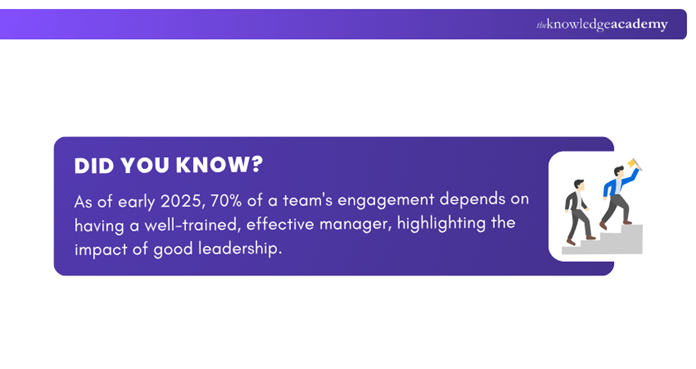
For example, a team leader uses Management Skills to assign tasks, solve problems, and check if the team is meeting deadlines. Good communication, time management, and decision-making are all part of this. These skills help keep the team focused and working well together. Without them, work can get delayed or become confusing. Here are some of the skills that help make a good manager:
1) Leadership
Leadership is when there is the capacity to lead, aspire, and encourage a group of people towards common objectives. They often create a positive work atmosphere, gain trust, and offer feedback. Apart from that, emotional intelligence, flexibility, and setting an example under pressure are all components of strong leadership.
2) Planning
Planning helps managers achieve goals by deciding what tasks need to be done, setting clear goals, and using resources wisely. It includes setting deadlines, choosing which tasks are most important, and thinking ahead about any problems that might come up. Good planning makes the work go smoothly and helps avoid delays. It also means thinking carefully about risks and making smart choices for the future.
3) Communication
Good communication is the basis of strong management. A manager must be able to share ideas clearly, listen to others, and give feedback in a way that everyone understands. Clear communication helps avoid confusion and keeps the team working well together. It also builds trust and makes sure everyone is on the same page.
4) Decision-making
Managers, leaders and executives face a myriad of decisions on a daily basis, ranging from routine operational choices to critical strategic decisions. Decision making skills are vital in making these difficult choices. The ability to make well-informed and timely choices is vital for driving organisational success.
5) Delegation
One of the Management Skills that empowers managers, and their teams is delegation. It involves tasking jobs to people as per their skills and areas of strength. Proper delegation allows team members to take accountability for their work, encourages skill development, and improves overall productivity.
6) Time Management
Time management is a critical aspect of effective management in the fast-paced business world. It involves prioritising tasks, creating schedules, and eliminating time-wasting activities to maximise productivity. Developing Time Management Skills not only ensures that deadlines are met but it also enables managers to allocate sufficient time for strategic planning and personal development.
7) Problem-solving
Problems are inevitable in any workplace, and effective leaders are adept at tackling challenges head-on. Strong Problem Solving skills allow managers to identify root causes and evaluate potential solutions. It also allows them to implement effective strategies to overcome obstacles.
8) Mentoring
One important Management Skill that focuses on helping team members reach their full potential is mentoring. It entails helping staff members overcome obstacles while fostering their confidence and skill sets. Good mentoring fosters a culture of learning, raises spirits, and encourages sustained professional development.
9) Strategic Thinking
Strategic thinking is the ability to envision the long-term goals of the organisation and devise plans to achieve them. Executives with Strategic Thinking Skills can lead their teams towards sustainable success by aligning daily efforts with overarching objectives.
10) Organisation
To manage work, time, and resources well, a manager needs to be organised. It helps the team work together smoothly, meet deadlines, and keep projects on track. When tasks are clearly planned and in order, it reduces stress and helps everyone work better.
11) Commercial Awareness
Commercial awareness means understanding how a business works and how your job supports its bigger goals. It includes knowing about market trends, competitors, and changes in the economy. A manager with this skill can spot new chances, solve problems quickly, and guide the team in the right direction.
12) Continuous Learning
Managers, leaders and executives should be lifelong learners, constantly seeking opportunities to expand their skills and knowledge. Embracing continuous learning ensures that they stay updated with the best practices and emerging technologies. This commitment to growth sets an inspiring example for the entire team.
13) Empowerment
Powerful empowerment implies understanding of what encourages employees and assigning them work where they can best perform. It entails giving them autonomy, direction and trust to enable them to maximise their potentials. Powerful leaders will provide a setting that will enable their team to perform at their highest level of comfort.
14) Appreciation
Appreciation entails the power to be genuinely grateful for the effort and achievements of your team. Employees will feel seen and heard, morale, engagement, and productivity will automatically rise. Recognition is a regular and significant phenomenon that is practised by skilled managers.
15) Employee Retention
Grasp the Management skill in constructing methods that would keep the best talents loyal to the company and retain them. It includes providing the chance to progress, assisting, and maintaining a positive, rewarding environment.
Discover the art of effective problem-solving with our Problem Solving Training – Sign up now!
What are the Three Types of Management Skills?
Robert Katz, an American social and organisational psychologist, has differentiated three fundamental categories of management skills that are crucial for successful leadership:
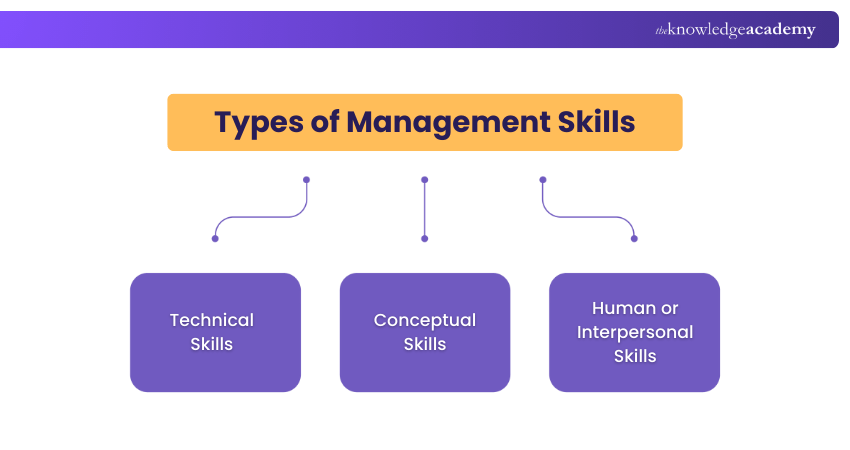
1) Technical Skills: These are practical abilities that allow managers to employ tools, systems, and methods for the achievement of operational goals. They encompass the competencies in production, product development, sales, and service delivery.
2) Conceptual Skills: These are the skills of strategic thinking that empower managers to dissect problems, comprehend abstract ideas, and come up with efficient solutions. They also allow the leaders to foresee the difficulties and lead the organisational direction.
3) Human or Interpersonal Skills: The people-focused skills that are of great help in communication, collaboration, and building relationships. The managers with these qualifications will be able keep the atmosphere of the workplace very active and pleasant.
Unlock your leadership potential and propel your career to new heights with our Executive Strategy Training – Sign up today!
Conclusion
Acquiring management skills is no longer merely an advantage in the contemporary competitive business environment; it is a requirement for every professional who aims to lead with confidence. The management skills that you possess determine the degree to which you can effectively motivate, invite new ideas, and produce results, whether you are in charge of a small group or the whole company. So, take the initiative now, and you won’t just advance your career but also reveal your entire potential as a leader who truly transforms the organisation.
Take the next step in your career journey with our Management Training For New Managers Course – Sign up now!
Frequently Asked Questions
What are the 5 key Points of Management?

The five major management points are Planning, Organising, Staffing, Directing, and Controlling. They assist managers in establishing goals, resource allocation, leading teams, and tracking progress to ensure that the business goals are achieved efficiently and effectively.
Why are Management Skills a Priority for Nurses?
Management Skills are essential for nurses as they help coordinate patient care, manage teams, and ensure smooth hospital operations. Strong leadership, communication, and decision-making abilities enable nurses to improve outcomes, handle emergencies, and maintain high standards of care.

William Brown


Senior Business Analyst and Strategic Advisor
William Brown is a senior business analyst with over 15 years of experience driving process improvement and strategic transformation in complex business environments. He specialises in analysing operations, gathering requirements and delivering insights that support effective decision making. William’s practical approach helps bridge the gap between business goals and technical solutions.
View Detail

 If you wish to make any changes to your course, please


