


 Top Rated Course

We may not have the course you’re looking for. If you enquire or give us a call on +352 20 33 17 60 and speak to our training experts, we may still be able to help with your training requirements.
How Much Protein Do I Need | Muscle & Health
Michael Jones 24 April 2026Protein intake is crucial for a human body to function properly and has a lot of benefits. Wondering How Much Protein You Need? Learn how to calculate your intake, find key tips, protein sources, and what to eat for good health and muscle growth. The amount of protein you need depends on your body weight, activity level, and goals.

Training Outcomes Within Your Budget!
We ensure quality, budget-alignment, and timely delivery by our expert instructors.
Table of Contents
Protein is more than just a gym thing. It is the superhero your body needs; minus the cape, plus the gains. It's what keeps our body functioning, our brain sharp, and our days fuelled. But How Much Protein do I Need? And how much is too much? Let's make it interesting and solve the puzzle once and for all.
Not just to flex at the gym, but to thrive at life. From fuelling your morning hustle to repairing your body after a long day, protein is your silent power source. But is more always better? Or are you overdoing it without even knowing? This isn’t about trends, but about truth. Let’s break down How Much Protein do I need to uncover the ideal daily dose of this mighty nutrient.
Table of Contents
1) How Much Protein do I Need?
2) Tips for Getting Enough Protein
3) What Foods Are High in Protein?
4) Do I Need More Protein If I Exercise?
5) Is Protein Essential for Building Muscle?
6) Conclusion
How Much Protein do I Need?
Factors like age, gender, activity level, weight, and overall health goals decide the amount of Protein you need. Nutrient requirements are measured in grams per kilogram (g/kg) of body weight. Here is a simple estimated Formula:
Protein (g/day) = Body weight (kg) × Recommended g/kg

Here are the Instructions on the Correct Protein Intake:
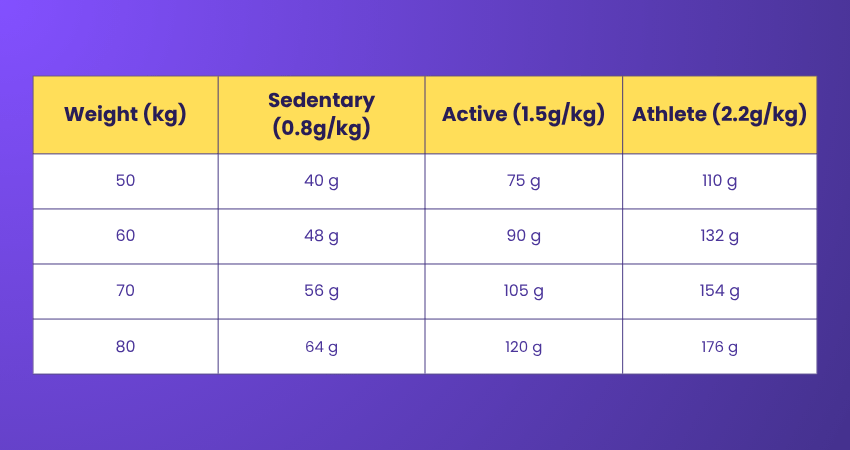
1) Sedentary Adults: About 0.8 grams per kg of body weight for a 70 kg person, that’s around 56 grams of protein per day.
2) Active Individuals or Athletes: 1.2 to 2.0 g/kg depending on the intensity of physical activity supports muscle repair and recovery.
3) Older Adults: 1.0 to 1.2 g/kg may help maintain muscle mass and prevent age-related loss.
4) Pregnant or Breastfeeding Women: Additional 25 grams per day recommended to support baby’s growth
5) Bodybuilders or Muscle Gainers: Up to 2.2 g/kg may be used temporarily for muscle development

Tips for Getting Enough Protein
Getting the right amount of protein daily helps maintain energy, build muscle, and support physical health. Here are some smart, science-backed ways that ensures you're meeting your protein needs.
Calculate Protein Intake Based on Body Weight
The first step is to understand how much protein you personally need. Protein requirements vary depending on your age, activity level, and goals. This ensures you're not just guessing but aligning your protein intake with your body's needs.
General Rule: Multiply your body weight in kilograms by a recommended range
1) 0.8 g/kg for sedentary adults
2) 1.2–2.0 g/kg for active individuals
3) 2.2 g/kg for athletes or bodybuilders
Learn how to develop a healthy diet and exercise program with our Nutrition and Fitness Training - Sign up today!
Recommended Daily Protein Intake by Weight
You can use this table as a quick reference to find your daily target.
Get 30% of Your Calories from Protein
Another simple method to calculate your intake is aiming for 30% of your daily calories to come from protein. This approach works well if you’re using nutrition apps or tracking calories.
1) For a 2000-calorie diet, this means about 150 grams of protein (1g = 4 calories)
2) Adjust up or down depending on your actual calorie needs
Try These Protein Sources
Protein sources can fit into meals, snacks, or even desserts for flexible protein planning. Add a mix of animal and plant-based proteins to meet your needs:
1) Animal-based: Eggs, chicken, fish, turkey, Greek yoghurt, cottage cheese
2) Plant-based: Lentils, chickpeas, tofu, tempeh, quinoa, nuts, chia seeds
3) Convenient Options: Protein bars, shakes, fortified cereals, edamame
Eat Protein Throughout the Day
Food distribution improves protein synthesis and supports muscle health. Rather than consuming most of your protein at one meal, you can spread it out:
1) Breakfast: Scrambled eggs or protein smoothie
2) Lunch: Grilled chicken wrap or lentil salad
3) Snack: Almonds, boiled eggs, or Greek yoghurt
4) Dinner: Salmon with quinoa and vegetables
What Foods are High in Protein?
Foods high in protein includes both animal and plant-based options. Including a mix of these helps meet your daily protein needs effectively. Here is a list of Protein for your assistance:
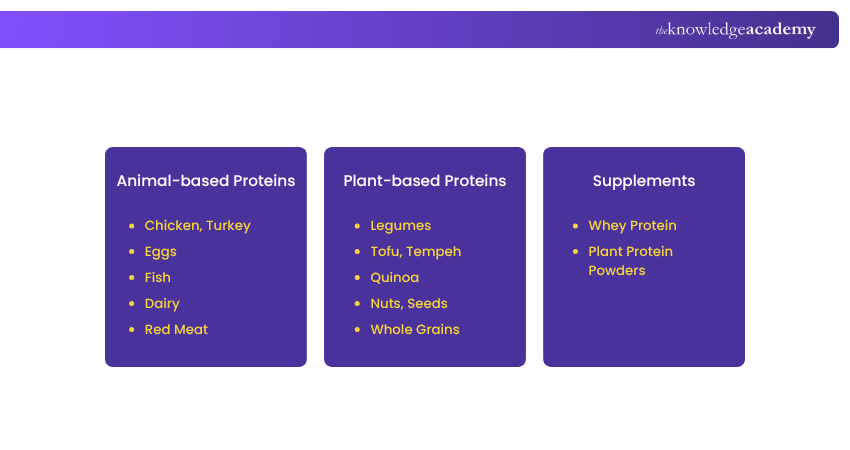
1) Animal-based Proteins
a) Chicken, Turkey: Lean and muscle-building
b) Eggs: High bioavailability and nutrients
c) Fish: Rich in omega-3 and easy to digest
d) Dairy: Casein and whey, plus calcium
e) Red Meat: Protein-rich, but best in moderation
2) Plant-based Proteins
a) Legumes: Lentils, beans, chickpeas; high in fibre and protein
b) Tofu, Tempeh: Joy-based complete proteins
c) Quinoa: Gluten-free grain with all essential amino acids
d) Nuts, Seeds: Great snacks with healthy fats
e) Whole Grains: Combine with legumes for balance
3) Supplements
1) Whey Protein: Fast-digesting, ideal post-workout
2) Plant Protein Powders: Pea, rice, hemp; good vegan options
Do you want to recognise how to develop positive health habits in your daily lifestyle? Sign up for our Active and Healthy Lifestyles Training now!
Do I Need More Protein If I Exercise?
Yes, your body needs more protein when you’re physically active. If you're lifting weights, running, cycling, doing yoga, or playing sports, exercise puts stress on your muscles . To repair the small tears in muscle fibres and to support recovery, protein is essential. It not only helps rebuild muscles but also makes them stronger over time. Here are some reasons:
1) Strength training causes tiny muscle tears that protein helps heal and grow back stronger.
2) Even cardio activities like running or swimming break down muscle requires recovery fuel.
3) Adequate protein intake reduces muscle soreness and helps your body bounce back.
4) Higher protein helps preserve lean muscle while burning fat, especially in calorie deficits.
5) Proper recovery from workouts boosts stamina and strength over time.
6) Protein takes more energy to digest and absorb, slightly increasing your metabolic rate.
Pro Tip: Drinking enough water and pairing protein with carbs and healthy fats also helps maximise muscle repair and nutrient absorption.
Is Protein Essential for Building Muscle?
Yes, protein is considered crucial for building muscle because it helps repair and grow your muscles as you exercise. When you lift weights or do any kind of strength training, your muscles get tiny tears. This is considered as good as your body fixes these tears using protein. This helps your muscles grow back stronger and bigger.
If you don’t eat enough protein, your muscles won’t heal properly, and you may not see much progress. That’s why people who want to build muscle eat protein-rich foods like eggs, chicken, fish, beans, or even protein shakes. Along with regular exercise, eating the right amount of protein helps you gain muscle faster and stay healthy.
Conclusion
Getting the right amount of protein is important for maintaining muscle, supporting metabolism, faster recovery, and promoting overall health. While individual needs vary based on weight, activity level, and life stage, learning How Much Protein do I Need can help you stay on track. Whether you're an athlete, a busy professional, or simply health-conscious, consistently including quality protein sources in your meals can make a big difference.
Enhance your food safety standards with our Food Hygiene and Safety in Manufacturing Training- Register now!
Frequently Asked Questions
How Much Protein is Too Much?

Consuming too much protein, especially from supplements. They may strain your kidneys, cause dehydration, and lead to nutrient imbalances. For most healthy people, up to 2.2g per kg of body weight is safe but consistently exceeding this may do more harm than good in the long term.
What Happens if you Don’t Get Enough Protein?
Low protein intake can lead to muscle loss, fatigue, weakened immunity, hair thinning, and slow recovery after exercise or injury. Over time, it may also affect skin health and concentration. Ensuring adequate daily protein is essential for energy, strength, and overall body function.
What are the Other Resources and Offers Provided by The Knowledge Academy?
The Knowledge Academy takes global learning to new heights, offering over 3,000+ online courses across 490+ locations in 190+ countries. This expansive reach ensures accessibility and convenience for learners worldwide.
Alongside our diverse Online Course Catalogue, encompassing 19 major categories, we go the extra mile by providing a plethora of free educational Online Resources like Blogs, eBooks, Interview Questions and Videos. Tailoring learning experiences further, professionals can unlock greater value through a wide range of special discounts, seasonal deals, and Exclusive Offers.
What is The Knowledge Pass, and How Does it Work?
The Knowledge Academy’s Knowledge Passa prepaid voucher, adds another layer of flexibility, allowing course bookings over a 12-month period. Join us on a journey where education knows no bounds.
What are the Related Courses and Blogs Provided by The Knowledge Academy?
The Knowledge Academy offers various Food Safety Training, including Food Hygiene and Safety Training, Nutrition and Fitness Training and Active and Healthy Lifestyle Training. These courses cater to different skill levels, providing comprehensive insights into Food Safety Management System.
Our Health & Safety Blogs cover a range of topics related to Health and Fitness, offering valuable resources, best practices, and industry insights. Whether you are a beginner or looking to advance your Health and Fitness knowledge, The Knowledge Academy's diverse courses and informative blogs have you covered.

Michael Jones


Health and Safety Consultant and Compliance Trainer
Michael Jones is a seasoned health and safety expert with more than 15 years of experience in workplace safety, risk management, and compliance training. He has worked across construction, manufacturing, and corporate sectors, helping organisations meet legal requirements and create safer working environments. Michael’s training and writing are known for being practical, clear, and aligned with UK regulations.
View Detail

Upcoming Health & Safety Resources Batches & Dates
Date
 Food Safety and Hygiene Course
Food Safety and Hygiene Course
Fri 9th Oct 2026
Food Safety and Hygiene Course
Fri 18th Dec 2026

 If you wish to make any changes to your course, please


