


 Top Rated Course


We may not have the course you’re looking for. If you enquire or give us a call on +44 1344 203 999 and speak to our training experts, we may still be able to help with your training requirements.
What is Data Masking? The Ultimate Guide to Data Privacy
Lily Turner 18 April 2026Data Masking is a security technique that protects sensitive information by replacing real data with masked data. It ensures privacy and keeps data useful for testing and analysis. Understanding What is Data Masking involves learning its types, techniques, and benefits to help businesses secure their data while maintaining functionality.

Training Outcomes Within Your Budget!
We ensure quality, budget-alignment, and timely delivery by our expert instructors.
Table of Contents

Imagine handling sensitive customer data, and an unauthorised user gains access—how do you prevent a breach without disrupting operations? That’s where Data Masking helps. It hides real information while keeping it usable for testing, analysis, and development. With Data Masking, businesses can protect financial records, personal details, and confidential data from cyber threats. In this blog, we will discuss What is Data Masking, why it matters, and the best techniques to secure data while keeping it functional.
Table of Contents
1) What is Data Masking?
2) Why is Data Masking Important?
3) Different Types of Data Masking
4) Techniques for Data Masking
5) Challenges in Data Masking
6) Best Practices for Data Masking
7) How Does Data Masking Help with Compliance?
8) Can Data Masking Be Reversed?
9) Conclusion
What is Data Masking?
Data Masking is a way to hide real Data by replacing it with fake but similar-looking data. It helps protect sensitive information from being seen by unauthorised users. Businesses use Data Masking to keep customer details, financial records, and personal data safe while still allowing systems to work properly for testing and analysis.

Why is Data Masking Important?
Here are the benefits of it:
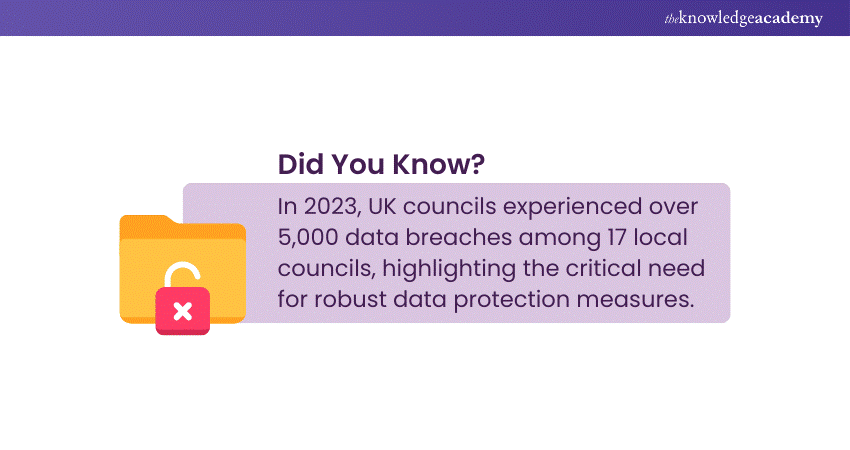
a) Keeps personal and business information safe from unauthorised access
b) Reduces the risk of hackers stealing important data
c) Allows teams to use realistic data without exposing real information
d) Helps businesses follow data protection rules like GDPR
e) Protects customer trust by keeping their data secure
Different Types of Data Masking
Here are the various Data Masking types:
Static Data Masking
Static Data Masking permanently replaces sensitive data with masked data in a copy of the database. The original data remains secure, while the masked version is used for testing or training. This ensures that real data is never exposed.
a) Creates a separate, masked copy of the database
b) Ensures original data remains untouched
c) Used for development, testing, and training
Deterministic Data Masking
Deterministic Data Masking replaces the same input value with the same masked value every time. This means that if two users have the same data, they will both get the same masked version, making it useful for consistency in reports and analysis.
a) Ensures repeatable and consistent masked values
b) Keeps data structure intact for analytics
c) Useful for financial and healthcare industries
On-the-fly Data Masking
On-the-fly Data Masking applies masking while data is being transferred from one system to another. It ensures that sensitive data is masked before reaching an external environment, reducing security risks.
a) Works in real-time during data transfer
b) Prevents sensitive data from leaving secure areas
c) Ideal for cloud migrations and third-party sharing
Dynamic Data Masking
Dynamic Data Masking hides sensitive data in real-time when users access it without changing the original data. It is used when different users need different levels of access, ensuring privacy.
a) Applies masking only when data is viewed
b) Protects data without altering the database
c) Ideal for role-based access control
Techniques for Data Masking
Here are the most common Data Masking techniques that help protect sensitive information:

Encryption
It changes sensitive data into a secret code using a special key. Only users with the correct key can decode and read the original data. This method is widely used for securing financial and personal information.
Redaction
It completely removes or hides sensitive data, making it unreadable. It is often used in legal documents and medical records to protect personal information. Once redacted, the data cannot be recovered.
Shuffling
It rearranges the order of data within a dataset while keeping the format the same. For example, names and phone numbers in a database might be swapped to hide real identities. This technique helps maintain realistic-looking but untraceable data.
Date Switching
It replaces real dates with different but valid ones within a similar range. For example, birthdates in a database might be changed by a few days or months to hide exact identities. This ensures data remains useful while protecting privacy.
Tokenization
It replaces real data with random tokens that have no real meaning. For example, a credit card number may be replaced with a unique token that represents it. This keeps sensitive data safe while allowing systems to function normally.
Nulling
It replaces sensitive data with blank or "NULL" values. This method completely removes access to the original data while keeping the database structure intact. It is useful when certain users need access to records but not personal details.
Lookup Substitution
It changes real data with alternative values from a predefined list. For example, a real city name could be swapped with another random city from a lookup table. This keeps the data format consistent while protecting its true meaning.
Understand tools to interpret data with our Data Analysis Training Using MS Excel Training– Join today!
Challenges in Data Masking
Here are some common challenges businesses face in Data Masking:
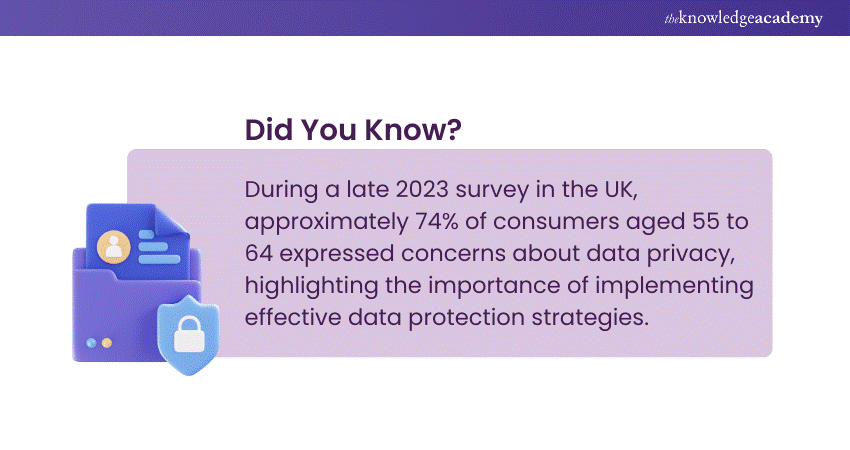
a) Large databases like Big Data takes time and resources to mask properly while keeping data usable
b) Some masking methods may weaken data security and still expose sensitive information
c) Masked data must remain useful for testing and reporting without losing accuracy
d) Certain applications and software may not support masked data formats
e) Masking can slow down database performance if not implemented efficiently
Best Practices for Data Masking
Here are the best practices to ensure Data Masking is secure:
Use Strong Masking Techniques
a) Choose reliable methods like encryption, tokenisation, or shuffling
b) Ensure masked data cannot be easily reversed or decoded
c) Apply different masking techniques based on data sensitivity
Keep Data Usable
a) Make sure masked data stays useful for testing and analysis
b) Maintain the same format and structure as the original data
c) Check that masked data works well with all systems
Follow Security Guidelines
a) Protect sensitive data with strict access controls
b) Regularly update masking methods to meet security standards
c) Monitor and test masking to prevent data leaks
Automate the Masking Process
a) Use automation tools to save time and minimise errors
b) Ensure masking happens in real-time where needed
c) Schedule regular updates to keep masked data secure
Learn how to interpret data with our Big Data and Hadoop Solutions Architect Training– Join today!
How Does Data Masking Help with Compliance?
Data Masking assists companies in meeting data protection regulations by keeping sensitive information hidden from unauthorised users. This practice helps prevent data breaches and supports legal compliance.
Can Data Masking Be Reversed?
In most cases, Data Masking is irreversible, meaning the original data cannot be recovered. However, some weak masking methods may still expose data if not done properly.
Conclusion
We hope this blog has helped you understand What is Data Masking and why it is important. It keeps sensitive data safe by hiding real information while allowing businesses to use it for testing and analysis. As data security becomes more important, businesses should follow best practices to ensure their information stays protected and useful.
Learn the basics of Big Data with our Big Data Analysis Course – Join today!
Frequently Asked Questions
What is the Difference Between Data Masking and Encryption?

Data Masking replaces real data with fake but similar-looking data, while encryption converts data into a code that can only be unlocked with a key. Masked data stays usable for testing, but encrypted data must be decrypted to be read.
What is Another Word for Data Masking?
Another term for Data Masking is data obfuscation. It means hiding or scrambling sensitive information to prevent unauthorised access.
What are the Other Resources and Offers Provided by The Knowledge Academy?
The Knowledge Academy takes global learning to new heights, offering over 3,000+ online courses across 490+ locations in 190+ countries. This expansive reach ensures accessibility and convenience for learners worldwide.
Alongside our diverse Online Course Catalogue, encompassing 19 major categories, we go the extra mile by providing a plethora of free educational Online Resources like Blogs, eBooks, Interview Questions and Videos. Tailoring learning experiences further, professionals can unlock greater value through a wide range of special discounts, seasonal deals, and Exclusive Offers.
What is The Knowledge Pass, and How Does it Work?
The Knowledge Academy’s Knowledge Pass, a prepaid voucher, adds another layer of flexibility, allowing course bookings over a 12-month period. Join us on a journey where education knows no bounds.
What are the Related Courses and Blogs Provided by The Knowledge Academy?
The Knowledge Academy offers various including Advanced Data Analytics Course, Data Analytics With R Course, and Big Data Analysis Course. These courses cater to different skill levels, providing comprehensive insights into Number Series.
Our Data, Analytics & AI Blogs cover a range of topics related to Data Masking, offering valuable resources, best practices, and industry insights. Whether you are a beginner or looking to advance your Big Data Masking knowledge, The Knowledge Academy's diverse courses and informative blogs have got you covered.

Lily Turner


Senior AI/ML Engineer and Data Science Author
Lily Turner is a data science professional with over 10 years of experience in artificial intelligence, machine learning, and big data analytics. Her work bridges academic research and industry innovation, with a focus on solving real-world problems using data-driven approaches. Lily’s content empowers aspiring data scientists to build practical, scalable models using the latest tools and techniques.
View Detail

 If you wish to make any changes to your course, please


