


 Top Rated Course


We may not have the course you’re looking for. If you enquire or give us a call on 01344 203999 and speak to our training experts, we may still be able to help with your training requirements.
Psychological Disorders: Types, Symptoms, and Treatments
Michael Jones 25 April 2026A psychological disorder, also known as a mental illness, is a condition that significantly affects a person's thoughts, emotions, and behaviors. It affects how individuals cope with stress, relate to others, and make decisions. Early understanding and support can significantly improve quality of life and recovery outcomes.

Training Outcomes Within Your Budget!
We ensure quality, budget-alignment, and timely delivery by our expert instructors.
Table of Contents
A psychological disorder, also known as a mental illness, is a condition that significantly affects a person's thoughts, emotions, and behaviors. It affects how individuals cope with stress, relate to others, and make decisions. Early understanding and support can significantly improve quality of life and recovery outcomes.
Table of Contents
1) What are Psychological Disorders?
2) Importance of Understanding Psychological Disorders
3) Examples of Psychological Disorders
4) What is the Most Serious Psychological Disorder?
5) What is the 3-3-3 Rule for Anxiety?
6) Conclusion
What are Psychological Disorders?
A psychological disorder is a mental health issue which has an impact on the thought processes, feelings, or actions of a person and eventually the person may find it hard to live normally. However, with appropriate assistance and therapy, a lot of individuals will be able to control their symptoms, and even, greater their quality of life.
Unlock the intricacies of the human mind – Register now in our Psychology Course!
Importance of Understanding Psychological Disorder
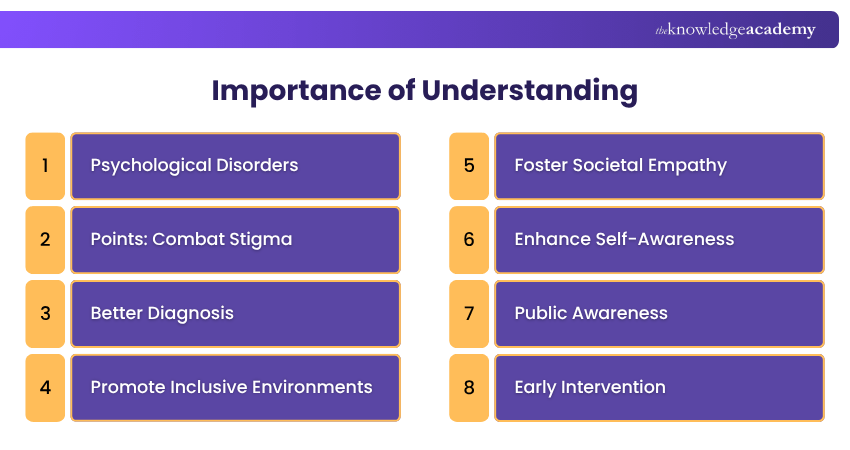
Understanding psychological disorders will assist in the realization of a more humane and better-informed society. When individuals understand the influence of such conditions on thoughts, feelings, and behaviour, then it is simpler to substitute evaluation with sympathy.
Attainment of such awareness is also a way of promoting early intervention, eliminating stigma, and empowering individuals to seek help and do it without intimidation or embarrassment. The awareness promoting in mental health will ensure we have healthier communities as we are able to treat it just like the physical health with the same seriousness.
Empower your understanding of mental well-being with our course on Handle Stress And Develop Your Resilience!
Examples of Psychological Disorders
Psychiatric disorders are diverse; their effects vary on the three aspects of human experience - thoughts, emotions, and behaviour. Familiarity with these cases not only makes it easier to detect symptoms early on but also, by recognising the signals, to offer support in time.
1) Depressive Disorders
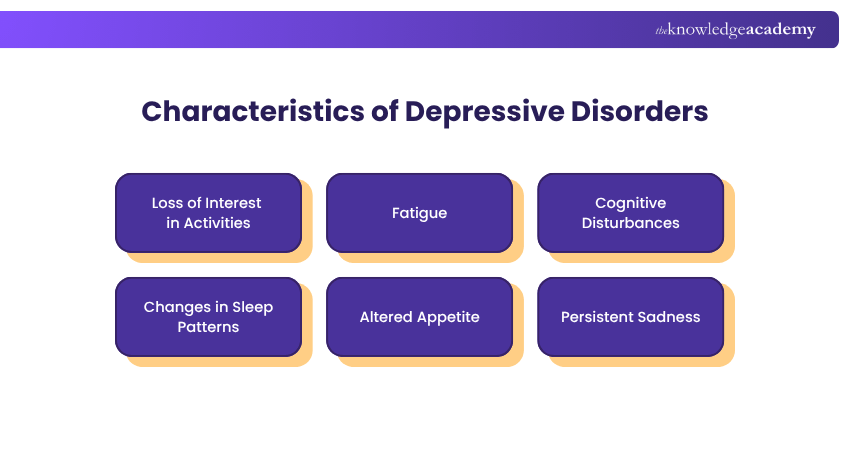
As the name suggests, depressive disorders are characterised by ongoing sadness, low energy, and loss of interest in daily activities. In addition to these primary symptoms, concentration, sleep, appetite, and overall wellbeing may also suffer from the patient's condition.
2) Anxiety Disorders
The main feature of anxiety disorders is that the patient is not able to manage and control his/her excessive worrying, fear, or nervousness, which ultimately takes over his/her life completely and disrupts all their daily activities. The main manifestations of anxiety disorders include generalised anxiety, panic attacks, social anxiety, and specific phobias.
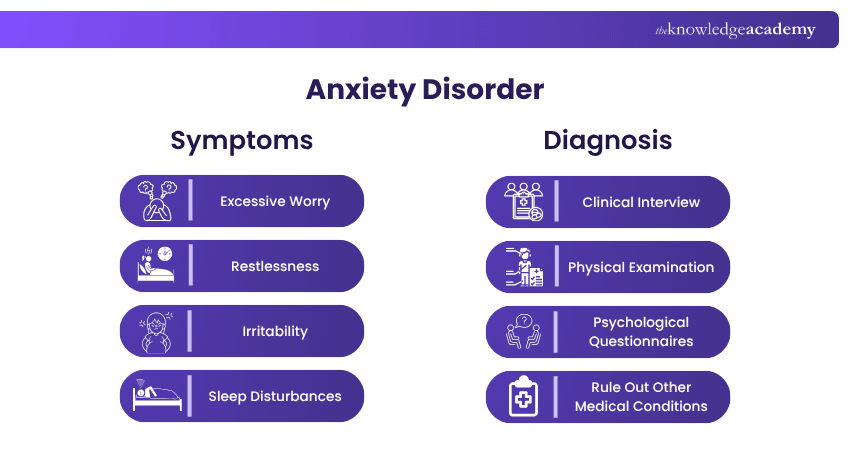
Lead you mind against anxiety with our Anxiety Course!
3) Bipolar and Related Disorders
Bipolar-related Disorders are linked to neurological and hormonal fluctuations that cause intense shifts in mood and perception. During manic phases, a person might feel highly confident, speak quickly, make spontaneous plans, or engage in risky behaviour without recognising consequences.
When the cycle swings to the depressive phase, the same person may feel empty, overwhelmed by guilt, or extremely fatigued. These contrasting emotional states can affect relationships, financial decisions, and self-identity if not managed with awareness and support.
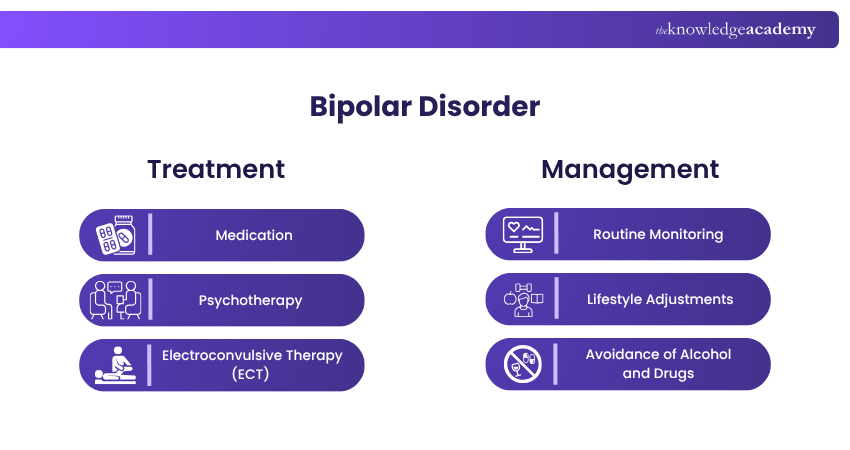
Embrace the present and cultivate inner peace with our Mindfulness Training!
4) Psychotic Disorders
Psychotic disorders are a category of disorders that affect one's cognition and perception. An individual suffering from schizophrenia, for instance, may experience hallucinations, delusions and also have disorganised thinking.
Empower change and foster understanding – Register now in our Psychology of Personal Growth Training
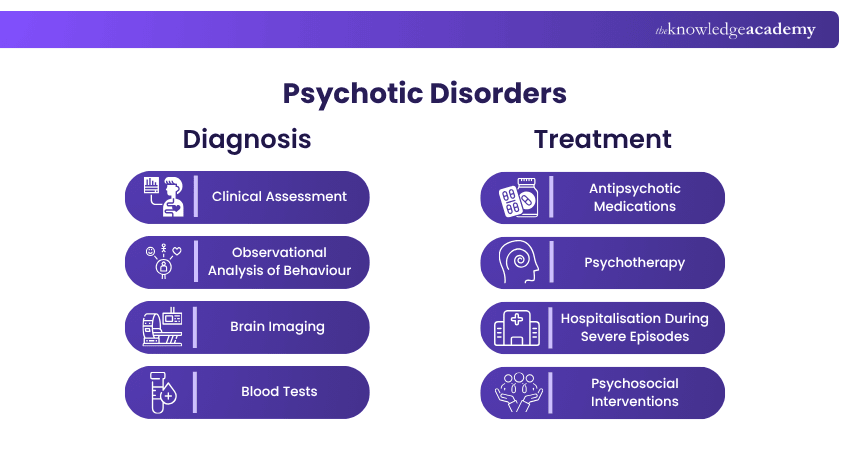
Empower change and foster understanding – Register now in our Psychology of Personal Growth Training!
5) Obsessive-Compulsive and Related Disorders
Obsessive-compulsive disorders are marked by the occurrence of intrusive thoughts that the patient cannot control (obsessions) as well as compulsive movements that are repeated over and over. These highly disturbing symptoms can have a significant effect on the patient's daily life, such as in the case of performing regular tasks, participating in social life, and general well-being.
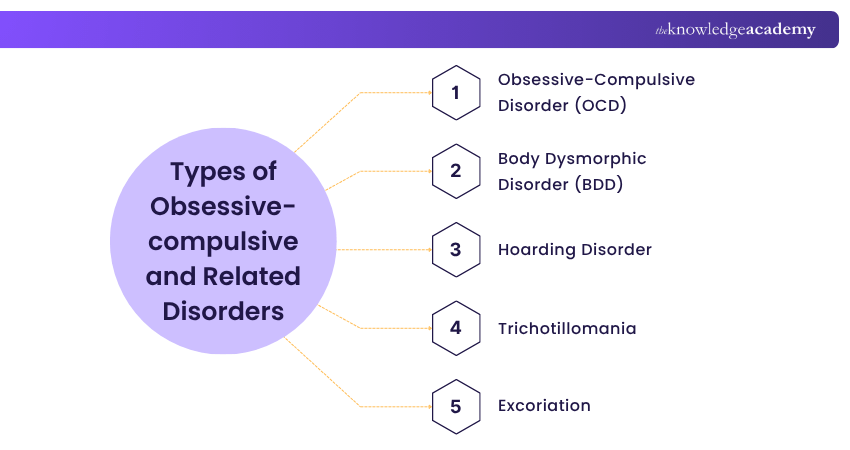
Step forward in safeguarding mental well-being – Sign up for our Prevention Psychology Training!
What is the Most Serious Psychological Disorder?
While declaring a single “most serious” psychological disorder is subjective, schizophrenia is often cited as one of the most profoundly disruptive to a person’s life. It is a chronic and severe mental illness marked by delusions, hallucinations, disordered thinking, and challenges with perception and emotion, dramatically impacting one’s ability to distinguish reality from illusion.
Some experts argue that borderline personality disorder (BPD) also deserves mention due to the intensity of emotional instability, chronic self-harm risk, and relational volatility it brings. The debate underscores a key point: severity depends on individual experience, access to treatment, support networks, and how the disorder manifests in daily functioning.
What Is The 3 3 3 Rule for Anxiety?
The 3 3 3 rule is a simple grounding technique designed to pull you out of spiraling anxious thoughts and anchor you in the present moment. When you feel anxiety creeping in, you pause and name three things you can see, three things you can hear, and then move three parts of your body (for example, wiggle fingers, rotate ankles, shrug your shoulders).
This method works by redirecting your attention from internal distress toward external, non-threatening stimuli, which can calm the nervous system and break the cycle of rumination. You can repeat it as many times as needed until you feel steadier.
Conclusion
Recognising the impact of Psychological Disorders on people is a crucial phase in the process of developing empathy and awareness. The elimination of negative attitudes regarding mental health problems is important to provide support at the right time. By having enlightened viewpoints, we can create a more compassionate and healthier society.
Optimise workplace dynamics with our Psychology of Behaviour at Work Training!
Frequently Asked Questions
Can Mental Illnesses be Cured?

Certainly not. Experiencing mental health challenges is not the same as being weak or having poor mind control. Mental health challenges arise from a range of biological, environmental, and genetic vulnerabilities. Individuals with mental illnesses often need to pull out enormous amounts of strength just to survive the 'normal' day. That is resilience, not weakness.
Is Having a Mental Illness a Sign of Weakness?
Definitely not. Mental health difficulties don't equate to someone being weak or lacking willpower. They instead emerge from a complex interaction of biological, environmental, and genetic sensitivities. On top of that, it takes courage and accountability to acknowledge the presence of a mental health ailment and seek assistance.
What are the Other Resources and Offers Provided by The Knowledge Academy?
The Knowledge Academy takes global learning to new heights, offering over 3,000+ online courses across 490+ locations in 190+ countries. This expansive reach ensures accessibility and convenience for learners worldwide.
Alongside our diverse Online Course Catalogue, encompassing 17 major categories, we go the extra mile by providing a plethora of free educational Online Resources like Blogs, eBooks, Interview Questions and Videos. Tailoring learning experiences further, professionals can unlock greater value through a wide range of special discounts, seasonal deals, and Exclusive Offers.
What is The Knowledge Pass, and How Does it Work?
The Knowledge Academy’s Knowledge Pass, a prepaid voucher, adds another layer of flexibility, allowing course bookings over a 12-month period. Join us on a journey where education knows no bounds.
What are the Related Courses and Blogs Provided by The Knowledge Academy?
The Knowledge Academy offers various Mental Health Courses, including the Mental Capacity Training, Mindfulness Training, and Positive Psychology Course, and the Earned Value™ Management Foundation Course. These courses cater to different skill levels, providing comprehensive insights into How to Be Happy.
Our Health & Safety Blogs cover a range of topics related to Psychological Disorders, offering valuable resources, best practices, and industry insights. Whether you are a beginner or looking to advance your Health & Safety skills, The Knowledge Academy's diverse courses and informative blogs have got you covered.

Michael Jones


Health and Safety Consultant and Compliance Trainer
Michael Jones is a seasoned health and safety expert with more than 15 years of experience in workplace safety, risk management, and compliance training. He has worked across construction, manufacturing, and corporate sectors, helping organisations meet legal requirements and create safer working environments. Michael’s training and writing are known for being practical, clear, and aligned with UK regulations.
View Detail


 If you wish to make any changes to your course, please


