




We may not have the course you’re looking for. If you enquire or give us a call on + 1-866 272 8822 and speak to our training experts, we may still be able to help with your training requirements.
What is Root Cause Analysis? Definition, Process & Examples
ByNilotpal SarmahLast updated on: 24 September 2026
Root Cause Analysis (RCA) is a structured approach to identifying the foundational reasons behind problems rather than just addressing the front-line symptoms. It involves techniques like the 5 Whys and Fishbone Diagrams and can be applied to fields such as Manufacturing, Healthcare and IT, to prevent future problems.

In 1986, the Chernobyl nuclear disaster shocked the world; not just because of the explosion, but because of what it revealed underneath: layers of human error, design flaws, and miscommunication. This tragic event is a haunting example of why Root Cause Analysis (RCA) matters. RCA isn’t just about fixing what’s broken; it’s about digging deep to find the real reason things go wrong.
It reveals hidden patterns we often overlook and bridges the gap between tough problems into creative solutions. This blog explores Root Cause Analysis in detail, highlighting how it works and why it’s so powerful. So read on and embrace the smart way of preventing and treating problems!
What is Root Cause Analysis (RCA)?
Root Cause Analysis (RCA) is a popular structured method used to identify the primary cause of a problem or incident in an organisation. Instead of just fixing the visible symptoms, it digs deeper to uncover what truly caused the issue. The aim is to prevent it from happening again by solving the root cause.
RCA involves collecting data, reviewing events, finding key contributing factors, and creating corrective actions. Common tools include the 5 Whys and the Fishbone Diagram, which are used across various fields, such as healthcare, manufacturing, and IT, to improve processes.

How to do Root Cause Analysis?
Root Cause Analysis is a powerful, proven way to find out the main reasons why a problem happened. To accomplish this, you follow certain steps, such as using Root Cause Analysis Templates, that help you look closely and carefully at the problem. This helps companies figure out the real reasons for the problem, and then, they can fix it properly.

1) Define the Problem
Defining the problem is the primary step in Root Cause Analysis. A well-defined problem statement sets the foundation for a focused RCA. It involves the following activities:
1) Start the process by clearly defining the problem or incident that requires analysis.
2) Describe the issue in specific terms.
3) Include information on its impact, frequency, and any relevant background information.
2) Gather Information
Collect all available Data and information related to the problem. The goal is to understand the problem and its context comprehensively. This may include the following:
1) Incident reports
2) Documentation
3) Data logs
4) Witness statements
5) Any other relevant sources
3) Identify Possible Causes
This step includes conducting the following activities:
1) Brainstorming and creating a list of potential causes that may contribute to the problem.
2) Encouraging diverse-minded individuals with varying perspectives to participate in this process.
c) Incorporating Fishbone Diagrams, the 5 Whys or Data Analysis to explore potential causes.

4) Analyse and Prioritise Causes
Assess the potential causes identified in the previous step. Further, assess their likelihood of occurrence, impact on the problem, and available evidence supporting each cause. Additionally, prioritise the causes based on their significance and likelihood of being the Root Cause.
5) Implement Solutions
This is one of the crucial steps in conducting the Root Cause Analysis. This step involves the following:
1) Putting the corrective actions into practice.
2) Assigning responsibilities.
3) Establishing timelines.
4) Allocating necessary resources to implement the solutions effectively.
Further, Effective Communication and collaboration are also crucial during this stage. This ensures everyone involved understands their roles and responsibilities.
Learn modern ITIL concepts for digital products, services, and value creation with the ITIL® 5 Foundation Certification – Join now!
What are the Various Methods to Conduct RCA?
Root Cause Analysis (RCA) employs various methods and tools to systematically investigate and uncover the underlying causes of a problem. Let's explore some commonly used Root Cause Analysis Tools:

1) Fishbone Diagram (Ishikawa Diagram)
1) The Fishbone Diagram is a visual tool used for Root Cause Analysis.
2) It resembles a fish skeleton, with the head symbolising the primary issue.
3) The “bones” branching off show possible causes of the issue.
4) It helps explore different areas like people, processes, materials, equipment, and environment.
5) This method encourages a thorough look at all potential contributing factors.
2) Five Whys Analysis
1) The Five Whys Technique functions like a detective’s tool to uncover the root cause of a problem.
2) It involves asking “why” repeatedly, usually five times, to uncover the core issue.
3) Each answer leads to the next question, peeling back layers like an onion.
4) The 5 Whys in Root Cause Analysis avoids guesswork and focuses on clear reasoning.
5) This method encourages deeper thinking and helps identify the real cause behind a problem.
3) Pareto Analysis
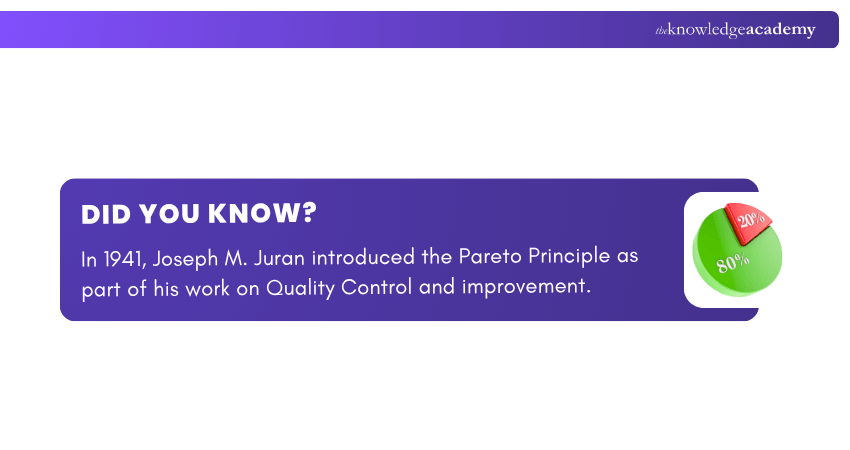
1) Pareto Analysis is also known as the 80/20 rule.
2) It helps identify the few main causes that have the most significant impact on a problem.
3) It highlights which issues matter most, thus enabling better prioritisation.
4) It allows teams to optimise their time and resources by focusing on key areas.
5) Targeting these causes results in quicker and more efficient problem resolution.
6) Pareto Analysis is commonly used in quality control, decision-making, and process improvement.
4) Fault Tree Analysis
1) FTA is a structured, step-by-step method to find the root causes of failures.
2) It maps out how different issues combine to cause a major failure.
3) It highlights the weak points within n complex systems.
4) It helps teams understand potential failure paths clearly.
5) It supports proactive actions to improve system reliability and safety.
5) Failure Mode and Effects Analysis (FMEA)
1) FMEA is a proactive technique that helps you identify potential failures before they occur.
2) It evaluates each failure mode based on severity, likelihood and detectability.
3) It helps prioritise risks that need immediate attention.
4) By enabling early risk detection, FMEA helps prevent issues and reduce costs.
5) It enhances overall safety, quality and system reliability.

6) Change Analysis
1) This involves focusing on recent changes that might have triggered a problem.
2) It reviews updates, process changes or external influences.
3) It connects the issue to specific events or modifications.
4) It helps identify the root cause by tracking changes.
5) In the end, it supports better decision-making with targeted insights.
7) Data Analysis
1) It involves examining data to detect patterns or links.
2) Data Analysis employs techniques such as correlation and trend prediction.
3) It helps identify underlying causes using factual evidence.
4) It uncovers hidden trends that may not be immediately visible.
5) Essentially, it supports decisions based on clear, measurable insights.
8) Brainstorming and Team Discussions
1) Brainstorming sessions encourage the sharing of diverse ideas within a group.
2) It promotes creative thinking and collective problem-solving.
3) Brings multiple perspectives to uncover unique solutions.
4) It elevates the process of collaboration and engagement.
5) It often leads to innovative and practical outcomes.
9) Scatter Plot Diagram
1) A Scatter Plot Diagram is a graph that shows relationships between two variables.
2) The data points are plotted on the x- and y-axes.
3) It reveals trends, correlations or the lack of patterns.
4) It's useful for identifying outliers and predicting behaviour.
5) It helps you visualise how one factor might affect another.
Your IT leadership dream is just one click away. Sign up for our Certified IT Service Manager (CITSM) Certification and handle everything from managing systems to mastering strategy!
When Should You Perform a Root Cause Analysis?
You should perform a Root Cause Analysis in several key situations:
1) After significant incidents when safety issues, injuries, or near-misses occur.
2) For recurring problems when the same issue keeps happening despite attempted fixes.
3) During quality deviationswhen products or services fail to meet standards.
4) For customer complaintsespecially patterns of similar feedback.
5) Following system failures when processes, equipment, or technology break down.
6) During performance gaps when results consistently fall short of targets.
7) Before implementing major changesto understand current issues before improvement.
8) For compliance violations when regulatory requirements aren't met.
9) For costly eventswhen financial impact requires deeper understanding.
RCA is most valuable when the stakes are high, the problem is complex, or the issue is likely to recur without deeper intervention. The investment in thorough analysis pays off by preventing future occurrences and their associated costs.
Benefits of Root Cause Analysis
Root Cause Analysis offers several benefits to organisations in their problem-solving and improvement efforts. Here are the key Benefits of Conducting RCA:
1) Prevents problem recurrence by addressing the underlying cause.
2) Drives continuous improvement and enhances operational efficiency.
3) Facilitates Decision-making based on a comprehensive understanding.
4) Reduces costs and minimises waste through process optimisation.
5) Improves product and service quality by resolving Root Causes.
6) Strengthens Risk Management by identifying and mitigating potential issues.
7) Fosters a proactive approach to problem-solving and prevention.
8) Increases customer satisfaction through better problem resolution.
9) Empowers employees by involving them in problem-solving processes.
Learn core Six Sigma principles for improving processes and reducing defects through the Six Sigma Green Belt Training – Register today!
Examples of Root Cause Analysis
The following examples will showcase how Root Cause Analysis works:
1) Example 1: A Software Company’s Server Outage
1) Problem: The server crashes during a critical client demo.
2) Root Cause: A hardware failure on the server’s disk drive.
3) Solution: Implement a more robust monitoring system to detect hardware issues earlier and maintain redundant systems.
2) Example 2: A Manufacturing Plant’s Production Line Delay
1) Problem: The production line is delayed, affecting shipment deadlines.
2) Root Cause: A specific machine had faulty parts that caused repeated breakdowns.
3) Solution: Regularly check machine parts, implement predictive maintenance, and train operators to identify early signs of failure.
3) Example 3: A Medical Device Malfunction
1) Problem: A medical device malfunctions during use in a hospital setting.
2) Root Cause: Design flaw in the device’s battery compartment that caused it to overheat.
3) Solution: Redesign the battery compartment, enhance quality assurance tests, and conduct post-launch reviews.
4) Example 4: A Retail Business Inventory Discrepancy
1) Problem: The company finds discrepancies in inventory records.
2) Root Cause: Poor communication between the stockroom staff and sales team, which led to inaccurate inventory updates.
3) Solution: Introduce a better Inventory Management system and conduct regular training on accurate stock tracking.
5) Example 5: A Restaurant’s Customer Satisfaction Drop
1) Problem: Customer satisfaction levels drop significantly in a restaurant.
2) Root Cause: Inconsistent food quality due to lack of standardised cooking procedures.
Solution: Standardise cooking procedures and provide ongoing staff training to ensure quality consistency.
Who is Responsible for RCA Quality?
Ensuring high-quality Root Cause Analysis is a shared responsibility. Project Managers, Quality Analysts, Engineers, and involved team members play key roles. Thorough investigation, clear communication, and proper documentation help identify real causes, leading to effective solutions that prevent future issues.
Lead improvement projects that cut waste and boost operational performance with the Lean Six Sigma Green Belt Training – Join now!

Nilotpal Sarmah is a Senior Content Writer with 11+ years of overall experience spanning engineering, operations and content development. His technical knowledge and extensive writing experience enable him to simplify specialised topics across IT and Tech, Business Skills, Project Management, Health and Safety, and ISO and Compliance.
View Detail

 If you wish to make any changes to your course, please


