


 Top Rated Course

We may not have the course you’re looking for. If you enquire or give us a call on +44 1344 203 999 and speak to our training experts, we may still be able to help with your training requirements.
Revenue Model: Types, Examples, and Business Insights Explained
The Knowledge Academy 08 April 2026A Revenue Model describes how a business generates income by defining what it sells, who pays for it, and how prices are set to drive sustainable profit. It outlines key income streams and payment methods. A clear revenue model helps organisations plan growth, manage costs, and improve long-term business profitability.

Training Outcomes Within Your Budget!
We ensure quality, budget-alignment, and timely delivery by our expert instructors.
Table of Contents

A Revenue Model explains how a business generates income by defining what it sells, who pays for it, and how value is converted into profit. It shapes pricing decisions, revenue streams, and long-term sustainability, making it a core part of any successful business strategy.
In this blog, we explore what a Revenue Model is and examine its different types. You will gain a clear understanding of how each model works, when to use it, and how to choose the right approach to support growth and profitability.
Table of Contents
1) What is Revenue Model?
2) Types of Revenue Models
3) Costs Associated with Revenue Models
4) How to Choose Your Revenue Model?
5) How Do I Make a Revenue Model?
6) Conclusion
What is Revenue Model?
What is Revenue Model? It explains how a business earns money from the products or services it sells. It covers pricing decisions, the customers who will pay, and the income methods the company will use, such as subscriptions, licensing, commission, or markup. It helps the organisation choose the right revenue sources and understand where the money will come from.
Although it supports the overall Business Model, the Revenue Model focuses only on revenue generation and management. When a clear model is in place, the business can manage spending better, plan for growth, and maintain long-term financial stability.

Types of Revenue Models
Now that we’ve got a glimpse of What is Revenue Model, let’s focus on the most common Revenue Models used in the software and online business sectors:

1) Transaction-based Revenue Model
A transaction-based Revenue Model is among the simplest ways for a business to earn income. Revenue is generated every time a customer makes a purchase or completes a one-time transaction. This model is widely used by companies selling software licences, digital products or one-off services.
Since income depends on the number of transactions, businesses must consistently attract and retain customers to maintain steady revenue. Most product-based companies, such as Apple, Samsung, Nike, Microsoft, Boeing, Rolls-Royce, and McDonald’s, use this model.
1) Pros: You have complete control over your pricing strategy.
2) Cons: Sustaining sales requires ongoing marketing and advertising investment, placing financial responsibility for sales generation entirely on the business.
2) Advertisement-based Revenue Model
In this model, businesses earn income by selling advertising space. It’s one of the most common ways to generate revenue for both online and offline platforms. This model is popular among websites, apps and marketplaces that attract high user traffic.
Platforms like YouTube, Instagram, Facebook and Google are prime examples. They display ads to users and charge brands for visibility. Many of these platforms also combine ads with premium subscriptions to diversify revenue.
1) Pros: High traffic allows businesses to monetise quickly, and advertiser demand is strong, especially when the audience is well-targeted.
2) Cons: Ads can disrupt user experience, and with advertising saturation across platforms, businesses must carefully balance monetisation and user satisfaction.
Explore modern strategies and portfolio planning for smarter investing with our Investment Management Course – Join now!
3) Commission-based Revenue Model
It's one of the most widely used ways businesses earn income. In this model, a company charges a fee called a commission on each transaction made through its platform or service. Commissions can be structured in different ways:
1) Flat Rate: A fixed amount per transaction, e.g., £20 charged regardless of transaction value.
2) Percentage-based: A fixed percentage of the transaction amount, such as 10% on a £100 sale.
3) Tiered Commission: The fee increases based on volume or value, e.g., 4% for 50,000 transactions and 7% for 150,000.
This model is widely used by marketplaces, e-commerce platforms, ride-hailing apps, travel booking sites, and freelance platforms. Examples include Airbnb, Booking.com, Uber, Lyft, Ticketmaster, Priceline, and Upwork.
1) Pros: Revenue is straightforward to calculate and forecast due to clear fee structures.
2) Cons: Scaling can be challenging as revenue depends heavily on transaction volume and competition, often requiring high marketing spending and strong supplier performance.
4) Markup Revenue Model
In this Revenue Model, a business buys a product at a set cost and sells it at a higher price. The difference between the purchase price and the selling price becomes the profit margin. This approach is commonly used in retail, wholesale and service-based industries.
For example, bed banks (B2B companies in the travel sector) buy hotel rooms in bulk at discounted rates and resell them to OTAs, airlines, and tour operators at a markup. Similarly, airline consolidators purchase flight seats in bulk and resell them to travel agencies at a higher price.
1) Pros: Simple to manage and easy to calculate profit per sale. Businesses can adjust markup to reflect market conditions or changes in supply costs.
2) Cons: Some companies apply a uniform markup due to limited resources or dynamic pricing tools, which can result in overpricing or undervaluing certain products, reducing potential revenue.
5) Affiliate Revenue Model
The affiliate model works similarly to a commission structure but with a key difference. Instead of selling products directly, you direct customers to another company’s platform using referral links. When a purchase or registration happens through those links, you earn a percentage or fee.
Metasearch engines, review blogs, and Amazon affiliate sites such as Cloud Living rely heavily on this approach.
1) Pros: With strong website traffic or audience reach, affiliates can generate passive income without holding inventory or investing in product creation.
2) Cons: Commission rates are often very low (typically 1–2%), requiring high referral volume to earn significant revenue.
6) Interest Revenue Model
The interest Revenue Model applies to businesses that earn income from interest charged on loans or returns on deposited funds. This model is common among banks, digital wallets, peer-to-peer lending platforms, and financial institutions. Revenue is generated when a customer borrows money, or when they deposit or invest funds, allowing the business to use that capital.
Platforms like LendingClub and Prosper are examples of peer-to-peer services using this model by charging interest on loans facilitated through their platforms.
1) Pros: Interest rates offer predictable revenue, as returns are set for the duration of the loan or investment term.
2) Cons: Interest rates are affected by economic conditions and regulations, which can impact both borrowers and the business’s earnings.
7) Pay-Per-user Model
In this model, customers are charged based upon how much they actually use a product or service. It is especially common in Cloud Computing, where users pay for consumed resources like storage, bandwidth or processing power. This approach is ideal for customers who prefer flexible costs.
Companies like Google Cloud Platform and Amazon Web Services effectively use this usage-based pricing model.
1) Pros: Highly appealing to budget-conscious users due to cost flexibility and offers potential for increased revenue from high-usage customers.
2) Cons: Income can be unpredictable, requiring advanced monitoring and billing systems. Additionally, heavy usage may result in unexpectedly high costs for customers.
Unlock financial success in real estate with our expert-led Real Estate Financial Modelling Training – Sign up now!
8) Donation Model
In this model, products and services are offered for free by default, and revenue comes from voluntary contributions made by users. Payments may come in the form of donations or a pay-what-you-want option, where users decide how much to contribute.
Examples include AdBlock, which offers its service for free but receives donations from users, while also providing a premium paid version with extra features. Wikipedia also relies heavily on user donations, along with grants and partnerships, to sustain its operations.
1) Pros: Offering free access helps build a large user base, and loyal supporters can make donations a meaningful revenue stream.
2) Cons: Income is unpredictable and usually secondary, as donations are inconsistent and this model is rarely used as the sole revenue source.
Attain in-depth knowledge of global financial markets and instruments. Join our Investment and Portfolio Management Course now!
9) Subscription-based Revenue Model
In a subscription Revenue Model, customers pay a recurring fee (monthly or annually) to continuously access a product or service. This model is widely used by SaaS platforms, streaming services, Cloud tools, digital media, and even healthcare solutions.
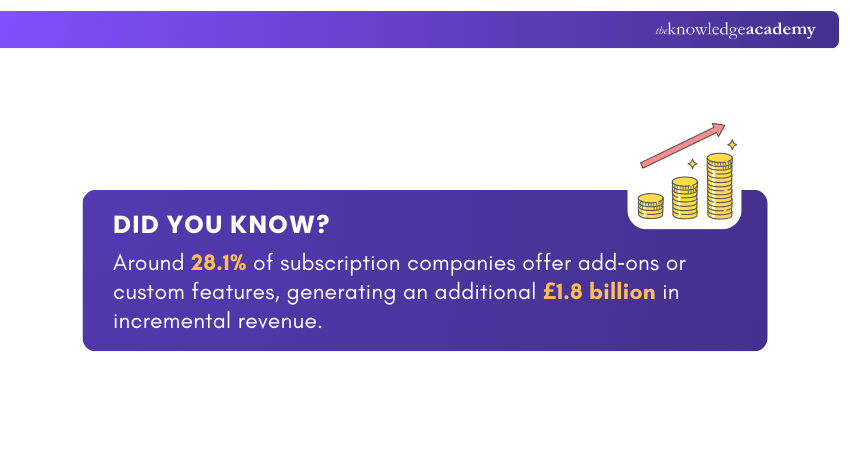
Companies often offer multiple subscription tiers to suit different budgets and user needs, making revenue more predictable.
1) Pros: Delivers steady, recurring income and supports long-term customer relationships, making revenue forecasting easier.
2) Cons: Requires significant investment in acquiring and retaining subscribers, which can increase overall costs.
10) Arbitrage Model
The arbitrage model involves purchasing a product at a lower price in a market and reselling it in another market at a higher price, thus profiting from the price difference. This approach is common in finance, trading and certain eCommerce practices, and its success depends on the ability to spot and act on pricing gaps quickly.
A common example is Airbnb arbitrage, where someone rents a property long-term for £1,200 per month and then lists it for £90 per night on Airbnb. With 25 nights booked, they generate £2,250, resulting in a £1,050 profit.
1) Pros: When executed well, it can generate high returns with relatively low capital and limited risk.
2) Cons: It demands market knowledge, continuous monitoring, and sometimes advanced tools to identify profitable opportunities quickly.
Costs Associated with Revenue Models
A good Revenue Model is not just about increasing profit. It must fit the company’s resources and support long-term growth. To fully understand What is Revenue Model and make the right choice, businesses should consider the main costs involved, such as:
1) Cost of Revenue
This covers all expenses needed to create and deliver a product or service, including development, testing, shipping, marketing, and admin tasks. Tracking these costs helps businesses check if their spending and pricing are balanced.
2) Prototyping Costs
Before a product reaches the market, it goes through prototype or beta testing. These tests can be costly because small changes often need extra work or materials. Companies should plan for several rounds of improvements.
3) Equipment Costs
Companies need tools, machines, software, and technology to operate. This may include servers, development software, or other systems used daily. These costs are usually easier to estimate, but it is still important to include them in planning.
4) Labor Costs
Labour costs are the wages, commissions, and benefits paid to employees who build, sell, or support the product. Paying fairly keeps the team motivated and productive. Businesses must plan labour expenses wisely, especially if they offer performance-based incentives.
Acquire a comprehensive understanding of Real Estate valuation techniques. Join our Real Estate Financial Modelling Training now!
How to Choose Your Revenue Model?
Choosing the right Revenue Model requires evaluating your target audience, product offerings, and long-term business goals. Aligning the model with your value proposition is essential to ensuring sustainable growth and profitability.
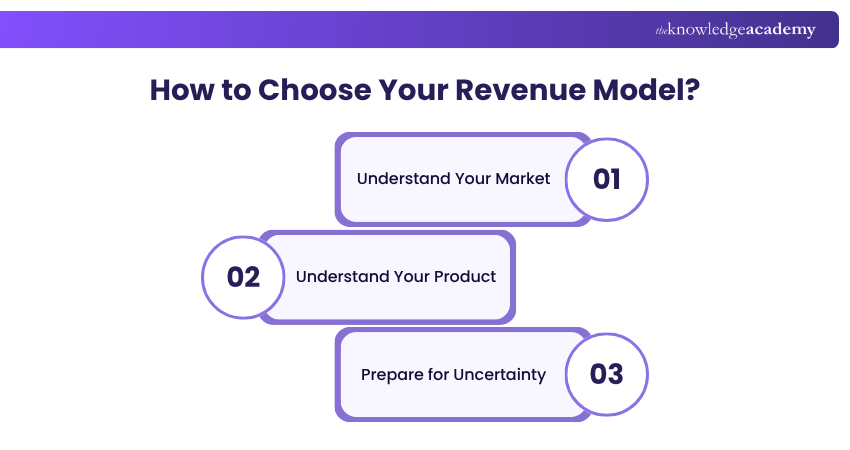
1) Understand Your Market
Analyse your target market to determine which Revenue Model best suits their needs and preferences. Consider factors like market size, customer behaviour, and competition.
2) Understand Your Product
Assess your product or service to identify the most suitable Revenue Model. For instance, a digital product may benefit from a subscription model, while a retail product may be better suited for a markup model.
3) Prepare for Uncertainty
Be ready to adapt your Revenue Model as market conditions and customer preferences evolve. Flexibility is essential for maintaining a successful business model over time.
How Do I Make a Revenue Model?
Your Revenue Model will show you where your income will come from, how you will price your offerings, and what sales you can realistically expect. Here are four simple steps to build an effective Revenue Model:
1) Understand Your Business
1) Define the problem you solve and who your customers are.
2) Outline your Unique Selling Points (USPs) to set your brand apart.
3) Review your strengths, weaknesses, market trends, and competitors.
2) Identify Income Sources
1) List all possible ways to earn:
a) Selling products
b) Providing services
c) Subscriptions or memberships
d) Licensing or royalties
2) Make sure each revenue stream aligns with your business strengths and customer needs.
3) Set Prices and Forecast Sales
1) Decide on pricing that covers costs while offering value to customers.
2) Estimate how much you can sell in a given period.
3) Consider factors like marketing impact, demand, and seasonal trends.
4) Create best-case and worst-case sales scenarios.
4) Monitor and Adapt
1) Track your actual income vs expected revenue.
2) Adjust pricing or marketing strategies if sales fall short.
Stay flexible because a good Revenue Model evolves with customer feedback and market changes.
Conclusion
Choosing the right Revenue Model is vital for long-term business success. By understanding What is Revenue Model, exploring the different types, and weighing their pros and cons, you can make smarter choices that align with your goals. A well-chosen model not only supports sustainable growth but also shapes your overall revenue strategy, giving your business a stronger path to lasting success.
Become familiar with all crucial aspects of investing and trading with our Investment and Trading Training – Join now!
Frequently Asked Questions
How does a Revenue Model affect profitability?

A revenue model directly impacts profitability by defining how a company generates income, which dictates its profit margins, cash flow stability, and cost structure.
Can a business have Multiple Revenue models?
Yes, a business can, and often should, have multiple revenue models to diversify income, increase resilience against market shocks, and boost overall profitability.
What are the Other Resources and Offers Provided by The Knowledge Academy?
The Knowledge Academy takes global learning to new heights, offering over 3,000+ online courses across 490+ locations in 190+ countries. This expansive reach ensures accessibility and convenience for learners worldwide.
Alongside our diverse Online Course Catalogue, encompassing 19 major categories, we go the extra mile by providing a plethora of free educational Online Resources like Blogs, eBooks, Interview Questions and Videos. Tailoring learning experiences further, professionals can unlock greater value through a wide range of special discounts, seasonal deals, and Exclusive Offers.
What is The Knowledge Pass, and How Does it Work?
The Knowledge Academy’s Knowledge Pass, a prepaid voucher, adds another layer of flexibility, allowing course bookings over a 12-month period. Join us on a journey where education knows no bounds.
What are the Related Courses and Blogs Provided by The Knowledge Academy?
The Knowledge Academy offers various Investment and Trading Training, including Revenue Management Training, Real Estate Risk Management Training, and the Investment and Portfolio Management Course. These courses cater to different skill levels, providing comprehensive insights into How to Invest in Gold.
Our Business Skills Blogs cover a range of topics related to Revenue Model, offering valuable resources, best practices, and industry insights. Whether you are a beginner or looking to advance your Business skills, The Knowledge Academy's diverse courses and informative blogs have got you covered.

The Knowledge Academy


Global Training Provider
The Knowledge Academy is a world-leading provider of professional training courses, offering globally recognised qualifications across a wide range of subjects. With expert trainers, up-to-date course material, and flexible learning options, we aim to empower professionals and organisations to achieve their goals through continuous learning.

Upcoming Business Skills Resources Batches & Dates
Date
 Revenue Management Training
Revenue Management Training
Fri 17th Jul 2026
Revenue Management Training
Fri 9th Oct 2026

 If you wish to make any changes to your course, please


