


 Top Rated Course


We may not have the course you’re looking for. If you enquire or give us a call on +353 12338944 and speak to our training experts, we may still be able to help with your training requirements.
Benefits of PCI DSS Compliance for Modern Businesses
Hailey Davis 17 April 2026Benefits of PCI DSS Compliance include improved payment data security, reduced fraud risk, enhanced customer trust, and protection from costly data breaches. It also ensures smoother transactions and helps businesses meet legal and industry standards. Achieving PCI DSS Compliance strengthens brand reputation and operational resilience.

Training Outcomes Within Your Budget!
We ensure quality, budget-alignment, and timely delivery by our expert instructors.
Table of Contents
Every time you tap your card, shop online or make a digital payment, you trust that your details are safe. But what keeps that data protected? That’s where the Benefits of PCI DSS Compliance come in. It acts as a strong shield that secures your payment information, prevents fraud, and ensures every transaction is safe and reliable.
In this blog, you’ll discover the key Benefits of PCI DSS Compliance, its six main principles, and why it matters for every business. Whether you run a small shop or a large company, these standards help protect customer data, build trust, and strengthen payment security.
Table of Contents
1) PCI DSS Compliance – An Overview
2) Benefits of PCI DSS Compliance
3) What are the Six Major Principles of PCI DSS?
4) Is PCI DSS Compliance a Must?
5) Conclusion
Definition of PCI DSS Compliance
The Payment Card Industry Data Security Standard (PCI DSS) sets rules to protect credit and debit card information during processing, storage, and transmission. Compliance is mandatory for all organisations handling cardholder data, helping safeguard customer information, prevent breaches, and build trust. By securing payment systems, businesses strengthen their overall security framework and customer confidence.
PCI DSS Compliance goes beyond meeting regulations; it’s a proactive risk management approach. Controlled by the PCI Security Standards Council (PCI SSC), it includes tools like self-assessment questionnaires, encryption, and access control guidelines. Understanding these standards ensures secure payment environments and prepares professionals for PCI DSS Compliance roles and interviews.

Benefits of PCI DSS Compliance
There are several PCI DSS benefits to enterprises that participate in credit card transactions containing sensitive consumer data once they implement the PCI DSS Compliance standards. Ensuring such benefits through PCI DSS Compliance protects the sensitive cardholder data, which ensures key PCI DSS History and the Benefits of PCI DSS Compliance:
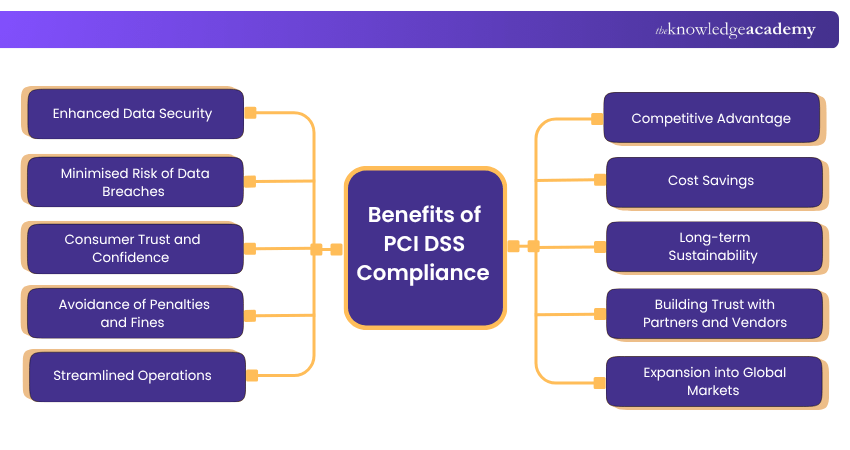
1) Enhanced Data Security
PCI DSS strengthens data security by protecting personal and financial information. With encryption, access controls, and Firewalls, companies can reduce unauthorised access and data breaches while building customer trust through strong information protection. It also ensures that businesses meet industry standards and maintain a secure payment environment.
2) Minimised Risk of Data Breaches
One of the major advantages of PCI DSS Compliance is reduced exposure to potential security threats. By following strict security standards, businesses can limit vulnerabilities and restrict access to cardholder data, protecting it from attacks. This approach also enhances overall system reliability and helps companies maintain continuous trust with customers.
3) Consumer Trust and Confidence
In an age where data breaches and expanding levels of identity theft are the norm, consumers care most about being able to safely share personal information. PCI DSS Compliance can offer assurance that data is being handled securely and responsibly, helping to gain consumer trust. Providing security inspires trust, allowing businesses to build relationships with customers that last and keep coming back.
4) Avoidance of Penalties and Fines
Defaulters of PCI DSS Requirements may receive penalties or fines from credit card companies and regulatory bodies. Ensuring that a business has achieved and maintained PCI DSS Compliance means it is less likely to face financial loss. It also helps preserve customer trust and protects the company’s reputation in the long run.
Understand the importance of adherence to legal requirements with our Effective Compliance Training – Register today!
5) Streamlined Operations
Adhering to PCI DSS Compliance requirements has become even more streamlined, making way for that business-as-usual nature. Organisations can streamline security workflows by standardising security practices and procedures, thereby eliminating redundancies and improving operational efficiency. This lets enterprises concentrate on doing only business while their data is taken care of well.
6) Competitive Advantage
PCI DSS Compliance can deftly drive your business ahead of the pack. Organisations achieve an edge over competitors by complying with standards and declaring enforcement status. Compliant businesses have increased Customer Engagement and loyalty as customers trust companies that are serious about data security.
7) Cost Savings
While achieving and maintaining PCI DSS Compliance may seem costly at first, it delivers significant long-term financial benefits. By reducing the risk of data breaches, legal penalties, and investigation expenses, businesses can avoid substantial losses. Additionally, many insurers offer better rates to compliant organisations, recognising their lower security risk and stronger data protection measures.
8) Long-term Sustainability
Adhering to standards means a continuous commitment to data security. This will allow businesses to maintain not only long-term security, but also sustainability in the face of ever-changing threats. Businesses will be able to keep up with new threats and avoid potential vulnerabilities by manually conducting regular security assessments, audits & updates.
9) Building Trust with Partners and Vendors
As per the requirement of PCI DSS Compliance, build trust between you, partners, and vendors. If organisations can show their dedication to securing data, it is also a nod of assurance for partners and vendors that the information they share with them will be safe. It creates long-lasting business relationships, fosters collaboration, and leads to new opportunities.
10) Expansion into Global Markets
PCI DSS Compliance helps businesses expand into global markets by meeting internationally recognised standards for cardholder data protection. It shows a company’s commitment to securing customer information, ensuring compliance with global regulations, and building trust across different regions, which strengthens its reputation and supports wider business growth.
Acquire best practices for compliance and data protection with our PCI DSS Foundation Training – Join now!
What are the Six Major Principles of PCI DSS?
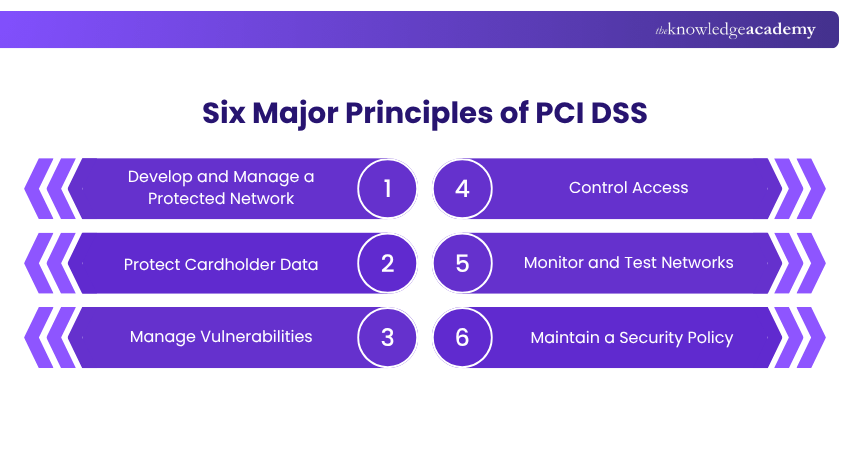
The six main principles of PCI DSS are:
1) Develop and Manage a Protected Network: Use firewalls and change default passwords to keep systems safe.
2) Protect Cardholder Data: Encrypt stored and transmitted card information.
3) Manage Vulnerabilities: Keep antivirus software and security patches up to date.
4) Control Access: Allow only authorised people to access cardholder data.
5) Monitor and Test Networks: Check systems regularly to find and fix security issues.
6) Maintain a Security Policy: Create clear rules so everyone knows how to protect payment data.
Is PCI DSS Compliance a Must?
Yes, PCI DSS Compliance is mandatory for all businesses that manage credit or debit card data. It protects customer information, prevents data breaches, and avoids penalties. Non-compliance can lead to penalties, legal issues, and loss of customer trust.
Conclusion
Understanding and following PCI DSS standards is vital for any business that handles card payments. The Benefits of PCI DSS Compliance include stronger data protection, lower fraud risk, and higher customer trust. Staying compliant helps businesses protect sensitive information, improve daily operations, and build a reputation for safety and reliability in today’s digital payment world.
Learn effective strategies to implement and manage compliance systems with our Compliance Training – Join now!
Frequently Asked Questions
What are the Main Objectives of PCI DSS?

The main objectives of PCI DSS are to protect cardholder data and ensure secure payments. It focuses on maintaining strong networks, preventing unauthorised access, and managing vulnerabilities. Also, enforcing access controls, and regularly monitoring and testing systems to detect and fix security risks.
What Competitive Advantages do Companies Gain by Being PCI DSS Compliant?
PCI DSS Compliance boosts credibility, builds customer trust, and differentiates businesses in a competitive market. It signals a commitment to data security, reduces the risk of costly breaches, and can lead to lower transaction fees and insurance premiums.
What are the Other Resources and Offers Provided by The Knowledge Academy?
The Knowledge Academy takes global learning to new heights, offering over 3,000+ online courses across 490+ locations in 190+ countries. This expansive reach ensures accessibility and convenience for learners worldwide.
Alongside our diverse Online Course Catalogue, encompassing 17 major categories, we go the extra mile by providing a plethora of free educational Online Resources like Blogs, eBooks, Interview Questions and Videos. Tailoring learning experiences further, professionals can unlock greater value through a wide range of special discounts, seasonal deals, and Exclusive Offers.
What is The Knowledge Pass, and How Does it Work?
The Knowledge Academy’s Knowledge Pass, a prepaid voucher, adds another layer of flexibility, allowing course bookings over a 12-month period. Join us on a journey where education knows no bounds.
What are the Related Courses and Blogs Provided by The Knowledge Academy?
The Knowledge Academy offers various Compliance Training, including the PCI DSS Implementer Course, PCI DSS Foundation Course, and the Consumer Protection Training. These courses cater to different skill levels, providing comprehensive insights into What is SOP.
Our ISO & Compliance Blogs cover a range of topics related to PCI DSS Compliance, offering valuable resources, best practices, and industry insights. Whether you are a beginner or looking to advance your ISO & Compliance skills, The Knowledge Academy's diverse courses and informative blogs have got you covered.

Hailey Davis


Compliance Officer
Hailey Davis is an ISO compliance expert with over 10 years of experience in audit, quality management systems (QMS), and regulatory compliance. She has worked with various industries, including manufacturing, healthcare, and technology, ensuring organisations achieve and maintain ISO certifications. Hailey’s content provides practical, actionable insights on navigating compliance challenges and improving business processes.
View Detail

 If you wish to make any changes to your course, please


