


 Top Rated Course

We may not have the course you’re looking for. If you enquire or give us a call on +36 18508731 and speak to our training experts, we may still be able to help with your training requirements.
What is Food Safety? Importance, Hazards & Key Guidelines
Michael Jones 26 February 2026Food Safety refers to handling, preparing, and storing food in ways that prevent foodborne illnesses and maintain high standards of hygiene. It includes practices like proper cooking, cleaning, and avoiding contamination. Ensuring Food Safety maintains quality, prevents health risks, and meets safety regulations.

Training Outcomes Within Your Budget!
We ensure quality, budget-alignment, and timely delivery by our expert instructors.
Table of Contents
Imagine you’re at a family barbecue, enjoying a delicious meal. Suddenly, a guest falls ill due to improperly handled food. This scenario highlights the importance of understanding What is Food Safety. Guaranteeing Food Safety is crucial to prevent foodborne illnesses and protect public health. But how can one know if the food you’re eating is safe?
In this blog, you will learn What is Food Safety, why it matters, and how you can implement best practices in your daily life. It will cover everything from proper food handling and storage to recognising potential hazards. So, let’s dive in and make every meal a safe one!
Table of Contents
1) What is Food Safety?
2) Four Types of Food Safety Hazards
3) Why is Food Safety Important?
4) Global Initiatives for Food Safety
5) Who is Responsible for Food Safety?
6) Food Hygiene Rating Scheme
7) Four Ways of Ensuring Food Safety at Home
8) Conclusion
What is Food Safety?
Food Safety means using different methods and practices to make sure the food is safe to eat. It focuses on preventing, reducing, and controlling risks like germs, chemicals, physical hazards, or Food Adulteration that can cause sickness or injury. Good hygiene and safety practices must be followed from the time food is bought until it is ready to be eaten.
Food Safety is about more than just avoiding obvious dangers. It takes a preventive approach by always looking for hidden risks and removing them at every stage of the food process. This is often done by carrying out a detailed Food Safety Risk Assessment.
This encompasses the following parts of the food sector:
a) Growers
b) Horticulturists
c) Transporters
d) Handlers
e) Retailers
f) Food preparers

Four Types of Food Safety Hazards
There are four major categories of Food Safety hazards: microbiological, chemical, physical, and allergenic hazards. Let’s explore where these hazards may come from and how contamination of food might occur:
1) Microbiological Hazards
a) Microbiological hazards include viruses, yeasts, bacteria, moulds, and parasites.
b) These hazards occur when food becomes contaminated by microorganisms.
c) Common sources of microorganisms include water, food, soil, air, humans, and animals.
d) Many microorganisms are necessary for life, but under the right conditions, some can become dangerous and cause food poisoning.
2) Chemical Hazards
Chemical hazards involve food becoming contaminated with some type of chemical. Common sources of chemical hazards include:
a) The incorrect or excessive use of pesticides to treat fruits or vegetables.
b) Cleaning chemicals such as bleach that shouldn't be used in a food preparation area.
c) Residue of cleaning chemicals that may be left on equipment or work surfaces.
d) Spraying of cleaning chemicals next to food items.
e) Storing foods in chemical containers.
f) Storing open food tins in the refrigerator.
3) Physical Hazards
These types of hazards are visible to consumers. While they may not always cause food poisoning, they can still be distressing and are considered serious Food Safety concerns. Common sources of physical hazards include the following:
a) Equipment: This includes nuts, bolts, screws and metal fragments.
b) Packaging: This includes pieces of wood, glass, string, staples, elastic bands, plastic and cardboard.
c) Buildings: This includes plaster, paint flakes, brick pieces, broken glass or tiles and screw fixings.
d) Food handlers: This includes hair, fingernails, nail varnish, buttons, chewing gum, pens, pen lids, earrings, jewellery and plasters.
e) Products: This includes stones, dirt, feathers, bones, and eggshells
f) Pests: This includes insect bodies, droppings, feathers and eggs
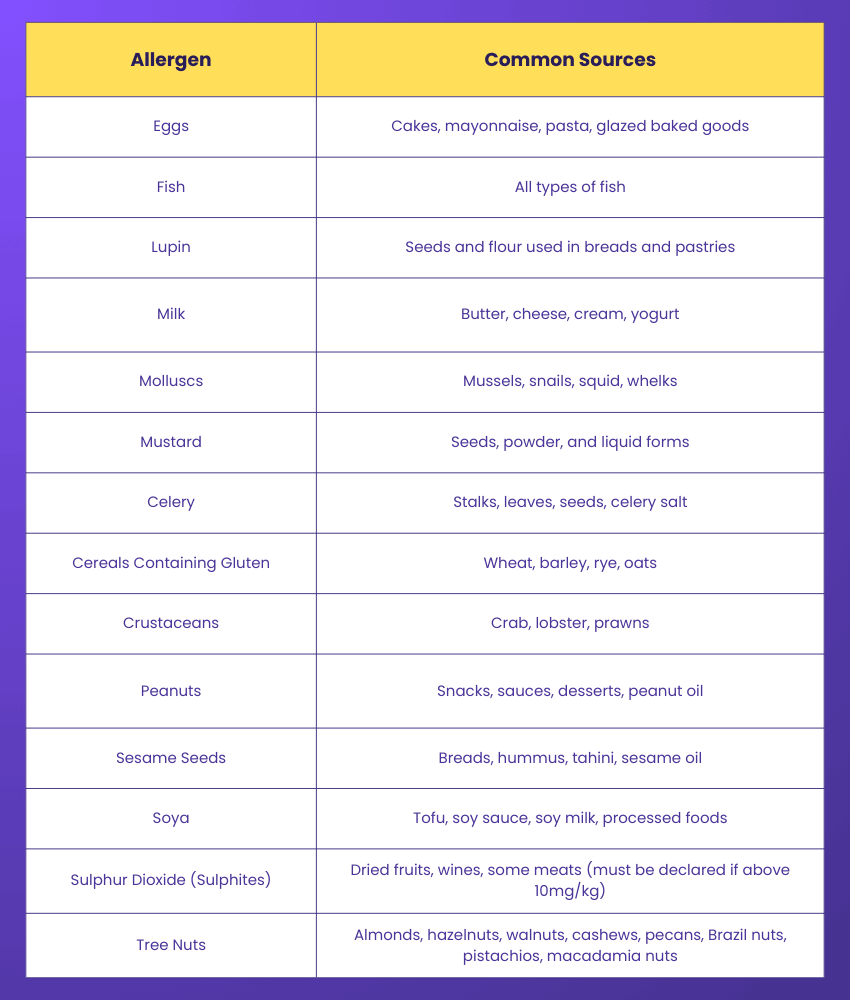
4) Allergenic Hazards
Food allergens are natural proteins found in certain foods that can trigger an unusual immune reaction in some people. Such allergens can be found in the following:
A clean and safe food environment is one of the keys to good health! Learn how to ensure that with Food Safety Training - Sign up now!
Why is Food Safety Important?
Food Safety is important because it protects public health by preventing foodborne illnesses and contamination. It builds consumer trust in the food industry, reduces healthcare costs and cuts food waste by extending shelf life. In short, safe food practices are essential for a healthy population.
Key Reasons for Food Safety
Food Safety plays a vital role throughout the entire food supply chain. You don’t have to look far to find stories of Food Safety failures resulting in awful outcomes for the individual, their family, and the food business in question. The following Benefits of Food Safety highlights the key reasons to embrace Food Safety:
Preventing Foodborne Illnesses
Food Safety helps prevent any illnesses that are typically caused by harmful bacteria, viruses or parasites found in contaminated food. These illnesses can result in symptoms like stomach pain, vomiting, and diarrhoea and, in severe cases, they can be life-threatening. Proper food handling, cooking, and storage can significantly reduce the risk of these health issues.
Protecting Public Health
Safe food practices are key to the health of the entire community. When food is prepared and handled correctly, it reduces the spread of diseases and keeps people healthier. This is especially important for vulnerable groups like older people, children, and anyone with weakened immune systems.
Building Consumer Trust
Consumers feel confident and trust the brand when food businesses consistently provide safe and high-quality products. This trust encourages repeat purchases and positive word-of-mouth, which is vital for a business's reputation.
Ensuring Legal Compliance
Complying with Food Safety regulations is a legal requirement and highlights a commitment to consumer well-being. Compliance helps businesses avoid legal penalties, product recalls, and damage to their reputation.
Global Initiatives for Food Safety
Several international organisations and initiatives play a pivotal role in setting guidelines, facilitating collaboration, and promoting awareness about Food Safety on a global scale. Here are some of the prominent global initiatives in the field of Food Safety:
1) Codex Alimentarius
a) This commission was created by the Food and Agriculture Organisation (FAO) and the World Health Organisation (WHO).
b) The Codex Alimentarius develops international food standards, codes of practice and guidelines to oversee Food Safety, quality and fairness in trade.
c) These standards cover elements such as food additives, contaminants, labelling, and hygiene.
d) While these codex standards are not compulsory, they serve as a reference for national regulatory bodies to create their own food rules.
e) By harmonising numerous Food Safety standards across different countries, Codex helps make food trade consistent and protects public health.
2) World Health Organisation (WHO)
a) The World Health Organisation (WHO) is a major authority in global public health.
b) It offers its member countries scientific expertise, research and guidance on Food Safety.
c) WHO helps in shaping policies, regulations and strategies to promote Food Safety with the goal of preventing foodborne illnesses.
d) Its work includes conducting Risk Assessments, providing technical support and working with international partners to tackle new Food Safety challenges.
e) WHO’s efforts play a significant role in improving global health by encouraging safe food practices.
3) Food and Agriculture Organisation (FAO)
a) The Food and Agriculture Organisation (FAO) works with WHO to set Food Safety standards.
b) FAO focuses on sustainable agriculture, food quality and Food Safety Management Systems.
c) It provides technical help and runs capacity-building programs for countries.
d) FAO also shares knowledge worldwide regarding effective Food Safety practices.
4) Food and Drug Administration (FDA)
a) The Food and Drug Administration (FDA) is a major authority in Food Safety, even though it's not a global body.
b) The FDA creates and enforces Food Safety rules in the United States.
c) It covers food labelling, inspections, and quality control.
d) Its standards often influence Food Safety practices in other countries because of the global food supply chain.
Adequate food storage facilities are vital for Food Safety! Learn more about it in Food Safety for Warehousing and Distribution Training - Sign up now!
Who is Responsible for Food Safety?
Food Safety is a collective effort that requires cooperation from all stakeholders in the food supply chain. Here are some insights into the roles of major food industry players in managing Food Safety:
1) Government Regulatory Bodies Develop Standards and Laws for Food Safety
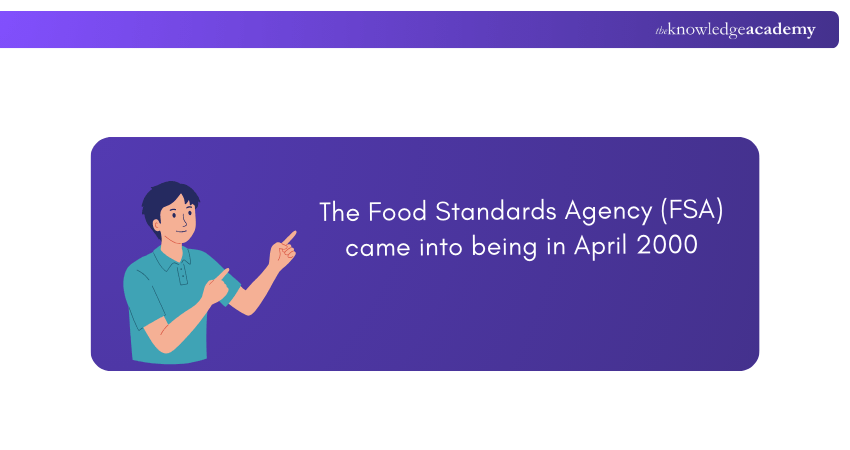
a) Government bodies like the Food Standards Agency (FSA) set Food Safety standards for handling, hygiene, and distribution.
b) They work to protect consumer rights and address Food Safety issues.
c) These agencies create and enforce Food Safety Laws to prevent foodborne illnesses.
d) They regulate food imports, exports and the use of chemical additives.
e) They also conduct inspections, issue certifications, and ensure businesses follow Food Safety rules.
2) Food Safety Responsibility in a Food Business or Store
a) Owners and managers are mainly responsible for Food Safety in a food business or store.
b) They must ensure all food handling follows regulatory standards.
c) Their duties include training employees and putting Food Safety protocols in place.
d) They need to carry out regular audits to check compliance.
e) Managers must stay updated on Food Safety rules and ensure their team knows about hazards and control measures.
3) Customers Must Be Knowledgeable About Food Safety
a) Consumers also play an important role in maintaining Food Safety.
b) They must demand safe food from manufacturers and handlers.
c) Consumers need to be educated about Food Safety practices and foodborne illnesses.
d) They must handle, process, and store food properly at home to avoid contamination.
e) Knowing about cross-contamination, proper handwashing, and safe food storage is essential for preventing foodborne illnesses.
Be the trusted guardian of Food Safety! Sign up for our Food Safety Manager Training now!
Food Hygiene Rating Scheme and Inspection Process
The Food Hygiene Rating Scheme is operated in England by the Food Standards Agency in partnership with local governmental authorities. Three areas are assessed:
Structure
The Food Safety Officer will look at things including:
a) Are the equipment and premises clean and in good condition?
b) Does kitchen design enable adequate separation between raw and cooked foods?
c) Is there adequate refrigeration of perishable foods?
d) Is every surface food-safe and easy to clean?
e) Are waste control and pest control effectively managed?
Food Safety Management
The officer will look into the following:
a) Are staff adequately trained and/ or supervised about Food Safety?
b) Is an adequate Food Safety Management system in place based on HACCP principles?
c) Are proper Food Safety records in place? This includes freezer temperature records, cooking temperature records, delivery records, and opening and closing checks.
Hygiene
The officer will look at things including:
a) Are food handlers maintaining high Food Safety standards, including good personal hygiene and regular hand washing?
b) Are ready-to-eat foods stored and prepared separately from raw foods?
c) Are foods labelled correctly and stored at a safe temperature?
d) Are foods being cooked, cooled and reheated safely? This may include reviewing the internal temperature of food with a food thermometer.
Transform Food Safety from a precaution to a culture! Sign up for our Building Your Food Safety Culture Training now!
Four Ways of Ensuring Food Safety at Home
Maintaining Food Safety doesn't end at the production and distribution stages; it's equally important at the consumer level. How food is handled, prepared, and stored in your own kitchen directly impacts your health and the health of your loved ones. Here are some tips for overseeing Food Safety at home:
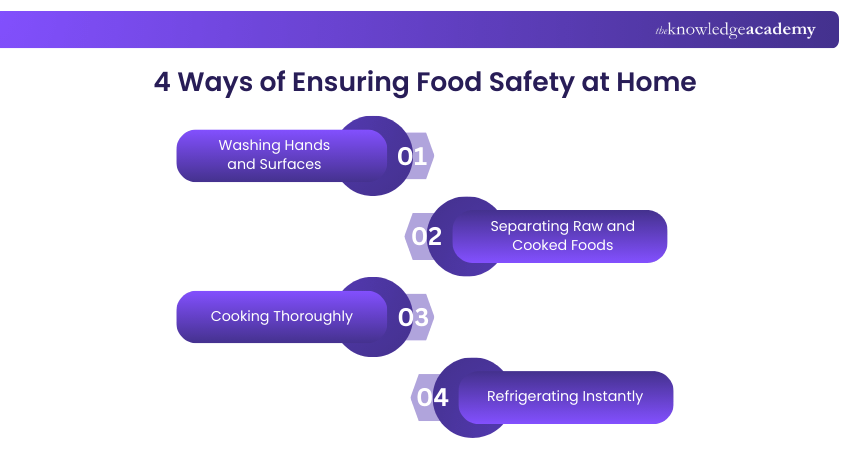
Washing Hands and Surfaces
a) Always wash your hands before handling food.
b) Wash hands after handling raw meat, using the bathroom or touching pets.
c) Clean and sanitise your utensils, surfaces and cutting boards regularly.
d) Regular cleaning helps you prevent cross-contamination and keeps your food safe.
Separating Raw and Cooked Foods
a) Always keep raw meat, poultry, seafood, and eggs away from ready-to-eat foods.
b) Use separate cutting boards and containers for different types of food.
c) Keep raw and ready-to-eat foods separate in the refrigerator to prevent cross-contamination.
Cooking Thoroughly
a) Cook food with the correct internal temperature.
b) Use a food thermometer to check if foods such as meats, seafood and eggs are properly cooked.
c) Thorough cooking helps you kill harmful bacteria and keep the food safe to eat.
Refrigerating Instantly
a) In order to slow bacterial growth, you must refrigerate perishable foods quickly.
b) You must keep the fridge temperature at 4.4°C or lower.
c) Keep the freezer temperature at -17.8°C or lower.
d) Remember to store leftovers in the fridge within two hours of cooking.
Conclusion
Food Safety is all about protecting health by keeping food clean, safe, and free from harmful risks. From proper handling to safe storage and hygiene, it ensures what we eat won’t make us sick. Understanding What is Food Safety helps everyone, from farms to kitchens, deliver safer meals every day.
Make sure every bite is safe! Sign up for our Food Allergy Awareness Training now!
Frequently Asked Questions
What is the Easiest way to Prevent Cross-contamination?

The easiest way to prevent cross-contamination is by using different utensils and cutting boards for cooked foods and raw foods. Always ensure thorough handwashing before and after handling different food types.
What are the Five Basic Food Safety Rules?
The five basic rules of Food Safety are essential for preventing foodborne illnesses. They are as follows:
a) Keep clean
b) Separate raw and cooked food
c) Cook thoroughly
d) Keep food at safe temperatures
e) Use safe water and raw materials
What are the Other Resources and Offers Provided by The Knowledge Academy?
The Knowledge Academy takes global learning to new heights, offering over 3,000+ online courses across 490+ locations in 190+ countries. This expansive reach ensures accessibility and convenience for learners worldwide.
Alongside our diverse Online Course Catalogue, encompassing 17 major categories, we go the extra mile by providing a plethora of free educational Online Resources like Blogs, eBooks, Interview Questions and Videos. Tailoring learning experiences further, professionals can unlock greater value through a wide range of special discounts, seasonal deals, and Exclusive Offers.
What is The Knowledge Pass, and How Does it Work?
The Knowledge Academy’s Knowledge Pass, a prepaid voucher, adds another layer of flexibility, allowing course bookings over a 12-month period. Join us on a journey where education knows no bounds.
What are the Related Courses and Blogs Provided by The Knowledge Academy?
The Knowledge Academy offers various Food Safety Training, including the Food Safety Manager Training, Food Allergy Awareness Training, and Food Safety and Hygiene Course. These courses cater to different skill levels, providing comprehensive insights into What are Food Safety Laws.
Our Health & Safety Blogs cover a range of topics related to Food Safety, offering valuable resources, best practices, and industry insights. Whether you are a beginner or looking to advance your Health and Safety knowledge, The Knowledge Academy's diverse courses and informative blogs have got you covered.

Michael Jones


Health and Safety Consultant and Compliance Trainer
Michael Jones is a seasoned health and safety expert with more than 15 years of experience in workplace safety, risk management, and compliance training. He has worked across construction, manufacturing, and corporate sectors, helping organisations meet legal requirements and create safer working environments. Michael’s training and writing are known for being practical, clear, and aligned with UK regulations.

Upcoming Health & Safety Resources Batches & Dates
Date
 Food Safety and Hygiene Course
Food Safety and Hygiene Course
Fri 19th Jun 2026
Food Safety and Hygiene Course
Fri 9th Oct 2026
Food Safety and Hygiene Course
Fri 18th Dec 2026

 If you wish to make any changes to your course, please


