


 Top Rated Course

We may not have the course you’re looking for. If you enquire or give us a call on +36 18508731 and speak to our training experts, we may still be able to help with your training requirements.
How to Improve Emotional Intelligence for Better Relationships
The Knowledge Academy 30 March 2026Boost Emotional Intelligence through self-awareness, empathy, mindfulness, active listening, and stress control to improve relationships and social skills. It helps people understand emotions and communicate more effectively. Strong Emotional Intelligence also supports teamwork, leadership, and personal growth.

Training Outcomes Within Your Budget!
We ensure quality, budget-alignment, and timely delivery by our expert instructors.
Table of Contents
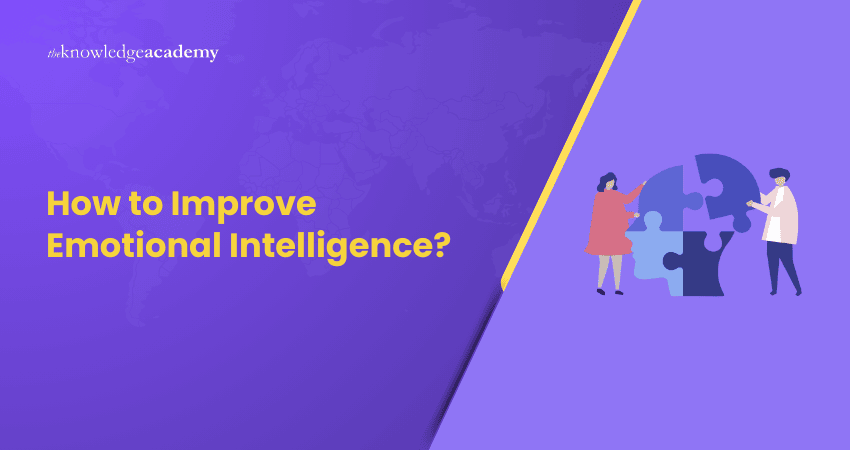
Emotional Intelligence is crucial for human interaction, shaping how we perceive, understand, and Manage Emotions in ourselves and others. By understanding How to Improve Emotional Intelligence, you can navigate life's challenges with resilience and empathy.
According to Statista, 80 per cent of millennials reported that training sessions are the most effective method to acquire Emotional Intelligence skills.
If you too are looking for the same, this blog is for you. Explore this blog on How To Improve Emotional Intelligence and learn about its importance. Also, learn effective ways to enhance this skill to foster good bonds.
Table of Contents
1) What is Emotional Intelligence?
2) Components of Emotional Intelligence
3) Importance of Emotional Intelligence
4) Ways to Improve Emotional Intelligence
5) What Are Signs of Low Emotional Intelligence?
6) Conclusion
What is Emotional Intelligence?
Emotional Intelligence (EQ) means the capacity to identify, comprehend, and deal with your feelings in addition to identifying and reacting to the feelings of others. It assists individuals to apply emotions positively to manage stress, communicate well, establish relationships, and make wise decisions in everyday lives.
Individuals who maintain a high level of Emotional Intelligence are able to remain conscious of their emotions, manage emotional responses, show empathy, and communicate effectively with others. Such skills allow having a more positive relationship, a higher mental status, and succeeding in personal and professional contexts.
Components of Emotional Intelligence
Emotional Intelligence consists of several key elements that collectively contribute to our ability to understand and manage emotions effectively. Here are the essential components of How to Improve Emotional Intelligence:
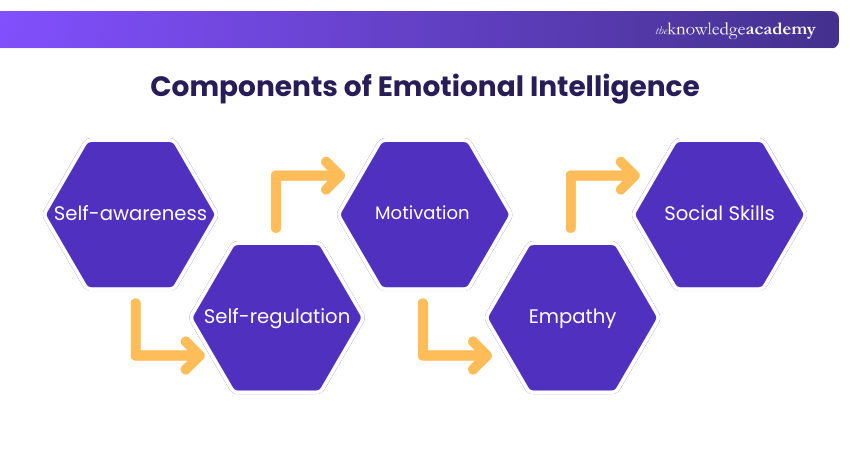
1) Self-awareness
Individuals can develop the skill to identify and comprehend their own emotions. They can become aware of the impact their emotions have on others. Self-awareness is essentially the foundation of Emotional Intelligence and other facets of this ability rely on self-awareness.
Emotions and behaviours become more manageable once individuals are very well aware of the behaviours triggered from emotions experienced. Now this element involves recognising and understanding one's own emotions, thoughts, and behavioural patterns. Self-awareness allows individuals to identify their emotional triggers and how emotions influence their decision-making.
It is worth noting that individuals who are more self-aware are generally more confident and also creatively active. They tend to make better-informed decisions, nurture better relationships and communicate more effectively.
2) Self-regulation
Self-regulation is the process of controlling and managing emotions in various situations. It involves staying composed and calm during challenging times, avoiding impulsive reactions, and responding thoughtfully to emotions.
This ability is activated by self-awareness,can keep their disruptive impulses in check. More importantly, individuals able to self-regulate typically maintain a positive perspective towards their lives. They are very adaptable to various scenarios and circumstances. Whereas those that are unable to handle their negative emotions usually tend to trigger negative emotions in others.
3) Motivation
In Emotional Intelligence, motivation is the inner drive that enables individuals to remain focused on their goals and to work despite difficulties. It is about being disciplined, committed, and having a sense of purpose which drives individuals to deliver meaningful results. Motivated people are optimistic, they get over the frustrations and employ their feelings to their advantage to keep productive and successful.
4) Empathy
Empathy is the ability to understand as well as share the feelings of others. It involves being attuned to others' emotions, being able to perceive their perspectives, and responding with compassion and understanding. Now such an ability is of vital use when attempting to foster an emotional connection with other individuals.
Practicing such a skill helps professionals anticipate the requirements and reactions of others. Moreover, in the modern workplace, managers that are emotionally attuned and intelligent are capable of assembling diverse teams. Such teams comprise of unique outlooks and strengths which can be leveraged for the business process.
5) Social Skills
Social skills include various abilities related to interpersonal interactions. These skills include effective communication, active listening, conflict resolution, teamwork, and building positive relationships.
These key elements of Emotional Intelligence, along with the different Types of Emotional Intelligence, work together to shape how individuals perceive and manage emotions, navigate social interactions, and build meaningful connections with others. Developing these elements can enhance self-awareness, strengthen relationships, and improve overall well-being.
Importance of Emotional Intelligence
Emotional Intelligence is significant as it enables one to know and cope with their emotions and also react well to the emotions of other people. The skill helps to communicate more effectively, have healthier relationships, and make more considerate decisions both in personal and work-related contexts.
The cultivation of Emotional Intelligence also enhances self-awareness, empathy, as well as emotional control. These competencies assist people in stressing, conflict resolving, and effectively managing other people. Consequently, Emotional Intelligence contributes to career success, teamwork, leadership and general well-being.
Ways to Improve Emotional Intelligence
Emotional Intelligence is a valuable skill that has a massive role in our personal and professional lives. It involves understanding and managing emotions effectively, as well as being empathetic towards others. Improving Emotional Intelligence can lead to better relationships, effective communication, and overall well-being. Here are the steps on How to Improve Emotional Intelligence:
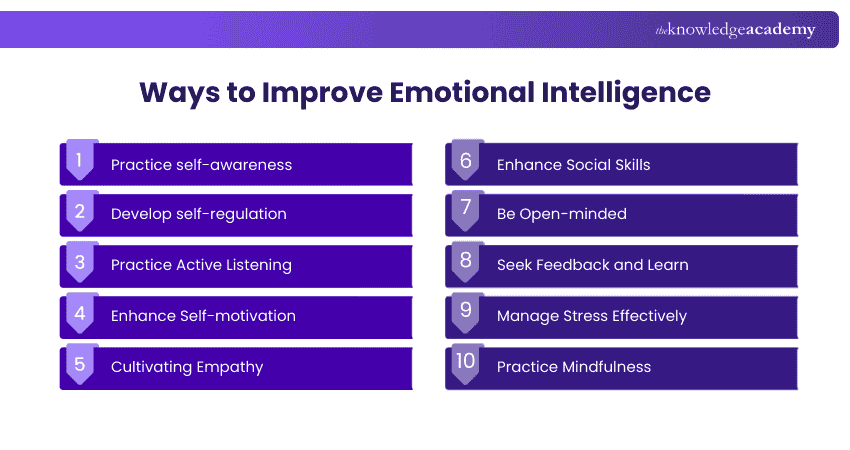
1) Practice self-awareness
Self-awareness is the foundation of Emotional Intelligence. Take time each day for self-reflection. Pay attention to your emotions without judgment. Identify patterns in your emotional responses and the triggers that elicit certain feelings. Journaling can be a helpful tool to track your emotional experiences and gain insights into your thought processes.
Journaling is typically of a few types, namely reflective, gratitude, stream-of-consciousness, dream and creative. Reflective journaling is a structured style of writing that helps individuals obtain clarity around discomforting events.
It can help them get out of an emotional rut and activate a more creative thinking process. For example, an individual can initiate practice by penning down an uncomfortable or puzzling event. They can also log down an important life memory, asking themselves questions such as:
a) What happened?
b) How did i manage to respond?
c) What would i have done or said alternatively?
d) What changes did the experience bring about in me?
Writing the answers in detail to the above questions and other possible ones can provide valuable insight into how the individual responds to stressful situations. They can further work on how they can respond in a healthier way.
2) Develop self-regulation
Once you are more aware of your emotions, work on developing self-regulation. It is one of the most effective ways to improve Emotional Intelligence. When faced with challenging situations, pause and take deep breaths before responding. This brief moment of reflection can prevent impulsive reactions driven by strong emotions. Learn to express your feelings constructively, finding healthy outlets like engaging in physical activities or talking to a friend.
3) Practice Active Listening
Empathy is about understanding others on a deeper level. Practice active listening by providing your full attention to the speaker without interrupting. Try to imagine what the other person might be feeling or going through. Engaging in open and honest conversations can develop a safe space for others to share their emotions and experiences.
Additionally, practice playing close attention to another person’s body language and their vocal tone and pace. Noticing such details can help an individual recognise the emotional state of the speaker and any subtextual messages behind what they are actually expressing.
You can practice Active Listening by letting the other person flow through their train of thought without any interruptions. Such a practice helps facilitate free and healthy communication and fosters an environment of trust and acceptance.
Moreover, Active Listening can be practiced better by maintaining control over internal and external distractions. Recognising the need to plan your responses will enable you to be completely mindful and grounded to the present moment.
4) Enhance Self-motivation
Self-motivation is a practice that requires a person to stay optimistic and concentrate on personal objectives despite difficulties. The reinforcement of positive behaviour and confidence can be achieved by setting realistic goals, acknowledging progress, and rewarding achievements. Self-motivation helps people remain devoted, enhance their work, and keeps becoming not only emotional but also professional.Improve your Emotional Intelligence skills—get the Emotional Intelligence PDF now!
5) Cultivating Empathy
Empathy is the process of learning to trust, discern, and appreciate the feelings and views of others. It involves listening to nonverbal cues like facial expressions, tone of voice, and body language. Active listening and attempting to put yourself in the perspective of another person can allow people to act responsively and foster better relationships.
6) Enhance Social Skills
Improving social skills allows you to navigate various social interactions effectively. Pay attention to nonverbal cues like body language and facial expressions during conversations. Practice assertive communication by expressing your needs and feelings clearly while respecting others' boundaries. Be mindful of the tone of your voice and your choice of words to convey empathy and understanding.
7) Be Open-minded
Individuals that are emotionally intelligent are those who are usually easy to approach because of their excellent listening skills. They possess the ability to consider and comprehend new and diverse perspectives. More importantly, they are enthusiastic and passionate about learning new ideas or concepts and are courageous to envision what the output may look like if implemented into the daily work.
8) Seek Feedback and Learn
Requesting feedback enables one to know the impact of their emotions and behaviour towards others. Listening and thinking accordingly with an open mind, they can recognise what is constructive and what needs to be improved. Taking credit as well as criticism is an action that promotes self-awareness and facilitates ongoing personal and emotional development.
9) Manage Stress Effectively
Stress can be detrimental to Emotional Intelligence. Identify your stressors and create healthy coping strategies. Regular exercise, spending time in nature, or engaging in hobbies can help reduce stress levels. Don't hesitate to seek support from friends, family, or a professional if you find yourself overwhelmed.
10) Practice Mindfulness
Incorporate mindfulness practices into your daily routine. Find a quiet space and focus on your breath, allowing thoughts to come and go without judgment. Mindfulness helps you stay present, reducing stress and anxiety and allowing for more thoughtful responses to challenging situations.
Gain practical tools for conflict resolution, communication, and decision-making with our Supervisor Training – Join today!
What Are Signs of Low Emotional Intelligence?
Low emotional intelligence may be manifested in behaviours that reflect inability to comprehend or regulate emotions. Low Emotional Intelligence in people might make it difficult to realise the impact of words or actions on others, resulting in misunderstandings and relationship conflicts.
Symptoms include always having to be right, lack of concern about how other people feel, insensitivity, personal blame, and inability to cope with emotional circumstances. There are also people who might have an emotional outburst or strongly react without complete understanding of their emotions. These behaviours tend to influence communication, teamwork, and general relations.
Conclusion
We hope you read and understand How to Improve Emotional Intelligence. Emotional Intelligence is an essential skill for effective leadership. Leaders who embrace Emotional Intelligence foster trust, empathy, and open communication. This supportive environment empowers their team to thrive and achieve exceptional results.
Unlock your potential and cultivate personal growth today with our transformative Personal Development Courses – sign up now!
Frequently Asked Questions
Can improved Emotional Intelligence enhance career advancement?

Yes, improved Emotional Intelligence can significantly enhance career advancement. Individuals with high Emotional Intelligence are better equipped to navigate workplace dynamics, build strong relationships, communicate effectively, and manage conflicts. These skills can lead to increased leadership opportunities and faster career progression.
Does Emotional Intelligence Affect Mental Health?
Yes, Emotional Intelligence can influence mental health. It helps individuals understand and manage their emotions, cope with stress, and respond to challenges calmly. Strong Emotional Intelligence also improves relationships and communication, which supports better overall mental well-being.
What are the other resources and offers provided by The Knowledge Academy?
The Knowledge Academy takes global learning to new heights, offering over 3,000+ online courses across 490+ locations in 190+ countries. This expansive reach ensures accessibility and convenience for learners worldwide.
Alongside our diverse Online Course Catalogue, encompassing 17 major categories, we go the extra mile by providing a plethora of free educational Online Resources like Blogs, eBooks, Interview Questions and Videos. Tailoring learning experiences further, professionals can unlock greater value through a wide range of special discounts, seasonal deals, and Exclusive Offers.
What is Knowledge Pass, and how does it work?
The Knowledge Academy’s Knowledge Pass, a prepaid voucher, adds another layer of flexibility, allowing course bookings over a 12-month period. Join us on a journey where education knows no bounds.
What are the related Emotional Intelligence courses and blogs provided by The Knowledge Academy?
The Knowledge Academy offers various Personal Development Courses, including Time Management Training, Attention Management Training and Active Listening Training. These courses cater to different skill levels, providing comprehensive insights into Striking the Right Balance between Confidence vs Arrogance.
Our Business Skills Blogs cover a range of topics related to Emotional Intelligence, offering valuable resources, best practices, and industry insights. Whether you are a beginner or looking to advance your Business skills, The Knowledge Academy's diverse courses and informative blogs have you covered.

The Knowledge Academy


Global Training Provider
The Knowledge Academy is a world-leading provider of professional training courses, offering globally recognised qualifications across a wide range of subjects. With expert trainers, up-to-date course material, and flexible learning options, we aim to empower professionals and organisations to achieve their goals through continuous learning.

Upcoming Business Skills Resources Batches & Dates
Date
 Emotional Intelligence Training
Emotional Intelligence Training
Fri 4th Sep 2026
Emotional Intelligence Training
Fri 11th Dec 2026

 If you wish to make any changes to your course, please


