


 Top Rated Course


We may not have the course you’re looking for. If you enquire or give us a call on 800600725 and speak to our training experts, we may still be able to help with your training requirements.
How to Design a Logo and Create Strong Branding
Richard Harris 28 April 2026A Logo is your brand identity, and designing a unique Logo using colour palettes, fonts, and shapes enhances your brand reach among the audience. It reflects your brand's mission and values and makes a lasting impression on your potential customers. Learning How to Design a Logo helps you stand out in the competitive market and boost brand recognition.

Training Outcomes Within Your Budget!
We ensure quality, budget-alignment, and timely delivery by our expert instructors.
Table of Contents
Today’s world is full of visuals. Your Logo is not just a drawing; it is your brand’s face. It is the first thing your audience sees. A good logo can tell people about your story. It helps people trust you and makes you stand different from others.
Making a logo is not easy. It is more than just drawing. You need to think about many things. It is a mix of art, colour knowledge, and brand knowledge. In this blog, we will understand the steps on How to Design a Logo. You will learn how to understand your brand and choose the right colours, fonts and shapes.
Table of Contents
1) What is a Logo?
2) Steps to Design a Logo
3) Types of Logos
4) Best Practices for Logo Design
5) Can AI Tools Create Good Logos?
6) Conclusion
What is a Logo?
A Logo is a unique symbol that stands for a company, brand, or product. It helps people recognise a brand and builds trust with customers. It can be made up of symbols, words, or pictures. A good Logo can make a company look more trustworthy. Logos are important for brands and businesses.

Steps to Design a Logo
Designing a Logo involves a thoughtful and strategic process to create a visual representation that effectively communicates the identity and values of a brand. Below are the steps to design a Logo:
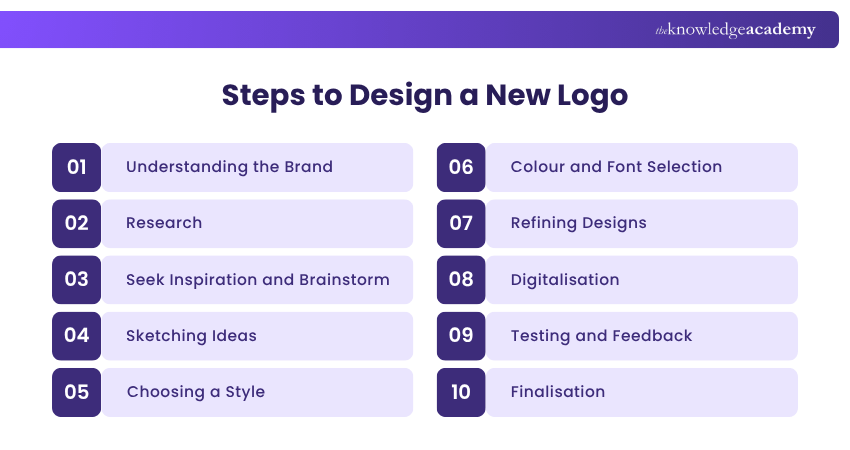
1) Understanding the Brand
Clearly define the purpose, mission, and values of the brand. Conduct a comprehensive brand discovery session with key stakeholders. Explore the brand's history, target market, unique selling propositions, and long-term goals. This foundational understanding will guide the design process by ensuring that the Logo aligns with the essence of the brand.
2) Research
Understand the industry, competitors, and current design trends. Thoroughly research the industry to identify common visual elements and design conventions. Analyse competitor Logos to pinpoint both successful and ineffective design choices. Stay updated on current design trends, but balance trendiness with timelessness to ensure the Logo remains relevant over the long term.
3) Seek Inspiration and Brainstorm
Seeking for a spark of creativity and coming up with a way to create your logo is a great step forward. After you put your ideas down on paper, have a look at Logo trends. This mind map will help you understand what elements, style and design will work for your brand and what context you can test your design in. You can have a look at Pinterest, Behance and online platforms for ideas and inspirations.
4) Sketching Ideas
Generate creative concepts and explore different design possibilities. Begin the creative process with pen and paper. Sketch various ideas, experimenting with shapes, symbols, and typography. Encourage free-flowing creativity without being overly concerned about perfection at this stage.
Join our Sketchbook Essential Training and gain knowledge on art of visual storytelling.
5) Choosing a Style
Pick the logo style that is right for your brand. Think about your brand’s personality and who it wants to reach. There are several types of logos, including wordmarks, lettermarks, pictorial logos, abstract logos or a combination of these. The style chosen should reflect the brand and appeal to the audience.
6) Colour and Font Selection
Choose the right colours and fonts that show off the brand’s personality and connect to the customers. Think about the mood and values of the brand in the colour choices and remember how colours affect the psychology of the customer. Pick the correct fonts that complement the style yet creates easy readability.
7) Refining Designs
Streamline and simplify initial sketches. Review and critique the initial sketches. Identify elements that are essential to convey the brand message and eliminate unnecessary complexities. Aim for a clean and memorable design that can be easily recognised and understood.
Level up your artistry! Join our Drawing Course for an inspiring journey into the world of creativity!
8) Digitalisation
Create a digital version of the Logo for scalability and precision. Transition from paper to digital format using graphic design software. This step allows for precise detailing, scalability for various applications, and experimentation with colour variations. Ensure that the digital version maintains the integrity of the hand-drawn concept.
9) Testing and Feedback
Gather input and feedback to refine the design further. Share the digital Logo with a select group of stakeholders, clients, or a focus group. Collect constructive feedback on aspects such as visual appeal, symbolism, and alignment with the brand. Use this feedback to make informed adjustments and improvements to the design.
10) Finalisation
Make any necessary adjustments based on feedback. Synthesise the feedback received and make final adjustments to the Logo. Ensure that the design meets all the criteria set during the initial stages, including representing the brand effectively and appealing to the target audience.
By following these expanded actions for each step, designers can navigate the Logo design process more effectively. Incorporating Logo Design Tips ensures that the final Logo not only looks visually appealing but also aligns with the brand's identity and goals.
Elevate your skills with our Design Patterns Training. Register now for a transformative learning experience!
Types of Logos
Logos come in various types, each with its own unique characteristics and applications. Here are some common types of Logos:
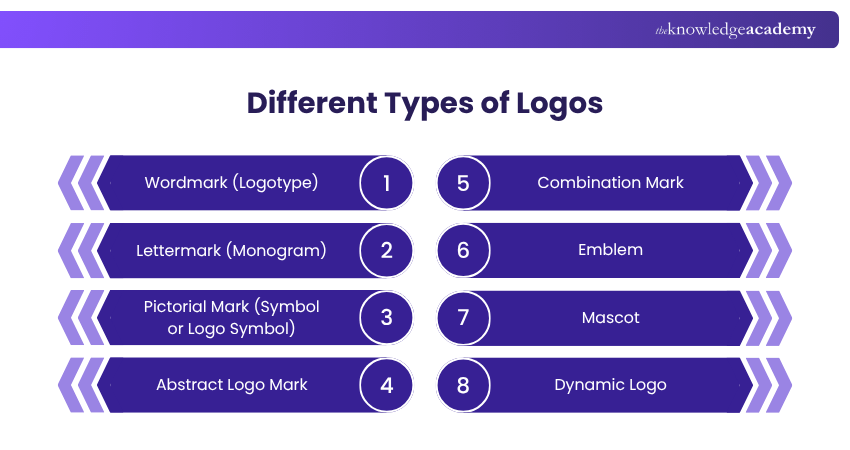
1) Wordmark (Logotype): A wordmark Logo consists of the brand's name or initials presented in a distinctive and stylised font. It relies on typography to create a memorable and recognisable brand mark. Example: Coca-Cola, Google, Disney.
2) Lettermark (Monogram): Lettermark Logos use the initials or acronym of a brand to create a visually appealing and compact symbol. This is especially useful for brands with long names. Example: IBM, NASA, HBO.
3) Pictorial Mark (Symbol or Logo Symbol): Pictorial marks are graphical symbols or icons that represent the brand without the use of letters or words. They are often memorable and can convey the essence of the brand. Example: Apple, Twitter, Nike.
4) Abstract Logo Mark: Abstract Logo marks use non-representational forms to create a unique and memorable symbol. These designs often evoke a specific feeling or concept. Example: Pepsi, Adidas, Mitsubishi.
5) Combination Mark: Combination marks integrate both text and a symbol to form a cohesive and versatile Logo. This allows for brand recognition through both the company name and the visual symbol. Example: Burger King, Lacoste, Doritos.
6) Emblem: Emblems consist of a symbol or icon enclosed within a geometric shape or a badge-like design. They often convey a sense of tradition, authority, or prestige. Example: Starbucks, Harley-Davidson, BMW.
7) Mascot: Mascot Logos feature a character or figure, often anthropomorphic, that represents the brand. These logos are commonly used by sports teams and businesses to target a younger audience. Example: KFC, Pringles, Michelin.
8) Dynamic Logo: Dynamic Logos are designed with elements that can change or adapt, allowing for a dynamic and interactive brand presence. This type of Logo is becoming more relevant in digital and online environments. Example: Google, Airbnb.
Dive into the world of digital art! Join our Digital Painting Course and elevate your skills!
Best Practices for Logo Design
Designing a memorable logo means you need to use the right design rules. These rules help your logo stay clear, meaningful, and timeless. Here are some simple tips for How to Design a Logo:
1) Simplicity is Key
Keep it Simple. A good logo needs to be simple. Keep it neat so people can remember it. Don’t add tiny details since it will only mess up the logo when you make it small.
2) Versatility Matters
It should work everywhere. Make a logo that can be used everywhere on any design or print. It should go with every platform and fir right into the audience's mind.
3) Relevance to the Brand
It should match the brand. Think about the tone of the brand, its mission, core values, etc. The logo needs to send the right signal to the right people.
4) Timelessness
Make the logo timeless. Try to make a logo that doesn’t lose its appeal. Don’t follow design trends follow the design that suits your brand.
5) Memorability
Make it memorable. Don’t use a generic symbol rather try to make it unique from other designs.By adhering to these best practices, designers can create Logos that not only look visually appealing but also effectively represent the brand and leave a lasting positive impression on the target audience.
Can AI Tools Create Good Logos?
AI logo generators make logo design easier and faster. They help businesses look at different styles, setups, and colours. These tools are good for new businesses with little money or time. But experts say AI tools are good for ideas, not for final logos.
AI tools are great for testing ideas and looking at different pictures. But, they do not give you unique and special logos. Sometimes AI does not have the human creativity that is important for your business. You still need to work on the logo and make it your own. This will help your logo show what your business is about.
Conclusion
A Logo is not just what you see, your Logo tells your story, your brand's story, it's the essence and the purpose. Learning How to Design a Logo, understanding the creative sides to it, the types of logos and practices for creating one will help your brand's success. With this basic knowledge, you’re creating a brand Logo that will leave a lasting impression and distinct recognition amongst the competitive world.
Unlock your creativity with Animation and Design Training. Sign up now to master the art of visual storytelling and bring your ideas to life!
Frequently Asked Questions
What is the Golden Ratio in Logo Design?

In logo design, the Golden Ratio means the balance of 1:1.618. This number helps to unlock the harmony in the design and designers use that measure for grid frameworks to perfect the design to the eye.
How do I Test if my Logo is Effective?
There are different ways to check if your Logo design works, such as: Getting feedback from the audience, A/B testing and seeing if the design is scalable.
What are the Other Resources and Offers Provided by The Knowledge Academy?
The Knowledge Academy takes global learning to new heights, offering over 3,000+ online courses across 490+ locations in 190+ countries. This expansive reach ensures accessibility and convenience for learners worldwide.;
Alongside our diverse Online Course Catalogue, encompassing 17 major categories, we go the extra mile by providing a plethora of free educational Online Resources like Blogs, eBooks, Interview Questions and Videos. Tailoring learning experiences further, professionals can unlock greater value through a wide range of special discounts, seasonal deals, and;Exclusive Offers.
What is The Knowledge Pass, and How Does it Work?
The Knowledge Academy’s Knowledge Pass, a prepaid voucher, adds another layer of flexibility, allowing course bookings over a 12-month period. Join us on a journey where education knows no bounds.
What are the Related Courses and Blogs Provided by The Knowledge Academy?
The Knowledge Academy offers various Animation and Design Training, including Sketchbook Essential Training, Animation Course, and Inkscape Training. These courses cater to different skill levels, providing comprehensive insights into 3D Modelling.
Our Office Applications Blogs cover a range of topics related to sketching and Logo design, offering valuable resources, best practices, and industry insights. Whether you are a beginner or looking to advance your design skills, The Knowledge Academy's diverse courses and informative blogs have got you covered.

Richard Harris


Senior Full Stack Developer and Technology Educator
Richard Harris is a highly experienced full-stack developer with deep expertise in both frontend and backend technologies. Over his 12-year career, he has built scalable web applications for startups, enterprises and government organisations. Richard’s writing combines technical depth with clear explanations, ideal for developers looking to grow in modern frameworks and tools.


 If you wish to make any changes to your course, please


