


 Top Rated Course

We may not have the course you’re looking for. If you enquire or give us a call on 0800 446148 and speak to our training experts, we may still be able to help with your training requirements.
Three Scrum Pillars: Exploring Scrums Core Principles
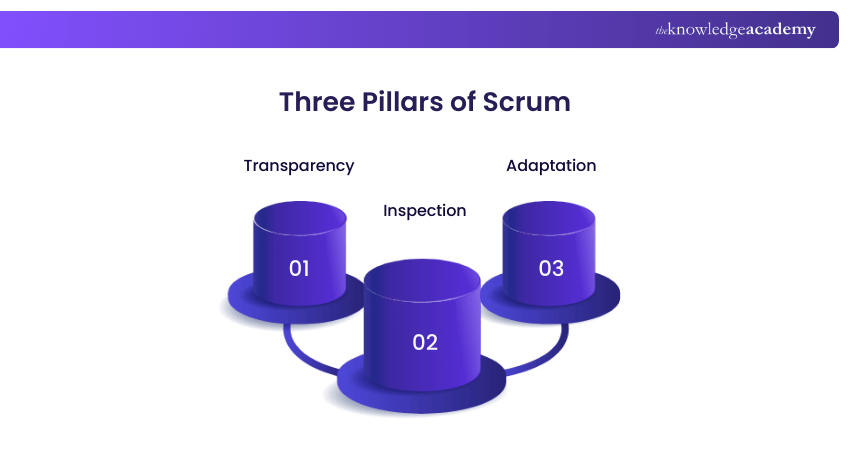
The Knowledge Academy 05 June 2026The three Scrum Pillars are Transparency, Inspection, and Adaptation. These empirical principles guide the process and help teams improve and achieve success. They encourage team accountability, and early detection of issues. This leads to better collaboration, continuous learning, and consistently higher-quality outcomes.

Training Outcomes Within Your Budget!
We ensure quality, budget-alignment, and timely delivery by our expert instructors.
Table of Contents

Ever felt like your project is spinning out of control, with missed deadlines, miscommunication, and constant chaos? If so, you’re not alone. The Scrum Pillars are here to change that. Transparency, inspection, and adaptation aren’t just buzzwords; they’re the secret ingredients to keeping teams aligned, spotting problems early, and pivoting when plans go sideways.
In essence, think of the Scrum Pillars as your project’s safety net. They keep everyone on the same page, encourage clear communication, and help teams address challenges immediately. In this blog, we’ll explore the three Pillars of Scrum in detail and see how they drive success in any Agile environment.
Table of Contents
1) What are the Three Pillars of Scrum?
a) Transparency
b) Inspection
c) Adaptation
2) Embrace the Three Pillars of Scrum with The Right Tools
3) Why Follow the 3 Pillars of Scrum?
4) Conclusion
What are the Three Pillars of Scrum?
The three Scrum Pillars support the Agile principles within the Scrum framework, promoting productivity and versatility in Project Management. This empirical process approach is centred around three key elements: transparency, inspection, and adaptation.
1) Transparency
It is a key aspect of the Scrum Pillars; it makes sure that each part of the process is open and clear to everyone included. It keeps team members and investors aligned on what’s happening, what is expected, and what’s completed. This clarity encourages trust, accountability, and better problem-solving.

1) How to Ensure Transparency in Scrum?
1) Define the Product Backlog Clearly:
Keep the Product Backlog organised, prioritised and available to all team members.
2) Conduct Daily Stand-ups:
Hold brief, daily meetings where each member shares progress, obstacles, and upcoming tasks.
3) Establish a Definition of Done (DoD):
Create a clear, shared understanding of what ‘done’ means for every task or increment.
4) Hold Regular Sprint Reviews:
Review completed work with stakeholders to provide visibility into what has been achieved.
5) Use Visual Tools:
Establish tools like task boards, dashboards or burndown charts to monitor progress and make work visible.
Learn the key concepts within Scrum and Agile with our Managing Agile Projects With Scrum Training – Join today!
2) Benefits of Transparency in Scrum
Transparency in Scrum provides several valuable benefits:
1) Informed Decision-Making:
Access to the latest information helps teams and investors make well-informed decisions that match project goals.
2) Early Issue Detection:
Clear communication emphasises potential problems early, enabling teams to handle them before they increase.
3) Improved Accountability:
Clear visibility into each team member’s tasks fosters accountability and encourages ownership of work.
4) Stakeholder Engagement:
Regular updates keep stakeholders involved, promoting better collaboration and shared commitment.
5) Risk Management:
Transparent processes allow teams to identify and mitigate risks, reducing their impact on project outcomes.
Learn to manage sprints and projects more effectively with the Managing Agile Projects With Scrum Training – Sign up now!
2) Inspection
Inspection, one of the Scrum Pillars, involves regularly checking the product and processes to spot potential issues early. It helps teams stay on track, make necessary adjustments, and keep the project aligned with sprint goals. By inspecting work frequently, teams can identify problems before they escalate and make better decisions to guide the project forward.
1) Frequent Inspection Points in Scrum
Scrum includes specific events that act as regular inspection points:
1) Sprint Planning:
At the start of every sprint, the team reviews the Product Backlog and plans what will be achieved during the sprint. This helps align the team with the sprint goals.
2) Daily Stand-ups:
These brief daily meetings align with the Scrum pillars of empiricism, allowing team members to share updates, highlight progress, and discuss obstacles. This practice keeps the team on track, ensures transparency, and addresses issues promptly.
3) Sprint Review:
At the start of every sprint, the team reviews the Product Backlog and plans what will be achieved, aligning with the sprint goals. This practice reinforces the empirical Scrum Pillars transparency, inspection, and adaptation ensuring the team stays focused and organised.
4) Sprint Retrospective:
A crucial part of the Scrum Pillars allows the team to reflect on the entire sprint after the review. They discuss what went well, what didn’t, and how to improve. This practice helps in making necessary adjustments for the next sprint, fostering continuous improvement.
2) How Inspection Leads to Continuous Improvement?
Regular inspection helps teams improve in several ways:
1) Identifying Issues Early:
By frequently checking work, teams can spot problems before they become serious, allowing for quick fixes.
2) Adapting to Changes:
Inspection provides insights into what is working and what isn’t, helping teams adjust plans and strategies as needed.
3) Maintaining Quality:
Continuous checks ensure that the work meets expected standards and stakeholder expectations.
4) Encouraging Learning:
Reviewing work processes and outcomes helps teams learn from past experiences, promoting ongoing improvement and better results.
Learn backlog management, stakeholder communication, and Scrum roles from experts. Join our Scrum Product Owner Certification today!
3) Adaptation
Adaptation, a key aspect of the Scrum Pillars, means making necessary changes based on feedback received during inspections. When teams spot areas that need adjustment, they take action to refine processes, align with project goals, and maintain work quality effectively.
1) How Adaptation is Implemented in Scrum?
Adaptation in Scrum is implemented through specific practices:
1) Sprint Planning:
At the start of every sprint, the team plans the tasks based on previous sprint feedback and current project goals.
2) Daily Scrum:
Daily updates provide an opportunity to adjust priorities based on ongoing progress and obstacles.
3) Sprint Review:
Feedback from stakeholders during the sprint review helps the team adjust the next sprint’s focus.
4) Sprint Retrospective:
The team shows on the sprint, discusses what worked and what didn’t, and plans changes to improve future sprints.
2) Benefits of Adaptation in Scrum
Benefits of adaptation in Scrum are here:
1) Flexibility:
Teams can quickly adjust to changes, preventing delays and minimising risks.
2) Improved Quality:
Regular adjustments help maintain the quality of work, ensuring the product meets expectations.
3) Continuous Improvement:
The team learns from each sprint and implements changes, gradually refining processes and practices.
4) Risk Management:
Early detection of potential risks allows for timely action, reducing their impact on the project.
5) Stakeholder Satisfaction:
Adapting based on stakeholder feedback ensures the project stays aligned with expectations and goals.
Build strong foundations in Agile thinking and understand Agile workflows with confidence by joining the Agile and Scrum Awareness now!
Embrace the Three Pillars of Scrum with The Right Tools
The Scrum Pillars are transparency, inspection, and adaptation are vital for effective Project Management. Jira and Confluence by Atlassian provide powerful tools to help teams implement these principles effectively. Transparency encourages communication, inspection detects issues early, and adaptation enables timely changes driving continuous improvement and project success.
1) Transparency:
Jira provides clear sprint planning, backlog tracking, and progress updates, keeping everyone aligned. Confluence serves as a central hub for documenting tasks, meeting notes, and project updates, ensuring open communication.
2) Inspection:
Jira’s real-time reports and burndown charts help teams monitor progress and identify issues early. Confluence captures feedback and lessons learned, promoting ongoing review and improvement.
3) Adaptation:
Jira’s Agile workflows make it easy to adjust priorities and update tasks based on feedback. Confluence documents change and keep everyone informed, maintaining consistency across the team.
By integrating Jira and Confluence, teams can effectively apply the Scrum Pillars of transparency, inspection, and adaptation. This integration helps teams stay organised, respond to changes swiftly, and maintain clear communication throughout the project.
Learn Agile frameworks to lead projects with confidence and clarity with our Scrum Master Certification – Register now!
Why Follow the Three Pillars of Scrum?
The three Scrum Pillars such as transparency, inspection, and adaptation serve as essential guidelines for effective Project Management. They provide a framework that keeps projects organised, encourages teamwork, and drives continuous improvement. Let’s explore how these pillars contribute to successful project outcomes.

1) Flexibility and Agility
1) The Scrum Pillars help teams stay adaptable during changes
2) Transparency keeps everyone informed about project updates
3) Regular inspection helps teams spot issues early
4) Adaptation allows quick adjustments to align with evolving goals
5) Teams can pivot smoothly when unexpected problems arise
6) Continuous monitoring ensures that adjustments are timely and effective
2) Continuous Improvement
1) Inspection encourages teams to review their work regularly
2) Teams identify areas that need improvement
3) Adaptation helps teams implement changes based on these insights
4) This ongoing cycle of reviewing and adjusting enhances processes
5) It encourages a culture of learning and continuous improvement
6) Feedback from stakeholders further refines project strategies
3) Collaboration and Engagement
1) Transparency keeps everyone aligned with project goals
2) Open communication fosters trust among team members
3) Regular updates keep everyone informed about progress
4) Clear documentation helps each member understand their role
5) Strong collaboration leads to better project outcomes
6) Regular check-ins strengthen team alignment and resolve conflicts early
4) Risk Mitigation
1) Inspection helps teams identify risks early in the project
2) Adaptation allows teams to address these risks promptly
3) Regular reviews prevent potential setbacks from escalating
4) Adjusting workflows keeps projects on track
5) Teams maintain momentum by minimising disruptions
6) Ongoing risk assessment helps in prioritising critical issues effectively
Conclusion
Executing the Scrum Pillars transparency, inspection, and adaptation helps teams keep organised, responsive and aligned with project targets. By encouraging open communication, determining issues early and adapting based on real data, teams can always improve and give successful project outcomes. These principles empower teams to build trust, embrace change, and achieve long-term success.
Want to improve your Scrum skills? Register for our Scrum Developer Training today!
Frequently Asked Questions
Why are the Three Pillars of Scrum so Important?

The three Scrum Pillars transparency, inspection, and adaptation keep teams organised and focused. Transparency encourages open communication, inspection helps spot issues early, and adaptation enables timely adjustments. Together, they promote continuous improvement and effective project delivery.
What is an Example of Empiricism in Scrum?
Empiricism in Scrum means basing decisions on real data and observations. For example, after a Sprint Review, the team assesses progress, gathers feedback, and adjusts the next sprint’s tasks based on actual outcomes.
What are the Other Resources and Offers Provided by The Knowledge Academy?
The Knowledge Academy takes global learning to new heights, offering over 3,000+ online courses across 490+ locations in 190+ countries. This expansive reach ensures accessibility and convenience for learners worldwide.
Alongside our diverse Online Course Catalogue, encompassing 17 major categories, we go the extra mile by providing a plethora of free educational Online Resources like Blogs, eBooks, Interview Questions and Videos. Tailoring learning experiences further, professionals can unlock greater value through a wide range of special discounts, seasonal deals, and Exclusive Offers.
What is the Knowledge Pass, and How Does it Work?
The Knowledge Academy’s Knowledge Pass, a prepaid voucher, adds another layer of flexibility, allowing course bookings over a 12-month period. Join us on a journey where education knows no bounds.
What are the Related Courses and Blogs Provided by The Knowledge Academy?
The Knowledge Academy offers various Scrum Certification, including the Agile and Scrum Awareness Training, Managing Agile Projects with Scrum Training, and Scrum Master Certification. These courses cater to different skill levels, providing comprehensive insights into Scrum Case Studies.
Our Project Management Blogs cover a range of topics related to the Scrum Pillars, offering valuable resources, best practices, and industry insights. Whether you are a beginner or looking to advance your Scrum skills, The Knowledge Academy's diverse courses and informative blogs have got you covered.

The Knowledge Academy


Global Training Provider
The Knowledge Academy is a world-leading provider of professional training courses, offering globally recognised qualifications across a wide range of subjects. With expert trainers, up-to-date course material, and flexible learning options, we aim to empower professionals and organisations to achieve their goals through continuous learning.

Upcoming Project Management Resources Batches & Dates
Date
 Scrum Product Owner Certification
Scrum Product Owner Certification
Thu 20th Aug 2026
Scrum Product Owner Certification
Thu 26th Nov 2026

 If you wish to make any changes to your course, please


