


 Top Rated Course

We may not have the course you’re looking for. If you enquire or give us a call on +34 932716793 and speak to our training experts, we may still be able to help with your training requirements.
Top 30 Service Desk Manager Interview Questions and Answers
The Knowledge Academy 05 May 2026The top Service Desk Manager Interview Questions are intended to assess leadership, ITIL knowledge, and problem-solving skills for effective service delivery. These questions are essential because the role involves leading a team of Service Desk Analysts, managing SLAs, and developing strategies to enhance the customer experience.
Training Outcomes Within Your Budget!
We ensure quality, budget-alignment, and timely delivery by our expert instructors.
Table of Contents
Have you ever been the go-to person when tech problems hit the fan? If so, you might be ready to take the next big step and become a Service Desk Manager. It’s not just about fixing tickets; it’s about leading a team, bringing order to IT chaos, and making sure every user gets the support they need with empathy and efficiency.
In this blog, we’ve put together some of the most commonly asked Service Desk Manager Interview Questions, along with sample answers to help you shine. From calming frustrated users to managing SLAs with confidence, these questions will prepare you to step into the role and lead your team to success. Let’s get started.
Table of Contents
1) Service Desk Manager Interview Questions with Answers
a) How important is customer service for you and why?
b) What critical skills are essential for a Service Desk Manager?
c) What is the best thing you like about your job?
d) Distinguish between Incident Management and Request Fulfilment in the context of Service Desk Management
e) How will you deal with any frustrated customer?
f) If there is a language barrier between you and a customer, what will you communicate with that customer?
g) How do you respond when you do not know the answer?
h) How do you handle team conflicts or performance issues within the service desk team?
i) How do you organise your work schedule?
j) How do you face criticism on the job?
2) Conclusion
Service Desk Manager Interview Questions with Answers
As you step into the interview room as a Service Desk Manager candidate, you'll face questions that assess your leadership, technical knowledge, and customer service skills. The following Service Desk Manager Interview Questions and answers will help you stand out in your next interview:
How important is customer service for you and why?

This question is intended to assess your customer-centric mindset and commitment to service excellence.
Sample Answer:
"Customer service is the heart of everything we do. It’s not just about solving issues; it’s about creating trust. I believe a satisfied customer is a long-term partner. I heavily prioritise empathy, clear communication and quick resolutions to ensure a positive experience every time."
What critical skills are essential for a Service Desk Manager?
This will evaluate your awareness of leadership, technical and interpersonal competencies required in this role.
Sample Answer:
"Strong communication, problem-solving and leadership are key. I need to guide a team, manage expectations and keep things running as smoothly as possible. I also think Emotional Intelligence (EI) and adaptability are crucial, especially when juggling technical issues and People Management under pressure."
What is the best thing you like about your job?
This is one of the best Service Desk interview questions that’ll help understand what motivates you and where your passion lies in Service Desk Management.
Sample Answer:
"Honestly, I love being the go-to person who helps turn problems into solutions. It's rewarding to lead a team and see customers leave satisfied. Watching my team members grow and thrive while keeping operations efficient, that’s the best part for me."
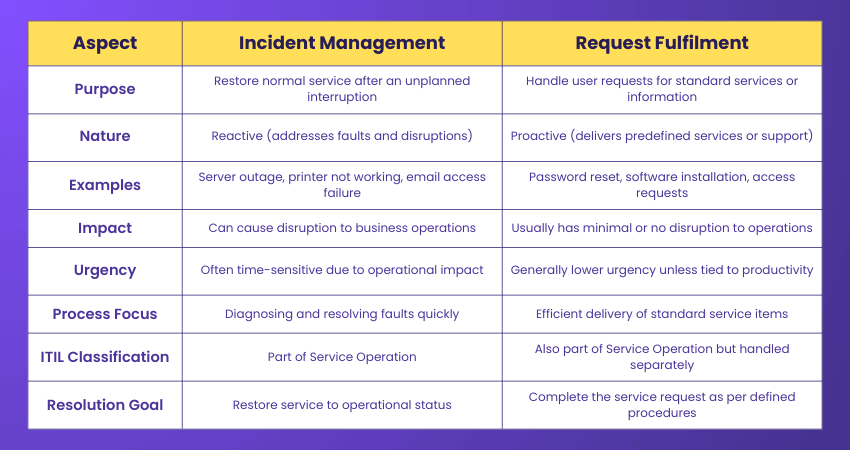
Distinguish between Incident Management and Request Fulfilment in the context of Service Desk Management
This question is designed to test your understanding of Information Technology Infrastructure Library (ITIL) processes and ability to distinguish core service desk operations.
Sample answer:
“Here are the key differences between Incident Management and Request Management:
How will you deal with any frustrated customer?
This question will help gauge your conflict resolution and EI skills amidst tough customer situations.
Sample Answer:
"First, I let them vent because it’s important to be heard. Then, I stay calm, acknowledge their frustration, and reassure them I’ll do everything to help. I stay transparent, give realistic timelines and always follow up. That human connection makes a big difference."
If there is a language barrier between you and a customer, what will you communicate with that customer?
This question will help the interviewer assess your communication adaptability under language or cultural challenges.
Sample Answer:
"In such a situation, I’ll simplify my language, use visuals or written confirmation if needed, and speak slowly but respectfully. If possible, I involve a colleague who speaks their language. My goal is to make the customer feel understood and supported, regardless of language differences."
Make CITSM your badge of credibility and capability on the road to IT excellence. Sign up for our Certified IT Service Manager (CITSM) Certification now!
How do you respond when you do not know the answer?
This question will test your honesty, problem-solving skills and approach to unknowns in a leadership role.
Sample Answer:
“I believe it’s okay not to have all the answers. I let the customer or team know I’ll investigate and get back with accurate info. I follow up promptly, seeing it as a learning opportunity that builds credibility and trust.”
How do you handle team conflicts or performance issues within the service desk team?
This will help assess your leadership and Team Management skills.
Sample Answer:
“I address issues early before they escalate. I listen to all sides, stay neutral and guide the team toward a solution. For performance issues, I give constructive feedback, set clear expectations and support their growth with coaching or training where needed.”
How do you organise your work schedule?
This will help the interviewer understand your Time Management and task prioritisation techniques.
Sample Answer:
“I start each day by listing the tasks based on urgency and impact. I employ tools like ticketing dashboards and team calendars to stay on track. Delegation is key in such scenarios. I make sure the team is aligned so everything flows smoothly and nothing gets missed.”
How do you face criticism on the job?
You answer to this question will help the interviewer see how you handle feedback and grow from constructive criticism in a leadership role.
Sample Answer:
“I welcome it, honestly. I try not to take it personally and instead see it as a chance to improve. I ask questions to understand the feedback better, take time to reflect and adjust my approach accordingly. After all, growth comes from sincere listening.”
How do you handle situations where SLAs are at risk of being breached?
This will help evaluate your Urgency Management and communication expertise under pressure.
Sample Answer:
"I flag the risk early, assess what’s causing the delay and reassign or escalate if needed. I always inform the customer before the breach happens, not after. Being proactive and transparent helps me protect trust, even when we’re racing the clock."
What strategies do you employ to improve customer satisfaction with the service desk?
This question is intended to help the interviewer understand your proactive efforts in improving customer experience.
Sample Answer:
“I focus on fast response times, first-call resolution, and clear communication. I also collect feedback, analyse recurring issues, and improve processes. Regular team coaching and knowledge base updates help us serve customers more consistently and confidently. This keeps the satisfaction level high.”
How do you prioritise incidents to ensure timely resolution?
This will help evaluate your knowledge of incident classification and SLA-driven prioritisation.
Sample Answer:
"I use impact and urgency to classify incidents based on our Service Level Agreement
(SLA) matrix. Critical issues affecting many users come first, while minor requests are queued accordingly. I also monitor backlog trends and reassign if needed to meet resolution targets consistently."
What strategies do you employ to motivate and engage your service desk team?
This will help assess your leadership style and ability to maintain team morale.
Sample Answer:
"I keep communication open and transparent. I recognise wins, big or small, and regularly check in with individuals to understand their needs. I also offer growth opportunities, gamify goals occasionally, and make sure the team feels heard and supported in everything we do."
Catalyse efficiency at the frontline of IT Support with our Service Desk Senior Analyst Training - Register now!
How do you handle escalations from the service desk?
This will test your Escalation Management and problem-resolution expertise.
Sample Answer:
"I take escalations very seriously and respond quickly. I assess the case, gather essential details and involve the right people to resolve it as fast as possible. I also keep the customer informed throughout and always review the root cause to prevent repeat issues."
How do you foster a culture of continuous learning and development within the service desk team?
This will help the interviewer understand how you promote Skills Development and adaptability within your team.
Sample Answer:
"I encourage knowledge sharing, regular training sessions and self-paced learning. We set development goals during reviews and celebrate certifications or skill growth. I also involve team members in process updates or tool testing. It makes learning hands-on and relevant."
Describe your approach to implementing and managing ITIL processes within the Service Desk
This will help the interviewer gauge your familiarity with ITIL and structured Service Management practices.
Sample Answer:
"I align our workflows with ITIL best practices, starting with incident, request and Problem Management. I involve the team in adopting processes, provide training and track compliance through various metrics. The goal here is consistency, clarity and better service delivery across all touchpoints."
How do you handle performance reviews and goal-setting for your service desk team?
This question will help assess your Performance Management skills and leadership approach.
Sample Answer:
"I hold regular one-on-ones to track progress and offer feedback. For goal-setting, I use SMART goals tied to both business and personal development. I focus on strengths, give constructive input, and work with each team member to support their growth path."
How do you prioritise and assign tasks to your team to ensure efficient service delivery?
This question is intended to test your Resource Management and decision-making in task allocation.
Sample Answer:
“I consider each team member’s workload, expertise and the priority of the task. I use the service desk tool to assign tickets based on SLAs and complexity. Additionally, daily stand-ups help us adjust quickly and keep delivery on track.”
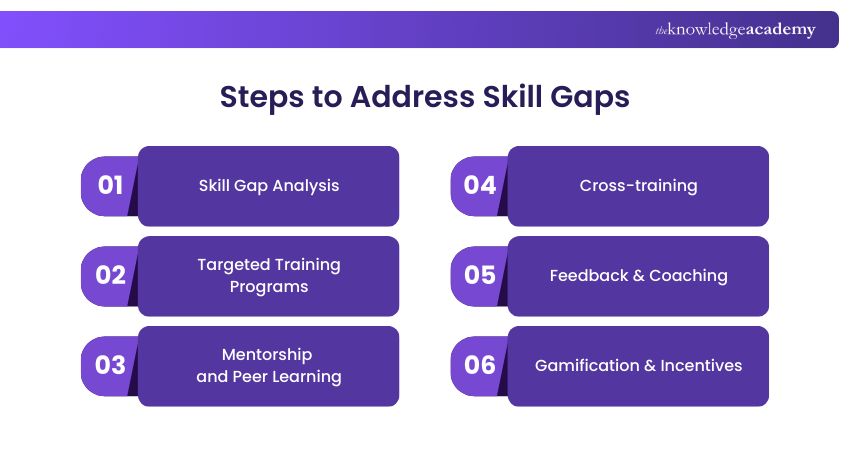
What strategies do you employ to address skill gaps within the service desk team?
This will help the interviewer understand your ability to identify and close competency gaps.
Sample Answer:
“I regularly assess performance trends and gather feedback to spot skill gaps. Then I offer targeted training, mentoring or shadowing opportunities. Upskilling doesn’t have to be formal; sometimes it’s about pairing the right people together to learn on the job effectively.”
Master the art of Customer Care and tech troubleshooting. Sign up for our Service Desk Analyst (SDA) Training now!
What role does automation play in your service desk strategy?
This assesses your awareness of modern service desk tools and your ability to improve efficiency through automation.
Sample Answer:
“Automation is a game changer. I use it for ticket routing, password resets, and status updates. It saves a lot of time and reduces errors. It lets the team focus on more complex issues while improving consistency and response times. It's all about working smarter, not harder.”
How do you handle a situation where the service desk is overwhelmed with a high volume of incoming incidents?
This question is designed to evaluate your crisis response and Workload Management strategy.
Sample Answer:
“First, I triage quickly and categorise the incidents based on impact and urgency. Then I allocate resources based on priority and communicate realistic timelines to users. I might also pull in extra support or enable automated responses temporarily to manage the load efficiently.”
How do you measure the performance of the Service Desk team?
This will help the interviewer understand how you track team output and effectiveness.
Sample Answer:
“I use metrics like first contact resolution, SLA compliance and customer satisfaction scores. I also look at ticket trends and individual contributions. Beyond numbers, I assess communication, collaboration and professionalism to get a balanced view of team performance.”
How do you ensure timely resolution of incidents and service requests?
This question will test your operational discipline and prioritisation approach.
Sample Answer:
“I make sure incidents are logged and prioritised correctly, monitor queues closely, and keep SLAs visible to the team. I also balance workloads fairly and jump in to unblock any delays. Clear communication with users also keeps expectations managed.”
What role does customer feedback play in shaping your service desk operations?
This will help evaluate how you use customer input to refine service quality.
Sample Answer:
“Customer feedback is extremely valuable. I treat it as a compass; it shows what’s working and what needs attention. We review it regularly and use it to adjust training, processes or tools. Even negative feedback helps us improve and build stronger relationships with users.”
How do you balance technical troubleshooting with customer communication during a live call?
This question is intended to assess your ability to multitask while solving issues in real-time.
Sample Answer:
“I explain what I’m doing as I go; it keeps the customer engaged and informed. I avoid silence, ask clarifying questions, and confirm steps in plain language. It’s about being technically accurate but also human. That balance keeps the experience smooth and builds trust.”
How do you collaborate with other IT teams or departments to resolve complex issues?
This question will help evaluate your cross-functional communication and how well you integrate the Service Desk into broader IT operations.
Sample Answer:
“I believe in open, proactive communication. When things escalate, I involve the right team early and keep everyone updated. We work together to find root causes and long-term fixes. Good collaboration helps avoid silos and creates a more united IT environment that benefits everyone.”
From first call to final fix, keep the digital world running smoothly with our Certified Service Desk Support Technician - Sign up now!
What steps do you take to address employee burnout and promote well-being within the service desk team?
This question is intended to assess your leadership style and concern for team welfare.
Sample Answer:
“I watch for signs of overload and check in regularly; not just on work but how they’re feeling. I rotate duties, encourage breaks, and keep workloads fair. Celebrating wins and creating a positive team atmosphere also helps morale and motivation.”
How do you adapt your management style for remote or hybrid service desk teams?
This question will assess your flexibility and communication strategies in managing distributed teams.
Sample Answer:
“I focus on clear communication and regular check-ins. I use collaboration tools to track progress and keep visibility high. I also make space for casual conversations to maintain connection. It's about being present and supportive, even when we're not in the same room.”
How do you onboard and train new service desk team members effectively?
This question will help assess your approach to knowledge transfer, mentoring and building a productive team from day one.
Sample Answer:
"I pair new hires with experienced team members for shadowing and hands-on practice. I also guide them through our tools, key processes, and knowledge base. Regular check-ins help me track their progress and clear doubts. It’s about making them confident, not just compliant, right from the start."

The Knowledge Academy


Global Training Provider
The Knowledge Academy is a world-leading provider of professional training courses, offering globally recognised qualifications across a wide range of subjects. With expert trainers, up-to-date course material, and flexible learning options, we aim to empower professionals and organisations to achieve their goals through continuous learning.


 If you wish to make any changes to your course, please


