


 Top Rated Course

We may not have the course you’re looking for. If you enquire or give us a call on +45 89870423 and speak to our training experts, we may still be able to help with your training requirements.
Top 20 Scrum Tools for Effective Project Management in 2026
David Evans 19 March 2026Explore the best Scrum tools like Jira, Asana, Miro, and Trello to streamline project management, track sprints, and enhance team collaboration. This guide compares top platforms that support Agile workflows, making it easier for teams to plan, prioritise, and deliver high-quality work efficiently across every sprint cycle.

Training Outcomes Within Your Budget!
We ensure quality, budget-alignment, and timely delivery by our expert instructors.
Table of Contents

Scrum Tools are a critical aspect of the Scrum Project Management framework that enables teams to collaborate, plan, and execute efficiently. The Scrum methodology emphasises teamwork, continuous improvement, and using the right set of tools to achieve project goals effectively.However, finding the right tool for your project team can be challenging with so many options available.
TheKPMG Global Agile Survey2025 shows that CEOs are placing more importance on incorporating Agile methods to improve their organisations' ability to adapt and react quickly. Therefore, understanding Scrum Tools is crucial to making an informed decision. Choosing the right tools can significantly Improve your Scrum Team's Productivity, collaboration, and overall success.
In this blog, we will discuss Scrum Tools, things to consider before choosing the best Scrum Tools and list some of the most popular Scrum Tools available in the market.
Table of Contents
1) What are Scrum Tools?
2) 20 Best Scrum Tools for Project Management
a) Jira: For Scalable Agile Projects
b) Asana: For Workflow Automation & Teams
c) Miro: For Visual Team Collaboration
d) Google Workspace: For Real-Time Document Sharing
e) ClickUp: For Flexible Agile Management
f) Targetprocess: For Fast-Growing Agile Teams
g) VivifyScrum: For Lean Project Tracking
h) Scrumwise: For Lightweight Scrum Boards
i) ScrumDo: For Hybrid Agile Scaling
j) Yodiz: For Integration-Friendly Teams
3) Use the best Scrum tool for your team's next project
4) Conclusion
What are Scrum Tools?
Scrum tools help teams break down big projects into smaller, doable tasks. These tasks are grouped into short cycles called sprints that help teams focus on high-priority work and finish it efficiently.
These tools support key Scrum activities like sprint planning, daily standups, backlog refinement, and retrospectives. They help teams stay aligned by connecting tasks to the project's overall goals and value.
From open-source options like Agilefant and Kanbanara to advanced software-specific platforms, Scrum tools come in many forms. Though spreadsheets can be used, dedicated Scrum tools reduce admin time and boost productivity.
Jira, for example, offers Scrum templates that make teamwork and progress tracking simpler.
20 Best Scrum Tools for Project Management
Here are the 20 best Scrum Tools to keep your team organised and efficient and deliver high-quality products successfully:
1) Jira - For Scalable Agile Projects
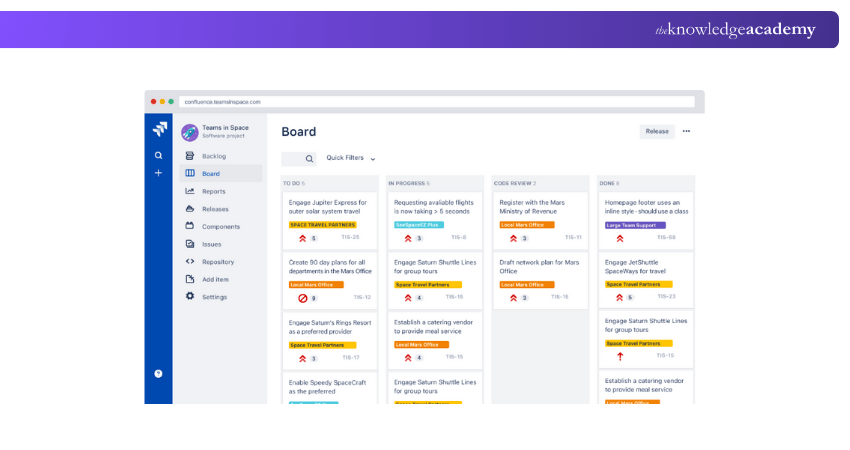
Jira by Atlassian is considered the gold standard in Scrum tools, especially for software development teams. It offers advanced capabilities like custom Scrum boards, backlog management, sprint planning, and real-time reporting. Jira supports complex workflows, role-based permissions, and seamless integration with Confluence, Bitbucket, and other development tools. Teams can monitor sprint progress through burndown charts and velocity reports, helping Scrum Masters ensure that goals are met efficiently.
2) Asana - For Workflow Automation & Teams
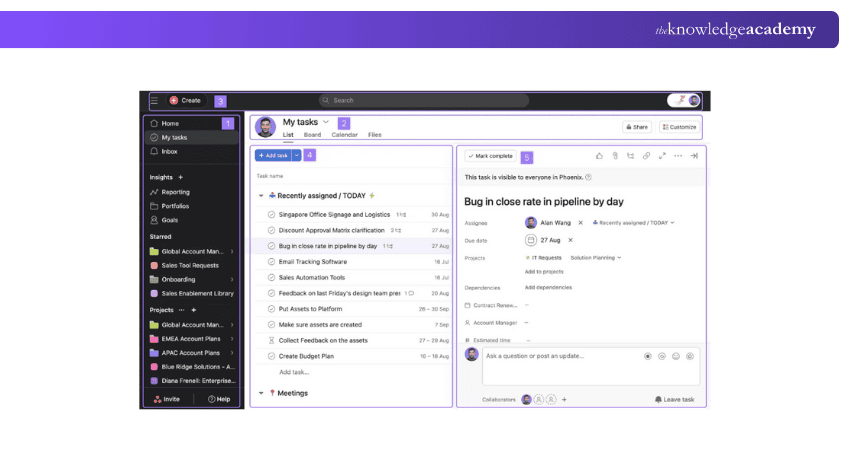
Asana is a versatile work management platform that adapts well to Scrum. It enables teams to create project boards, assign sprint tasks, define priorities, and track dependencies. Built-in automation simplifies routine actions like task assignment or deadline reminders. While it isn’t built solely for software teams, Asana’s clean interface and robust features make it suitable for marketing, operations, and product teams that follow agile practices.
3) Miro - For Visual Team Collaboration
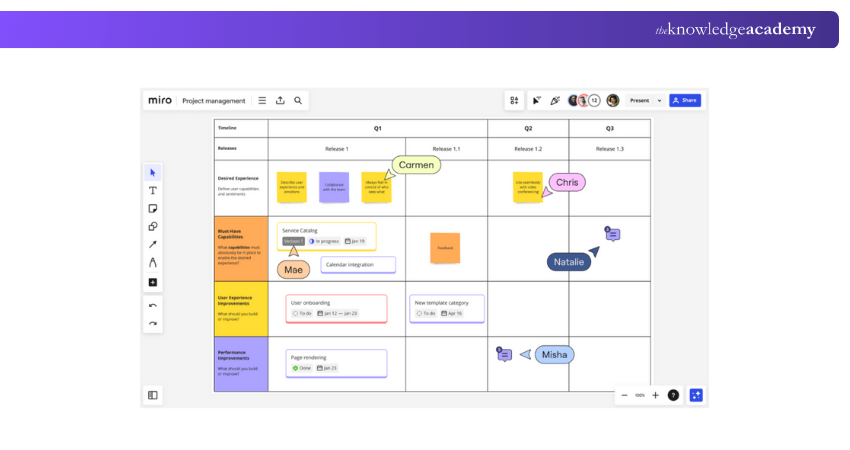
Miro is a powerful visual collaboration platform ideal for remote and hybrid Scrum teams. It offers a digital whiteboard where users can co-create sprint plans, product roadmaps, and user story maps. Miro has ready-made Scrum templates, allowing for faster meeting setup and more engaging retrospectives. It’s especially useful during sprint planning and backlog refinement sessions where visual thinking and real-time collaboration are key.
4) Google Workspace - For Real-Time Document Sharing
Google Workspace isn’t a traditional Scrum tool but plays a critical role in documentation and collaboration. Teams use Google Docs for meeting notes, Sheets for backlog lists, and Slides for sprint reviews. With real-time editing, version control, and commenting features, Scrum teams can stay aligned on goals and changes without relying on multiple tools. It’s an excellent choice for teams that prioritise simplicity and accessibility.
5) ClickUp - For Flexible Agile Management
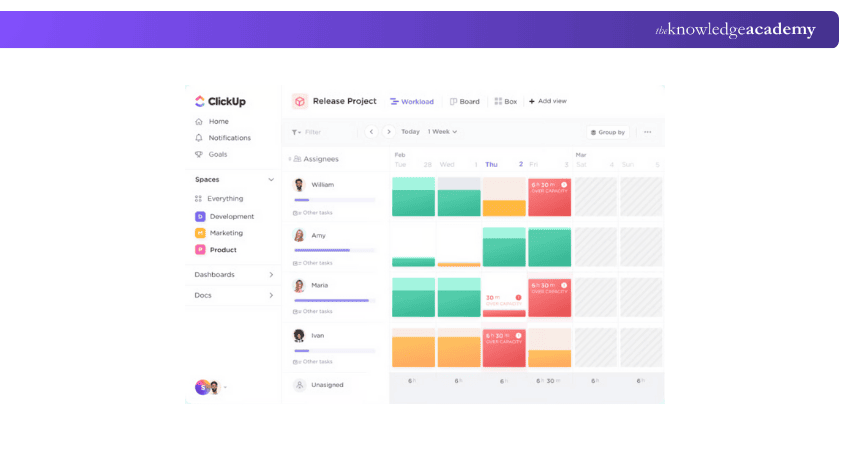
ClickUp is a feature-rich platform that combines task management, documentation, goals, and time tracking in one tool. It supports customized Scrum boards with sprint points, statuses, and dashboards. Teams can automate workflows, assign story points, and track team velocity. ClickUp’s flexibility makes it suitable for both tech and non-tech teams and allows users to switch between Kanban, list, and calendar views based on preference.
6) Targetprocess - For Fast-Growing Agile Teams
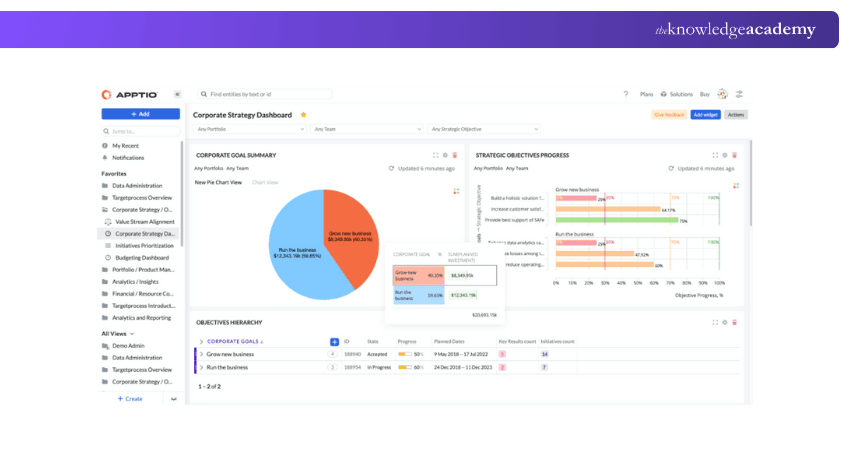
Targetprocess is designed for enterprises scaling agile across departments. It supports Scrum, Kanban, SAFe, and LeSS frameworks. Teams can visualise work across epics, features, and stories while aligning technical tasks with strategic business objectives. Its data-driven dashboards allow agile coaches and Scrum Masters to identify bottlenecks, measure velocity, and improve transparency across teams. It’s best suited for organisations undergoing agile transformation at scale.
7) VivifyScrum - For Lean Project Tracking
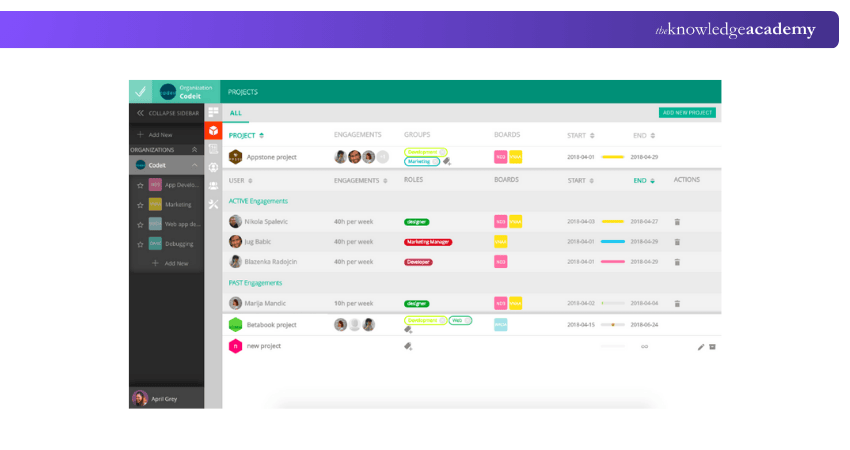
VivifyScrum offers a clean, fast, and intuitive interface that supports Scrum and Kanban workflows. It includes sprint boards, time tracking, team collaboration, invoicing, and client management. Teams can manage product backlogs, set sprint goals, and track performance metrics within a unified dashboard. Its lean approach makes it ideal for startups and agile agencies who want powerful features without overwhelming complexity.
8) Scrumwise - For Lightweight Scrum Boards
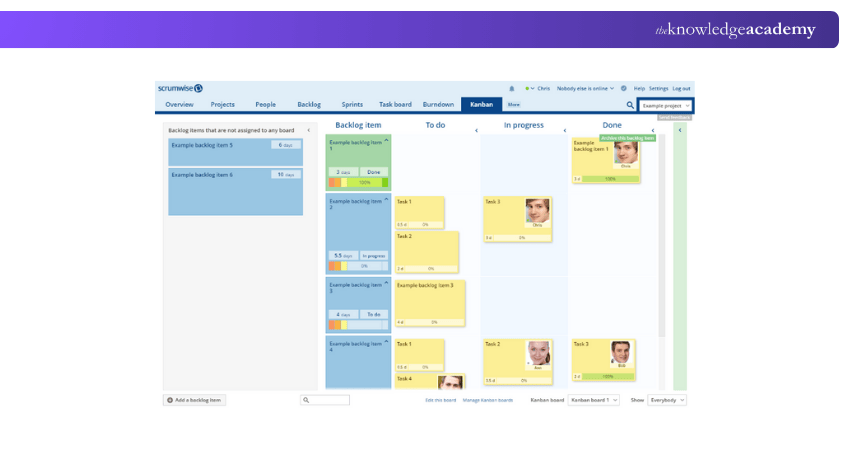
Scrumwise is a user-friendly Scrum tool that focuses purely on agile project management. It provides drag-and-drop sprint planning, backlog grooming, burndown charts, and team collaboration. The platform is intentionally lightweight and avoids unnecessary features, allowing small and mid-sized teams to implement Scrum practices with minimal overhead. It’s a great choice for teams seeking simplicity and clarity.
9) ScrumDo - For Hybrid Agile Scaling
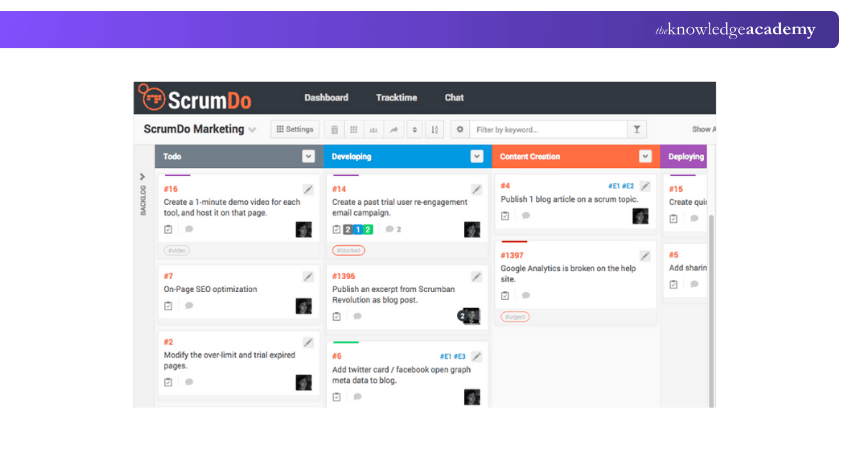
ScrumDo supports Scrum, Kanban, and hybrid methodologies. It allows teams to map out entire value streams, visualise work progress, and analyse flow efficiency. It’s designed for teams moving beyond basic Scrum, such as those adopting scaled agile frameworks. Advanced reporting, team metrics, and customisable workflows help organisations experiment with process improvements and align multiple teams under shared goals.
10) Yodiz - For Integration-Friendly Teams
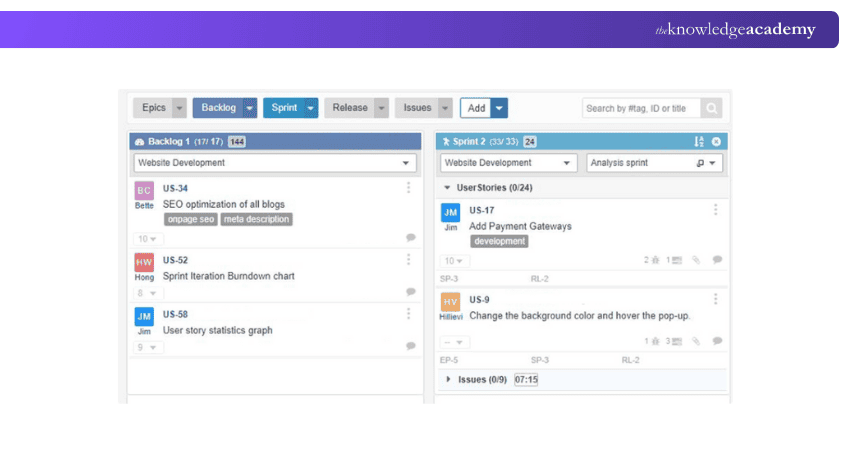
Yodiz is an all-in-one agile management solution for teams needing deep integration with developer tools. It offers features like user story mapping, issue tracking, release planning, and advanced analytics. It integrates easily with GitHub, GitLab, Slack, Jenkins, and more, making it ideal for tech-focused Scrum teams. The platform allows for a clear view of product backlog, sprints, and epics, helping teams deliver features faster.
11) nTask - For Multi-Project Coordination
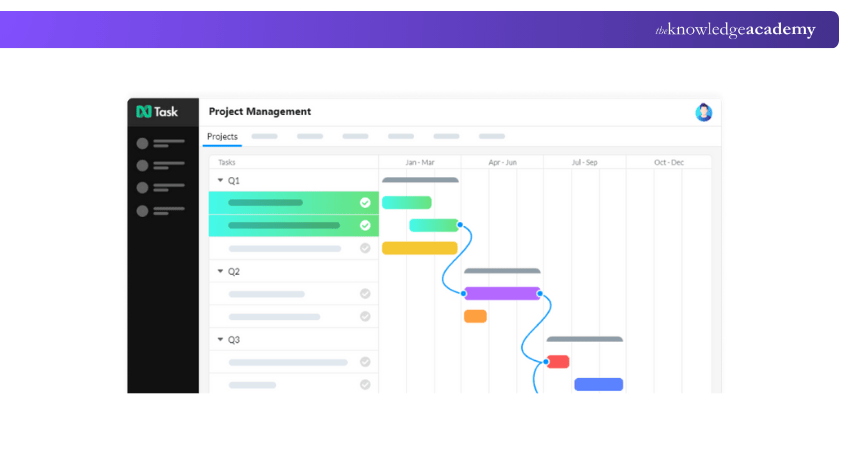
nTask helps teams manage multiple Scrum projects with ease. It includes Scrum boards, task dependencies, milestones, and Gantt charts. Teams can plan their sprints, assign responsibilities, track issues, and monitor risks—all in one tool. Its simple interface and affordable pricing make it ideal for startups, freelancers, or agencies managing parallel sprint cycles across different clients.
12) Axosoft - For Dev-Centric Task Planning
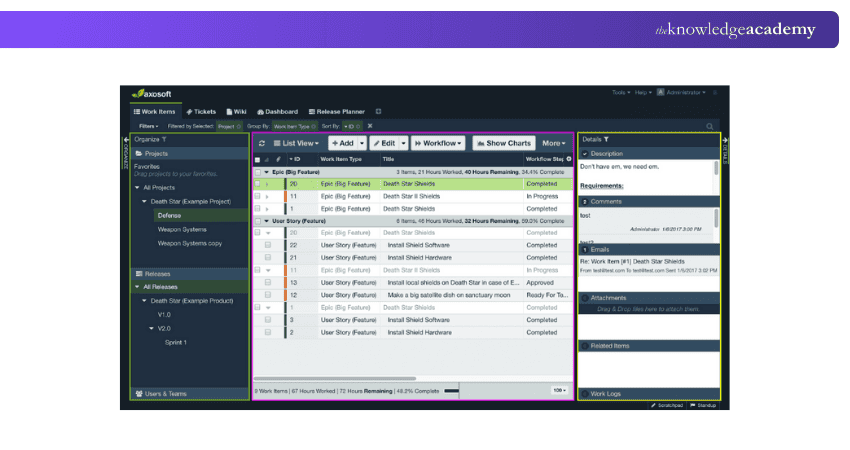
Axosoft is a Scrum project management tool specifically tailored for development teams. It includes product backlog management, sprint planning, bug tracking, and real-time burndown charts. The tool offers deep customisation of workflows and integrates well with source control systems. It also supports Help Desk features, allowing teams to convert support tickets into backlog items, perfect for engineering-focused Scrum teams.
13) ActiveCollab - For Non-Tech Project Teams
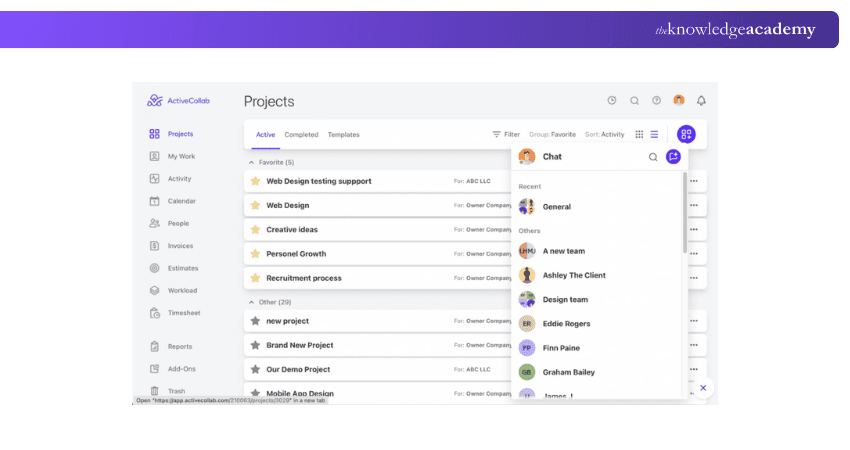
ActiveCollab is built for creative, marketing, and operations teams looking to adopt agile principles. It combines task management, time tracking, and invoicing in one interface. While it doesn’t offer traditional Scrum metrics, teams can still organise work into iterations, set priorities, and manage deadlines. It’s best for non-technical teams wanting a simple yet structured way to manage their agile projects.
14) QuickScrum - For Simple ROI-Driven Workflows
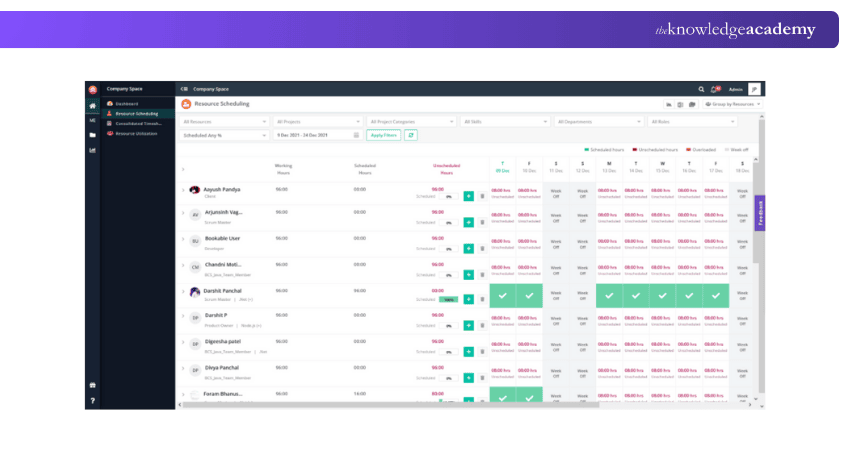
QuickScrum focuses on maximising sprint value by tying agile delivery to measurable ROI. It helps Scrum teams with backlog refinement, sprint planning, user story tracking, and retrospective analysis. Its dashboard shows team performance, project health, and work alignment with business value. It’s a great option for Product Owners and Scrum Masters who want insights into how team efforts impact business results.
15) Pivotal Tracker - For Tiny Agile Teams
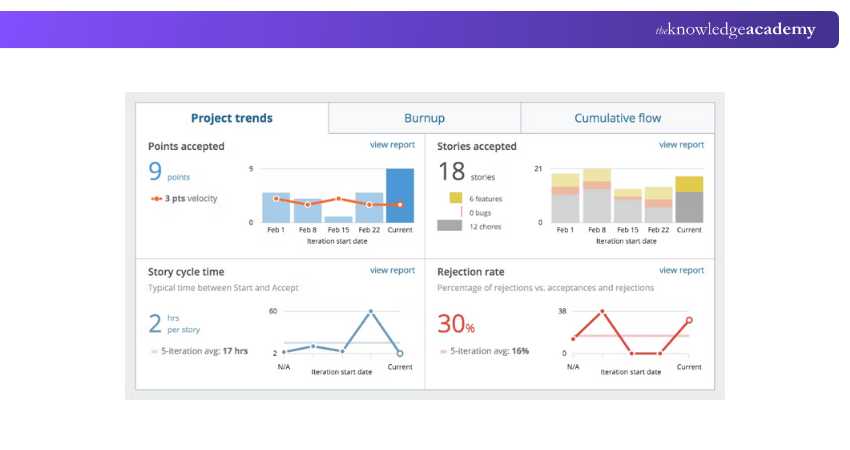
Pivotal Tracker is a lightweight, story-driven Scrum tool popular with small software development teams and startups. It uses a simple point-based system to track team velocity and plan sprints. The interface is minimalistic but functional, making it easy for teams to stay focused on building features. It promotes consistent delivery through continuous feedback and simple planning.
16) Geekbot - For Async Standups & Check-ins

Geekbot is not a full project management tool but plays an essential role in facilitating asynchronous Scrum ceremonies. It runs daily standups, retrospectives, and status check-ins via Slack or Microsoft Teams. Team members receive prompts to share updates, and results are compiled in a shared channel. This is especially valuable for remote teams working in different time zones or asynchronously.
17) Slack – Ideal for Instant Team Communication
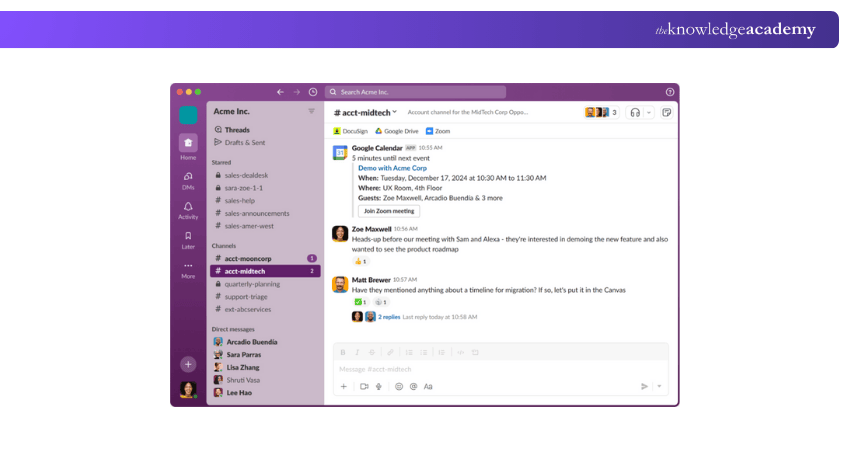
Slack enhances team communication during sprints by providing channels, threads, and direct messages. Integrated with tools like Jira, Trello, and GitHub, it helps teams discuss stories, resolve blockers, and celebrate sprint wins in real time. Bots like Geekbot and integrations with standup tools also turn Slack into a hub for lightweight Scrum ceremonies and daily updates.
18) Zoom – Great for Hosting Virtual Scrum Meetings
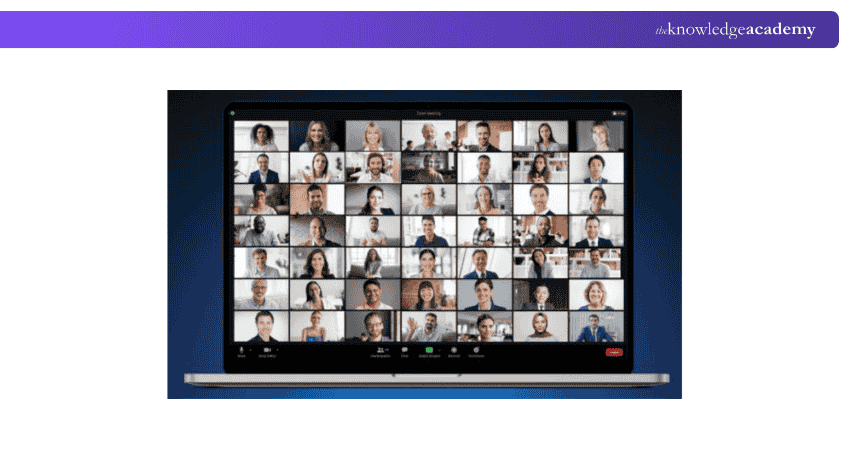
Zoom is essential for remote teams running live Scrum events like sprint planning, reviews, and retrospectives. Its features include HD video, screen sharing, breakout rooms, and whiteboarding, making collaboration smoother and more personal than text-based communication. Zoom allows distributed Scrum teams to maintain high-quality engagement throughout the sprint.
19) Confluence – Perfect for Organising Docs and Team Knowledge

Confluence is a collaboration and documentation tool that complements Jira. It helps Scrum teams create and maintain product requirements, sprint goals, retrospective notes, and decision logs. With version history, templates, and permission controls, teams can maintain a single source of truth for all project-related content. It’s an excellent knowledge base for agile teams.
20) Trello – Useful For Planning And Tracking Sprints
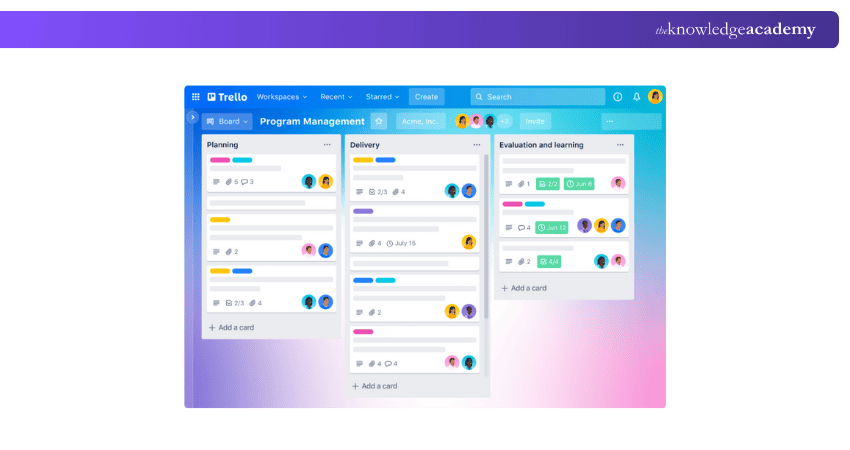
Trello is an intuitive, visual project management tool that uses drag-and-drop cards across customisable columns. While not originally built for Scrum, it can be adapted for sprint planning, task assignments, and progress tracking. It’s great for smaller teams or individuals who need a light, easy-to-set-up system to practice Scrum without complexity.
Choosing the Best Scrum Tool for Your Team
Choosing the Best Scrum Tool for Your Team
Selecting the right Scrum tool can greatly impact your team's productivity, collaboration, and ability to deliver high-quality work on time. With so many options available—ranging from simple task boards to enterprise-level platforms—it’s essential to align the tool’s features with your team’s specific needs, size, and goals.
1) Understand Your Team’s Workflow
Before choosing a tool, evaluate how your team works. Do they prefer visual boards, detailed reporting, or automation? Do they follow strict Scrum or a hybrid approach? Tools like Jira suit structured software development workflows, while Trello or Miro might be better for lightweight or visual tasks.
2) Consider Team Size and Complexity
Smaller teams may benefit from lightweight tools like Pivotal Tracker or Scrumwise, which are easy to set up and manage. For larger teams or enterprises scaling agile, platforms like Targetprocess or Jira provide robust tracking, permission controls, and integration capabilities.
3) Check for Integrations
Your Scrum tool should easily integrate with the other tools your team already uses—like GitHub, Slack, Google Workspace, or Zoom. This creates a unified workflow, reduces context-switching, and boosts transparency across the board.
4) Evaluate Reporting and Analytics
For Scrum Masters and Product Owners, actionable reports—like burndown charts, velocity trends, and sprint summaries—are crucial. Tools like ClickUp and Axosoft offer strong reporting features that help in making data-driven decisions during retrospectives and sprint planning.
5) Support for Remote or Hybrid Teams
If your team is distributed, choose tools that support async updates (like Geekbot), video meetings (like Zoom), or real-time collaboration (like Miro and Google Workspace). These tools help bridge communication gaps and keep remote teams aligned.
6) Ease of Use and Onboarding
A tool’s complexity should match your team’s comfort level. While advanced platforms offer deep customization, they may come with a steeper learning curve. Tools like Trello or VivifyScrum are ideal for quick onboarding, especially for teams new to Scrum.
7) Scalability for Future Growth
As your team grows, your needs will evolve. Choose a tool that can scale with you—whether through added users, additional workflows, or advanced project tracking. Jira and Targetprocess are excellent for growing teams adapting to complex agile frameworks.
Conclusion
Choosing the right Scrum Tools can make a significant difference in the productivity and efficiency of your team. It is important to identify the specific needs and requirements of your team and project to select the most appropriate tool. Ultimately, the success of any project depends on the people involved and their commitment to working together towards a common goal.
Learn and understand the principles and values of Agile methodology by doing an Agile And Scrum Awareness Course today!
Frequently Asked Questions
What are the 5 Scrum Values?

The five Scrum values include commitment, focus, openess, respect and courage. These values promote collaboration, transparency, and accountability.
Is Scrum a Tool or Skill?
It's a framework instead of a skill or tool. It aids teams apply Agile principles, fostering adaptability, and efficient Project Managment practices.
What are the Other Resources and Offers Provided by The Knowledge Academy?
The Knowledge Academy takes global learning to new heights, offering over 3,000 online courses across 490+ locations in 190+ countries. This expansive reach ensures accessibility and convenience for learners worldwide.
Alongside our diverse Online Course Catalogue, encompassing 19 major categories, we go the extra mile by providing a plethora of free educational Online Resources like News updates, Blogs, videos, webinars, and interview questions. Tailoring learning experiences further, professionals can maximise value with customisable Course Bundles of TKA.
What is The Knowledge Pass, and How Does it Work?
The Knowledge Academy’s Knowledge Pass, a prepaid voucher, adds another layer of flexibility, allowing course bookings over a 12-month period. Join us on a journey where education knows no bounds.
What are the Related Courses and Blogs Provided by The Knowledge Academy?
The Knowledge Academy offers various Scrum Certification, including the Scrum Master Certification, Scrum for Teams, and Agile and Scrum Awareness. These courses cater to different skill levels, providing comprehensive insights into Scrum Case Studies.
Our Project Management Blogs cover a range of topics related to Scrum, offering valuable resources, best practices, and industry insights. Whether you are a beginner or looking to advance your Project Management skills, The Knowledge Academy's diverse courses and informative blogs have got you covered.

David Evans


Certified Project Trainer and Agile Delivery Expert
David Evans brings over a decade of hands-on experience in project delivery, Agile transformation, and team leadership. With a background in technology and business consulting, David has led cross-functional teams through Agile and Waterfall projects in both public and private sectors. He combines technical knowledge with practical insights to help readers navigate the challenges of modern project environments.

Upcoming Project Management Resources Batches & Dates
Date
 Scrum Master Certification
Scrum Master Certification
Thu 9th Jul 2026
Scrum Master Certification
Thu 23rd Jul 2026
Scrum Master Certification
Thu 6th Aug 2026
Scrum Master Certification
Thu 20th Aug 2026
Scrum Master Certification
Thu 3rd Sep 2026
Scrum Master Certification
Thu 17th Sep 2026
Scrum Master Certification
Thu 1st Oct 2026
Scrum Master Certification
Thu 15th Oct 2026
Scrum Master Certification
Thu 29th Oct 2026
Scrum Master Certification
Thu 12th Nov 2026
Scrum Master Certification
Thu 26th Nov 2026
Scrum Master Certification
Thu 10th Dec 2026
Scrum Master Certification
Wed 23rd Dec 2026

 If you wish to make any changes to your course, please


