


 Top Rated Course

We may not have the course you’re looking for. If you enquire or give us a call on +49 8000101090 and speak to our training experts, we may still be able to help with your training requirements.
How to Become a Content Writer: Everything You Need to Know
James Smith 04 April 2026Learning How to Become a Content Writer involves SEO, building a portfolio, showcasing writing samples, and pitching work to gain experience and clients. These are audience-specific written materials for digital platforms. Proper Content Writing balances creativity and purpose across formats like blogs, articles and Social Media posts.

Training Outcomes Within Your Budget!
We ensure quality, budget-alignment, and timely delivery by our expert instructors.
Table of Contents

Embarking on the journey to become a Content Writer is about opening a doorway to endless ideas, stories and digital adventures. From crafting catchy blog posts to shaping brand narratives, this path offers exciting possibilities. After all, every brand has a story, and Content Writers bring those stories to life.
If you enjoy playing with words and influencing readers, Content Writing can be a rewarding career path. In this blog, we’ll break down everything you need to know about How to Become a Content Writer. So read on, find the answer to “how do I become a Content Writer” and transform your passion into a thriving career!
Table of Contents
1) What is Content Writing?
2) How to Become a Content Writer in 10 Steps
3) What Does a Content Writer Do?
4) Skills Required to Become a Content Writer
5) Content Writing Jobs and Salaries
6) Useful Tools for Content Writers
7) What Qualifications Do You Need to Be a Content Writer?
8) How to Become a Content Writer With No Experience?
9) Conclusion
What is Content Writing?
Content Writing is the process of creating written material for digital platforms like websites, blogs, and Social Media to inform, engage or persuade a specific audience. It involves producing content like blog posts, website copy, and Social Media captions tailored to a brand or purpose.
At its core, content writing is closely tied to marketing and communication. It helps businesses attract traffic, build audience connections, and drive engagement or conversions through strategic use of language, tone and techniques like Search Engine Optimisation (SEO).

How to Become a Content Writer in 10 Steps
Here are the essential steps to become a Content Writer:

1) Step 1: Build a Professional Portfolio
Start by choosing an industry or niche that excites you or aligns with your expertise. Generate content ideas and create high-quality samples such as blog posts, case studies, or ebooks. A strong portfolio establishes credibility and showcases your skills. Remember, though, a portfolio alone isn’t enough to secure clients.
2) Step 2: Create Social Proof Through Engagement
Building social proof boosts your credibility. Platforms like Quora are perfect for showing off your expertise. By answering questions and engaging with users, you’ll not only sharpen your writing but also build a following. Social proof proves that others value your content, making you more attractive to potential clients.
3) Step 3: Build Authority Through Blogging
Position yourself as a trusted expert by launching your own blog. It’s a fantastic way to share your knowledge and demonstrate your expertise. It’s easy to set up, and various online resources can guide you through the process. A well-maintained blog can help attract clients and secure higher-paying opportunities.
Elevate your marketing skills with our comprehensive Digital Marketing Course - Sign up now!
4) Step 4: Master the Art of Pitching
A compelling pitch is key to landing clients. To craft one, include the following elements:
a) Write a catchy, personalised subject line.
b) Address the recipient by name.
c) Highlight how you found their need or why they should consider you.
d) Explain your suitability for the role or company.
e) Share your portfolio and relevant work samples.
f) Include links to your blog and professional profiles (e.g., LinkedIn, Quora).
g) Add an effective email signature.
5) Step 5: Explore Opportunities on Freelance Platforms
Platforms like Fiverr and Upwork remain hotspots for freelance opportunities. While competition is high, offering free or discounted work in exchange for reviews can help you build credibility. Once you’ve got some solid reviews, landing paid gigs becomes much easier.
6) Step 6: Enhance Visibility with LinkedIn
LinkedIn is an invaluable tool for Content Writers. Begin by completing your profile with all relevant information. Use industry-specific keywords in your title and description to increase visibility. Build connections, engage with posts and share your work to grow your network.
7) Step 7: Identify and Pursue Organisational Opportunities
Keep an eye on job boards for organisations actively seeking Content Writers. Digital Marketing agencies and advertising firms are especially promising as they often require additional Writers. Reach out to Hiring Managers or relevant contacts, introducing your services and portfolio. Even if they don’t have openings, your proactive approach may land future opportunities.
8) Step 8: Leverage Content Platforms to Kickstart Your Career
Content platforms are an excellent starting point for beginners. While pay may be lower and client options limited at first, these platforms help you gain experience, build a reputation, and develop a steady flow of work. Examples include Medium, Contently, and similar services.
9) Step 9: Build Relationships in Online Communities
Join Content Writing communities on platforms like Reddit, Facebook, or Slack. These spaces are great for networking, sharing knowledge, and learning about new opportunities. Engaging actively helps you stay updated with industry trends and gain insights from other Writers.
10) Step 10: Stay Updated and Continuously Improve
Content Writing is an ever-evolving field. Stay on top of the latest trends by investing in online courses, attending webinars, and reading industry blogs. The more you learn, the more valuable you become to potential clients.
Transform your digital strategies with our AI for Digitial Marketing Training—Register today!
What Does a Content Writer Do?
A Content Writer is responsible for several critical tasks:
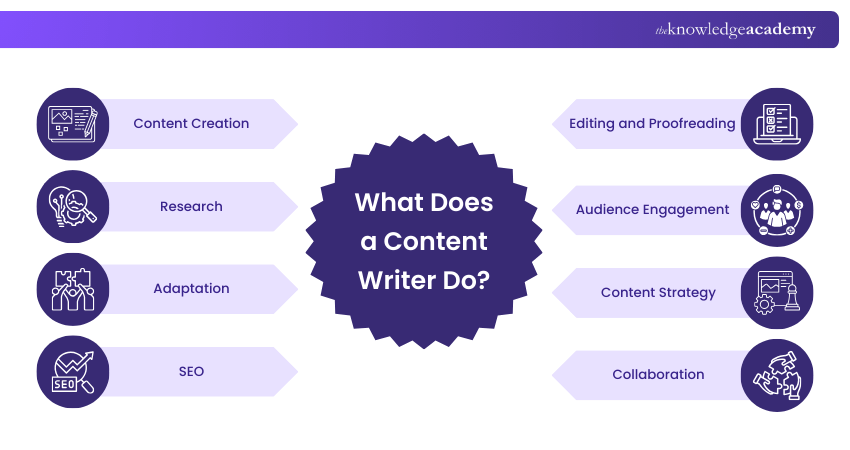
A Content Writer’s main responsibility is to create high-quality, engaging content that aligns with a client’s goals and requirements. They may work on one-time projects or provide ongoing content, depending on the client’s needs. Here the three main tasks:
1) Conduct Market Research
Content Writers carry out in-depth research to understand the target audience and the industry they are writing for. This includes analysing trends, identifying relevant keywords, and reviewing competitor content to ensure their work is accurate, relevant, and authentic.
2) Create and Develop Content
Writers produce content based on an organisation’s style guidelines, ensuring consistency in tone, messaging, and branding across different platforms. After planning the structure and approach, they develop the content and may also incorporate visuals or additional media as required.
3) Review and Refine Content
Content Writers often collaborate with Editors, Marketers, and other stakeholders who may suggest revisions before publication. Through editing and feedback, they enhance clarity, accuracy, and persuasive impact while aligning the content more closely with the brand’s voice.
Master essential tools for Digital Marketing success with our Digital Marketing Tools Training—sign up now!
Skills Required to Become a Content Writer
Here are the skills required to become a successful Content Writer:

1) Research Skills
Content Writers rely on their strong research skills to gather accurate and credible information that underpins their work. They ensure that the sources are properly cited to build trust and authority while presenting well-informed insights that add depth and value to the content.
2) Creativity
Creativity enables Content Writers to develop fresh ideas and produce engaging, original content. They craft compelling hooks, approach writing challenges with innovative thinking, and create content that stands out while connecting effectively with readers.
3) Time Management
Effective Time Management helps Content Writers manage multiple projects while meeting deadlines. They organise and prioritise tasks to maintain consistent productivity and ensure that high-quality content is delivered within the required timelines.
4) Communication
Strong written communication helps Content Writers engage readers and maintain their interest. They develop a rich vocabulary and use language effectively to convey ideas with clarity. By understanding the audience and their needs, Writers can craft content that delivers a client’s message more impactfully.
5) Critical Thinking
Content Writers apply critical thinking when interpreting content briefs and designing their approach. By analysing the requirements and assessing different ideas, they chose the most effective direction for the content. They also review their drafts to ensure the final output meets the intended purpose and quality standards.
Content Writing Jobs and Salaries
Content Writing offers a fulfilling career for those passionate about creating engaging content across platforms like websites, blogs, and Social Media. With options to work as a freelancer, remotely, or in-house, it provides flexibility, creative freedom, and opportunities for professional growth in a digital world that thrives on quality content.
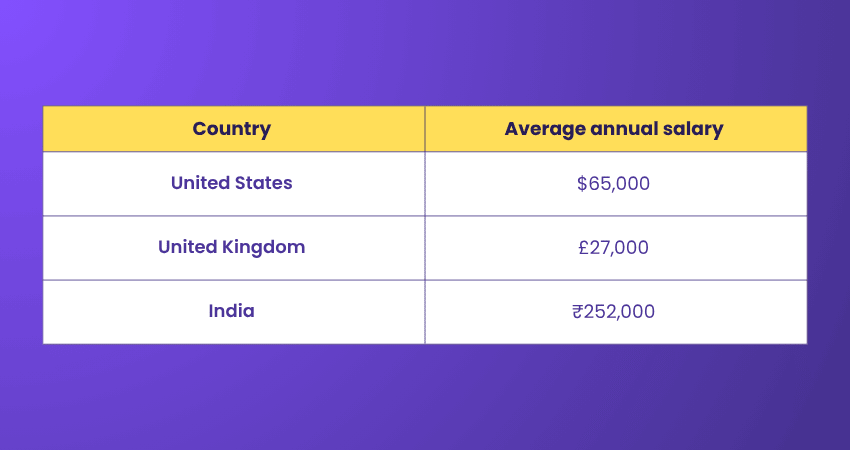
Average salaries for Content Writers globally are highlighted below:
Dominate search rankings with expert-led SEO Training—get started today!
Useful Tools for Content Writers
Content Writing can be challenging, but the right tools make it much easier and more enjoyable. Here’s a look at some fantastic options and what makes them so helpful:
1) Grammarly
Grammarly is like having your own personal writing coach. It doesn’t just fix spelling mistakes—it also helps you improve grammar, tone, and style so your writing always looks professional and polished.
What it does:
a) Fixes grammar, spelling, and punctuation errors.
b) Gives tips on tone and style to make your content shine.
c) Works seamlessly on browsers, word processors, and even emails.
2) Hemingway Editor
The Hemingway Editor simplifies and clarifies your writing. If your sentences ever feel a bit too long or hard to follow, Hemingway Editor has your back. It highlights areas where you can simplify your writing and make it more clear and reader-friendly.
What it does:
a) Points out long or complex sentences.
b) Suggests cutting unnecessary words or phrases.
c) Uses colour-coded highlights to guide you.
3) Google Docs
Google Docs is a lifesaver for team projects or when you need to access your work on the go. It’s simple, Cloud-based, and perfect for collaborating in real-time.
What it does:
a) Let you work with others on the same document at the same time.
b) Stores your files in the Cloud, so you can access them from any device.
c) Offers handy formatting and editing tools.
Dominate search rankings with expert-led SEO Training - get started today!
4) Evernote
Evernote is your go-to app for jotting down ideas, saving research, and staying organised. Think of it as your digital notebook that’s always within reach.
What it does:
a) Helps you save and organise notes, research, and web links.
b) Syncs everything across your devices, so you never lose an idea.
c) Let you add images, files, and more for easy reference.
5) Trello
Trello makes managing your writing tasks a breeze. Its simple boards and cards help you stay on top of projects, plan your schedule, and track your progress.
What it does:
a) Lets you create visual boards to organise tasks.
b) Helps plan content calendars and keep track of deadlines.
c) Makes it easy to collaborate with others or manage your own workflow.
6) CoSchedule Headline Analyser
Crafting compelling headlines is essential for capturing readers' attention. CoSchedule Headline Analyser is a valuable tool for optimising your headlines. Writing a great headline can be tricky, but this tool helps you craft one that grabs attention and ranks well in search engines.
What it does:
a) Rate your headline’s effectiveness with a score.
b) Suggests ways to make it more engaging and SEO-friendly.
c) Ensures your content catches the reader’s eye from the start.
7) SEMrush Writing Assistant
SEMrush Writing Assistant is perfect for making your content stand out online. It helps you find the right keywords, improve readability, and optimise for search engines.
What it does:
a) Shows you which keywords to use and how to use them.
b) Check your content’s readability and SEO performance.
c) Offers real-time suggestions to improve your writing.
Turn ideas into eye‑catching visuals that Social Media loves. Sign up for our Design and Create Engaging Content for Social Media Training now!
What Qualifications Do You Need to Be a Content Writer?
Formal qualifications are not mandatory to start a career in Content Writing. However, strong writing ability, good grammar, and a solid command of the language you write in are essential. Employers typically expect basic academic qualifications such as GCSEs or A-Levels. They also expect a portfolio that showcases your writing skills.
For those choosing a formal education route, degrees in fields like Creative Writing, English, Languages, Marketing or SEO can provide a competitive advantage. These programmes help build both knowledge and a professional portfolio, making it easier to secure opportunities in the industry.
How to Become a Content Writer With No Experience?
You can become a Content Writer even without prior experience by building the right skills, practising consistently, and gaining exposure through real-world writing opportunities.
1) Start by improving your writing skills through regular reading and practice.
2) Understand the fundamentals of SEO, such as keywords, headings, and search intent.
3) Practice by writing sample content (blogs or articles or posts on Social Media).
4) Make a very simple portfolio through your personal blog or free websites such as Medium.
5) Take short Content Writing or Digital Marketing courses to understand industry standards.
6) Join writing communities to get feedback and learn from others.
7) Apply for internships, freelance gigs, or entry-level roles to gain practical experience.
This will assist you in developing credibility and visibility despite your lack of previous professional experience.
Conclusion
Becoming a Content Writer requires passion, dedication, and continuous learning. Also understanding the difference between Copywriting vs Content Writing can help you focus on the right approach for creating engaging content. By following the steps outlined in the blog, individuals can learn How to Become a Content Writer and unlock a world of creative expression, professional growth, and meaningful impact through the written word.
Write product descriptions that inform and sell. Sign up for our Product Content for E-Commerce Training - Register now!
Frequently Asked Questions
What Industries Need Content Writers?

Content Writers are in demand across various industries, including technology, healthcare, education, finance, retail, and entertainment. Any industry that requires engaging, informative, or promotional material to connect with its audience benefits from skilled Content Writers.
What Types of Content can a Content Writer Produce?
A Content Writer can create diverse materials such as blogs, articles, website copy, Social Media posts, eBooks, case studies, and marketing content. They also produce technical documentation, product descriptions, email campaigns, and white papers. Their work caters to different platforms and audience needs effectively.
What are the Other Resources and Offers Provided by The Knowledge Academy?
The Knowledge Academy takes global learning to new heights, offering over 3,000+ online courses across 490+ locations in 190+ countries. This expansive reach ensures accessibility and convenience for learners worldwide.
Alongside our diverse Online Course Catalogue, encompassing 17 major categories, we go the extra mile by providing a plethora of free educational Online Resources like Blogs, eBooks, Interview Questions and Videos. Tailoring learning experiences further, professionals can unlock greater value through a wide range of special discounts, seasonal deals, and Exclusive Offers.
What is The Knowledge Pass, and How Does it Work?
The Knowledge Academy’s Knowledge Pass, a prepaid voucher, adds another layer of flexibility, allowing course bookings over a 12-month period. Join us on a journey where education knows no bounds.
What are the Related Courses and Blogs Provided by The Knowledge Academy?
The Knowledge Academy offers various Digital Marketing Courses, including the SEO Course, Digital Marketing Course, Copywriting Course and the Social Media Marketing Course. These courses cater to different skill levels, providing comprehensive insights into Content Marketing.
Our Digital Marketing Blogs cover a range of topics related to Content Writing, offering valuable resources, best practices, and industry insights. Whether you are a beginner or looking to advance your Content Writing skills, The Knowledge Academy's diverse courses and informative blogs have got you covered.

James Smith


Digital Marketing Manager and Trainer
James Smith is a digital marketing professional with over a decade of experience in SEO, content strategy, paid media and analytics. He has supported both SMEs and global brands in transforming their digital presence. James’s writing and training are rooted in results-driven tactics and the latest marketing trends.
View Detail
Upcoming Digital Marketing Resources Batches & Dates
Date
 Content Marketing Course
Content Marketing Course
Fri 31st Jul 2026
Content Marketing Course
Fri 2nd Oct 2026

 If you wish to make any changes to your course, please


