


 Top Rated Course

We may not have the course you’re looking for. If you enquire or give us a call on +357 26030221 and speak to our training experts, we may still be able to help with your training requirements.
What is Inflammation? A Complete Guide to Healing Your Body
Michael Jones 24 April 2026Inflammation is the body’s quick defence response to injury, infection, or harm, promoting healing by increasing blood flow and activating immune cells.

Training Outcomes Within Your Budget!
We ensure quality, budget-alignment, and timely delivery by our expert instructors.
Table of Contents
What is Inflammation?
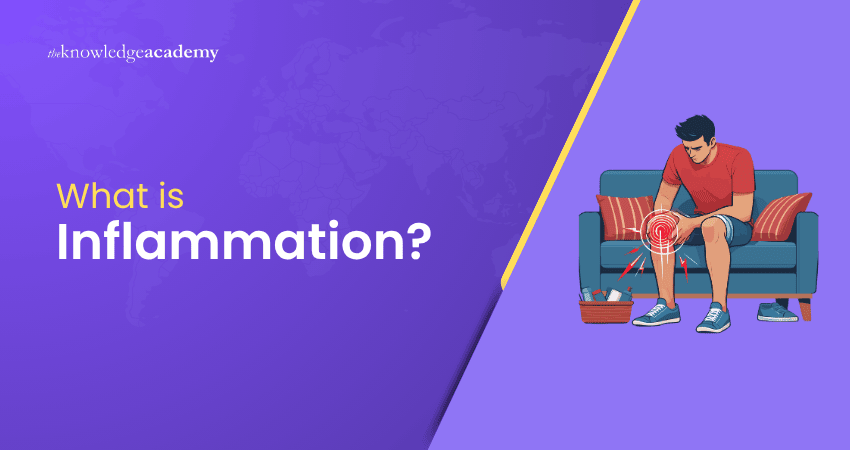
Inflammation is the body’s natural defence mechanism against injury, infection, or harmful substances. When the body senses damage or invaders, it triggers Inflammation to protect and begin the healing process. The affected area may show redness, swelling, warmth, pain, and in some cases, a loss of function as part of the response.
Inflammation Types
There are two main types of Inflammation; in which Acute Inflammation is short-lived, and Chronic Inflammation lasts for months or even years. Let’s explore these types in detail:
Acute Inflammation
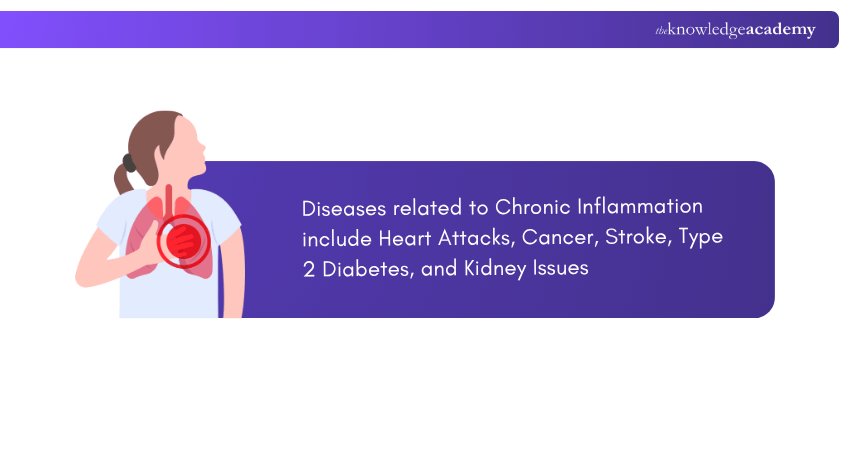
Chronic Inflammation is a slow-developing, long-lasting response that can persist for months or even years. Unlike acute Inflammation, it often progresses silently without obvious symptoms.
Key Signs of Acute Inflammation
a) Redness: This is because of blood flow into the affected region.
b) Swelling: This is because of the fluid in the body that results as a reaction to the injury.
c) Heat: Regionalised warmth, provided by more blood circulation.
d) Pain: This will occur because of the nerves being pressured by swelling or release of chemicals.
e) Temporary Loss of Function: The injured area might become inactive in the period of healing.
Common Triggers of Acute Inflammation
a) Cuts and Wounds: Rupture of the skin including a rapid response to healing.
b) Infections (like colds or sore throats): The body responds to dangerous bacteria or virus.
c) Burns: Heat, chemicals or radiations cause Inflammation.
d) Allergic Reactions: The immune system overreacts to harmless substances like pollen or dust.
e) Intense Physical Activity: Overuse or strain can lead to tissue irritation and Inflammation.

Chronic Inflammation
Chronic Inflammation is a slow-developing, long-lasting response that can persist for months or even years. Unlike acute Inflammation, it often progresses silently without obvious symptoms.
Key Signs of Chronic Inflammation
a) Persistent Pain: Long-lasting discomfort in joints, muscles, or organs
b) Ongoing Swelling: Continuous puffiness that does not fully heal
c) Fatigue: Constant tiredness due to prolonged immune activity
d) Tissue Damage Over Time: Slow, steady harm to healthy tissues
e) General Discomfort: Lingering soreness without a clear cause
Common Triggers of Chronic Inflammation
a) Untreated Acute Inflammation: When short-term Inflammation fails to heal properly.
b) Ongoing Infections: Long-lasting bacterial or viral presence in the body.
c) Autoimmune Diseases: The immune system wrongly attacks like in rheumatoid arthritis healthy cells.
d) Long-term Exposure to Irritants: Repeated contact with smoking or pollution keeps Inflammation active.
e) Poor Lifestyle Habits Like Obesity or Unhealthy Diets: These can maintain low-level, ongoing Inflammation.
Causes of Inflammation
There are multiple causes of Inflammation, ranging from lack of physical activity and obesity to poor sleep and alcohol intake. Understanding these causes will help ensure the first line of defence against this threat
1) Low Levels of Physical Activity
a) An unhealthy lifestyle slows down circulation and immune regulation
b) Regular exercise can lower inflammatory markers and support metabolism
c) Physical activity reduces the risk of chronic diseases linked to Inflammation
2) Chronic Stress
a) Chronic stress leads to increased levels of cortisol and inflammatory cytokines in the body.
b) Chronic stress harms the immune system and may lead to conditions driven by inflammation.
c) Stress Management helps to stop long-term Inflammation.
3) Visceral Fat
a) Organic Inflammation develops from excess fat that surrounds body organs.
b) The presence of Chronic Inflammation raises the danger of experiencing heart problems along with metabolic syndrome development.
c) Imperative reduction of visceral fat allows for better immune regulation and stops disease development.
4) Obesity
a) Obesity can cause chronic low-grade inflammation as fat cells release inflammatory markers.
b) Persistent Inflammation contributes to insulin resistance, heart disease, and joint problems.
c) Managing weight helps reduce Inflammation and improve overall health.
5) Microbes in Your Gut
a) Disruption in gut bacteria equilibrium known as dysbiosis, leads to immune system inflammatory responses.
b) The inflammatory compounds released by harmful bacteria negatively affect both digestion and immunity functions.
c) People who care for their gut health lower their chances of getting autoimmune diseases along with metabolic disorders.
Learn the science behind a balanced lifestyle with our Nutrition and Fitness Training - Register now!
6) Poor Sleep
a) Inadequate sleep raises stress hormone levels and produces inflammatory markers in the body.
b) It significantly increases the chance of developing obesity alongside diabetes and heart disease.
c) People who get adequate sleep experience improved immune system performance together with reduced inflammatory response.
7) Exposure to Toxins
a) Air pollution as well as pesticides and chemicals, increase inflammatory processes in the body.
b) Exposure time of extended duration seems to cause respiratory problems and autoimmune disorders.
c) Minimising toxin exposure helps protect overall health.
8) Circadian Rhythm
a) Irregular sleep patterns and artificial light exposure increase Inflammation.
b) Disruptions in the circadian rhythm affect immune and metabolic balance.
c) Proper sleep and light regulation help maintain overall well-being.
9) Alcohol
a) Excessive consumption of alcohol can damage the gut lining and promote Inflammation.
b) Alcohol-induced Inflammation has been linked to liver disease and digestive disorders.
c) Moderation is essential for reducing Inflammation.
Learn essential techniques for managing injuries and illnesses until professional medical assistance arrives in First Aid at Work - Sign up now!
Common Signs of Acute Inflammation
There are various signs of Acute Inflammation to look out for. These can range from redness across inflamed areas to loss of function. Let’s explore these signs in detail
1) Redness
a) Inflamed areas appear red due to widened blood vessels.
b) An increase in blood circulation to the area often results in more pronounced redness.
c) Blood vessel expansion (Vasodilation) is a natural response to Inflammation that aids the healing process.
2) Discoloured or Flushed Skin
a) Skin discolouration in Acute Inflammation results from increased blood flow and inflammatory mediators.
b) Vasodilation increases circulation, causing redness (Erythema).
c) Fluid and immune cell leakage into surrounding tissue can alter pigmentation.
d) Histamines and inflammatory chemicals contribute to visible skin changes.
3) Pain
a) Inflammatory chemicals stimulate nerve endings which increase sensitivity.
b) Pain arises from heightened pain mediators that are triggered by Inflammation or direct damage.
c) Inflammation amplifies nerve response, resulting in discomfort and tenderness.
d) Affected areas may feel sore due to the body’s healing process.
4) Swelling
a) Swelling (Edema) is a common sign of Inflammation
b) Fluid buildup in tissues occurs either locally or throughout the body
c) Increased fluid puts pressure on the skin and surrounding tissues
d) Swelling can lead to discomfort and pain due to tissue compression
Understand the principles of balanced diets with our comprehensive Nutrition Course - Sign up now!
5) Warmth
a) Increased blood flow to inflamed areas causes warmth
b) Local Inflammation results in heat due to increased circulation
c) Whole-body Inflammation can trigger fevers, which indicates an immune response
d) Fever helps fight infections by supporting immune system activity
6) Skin That Feels Hot to the Touch
a) Increased blood flow in dilated vessels causes a heat sensation
b) Heat is carried from the body’s core to cooler extremities through circulation
c) Vasodilation (blood vessel expansion) increases warmth in inflamed areas
d) Heat response aids immune cell delivery, supporting healing and infection defence
7) Loss of Function
a) The inflammatory process brings about functional impairment in the treated region.
b) Joint injuries result in reduced mobility because of joint swelling combined with pain effects.
c) When an individual suffers from respiratory infections the lungs become inflamed which results in breathing problems.
d) Protection through loss of function occurs naturally to stop the damage from increasing.
Common Signs of Chronic Inflammation
Several symptoms can possibly show that there is Chronic Inflammation in the body. These are usually chronic and low-keyed symptoms. Let us go through the most common signs of Chronic Inflammation:
1) Abdominal (Belly) Pain
a) Discomfort in the abdomen is commonly linked to inflammatory bowel diseases
b) Ongoing Inflammation in the digestive tract may cause cramping or bloating
c) Pain is often recurrent and not relieved by dietary changes alone
d) It may signal conditions like Crohn’s disease or ulcerative colitis
2) Fatigue
a) Chronic Inflammation places stress on the immune system, which can drain energy over time.
b) The body remains in a state of alert, leading to continuous tiredness.
c) Fatigue persists even after adequate rest, indicating an underlying issue.
d) It’s often one of the earliest and most noticeable signs of systemic Inflammation.
3) Muscle Aches
a) Inflammation can affect muscle fibres, causing chronic soreness
b) Pain may feel widespread or localised, depending on the affected tissues
c) Immune responses targeting muscles lead to prolonged discomfort
d) This symptom often mimics other conditions like fibromyalgia
4) Fever
a) A low-grade fever can persist as the body attempts to fight ongoing Inflammation.
b) It indicates the immune system is active without a clear infection.
c) This subtle rise in body temperature often goes unnoticed but is consistent.
d) Fever in Chronic Inflammation differs from acute fevers it’s longer lasting.
5) Diarrhoea or Constipation
a) Gut-related Inflammation disrupts normal bowel function.
b) Ongoing Inflammation in the intestines leads to irregular bowel movements.
c) Conditions like IBS and IBD often present with alternating diarrhoea and constipation.
d) These issues may be accompanied by abdominal discomfort or urgency.
6) Weight Changes
a) Unexplained weight gain or loss is a common but overlooked sign
b) Inflammation can interfere with metabolism and appetite regulation
c) Hormonal imbalances triggered by Chronic Inflammation may cause fat storage
d) Weight fluctuations occur even without changes in diet or activity level
7) Depression and Anxiety
a) Inflammation affects brain chemistry, contributing to mood disorders.
b) Cytokines and other inflammatory markers have been linked to mental health changes.
c) Chronic Inflammation may reduce serotonin levels, worsening depression.
d) Anxiety symptoms may also intensify due to stress on the nervous system.
How is Inflammation Diagnosed?
Inflammation is diagnosed through a combination of medical history review, physical examination, and laboratory tests.

1) Healthcare providers may look for symptoms such as redness, swelling, heat, and pain in the affected areas.
2) Blood tests, like the C-reactive Protein (CRP) test and Erythrocyte Sedimentation Rate (ESR), can indicate the presence of Inflammation.
3) Imaging studies, such as X-rays or MRIs, may also be utilised to assess underlying conditions associated with Inflammation.
Want to learn how to support a healthy immune system with Nutrients and Vitamins? Our Active and Healthy Lifestyles Training will guide you - Sign up now!
How to Prevent Inflammation?
While many causes of Inflammation are beyond your control, there are some cases where you can take steps to reduce your risk of Chronic Inflammation, including the following:
a) Avoid smoking and tobacco products.
b) Prioritise fresh, minimally processed foods like fruits and vegetables and reduce intake of highly processed foods.
c) Aim for at least 150 minutes of exercise, such as walking, each week.
d) Maintain a healthy weight.
e) Limit alcohol consumption.
f) Consult a doctor regarding minimising exposure to pollution and harmful chemicals.
Common Treatments for Inflammation
Managing inflammation typically involves a mix of medications, natural remedies, and lifestyle changes. The goal is to reduce symptoms, support healing, and prevent further damage. Key treatments include:
1) For Acute Inflammation, rest the affected area to promote healing.
2) Apply ice for 20 minutes every few hours to reduce swelling.
3) Follow proper wound care for cuts, scrapes, or burns.
4) For Chronic Inflammation a doctor may suggest supplements like certain Vitamins and Omega-3 Fatty Acids.
5) They may also recommend Nonsteroidal Anti-inflammatory Drugs (NSAIDs) or corticosteroids may be prescribed to manage symptoms.
6) An injection may be administered to target Inflammation in a specific joint or muscle.
Conclusion
Inflammation is a powerful defence mechanism, but it can be harmful to your health when it lingers. Understanding What is Inflammation, its causes and its symptoms can help you take necessary steps to manage it. Making positive lifestyle changes, following suitable treatments, and building healthy routines can help prevent inflammation and keep your body performing well.
Establish the skills to take proper control over your healthy lifestyle in our comprehensive Healthy Lifestyles Courses - Sign up now!
Frequently Asked Questions
What is the Best Drink to Reduce Inflammation?

Some drinks proven to reduce Inflammation include:
a) Green Tea.
b) Orange Juice.
c) Pomegranate Juice.
d) A blended drink made of Spinach, Kale, Watercress, or any leafy green veggie.
Does Exercise Reduce Inflammation?
Yes, incorporating physical activity into your regular routine, such as walking, Yoga, or strength training, can effectively help you manage and reduce Chronic Inflammation.
What are the Other Resources and Offers Provided by The Knowledge Academy?
The Knowledge Academy takes global learning to new heights, offering over 3,000+ online courses across 490+ locations in 190+ countries. This expansive reach ensures accessibility and convenience for learners worldwide.
Alongside our diverse Online Course Catalogue, encompassing 19 major categories, we go the extra mile by providing a plethora of free educational Online Resources like Blogs, eBooks, Interview Questions and Videos. Tailoring learning experiences further, professionals can unlock greater value through a wide range of special discounts, seasonal deals, and Exclusive Offers.
What is The Knowledge Pass, and How Does it Work?
The Knowledge Academy’s Knowledge Pass, a prepaid voucher, adds another layer of flexibility, allowing course bookings over a 12-month period. Join us on a journey where education knows no bounds.
What are the Related Courses and Blogs Provided by The Knowledge Academy?
The Knowledge Academy offers various Healthy Lifestyles Courses, including the Nutrition and Fitness Training and the Nutrition Course. These courses cater to different skill levels, providing comprehensive insights into Benefits of a Healthy Lifestyle.
Our Health & Safety Blogs cover a range of topics related to Inflammation, offering valuable resources, best practices, and industry insights. Whether you are a beginner or looking to advance your awareness on Healthy Lifestyle, The Knowledge Academy's diverse courses and informative blogs have got you covered.

Michael Jones


Health and Safety Consultant and Compliance Trainer
Michael Jones is a seasoned health and safety expert with more than 15 years of experience in workplace safety, risk management, and compliance training. He has worked across construction, manufacturing, and corporate sectors, helping organisations meet legal requirements and create safer working environments. Michael’s training and writing are known for being practical, clear, and aligned with UK regulations.
View Detail

Upcoming Health & Safety Resources Batches & Dates
Date
 Active and Healthy Lifestyles Training
Active and Healthy Lifestyles Training
Fri 21st Aug 2026
Active and Healthy Lifestyles Training
Fri 27th Nov 2026

 If you wish to make any changes to your course, please


