


 Top Rated Course

We may not have the course you’re looking for. If you enquire or give us a call on +44 1344 203 999 and speak to our training experts, we may still be able to help with your training requirements.
History of Cryptocurrency: From Bitcoin to Modern Crypto
The Knowledge Academy 04 March 2026History of Cryptocurrency traces the rise from early digital money to Bitcoin’s creation, blockchain innovation, milestones and how crypto evolved globally. It highlights how decentralised technology reshaped traditional finance. Over time, Cryptocurrencies have influenced regulation, investment trends, and global economic conversations.

Training Outcomes Within Your Budget!
We ensure quality, budget-alignment, and timely delivery by our expert instructors.
Table of Contents

Have you ever wondered how a small online idea turned into one of the biggest global money trends? From viral Bitcoin tweets to real stories of early investors turning a few dollars into fortunes, Cryptocurrency has captured attention everywhere. Whether you dream of investing one day or just want to finally understand the hype, exploring the History of Cryptocurrency makes this journey both exciting and eye-opening.
In this blog, we will explore key moments in the History of Cryptocurrency, its development stages, regulation challenges, and how much one Bitcoin was worth in 2009. By the end, you will understand how Crypto began, how it grew, and why it matters today. So, let’s dive in!
Table of Contents
1) Most Significant Events in the History of Cryptocurrency
2) Key Attributes of Cryptocurrencies
3) Regulatory Landscape and Challenges
4) Main Stages of Development
5) How Much was One Bitcoin in 2009?
6) How Many Bitcoins are Left?
7) Conclusion
Most Significant Events in the History of Cryptocurrency
Before understanding the History of Cryptocurrency, it is important to know how people traded long ago. In early times, people used the Barter System, trading goods like food or clothes directly, but this system often caused unfair exchanges. Later, gold and metal coins were used, followed by paper money and eventually online banking. Over time, money changed to make trading easier and more reliable.
Today, Cryptocurrency is the newest form of money. It exists only online and does not require physical notes or coins. Many people see it as a fast and modern way to send and receive money across the world. To see why it is important, we will look at how Crypto History started and how it has grown into a major part of today’s financial world.
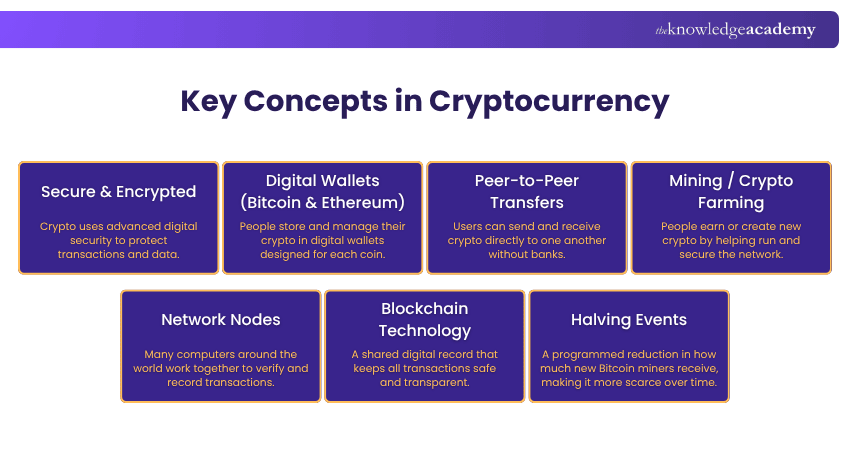
Today, Cryptocurrency is the newest form of money. It exists only online and does not require physical notes or coins. Many people see it as a fast and modern way to send and receive money across the world. To see why it is important, we will look at how Crypto History started and how it has grown into a major part of today’s financial world.
1) The Concept of Digital Currency
When the world mostly used regular money and banks, a new idea slowly began to appear. People started thinking about money that could exist only on computers instead of using coins and notes. They wanted a faster and easier way to send and receive money, especially to other countries, without delays or extra charges. This idea was the first step toward digital money.
In the beginning, technology was not strong enough to make this idea fully possible. Even so, early thinkers believed that digital money could be safe and useful if the right systems were created to protect it. Their efforts and imagination helped set the foundation for what later became Cryptocurrency, a modern way of using and sending money online.

2) Early Attempts in the Financial System
As digital currency ideas began to grow, early developers started using secret coding methods to make online transactions safe and private. These first attempts were very simple compared to the strong security systems we have today, but they showed that digital payments could be protected.
Even though technology was basic at the time, these efforts helped bring money and digital security together. This early work became an important foundation that later supported the creation of Cryptocurrencies and the modern digital finance world.
3) Satoshi Nakamoto's Bitcoin White Paper in 2008
This moment is considered one of the biggest milestones in Cryptocurrency history. In 2008, the website bitcoin.org was created. On 31 October, a person known as Satoshi Nakamoto released a paper called “Bitcoin: A Peer-to-Peer Electronic Cash System.” It explained a new idea for digital money that could work online without banks.
The paper also introduced a safe way to record money transfers, later called Blockchain. It explained that Bitcoin did not belong to any one person or company and that anyone could use it or help improve it. This idea became the starting point for modern Cryptocurrencies.
4) Birth of Bitcoin in 2009
In early 2009, Satoshi Nakamoto created the first 50 Bitcoins. This moment marked the official beginning of Bitcoin and the start of a new way of using money online. At that time, only a small group of computer experts knew about Bitcoin and were involved in creating it.
Even though very few people were mining Bitcoin in the beginning, this step opened the door for what later became Cryptocurrency mining. It showed that digital money could be created and shared without banks, and it became the foundation for the crypto world we see today.
Learn how Bitcoin operates, how mining creates new coins, and how anonymity is maintained. Join our Bitcoin and Cryptocurrency Course now!
5) First Bitcoin Transaction in 2010
In 2010, a programmer named Laszlo Hanyecz bought two pizzas using 10,000 Bitcoin. This is known as the first time Bitcoin was used to buy something in real life. At that time, people did not fully understand the value of Bitcoin, so this moment became a big milestone.
This famous pizza purchase showed that Bitcoin could work like real money, not just a computer idea. It helped people see that digital currency could be used for everyday spending, and it brought more attention to the growing world of Cryptocurrency.
6) Emergence of Alternative Cryptocurrencies in 2011
As Bitcoin became more popular, other digital coins also started to appear. These new coins were created to offer different features and improve some of Bitcoin’s limitations. One of the first well-known ones was Litecoin, made by Charlie Lee. It was designed to work faster than Bitcoin and showed that more digital currencies could exist.
Soon, many more digital coins were introduced. Each one had its own idea or purpose. Some focused on speed, while others tried to make transactions more private or easier to use. This period marked the beginning of a growing market for different types of digital money.
7) Rapid Price Surge and Media Attention in 2013
In 2013, Bitcoin experienced a significant price surge, attracting widespread media coverage. This period introduced Cryptocurrency to a global audience and sparked public debate about its long-term potential.
As interest grew, people started discussing whether digital money could really become part of daily life. Some saw great potential, while others were unsure. This moment helped bring Cryptocurrency into mainstream awareness.
8) Ethereum and Smart Contracts in 2015
In the 2015 timeline, a new digital currency called Ethereum was created by Vitalik Buterin. It quickly became popular and was seen as the next major Cryptocurrency after Bitcoin. People liked it because it offered more possibilities than just sending and receiving money.
Ethereum introduced a way for people to create automatic agreements online, which made it useful for building apps and digital services. This idea helped expand how Blockchain technology could be used and made Ethereum an important part of the Cryptocurrency world.
Start building decentralised applications on Ethereum with our Ethereum Developer Training – Sign up soon!
9) Initial Coin Offerings (ICOs) in 2017
In the 2017 timeline, many new digital coins and tokens were launched through something called an Initial Coin Offering (ICO). These ICOs allowed companies to raise money for new projects by selling their tokens, and they helped many ideas in the crypto space get off the ground.
But at the same time, ICOs brought problems. Some projects did not work out or turned out to be scams, and many investors lost money. This raised worries about how to protect people investing in ICOs and how governments should regulate them.
10) Bitcoin Halving and Institutional Adoption in 2020
In 2020, big companies like Tesla and MicroStrategy announced they had bought large amounts of Bitcoin. This made many people realise that Cryptocurrency was becoming more accepted in the business world, not just by tech users and investors.
That same year, the amount of new Bitcoin being created was reduced, making it more limited. This event helped more people see Bitcoin as something valuable to save for the future, and it boosted confidence in Cryptocurrency even further.
11) NFT Craze and DeFi Explosion in 2021
In the 2021 timeline, Non-Fungible Tokens (NFTs) and new online financial tools like Decentralised Finance (DeFi) became very popular. People began buying digital art and collectables, while others used online platforms to save, borrow, and earn money without banks. Celebrity support and easy-to-use technology helped this trend grow quickly.
At the same time, many people had extra money because of pandemic support, and Cryptocurrency prices reached record highs. This encouraged more people to explore digital assets, making 2021 a major year for NFTs and digital finance.
12) The Ethereum Merge in 2022
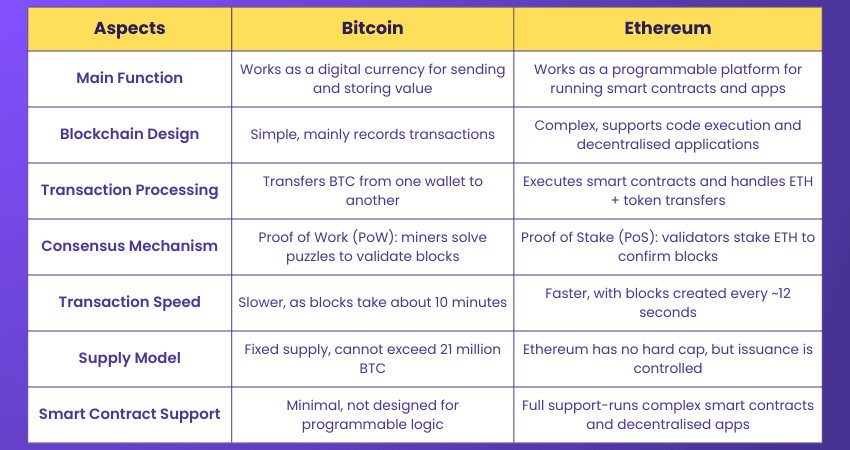
In September 2022, Ethereum completed a major network upgrade known as the Merge. This transition changed Ethereum’s validation method from energy-intensive proof of work to proof of stake, where participants secure the network by staking ETH rather than using large-scale computing power.
As a result, Ethereum’s overall energy consumption was reduced by more than 99 percent, making the network significantly more energy efficient. This upgrade demonstrated how blockchain platforms can evolve to address environmental concerns while maintaining security and functionality.
13) World Crypto Conference in 2023
In 2023, various international conferences and industry forums brought together developers, investors, regulators and policymakers to discuss the future direction of Cryptocurrency and blockchain technology. Rather than marking a single historic event, these gatherings reflected ongoing dialogue around adoption, regulation and practical implementation.
These discussions highlighted increased cooperation between the crypto sector and traditional institutions, with attention given to areas such as Web3 development, decentralised finance, digital identity, and secure digital transactions. They demonstrated how Cryptocurrency continued to evolve through collective industry engagement in 2023.
Key Attributes of Cryptocurrencies
Cryptocurrencies are built on technologies that make them secure, transparent and independent from traditional financial systems. Their key attributes help explain why digital currencies have become so popular worldwide. Below are those key attributes:
1) Decentralisation
Cryptocurrencies operate on decentralised networks, meaning no single authority, such as a bank or government, controls them. Instead, transactions are verified by distributed participants, increasing security and reducing the risk of a single point of failure.
2) Blockchain Technology
Most Cryptocurrencies use blockchain, a secure digital ledger that records every transaction. Because the ledger is shared across many computers, altering or tampering with past records becomes very difficult.
3) Transparency
All blockchain transactions are visible to the public, allowing anyone to verify transfers. This transparency builds trust among users and ensures that the system remains fair and accountable.
4) Security and Cryptography
Advanced cryptographic methods protect transactions and wallets. This security ensures that only authorised owners can access their digital assets, making Cryptocurrencies resistant to fraud and hacking attempts.
5) Global Accessibility
Cryptocurrencies can be sent or received anywhere in the world, making cross-border payments faster and more affordable. This global reach supports financial inclusion and allows users to transact without traditional banking barriers.
6) Limited Supply
Many Cryptocurrencies have a fixed maximum supply, like Bitcoin’s 21 million limit. This scarcity can drive value and protect the currency from inflation caused by unlimited issuance.
7) Fast and Low-cost Transactions
Digital currencies enable quick transfers with comparatively low fees, especially for international payments. This efficiency is one of the reasons businesses and individuals increasingly adopt crypto solutions.
Regulatory Landscape and Challenges
As Cryptocurrencies grew, governments and financial experts needed to decide how to regulate them and ensure user safety. This resulted in two main areas of focus.
1) Global Rules and Government Response
As Cryptocurrencies grew in popularity, governments started paying close attention. Some countries support their use, while others limit or ban them due to safety and financial concerns. Most governments aim to protect people and keep the financial system secure.
2) Misuse and Privacy Concerns
Cryptocurrencies can offer privacy, but this has also caused concerns. Some people have used them for illegal activities, which led to calls for stricter rules. At the same time, some coins like Monero and Zcash were created to give users more privacy while staying within legal use.
Understand market trends and their impact on currency fluctuations with our Forex Trading Course – Register today!
Main Stages of Development
The journey of Cryptocurrency took shape step by step over several important years.
1) 1980s: First Ideas of Digital Money:
People began thinking about money that could exist only on computers instead of using cash. These early ideas helped shape the future of online payments.
2) 1990s: Early Digital Payment Tests:
Systems like DigiCash were created to try digital money on the internet. They did not last long, but they showed that online money could work.
3) 2008: Bitcoin Idea Introduced:
A person known as Satoshi Nakamoto shared a paper explaining a new kind of digital money called Bitcoin. It was designed to work without banks.
4) 2009: Bitcoin Begins:
The first Bitcoin was created. This was the start of Cryptocurrency and the technology that supports it.
5) 2011 to 2014: New Digital Coins Appear:
Other digital coins, such as Litecoin and Ripple, were created. They offered different features and helped grow the crypto world.
6) 2015: Ethereum Expands Crypto Use:
Ethereum was launched. It allowed people to create digital agreements and build apps, helping crypto serve many more purposes.
7) 2017: Crypto Becomes Popular Worldwide:
Bitcoin has very high prices, and many new crypto projects have started. This year made Cryptocurrency well-known around the world.
8) 2020 to 2021: Big Companies Get Involved:
Large companies began buying Bitcoin. Digital art (NFTs) and online financial tools have also become very popular.
9) 2022 and After: Better and Cleaner Technology:
Upgrades like the Ethereum Merge made crypto systems faster and used much less energy. This showed that crypto technology is still improving.
How Much was One Bitcoin in 2009?
In late 2009, Bitcoin was traded for real money for the very first time. A small online exchange called New Liberty Standard recorded this first deal. Someone bought 5,050 Bitcoins for $5.02 using PayPal, marking a historic moment in Cryptocurrency history.
This means each Bitcoin was worth approximately $0.0008 to $0.001, which is less than one-tenth of a cent. At the time, Bitcoin had little recognised value because very few people were aware of it, and its price was mainly calculated based on electricity costs rather than market demand.
How Many Bitcoins are Left?
Bitcoin has a fixed supply of 21 million coins. Over 19.5 million Bitcoins have already been mined, leaving fewer than 1.5 million still to be created. New Bitcoins are released gradually through mining, with the final coin expected to be around 2140.
Conclusion
Understanding the History of Cryptocurrency helps us see how it reshaped finance and opened new opportunities for the world. From Bitcoin’s birth to the rise of altcoins, NFTs and digital finance, crypto has grown from a niche idea into a global movement. As technology advances and regulations evolve, digital currencies are set to play an even bigger role in the future of money and innovation.
Understand the usage of Cryptocurrency and its fundamentals with our Investment and Trading Training – Join now!
Frequently Asked Questions
How did Cryptocurrency Begin?

Bitcoin was first launched in January 2009 by a programmer under the pseudonym Satoshi Nakamoto. It was the first Cryptocurrency that was created and to date it is well known for its value.
Why are Scams so Common in Cryptocurrency?
Cryptocurrency scams are common because transactions are irreversible, decentralised, and often conducted without intermediaries. The lack of a central authority and varying global regulations make fraud harder to reverse, although security measures and regulatory oversight have improved over time.
What are the Other Resources and Offers Provided by The Knowledge Academy?
The Knowledge Academy takes global learning to new heights, offering over 3,000+ online courses across 490+ locations in 190+ countries. This expansive reach ensures accessibility and convenience for learners worldwide.
Alongside our diverse Online Course Catalogue, encompassing 17 major categories, we go the extra mile by providing a plethora of free educational Online Resources like Blogs, eBooks, Interview Questions and Videos. Tailoring learning experiences further, professionals can unlock greater value through a wide range of special discounts, seasonal deals, and Exclusive Offers.
What is The Knowledge Pass, and How Does it Work?
The Knowledge Academy’s Knowledge Pass, a prepaid voucher, adds another layer of flexibility, allowing course bookings over a 12-month period. Join us on a journey where education knows no bounds.
What are the Related Courses and Blogs Provided by The Knowledge Academy?
The Knowledge Academy offers various Investment and Trading Training, including the Cryptocurrency Trading Training, Forex Trading Course, and the Stock Trading Course. These courses cater to different skill levels, providing comprehensive insights into How to Buy Bitcoin.
Our Business Skills Blogs cover a range of topics related to the History of Cryptocurrency, offering valuable resources, best practices, and industry insights. Whether you are a beginner or looking to advance your Trading skills, The Knowledge Academy's diverse courses and informative blogs have got you covered.

The Knowledge Academy


Global Training Provider
The Knowledge Academy is a world-leading provider of professional training courses, offering globally recognised qualifications across a wide range of subjects. With expert trainers, up-to-date course material, and flexible learning options, we aim to empower professionals and organisations to achieve their goals through continuous learning.

Upcoming Advanced Technology Resources Batches & Dates
Date
 Cryptocurrency Trading Training
Cryptocurrency Trading Training
Fri 27th Mar 2026
Cryptocurrency Trading Training
Fri 8th May 2026
Cryptocurrency Trading Training
Fri 7th Aug 2026
Cryptocurrency Trading Training
Fri 30th Oct 2026

 If you wish to make any changes to your course, please


