


 Top Rated Course


We may not have the course you’re looking for. If you enquire or give us a call on +55 8000201623 and speak to our training experts, we may still be able to help with your training requirements.
What is Anxiety? Definition and Treatment Options
The Knowledge Academy 14 February 2026Anxiety is a common mental health condition that causes worry, fear, and stress, affecting daily life and overall well-being. It can show up as racing thoughts, a fast heartbeat, restlessness, or trouble sleeping. With the right support and care, Anxiety can be managed and reduced for a better quality of life.

Training Outcomes Within Your Budget!
We ensure quality, budget-alignment, and timely delivery by our expert instructors.
Table of Contents
Imagine feeling nervous, worried, or on edge, even when nothing seems wrong. Many people experience this every day. These constant feelings of fear and tension can make everyday tasks feel overwhelming. This brings us to an important question: What is Anxiety. It’s more than just stress; it’s a strong, ongoing feeling of worry that can affect your health and daily life. Understanding it is the first step to feeling better.
With the right knowledge and awareness, Anxiety can be managed effectively, helping people regain confidence, balance, and control over their lives. In this blog, you will learn What is Anxiety, its types, causes, and more insightfully. So, if you are ready to explore the possible causes and implement practical treatment options for your well-being, keep reading to learn more!
Table of Contents
1) What is Anxiety?
2) What is an Anxiety Disorder?
3) Types of Anxiety Disorders
4) What Causes Anxiety?
5) What are the Symptoms of Anxiety Disorders?
6) What are the Treatments for Anxiety Disorder?
7) Conclusion
What is Anxiety?
Anxiety is a common emotional state marked by feelings of unease, worry, or fear that can range from mild to severe. It is a natural response to stress or perceived threats, often helping us stay alert or motivated. Many people experience Anxiety in everyday situations such as work pressure, financial concerns, relationship issues, or major life changes.
When Anxiety becomes excessive or persists without a clear cause, it can start to disrupt daily life. This may result in distress, avoidance of situations, and physical symptoms like a racing heart, upset stomach, or difficulty breathing. In such cases, it may be identified as an Anxiety disorder, and seeking appropriate support or treatment is important.
What is an Anxiety Disorder?
Anxiety Disorders are conditions where a person feels very worried, nervous, or scared often, even when there’s no real danger. These feelings can last a long time and can make everyday life hard. It’s more than just normal worry; it can stop someone from doing things they enjoy or need to do. Many people have Anxiety Disorders, and with the right help, they can feel better.
Anxiety Disorders can also affect the body, not just the mind. People might experience headaches, stomach problems, sweating, or a fast heartbeat when anxious. These physical symptoms can make the experience even more overwhelming and exhausting, which is why understanding and managing anxiety is so important.
Learn to enhance mental health with our Positive Psychology Course – Join today!
Types of Anxiety Disorders
Anxiety disorders are a group of mental health conditions marked by excessive fear, worry, and related behavioural changes. Let’s look at its types to effectively understand What is Anxiety.
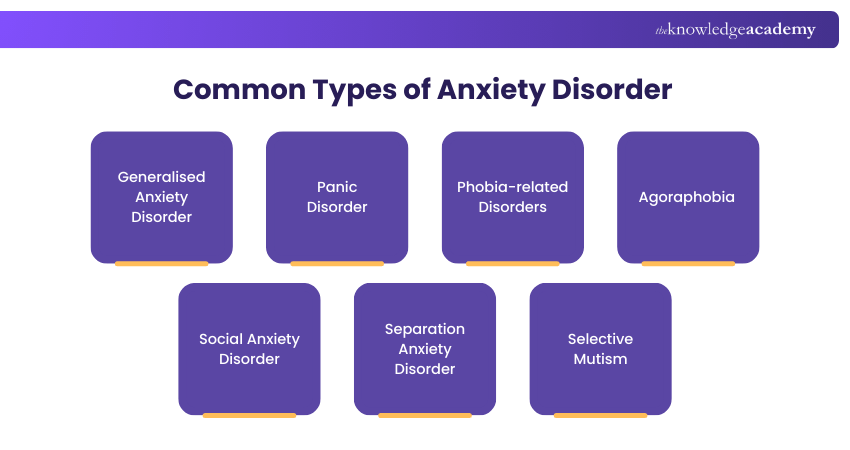
1) Generalised Anxiety Disorder
Generalised Anxiety Disorder (GAD) causes ongoing and excessive worry about everyday situations. People with GAD are constantly overwhelmed, even when there is no reason to worry. Here, concerns may focus on work, health, money, or daily responsibilities.
2) Panic Disorder
Panic Disorder is characterised by repeated and unexpected panic attacks. These attacks can happen suddenly and without warning, causing physical symptoms, such as a racing heart, shortness of breath, or dizziness.
3) Phobia-related Disorders
A Phobia is an intense and overwhelming fear of a particular object or situation, such as heights, animals, or injections. The fear is often out of proportion to the actual danger and interferes with daily life.
4) Agoraphobia
Agoraphobia involves an intense fear of situations where escape may feel difficult. This includes crowded places, open spaces, enclosed areas, or being outside of the home alone. This leads many people to avoid unfamiliar situations or places, limiting daily activities.
5) Social Anxiety Disorder
Social Anxiety Disorder involves a strong and persistent fear of social situations. People with this condition worry about being judged, embarrassed, or watched by others. This makes everyday activities, such as speaking or meeting new people, distressing.
6) Separation Anxiety Disorder
Separation Anxiety Disorder happens when someone experiences excessive fear or distress when separated from a loved one. While this is normal in young children, this disorder can affect both children and adults, leading to interference with work, school, or social life.
7) Selective Mutism
Selective Mutism is a condition where a person is unable to speak in certain situations due to fear or Anxiety. This happens despite being able to speak in other settings, most commonly affecting young children in school environments.
Create a more positive mindset with the Positive Psychology Course now!
What Causes Anxiety?
Understanding What is Anxiety requires knowing the types of disorders that develop due to a combination of life experiences, biological factors, and health related issues. Let’s look at some of the causes that result in Anxiety.
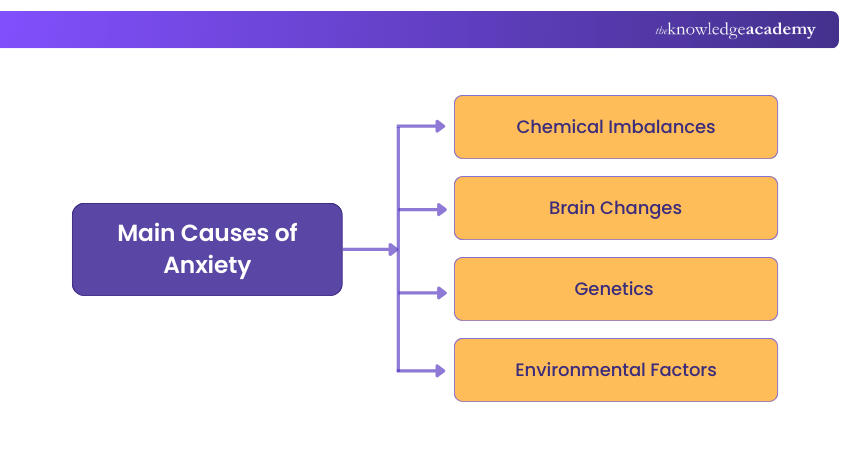
1) Chemical Imbalances
Anxiety can be linked to imbalances in brain chemicals, known as neurotransmitters. These chemicals, such as serotonin, dopamine, and norepinephrine, help to regulate mood, stress, and emotional responses. When they are not working properly, the brain reacts strongly to stress, increasing feelings of fear and worry.
2) Brain Changes
Changes in brain function can also contribute to anxiety. For example, the amygdala, a part of the brain responsible for controlling fear responses, may become overactive, leading to heightened reactions to perceived threats. These structural or functional differences in the brain can make it harder to manage and regulate emotions.
3) Genetics
Genetics plays a role in the development of Anxiety disorders. If close family members, such as parents or siblings, have an Anxiety disorder, the risk of developing one becomes higher. While Anxiety is not directly inherited, genetic traits can increase sensitivity to stress and emotional triggers.
4) Environmental Factors
Environmental factors, such as trauma, chronic stress, or significant life changes, can contribute to anxiety. Experiences like childhood abuse, workplace stress, financial difficulties, or serious illness can overwhelm a person's ability to cope, triggering persistent symptoms of anxiety.
Promote healthier minds and well-being at work with Mental Health and Wellbeing Training – Join now!
What are the Symptoms of Anxiety Disorders?
Anxiety can show up in different ways. Some symptoms affect your body, while others affect your thoughts and feelings. Here are some symptoms:
1) Physical Symptoms
These are signs you can feel in your body when you are anxious:
a) Rapid Heartbeat
b) Fast Breathing
c) Fight or Flight Response
d) Tense Muscles
e) High Blood Sugar
f) Sleep Problems
g) Weak Immune System
2) Psychological Symptoms
These symptoms affect your mind and emotions:
a) Constant worry
b) Feeling restless
c) Fear without a clear reason
d) Trouble concentrating
e) Overthinking small problems
f) Feeling irritable
g) Expecting the worst
Learn to build resilience with our Mindfulness Training – Join today!
What are the Treatments for Anxiety Disorder?
Now that you know What is Anxiety, let’s look at the main ways Anxiety can be treated.
1) Medication
Medication can help manage the symptoms of Anxiety. It does not cure Anxiety but makes it easier to cope with daily life. Here are the types of medications used to treat Anxiety:
Antidepressants
a) Help balance brain chemicals
b) Take time to start working
c) Prescribed based on individual symptoms
d) Often used for long-term treatment
2) Benzodiazepines
a) Act on the neurotransmitter to calm brain activity
b) Provide quick relief from severe Anxiety and panic symptoms
c) Mainly produced for short-term or acute Anxiety
d) Long-term use is limited due to dependence and withdrawal risks
3) Beta-blockers
a) Primarily used to treat high blood pressure and heart conditions
b) Reduce physical Anxiety symptoms, such as rapid heartbeat and trembling
c) Commonly used for stage fright or performance Anxiety
d) Help with Post-Traumatic Stress Disorder (PTSD) symptoms
Psychotherapy
Psychotherapy is talking with a trained therapist to understand your Anxiety. It helps you learn ways to manage anxious thoughts. Here are some of the approaches:
Cognitive Behavioural Therapy (CBT)
a) Teaches how to change negative thought patterns
b) Helps you face fears in a safe way
c) Focuses on solving current problems
d) One of the most common Anxiety treatments
Acceptance and Commitment Therapy
a) Helps you accept anxious thoughts without fighting them
b) Focuses on living a good life despite Anxiety
c) Uses mindfulness and values-based action
d) Teaches coping strategies for long-term use
Conclusion
Anxiety can feel overwhelming, but it is important to remember that it is manageable. Understanding What is Anxiety requires recognising symptoms and knowing the treatment options. This paves the pathway for taking meaningful steps towards improved well-being. With the right support, healthy coping strategies, and professional care, you will have better control over your life.
Build essential skills to strengthen your mental well-being with Mental Health Courses – Register today!
Frequently Asked Questions
How are Anxiety Disorders Diagnosed?

Anxiety disorders are diagnosed through medical evaluations, psychological assessments, and discussions about symptoms, duration, and impact on daily life.
How Can I Take Care of Myself if I Have an Anxiety Disorder?
Self-care includes regular exercise, healthy routines, stress management techniques, and seeking professional support when needed.
What Are the Other Resources and Offers Provided by the Knowledge Academy?
The Knowledge Academy takes global learning to new heights, offering over 3,000+ online courses across 490+ locations in 190+ countries. This expansive reach ensures accessibility and convenience for learners worldwide.
Alongside our diverse Online Course Catalogue, encompassing 19 major categories, we go the extra mile by providing a plethora of free educational Online Resources like Blogs, eBooks, Interview Questions and Videos. Tailoring learning experiences further, professionals can unlock greater value through a wide range of special discounts, seasonal deals, and Exclusive Offers.
What Is Knowledge Pass, and How Does It Work?
The Knowledge Academy’s Knowledge Pass, a prepaid voucher, adds another layer of flexibility, allowing course bookings over a 12-month period. Join us on a journey where education knows no bounds.
What Are Related Health & Safety Courses and Blogs Provided by the Knowledge Academy?
The Knowledge Academy offers various Mental Health Courses, including the Anxiety Course, Mental Health and Wellbeing Training, and Positive Psychology Course. These courses cater to different skill levels, providing comprehensive insights into Mindfulness Meditation.
Our Health & Safety Blogs cover a range of topics related to Mental Health, offering valuable resources, best practices, and industry insights. Whether you are a beginner or looking to advance your Mental Well-being Skills, The Knowledge Academy's diverse courses and informative blogs have got you covered.

The Knowledge Academy


Global Training Provider
The Knowledge Academy is a world-leading provider of professional training courses, offering globally recognised qualifications across a wide range of subjects. With expert trainers, up-to-date course material, and flexible learning options, we aim to empower professionals and organisations to achieve their goals through continuous learning.


 If you wish to make any changes to your course, please


