


 Top Rated Course

We may not have the course you’re looking for. If you enquire or give us a call on +44 20 4538 6376 and speak to our training experts, we may still be able to help with your training requirements.
The Future Trend of Digital Marketing: Explained in Detail
James Smith 28 February 2026Future trends in digital marketing include AI automation, personalisation, AR/VR experiences, video growth, and a shift toward ethical practices. Major developments include personalisation, AI-driven automation, immersive experiences like AR/VR, video content dominance, and a growing focus on ethical, sustainable marketing strategies.

Training Outcomes Within Your Budget!
We ensure quality, budget-alignment, and timely delivery by our expert instructors.
Table of Contents
Ever felt like your phone knows exactly what you want before you do? That’s the Future Trend of Digital Marketing playing its magic. From scroll-stopping videos to eerily perfect product picks, brands are turning data into delight and clicks into customers.
In this blog, we explore how trends like UGC, personalisation, AI, and social commerce shape the Future Trend of Digital Marketing and what your brand can do to stay ahead.
Table of Contents
1) The Top Future Trend of Digital Marketing
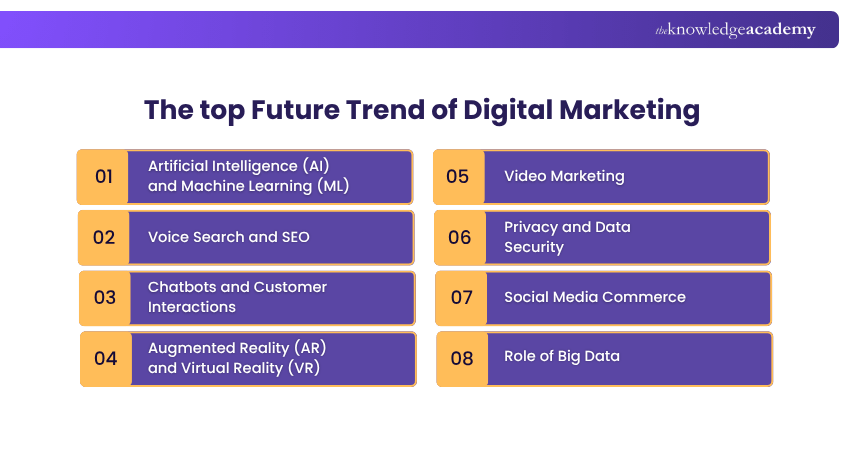
a) Artificial Intelligence (AI) and Machine Learning (ML)
b) Voice Search and SEO
c) Chatbots and Customer Interactions
d) Augmented Reality (AR) and Virtual Reality (VR)
e) Video Marketing
f) Privacy and Data Security
g) Social Media Commerce
h) Role of Big Data
i) Influencer Marketing
j) Predictive & Prescriptive Analytics
2) Other Emerging Trends in Digital Marketing
3) Conclusion
The Top Future Trend of Digital Marketing
One of the top Future Trends in Digital Marketing is personalisation using data. As part of the future of Digital Marketing, brands will deliver tailored content and offers based on user behaviour. Simply put, what is the future of Digital Marketing? It’s smarter, more personal, and driven by data.
1) Artificial Intelligence (AI) and Machine Learning (ML)
AI and ML are developing Digital Marketing by allowing smarter data-driven decision-making. These technologies can quickly analyse large volumes of data, helping marketers understand patterns, predict customer behaviour and personalise content more efficiently. Artificial Intelligence (AI) tools like chatbots and recommendation tools are already improving user experiences and promoting engagement.
Machine Learning (ML) keeps improving by learning from user data and campaign results. This helps marketers adjust their strategies quickly to match changing customer needs. Those who use these tools well can create smarter and more effective campaigns.

2) Voice Search and SEO
Many people use voice assistants like Alexa and Siri and the way people search online is changing. Instead of short codewords, users now ask full questions in a natural way.
To keep up, marketers need to use longer keywords and concentrate more on local searches. Creating content that clearly answers typical questions will help websites show up in voice search results. Those who adjust early can remain forward in this fast-growing trend.
3) Chatbots and Customer Interactions
The rise of AI-powered chatbots is set to transform the nature of customer interactions. Chatbots offer the promise of instant, 24/7 customer service, answering customer queries and addressing their needs without any human intervention.
This instantaneous, round-the-clock service can significantly enhance customer experience, fostering loyalty and trust. As AI technology becomes more sophisticated, these chatbots will become even more effective, able to handle complex queries and mimic human-like interactions. Digital marketers must embrace this technology, integrating chatbots into their customer service strategy to offer an exceptional customer experience.
4) Augmented Reality (AR) and Virtual Reality (VR)
The integration of AR and VR technology into Digital Marketing plans opens up a world of opportunities for marketers. These immersive technologies can offer customers a more interactive and engaging shopping experience, from virtual tours of hotel rooms to 'try before you buy' AR filters.
While the adoption of AR and VR in Digital Marketing is still in its early stages, the potential of these technologies is immense. Companies that quickly adopt AR and VR will gain a competitive edge.
5) Video Marketing
Many people now love to watch videos online on streaming applications like YouTube, Instagram, and TikTok. Videos are easy to watch and help explain things clearly and quickly.
Eventually, businesses will use more videos in their marketing. Short videos on social media and longer ones on websites will help tell their story and share what they provide. Creating good videos will be a crucial skill for every seller.
Make familiar with the growth plans of product-market expansion. Join our Strategic Marketing Course now!
6) Privacy and Data Security
With an increasing emphasis on data privacy and the enforcement of strict regulations such as the General Data Protection Regulation (GDPR), data security will become a paramount concern for digital marketers. Companies will need to demonstrate that they are handling customer data responsibly and ethically, providing transparency over how data is used and ensuring its security.
Data privacy concerns also present an opportunity for marketers to build trust with their audience, demonstrating their commitment to protecting customer data. This trust can lead to enhanced brand loyalty and customer retention, benefiting companies in the long run.
Conquer the Digital Marketing realm with our Digital Marketing Courses – Sign up now!
7) Social Media Commerce
The rise of social commerce - the integration of shopping experiences directly into social media platforms - presents digital marketers with a new avenue to reach their audience. By enabling purchases directly from social media platforms, companies can simplify the customer journey, increasing the likelihood of conversions.
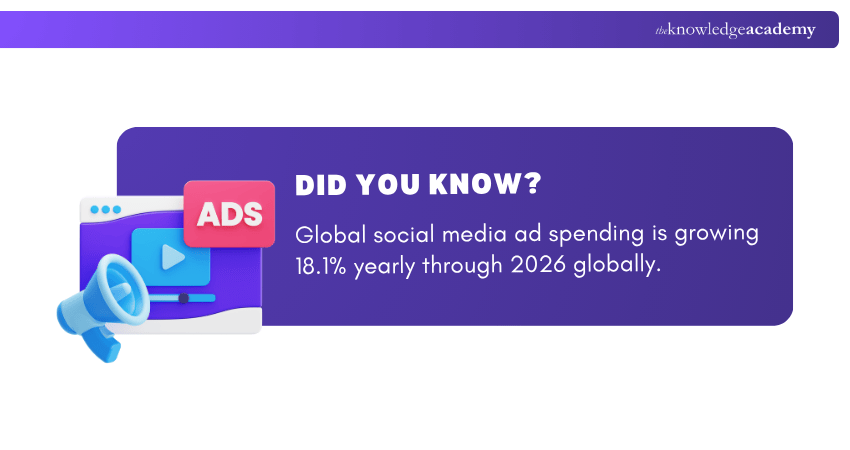
Marketers must adjust their strategies to embrace this evolving e-commerce landscape, enhancing their social media content for shopping purposes and actively cultivating a brand-centric community. Those who can successfully utilise the potential of social commerce will reap the rewards, reaching new audiences and driving increased sales.
8) Role of Big Data
As digital technology advances, the volume of data businesses can access is expanding at an astounding rate. This abundance of information, often referred to as 'big data,' presents a huge opportunity for digital marketers. The analysis of big data can yield invaluable insights into consumer behaviour, market trends, and the effectiveness of marketing campaigns. This aligns with Data-driven Marketing, helping businesses make data-driven decisions and refine marketing strategies.
The challenge lies in the interpretation and implementation of this data. As we move forward, digital marketers will increasingly need skills in data analysis and interpretation. By having a deeper understanding of their target audience, businesses can customise their marketing campaigns to align more effectively with their customers, ultimately leading to business growth.
9) Influencer Marketing
Influencer marketing has seen a considerable rise over recent years, and this trend is set to continue. Social media influencers, with their ready-made audiences and trusted voices, offer businesses a unique way to reach their target market.
As consumers gradually turn to influencers for recommendations, businesses that establish successful partnerships with influencers will gain a significant advantage. Going forward, we'll see an increased focus on creating authentic, long-term relationships with influencers, moving away from one-off promotional campaigns.
Amplify your brand's impact with our Influencer Marketing Masterclass – Sign up now!
10) Predictive & Prescriptive Analytics
While predictive analytics is currently employed to forecast future trends using historical data, the future of Digital Marketing also encompasses the integration of prescriptive analytics. This technology can suggest various course actions and guide us towards a solution. For example, it could determine which marketing strategies are likely to bring the most engagement and suggest where to allocate resources.
11) Omnichannel Marketing
Omnichannel marketing, the strategy of providing a seamless user experience across all channels, is becoming essential. It’s not enough to have a presence on multiple platforms; those platforms must offer a consistent, integrated experience for the consumer. This approach can lead to a more personalised and cohesive brand experience, ultimately fostering customer loyalty.
12) Interactive Content
Interactive content is another area set to grow. This could take the form of quizzes, polls, augmented reality ads, or 360-degree videos. Such content can engage users more deeply and provide a more immersive experience, helping a brand to excel in a crowded digital landscape.
13) Blockchain Technology
Although blockchain is sometimes associated with cryptocurrencies like Bitcoin, its potential applications in Digital Marketing are vast. Blockchain could offer a more transparent, secure way to track the journey of digital ads, helping to combat fraud and increase efficiency.
14) User-generated Content (UGC)
User-generated Content (UGC), in the form of reviews, testimonials, or user-posted social media content, has proven to be a potent tool for authenticity. Prospective customers often perceive UGC as unbiased and honest, which could significantly enhance a company's credibility. Therefore, digital marketers need to develop strategies that encourage and facilitate UGC, as this will play an important role in improving brand image and customer trust.
15) Micro-moments
Micro-moments are small moments when people quickly use their phone to find something, learn, shop or watch a video. These quick activities help them make alternatives and shape what they like. To create most cases, sellers need to give the right information at the correct time. This means understanding what the customer wants and when they are likely to look for it.
16) Neuromarketing
Neuromarketing, the application of neuroscience to marketing, aims to understand consumers' decision-making processes better. With this, marketers can craft more effective campaigns based on psychological principles. While this field is still relatively new, it promises significant opportunities for the future, giving marketers deeper insights into consumer behaviour and potentially revolutionising the way we approach Digital Marketing.
17)Sustainability and Ethical Marketing
Increasingly, consumers are favouring brands that demonstrate a commitment to sustainability and ethical business practices. This consumer preference provides a significant opportunity for companies to differentiate themselves from their competitors. Digital marketers will need to ensure their campaigns and strategies reflect the company's commitment to these values, effectively communicating this to their target audience.
18) Hyper-personalisation
While personalisation is already a major focus in Digital Marketing, the future promises even greater levels of customisation. Hyper-personalisation involves using real-time data to create a completely personalised and contextual customer experience. By tailoring every interaction to the individual customer's needs and preferences, businesses can significantly enhance customer satisfaction and loyalty.
Understand the inner workings and procedures of video marketing. Join our Video Marketing Course now!
Other Emerging Trends in Digital Marketing
Businesses are now using more of their own data to learn about their customers. This helps them create content that feels more personal and appropriate. Another trend is conversational marketing, where brands talk to people directly through chat, messages or chatbots to give immediate help and make better connections.
1) Rise of First- and Second-party Data
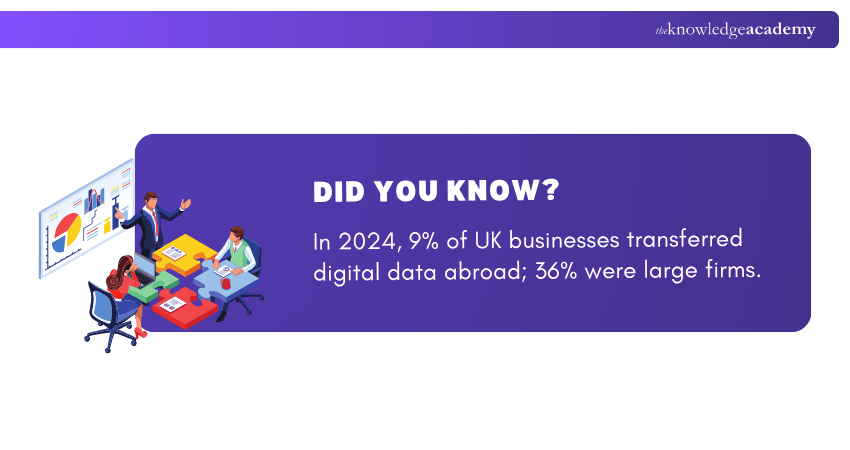
Businesses are now using more data they get directly from their customers or from trusted partners. This data is more accurate and helps them understand what people like, need, or do online. It also helps them create better ads and build stronger connections with their customers.
2) Hyper-personalised Content
Hyper-personalised content means showing each person messages or ads based on what they like, where they are, and what they do online. This helps businesses talk to people in a more friendly and useful way, making the content feel more special and personal.
3) Conversational Marketing
Conversational marketing is when businesses talk to people through chat or messages. It helps answer questions quickly and makes people feel heard. This way, customers get help fast, and businesses build better trust.
Conclusion
The Future Trend of Digital Marketing is all about speed, personal touch and smart use of data. With new tools and changing customer habits, businesses must remain adaptive and creative. By concentrating on real-time requirements and personalised content, sellers can make stronger connections and keep ahead in the quickly changing digital world. Adapting now means winning tomorrow.
Acquire essential skills in SEO and analytics to optimise your content marketing. Join our Content Marketing Course now!
Frequently Asked Questions
What are the Rising Trends in Digital Marketing?

Rising trends in Digital Marketing involve personalisation, social commerce, voice search, video and AI. Brands now concentrate on customer experience and multi-platform reach. These changes reflect the future growth of Digital Marketing, powered by new technologies and user requirements.
What Will Digital Marketing Look Like in Ten Years?
For ten years, Digital Marketing will be more personalised, data-driven and automated. AI will manage most targeting and content creation. While AR/VR will give interesting brand experiences. Voice and visual search will grow and sellers will concentrate more on real-time, collaborative customer involvement across platforms.
What are the Other Resources and Offers Provided by The Knowledge Academy?
The Knowledge Academy takes global learning to new heights, offering over 3,000+ online courses across 490+ locations in 190+ countries. This expansive reach ensures accessibility and convenience for learners worldwide.
Alongside our diverse Online Course Catalogue, encompassing 17 major categories, we go the extra mile by providing a plethora of free educational Online Resources like Blogs, eBooks, Interview Questions and Videos. Tailoring learning experiences further, professionals can unlock greater value through a wide range of special discounts, seasonal deals, and Exclusive Offers.
What is The Knowledge Pass, and How Does it Work?
The Knowledge Academy’s Knowledge Pass, a prepaid voucher, adds another layer of flexibility, allowing course bookings over a 12-month period. Join us on a journey where education knows no bounds.
What are the Related Courses and Blogs Provided by The Knowledge Academy?
The Knowledge Academy offers various Marketing Courses, including the Introduction to Marketing Training, Content Marketing Course, and the Video Marketing Course. These courses cater to different skill levels, providing comprehensive insights into Brand Strategist.
Our Digital Marketing Blogs cover a range of topics related to Marketing, offering valuable resources, best practices, and industry insights. Whether you are a beginner or looking to advance your Digital Marketing skills, The Knowledge Academy's diverse courses and informative blogs have got you covered.

James Smith


Digital Marketing Manager and Trainer
James Smith is a digital marketing professional with over a decade of experience in SEO, content strategy, paid media and analytics. He has supported both SMEs and global brands in transforming their digital presence. James’s writing and training are rooted in results-driven tactics and the latest marketing trends.
View Detail
Upcoming Digital Marketing Resources Batches & Dates
Date
 Digital Marketing Course
Digital Marketing Course
Fri 24th Apr 2026
Digital Marketing Course
Fri 17th Jul 2026
Digital Marketing Course
Fri 13th Nov 2026

 If you wish to make any changes to your course, please


