


 Top Rated Course

We may not have the course you’re looking for. If you enquire or give us a call on +44 1344 203 999 and speak to our training experts, we may still be able to help with your training requirements.
What Does a Property Manager Do: A Complete Guide
The Knowledge Academy 24 March 2026A Property Manager oversees rental operations, markets vacancies, screens tenants, collects rent, manages maintenance, and ensures compliance with housing laws. They manage the daily operations of a property on behalf of the owner, helping to protect property value, ensure smooth operations, and build positive relationships with tenants.

Training Outcomes Within Your Budget!
We ensure quality, budget-alignment, and timely delivery by our expert instructors.
Table of Contents

Managing a property may seem simple but it involves many responsibilities behind the scenes. From handling tenants and collecting rent to arranging repairs and ensuring legal compliance, property management requires time and expertise. This is why many property owners come across the question: What Does a Property Manager Do, and how these professionals help manage properties effectively.
Understanding What Does a Property Manager Do can help property owners make better decisions about managing their investments. Property Managers handle daily operations, maintain tenant relationships, and ensure properties remain maintained and profitable. In this blog, you will learn about the responsibilities of a Property Manager, how much they earn, why property management matters, and more.
Table of Contents
1) What is a Property Manager?
2) What Does a Property Manager Do?
3) What is the Salary of a Property Manager?
4) Why Property Management Matters?
5) Requirements to Become a Property Manager
6) Skills to Succeed in Property Management
7) What are the Signs of a Property Manager?
8) Do Property Managers Provide Financial Reports to Owners?
9) Conclusion
What is a Property Manager?
A Property Manager is a professional responsible for managing the daily operations of a property on behalf of the owner. Their core role is to ensure the property remains properly maintained, tenants are satisfied, and the property operates smoothly. This role is helpful for landlords who may not have the time, expertise, or location to manage their rental properties by themselves.
Property Managers are the link between landlords and tenants. They handle tasks such as property maintenance, coordinating repairs, communicating with tenants, and ensuring the property follows legal requirements. For property owners, a Property Manager helps to ensure the property is maintained and managed even when the owner is not present.

What Does a Property Manager Do?
Property Managers play an important role in protecting and maintaining Real Estate investments for property owners. They are hired for various reasons, including managing rental properties, ensuring compliance with legal regulations, and providing a local presence for out-of-town property owners. Let’s look at their responsibilities below to better understand What Does a Property Manager Do:
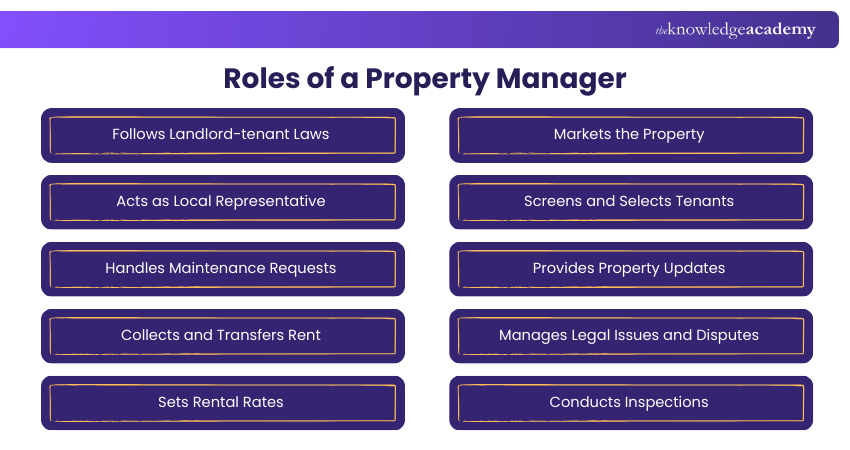
1) Adheres to Landlord-Tenant Laws and Regulations
Navigating various landlord-tenant laws can be challenging for investors managing multiple properties across different regions. Engaging a Property Manager helps sidestep legal complications by handling these diverse regulations. Property Managers, well-versed in local laws, serve as experts, ensuring compliance and preventing accidental breaches.
For instance, specific states enforce regulations on security deposit caps. A Property Manager familiar with the area ensures tenants are charged accurately, averting potential legal entanglements due to the property owner's unfamiliarity with local statutes.
2) Serves as a Local Representative for Owners Residing Elsewhere
As on-site experts, Property Managers serve as a representative presence for owners residing out of town. For instance, if a property owner is accustomed to Texas but owns properties in areas like California or New York, they might struggle with the nuances of management.
In such cases, Property Managers handle various intricate details on their behalf, including challenges like maintenance and operational concerns.
3) Manages Maintenance Inquiries
A Property Manager also manages in-person maintenance tasks. Slow landlord responses to maintenance issues can lead to tenant frustration. Thus, having an On-site Manager to address tenant concerns promptly is crucial.
Maintenance requests can usually vary, from appliance repairs to pest or wildlife problems, making on-site assistance crucial. A lack of landlord support for rental property issues can lead to frustration and prompt tenants to seek other options.
4) Gathers and Safely Transfers Rental Payments
Collaborating with a Property Manager can also mitigate the risk of extended vacancies, reducing potential financial losses. Instead of attempting remote marketing to attract prospective tenants, property owners can rely on a Property Manager equipped with Real Estate Software to actively seek new renters and even facilitate lease renewals.
Prospective tenants may also feel reluctant to move into a property without a physical inspection. Additionally, showcasing the property may not be feasible if the owner resides out of state. Engaging a Property Manager allows property owners to have a representative on-site to address issues and queries and highlight the property to potential renters.
5) Establishing Rental Rates
Determining competitive rental rates is a crucial aspect of a Property Manager's role, which involves evaluating market values, local competition, and potential mortgage costs. Rent is often based on local market conditions and demand.
However, additional factors like amenities, transportation access, security, and the neighbourhood's socioeconomic structure can also impact rental prices. An on-site Property Manager can assess these factors and set appropriate rent to maximise the returns on the property.
Become familiar with data collection, analysis techniques, and recapitulation. Join our Investment and Trading Training today!
6) Promoting Your Property
Securing a photographer, crafting listings across numerous platforms, and organising viewing schedules demands time and effort. An esteemed Property Manager goes the extra mile by developing marketing content and actively participating in open viewings.
With many potential buyers on the internet, Property Management requires an understanding of social media marketing and using digital marketing in general. A Property Manager must be aware of the several ways of promoting the property in the digital space to maximise the pool of potential customers or tenants.
7) Assessing and Selecting Tenants
The tenant screening process demands significant time and effort for numerous property owners. Property Managers handle this crucial step by meticulously evaluating potential tenants to ensure reliability, responsibility, and trustworthiness.
Protecting one's investment from the potential troubles associated with problematic tenants is also important. Property Managers are fundamental in minimising risks and ensuring a well-managed, profitable, and secure rental environment.
8) Providing Updates on the Property's Particulars
Being frequently present at their clients' properties, Property Managers play an important role in conveying concerns and proposing enhancements. Given that real estate revenue relies directly on management quality, experienced managers can anticipate potential opportunities and challenges, offering viable solutions.
Their involvement grants insights into the workings of the property, enabling them to proactively address issues, capitalise on opportunities, and effectively manage any potential complications that may emerge. Their proactive approach not only enhances property operations but also ensures that the property is financially sustainable.
9) Handling Legal Matters and Disputes
Property Managers serve as mediators, handling any legal matters and disputes that arise among tenants. They manage lease violations, address complaints, and, when necessary, represent property owners in legal proceedings, including evictions. Their knowledge of landlord-tenant laws is essential in ensuring fair and lawful resolutions.
They also help prevent legal issues by ensuring leases and property rules follow local laws. By staying updated on legal changes, they protect both owners and tenants and keep property operations smooth and lawful.
10) Conducting Property Inspections
Property Managers regularly perform comprehensive property inspections. These assessments involve examining the overall condition of the property, identifying maintenance needs, ensuring compliance with lease agreements, and confirming that tenants are maintaining the property appropriately.
Through these inspections, they provide detailed reports to property owners and coordinate any necessary repairs or property improvements. This process ensures the property's sustained quality and adherence to agreed-upon standards.
Identify property risks early and protect investments with effective risk management strategies by joining Real Estate Risk Management Training now!
What is the Salary of a Property Manager?
The pay for a Property Manager role can change depending on where they work and how many properties, they take care of. The type and value of the properties, their education, and experience also make a difference.

On average, a Property Manager in the UK can earn about £22K- £47K/yr. Those who manage bigger or more expensive properties can earn more, while beginners usually earn less. As they gain more experience and responsibilities, their pay can increase over time.
Why Property Management Matters?
Property Management keeps the property in good shape, supports steady income, and reduces work for landlords. Key reasons include:
1) Protecting Value and Boosting Income: Property Management keeps a property well-maintained, safe, and profitable. It helps landlords protect their investment and earn a steady income.
2) Keeping the Property in Great Shape: Property Managers take care of inspections, repairs, and maintenance. They fix issues early to avoid high costs, keep tenants satisfied, and protect long-term property value.
3) Reducing Empty Periods: By using market knowledge and effective advertising, Property Managers help fill vacancies faster. This means more consistent rental income and less stress for the landlord.
4) Improving Rental Earnings: They monitor the local market, recommend rent changes, and find ways to improve performance, helping landlords earn a fair and competitive return.
Learn how to sell property listings in a buyer's market successfully. Join our Investment Management Course now!
Requirements to Become a Property Manager
The requirements to become a Property Manager can change depending on where you live and who you work for. Your education, experience, and certificates can help you get better jobs in this field.
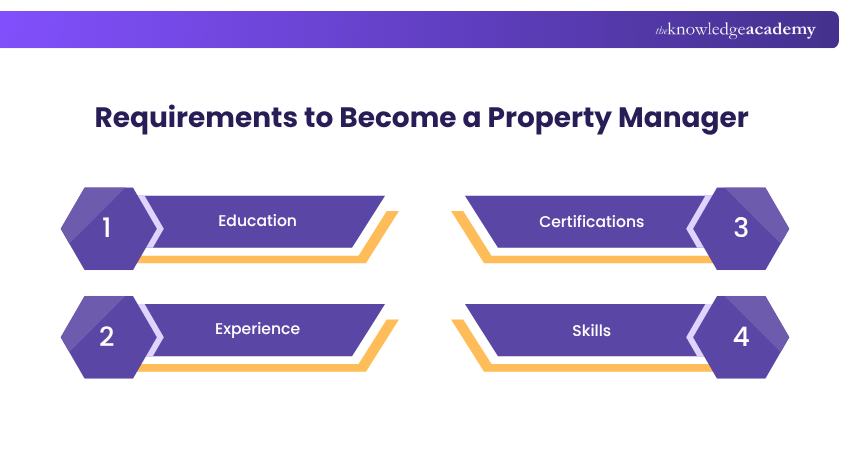
1) Education
You need at least a secondary school education to start. Some employers may prefer a college or university degree in real estate, business, or finance. Studying Property Management teaches rental laws, finance, and maintenance. If you plan to work independently, learning Business Management can also be useful.
2) Experience
After studying, it’s good to get real experience. You can work as an assistant or intern with an experienced Property Manager. Many companies also train new staff to use their systems and software. This helps you learn how the job works in real life.
3) Certifications
Getting certificates can make you more skilled and trusted as a Property Manager. They help you learn more, find better job opportunities, and show your commitment to your career. You can also study while working to keep improving your knowledge and skills.
Learn powerful marketing techniques to promote properties and attract the right buyers and tenants with Real Estate Marketing Training today!
Skills to Succeed in Property Management
Property Managers play an important role in the property industry by managing maintenance, tenant relationships, leasing, and financial tasks. Let’s look at the key skills below that help them manage operations smoothly and maintain positive tenant experiences:
1) Key Soft Skills
1) Customer Service: Property Managers must communicate clearly with tenants and owners. Good customer service helps them address concerns and maintain positive relationships.
2) Negotiation: Negotiation skills help Property Managers handle lease agreements, rental rates, and service contracts, ensuring fair outcomes for both owners and tenants.
3) Problem-solving: Property Managers face unexpected issues, such as maintenance problems or tenant disputes. Strong problem-solving skills help them respond quickly and find practical solutions.
2) Key Technical Skills
1) Understanding Property Laws: Property Managers should understand rental laws, lease agreements, tenant rights, and safety regulations. This knowledge ensures properties operate legally and professionally.
2) Property Management Software: Using property management software helps to manage tasks, such as tenant screening, rent collection, and financial tracking, efficiently.
3) Maintenance Knowledge: Basic knowledge of maintenance systems, such as plumbing or electrical, helps Property Managers coordinate repairs and ensure properties remain in good condition.
What are the Signs of a Poor Manager?
Some signs of a poor Property Manager include:
1) Poor Communication: Managers who are hard to reach or slow to respond can create confusion for tenants and owners.
2) Neglected Maintenance: Delayed repairs may lead to tenant complaints, unsafe conditions, and property damage.
3) Financial Disorganisation: Late rent transfers, unclear records, or poor financial documentation indicate weak management.
4) High Tenant or Staff Turnover: Frequent turnover may signal poor management or tenant dissatisfaction.
5) Unapproved or High Costs: Making costly repairs without the owner’s approval can create financial problems.
6) Lack of Transparency: Failure to provide clear reports prevents owners from understanding property performance.
Do Property Managers Provide Financial Reports to Owner?
Yes, Property Managers provide regular financial reports to property owners. These reports help owners track the performance of their property, understand expenses, and monitor rental income. Common financial reports provided by property managers include:
1) Income and Expense Statement: Shows the property’s revenue and expenses, including rent received and maintenance costs.
2) Balance Sheet: Summarises the property’s assets, liabilities, and overall financial position.
3) Cash Flow Statement: Tracks the movement of money in and out of the property, including the net operating income.
4) General Ledger: Provides a detailed record of financial transactions related to the property.
5) Rent Roll: Shows tenant details, rent payments, lease terms, and occupancy rates.
Conclusion
Understanding What Does a Property Manager Do highlight the value they bring in keeping properties well-managed and profitable. From rent collection and maintenance to tenant support and legal compliance, they handle the daily responsibilities that can overwhelm property owners. By managing these tasks effectively, Property Managers protect the property, preserve its value, and secure a steady income stream for the owner.
Gain skills in analysing cash flows related to real estate assets. Join our Real Estate Financial Modelling Training now!
Frequently Asked Questions
What Skills Does a Property Manager Have?

A Property Manager needs these skills:
a) Communicate clearly with owners and tenants
b) Stay organised with rent, repairs, and records
c) Understand rental laws and follow rules
d) Manage money and budgets wisely
e) Handle maintenance and solve issues quickly
What is the Difference Between a Real Estate Manager and a Property Manager?
A Property Manager looks after daily tasks like rent collection, maintenance, and tenant support. On the other hand, a Real Estate Manager focuses on the bigger picture, planning investments, increasing property value, and making buying or selling decisions. Property Managers handle operations, while Real Estate Managers handle strategy.
What are the Other Resources and Offers Provided by The Knowledge Academy?
The Knowledge Academy takes global learning to new heights, offering over 3,000+ online courses across 490+ locations in 190+ countries. This expansive reach ensures accessibility and convenience for learners worldwide.
Alongside our diverse Online Course Catalogue, encompassing 17 major categories, we go the extra mile by providing a plethora of free educational Online Resources like Blogs, eBooks, Interview Questions and Videos. Tailoring learning experiences further, professionals can unlock greater value through a wide range of special discounts, seasonal deals, and Exclusive Offers.
What is The Knowledge Pass, and How Does it Work?
The Knowledge Academy’s Knowledge Pass, a prepaid voucher, adds another layer of flexibility, allowing course bookings over a 12-month period. Join us on a journey where education knows no bounds.
What are the Related Courses and Blogs Provided by The Knowledge Academy?
The Knowledge Academy offers various Investment and Trading Training, including the Property Management Training, Real Estate Agent Course, Investment Banking Training, and the Real Estate Risk Management Training. These courses cater to different skill levels, providing comprehensive insights into Real Estate Regulatory Authority.
Our Business Skills Blogs cover a range of topics related to Property Management, offering valuable resources, best practices, and industry insights. Whether you are a beginner or looking to advance your Business skills, The Knowledge Academy's diverse courses and informative blogs have got you covered.

The Knowledge Academy


Global Training Provider
The Knowledge Academy is a world-leading provider of professional training courses, offering globally recognised qualifications across a wide range of subjects. With expert trainers, up-to-date course material, and flexible learning options, we aim to empower professionals and organisations to achieve their goals through continuous learning.

Upcoming Business Skills Resources Batches & Dates
Date
 Real Estate Agent Course
Real Estate Agent Course
Fri 19th Jun 2026
Real Estate Agent Course
Fri 11th Sep 2026
Real Estate Agent Course
Fri 11th Dec 2026

 If you wish to make any changes to your course, please


