


 Top Rated Course

We may not have the course you’re looking for. If you enquire or give us a call on 01344 203999 and speak to our training experts, we may still be able to help with your training requirements.
What is ACAS? A Guide to Workplace Dispute Resolution
The Knowledge Academy 16 July 2026ACAS provides free impartial advice, training, and dispute resolution services to improve workplace relationships and resolve issues before tribunal claims arise. Its services help employers and employees manage conflicts effectively, promote fair practices, and maintain a positive, compliant working environment.

Training Outcomes Within Your Budget!
We ensure quality, budget-alignment, and timely delivery by our expert instructors.
Table of Contents
Workplace conflicts can arise for many reasons, from miscommunication to differences in expectations and policies. Handling these issues effectively is essential to maintain a positive working environment and avoid escalation. Organisations often rely on structured guidance and support systems to resolve disputes fairly and efficiently.
In this blog, we will explore what is ACAS and how it supports both employers and employees in managing workplace disputes. It explains its key services, role in conflict resolution, and how it helps prevent issues from progressing to formal legal action.
Table of Contents
1) What is ACAS?
2) How is ACAS Organised?
3) Functions of ACAS
4) What Types of Issues Does ACAS Address?
5) How Does ACAS Resolve Disputes?
6) What Services Does ACAS Provide?
7) What are the ACAS Codes of Practice?
8) What Happens if the ACAS Codes are Breached?
9) Conclusion
What is ACAS?
ACAS is an independent and impartial organisation that works to improve working relationships between employers, employees, and organisations. It has been advising the employment world for over 30 years and became widely recognised during the 1980s.
ACAS is an executive public body sponsored by the Department for Business, Energy and Industrial Strategy and is overseen by an independent council.
It provides free, unbiased information, advice, and guidance on workplace rules and best practices to employers, employees, and trade union representatives.To understand how ACAS can support your organisation, it is important to understand how it operates.

How is ACAS Organised?
ACAS is a non-departmental public body. This means it is self-governing but financed by the UK government with the Department for Business and Trade. It is controlled by a council invented by members from employers, employees and independent members. This mixture ensures an honest and balanced view of workplace issues.
Functions of ACAS
ACAS delivers a broad range of services designed to help organisations create fair, productive, and positive workplace environments, helping you understand What is ACAS and its role in effective dispute resolution. The main functions are:
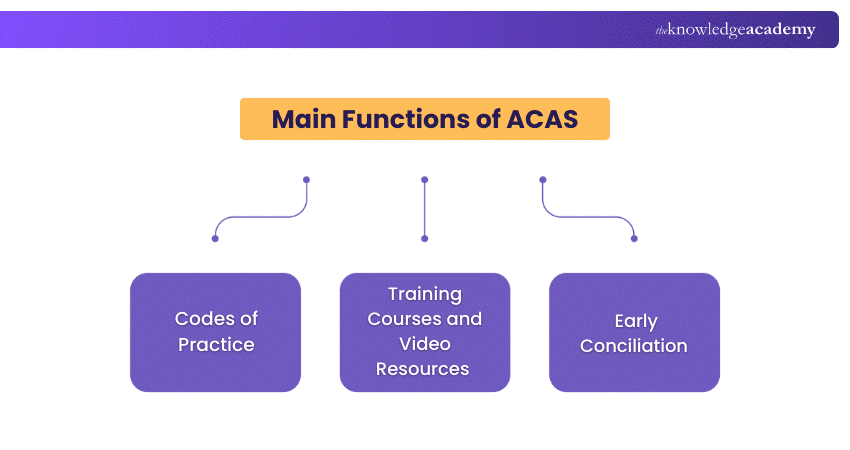
1) Codes of Practice
ACAS publishes Codes of Practice that offer clear guidance on key employment matters, including:
a) Handling disciplinary issues
b) Settlement agreements
Although these codes are not legally binding, employment tribunals may place significant weight on them. Failure to follow the guidance can result in a tribunal ruling against an organisation, with compensation increased by up to 25%.
2) Training Courses and Video Resources
ACAS offers practical training courses and educational videos covering a variety of workplace topics. These resources support employers and employees in developing skills related to:
a) Conflict resolution
b) Effective workplace communication
c) Managing disciplinary and grievance procedures
They help ensure workplace issues are handled in line with ACAS Codes of Practice.
3) Early Conciliation
The ACAS Early Conciliation service helps resolve workplace disputes before they progress to an employment tribunal. Encouraging constructive discussion can:
a) Prevent disputes from escalating
b) Resolve issues without formal tribunal claims
c) Reduce costs
d) Protect organisational reputation
In addition, ACAS provides mediation and arbitration services to manage more complex or sensitive disputes confidentially, helping organisations avoid the time, cost, and impact of legal proceedings.
Learn how to identify, prevent, and respond to bribery and corruption risks effectively with our Anti-Bribery and Corruption Training - Join today!
What Types of Issues Does ACAS Address?
The ACAS helps with a large area of work-related problems, including these:
a) Unethical dismissal
b) Redundancy
c) Pay disputes
d) Favouritism and harassment
e) Workplace harassment
f) Complaints and disciplinary actions
g) Adaptable working requests
h) Contract disagreements
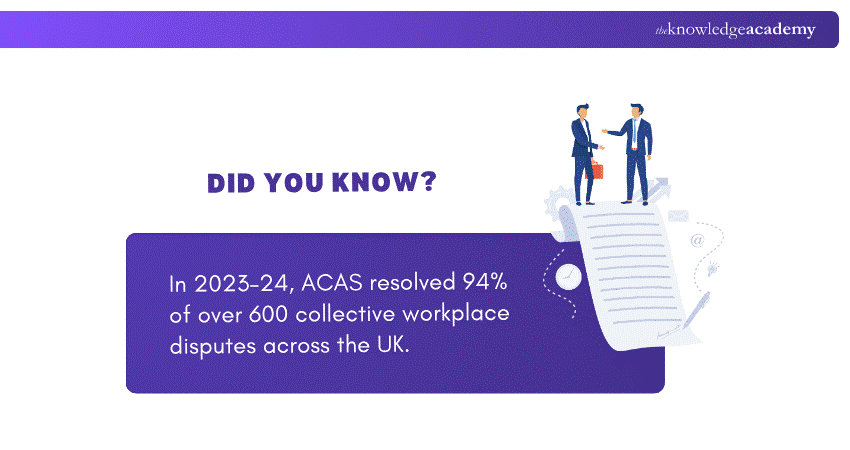
How Does ACAS Resolve Disputes?
ACAS resolves workplace disputes by acting as an independent and impartial third party, helping both employers and employees reach fair agreements. Understanding What is ACAS helps in recognising how its structured approaches support effective dispute resolution. Here are the key ways ACAS resolves disputes:
1) Early Conciliation
Early Conciliation is the first step before most tribunal claims, where ACAS helps both parties explore settlement options. A conciliator communicates with each side separately, explains possible outcomes, and facilitates discussions to resolve the issue.
If an agreement is reached, it is recorded as a legally binding settlement. If not, a certificate is issued, allowing the case to proceed to a tribunal.
2) Conciliation During Tribunal
ACAS continues to offer conciliation even after a claim has been submitted to a tribunal. This allows both parties to settle the dispute at any stage before a final decision is made.
This approach helps avoid lengthy proceedings and encourages quicker, mutually agreed resolutions.
3) Collective Conciliation
Collective conciliation is used when disputes involve groups of employees or trade unions. ACAS works with both sides to address issues such as working conditions, pay, or organisational changes.
It helps maintain workplace harmony by encouraging dialogue and preventing industrial action where possible.
4) Arbitration
Arbitration provides an alternative to a formal tribunal by allowing an independent arbitrator to review the case. The decision made is legally binding and final for both parties involved.
This process is less formal, quicker, and often more cost-effective than traditional legal proceedings.
5) Mediation Support
ACAS also offers mediation services to resolve disputes at an early stage. It involves a neutral mediator who helps both parties communicate effectively and reach a voluntary agreement.
Mediation encourages cooperation and helps maintain positive working relationships without escalating the issue further.
What Services Does ACAS Provide?
ACAS gives a variety of services to support both employees and employers:
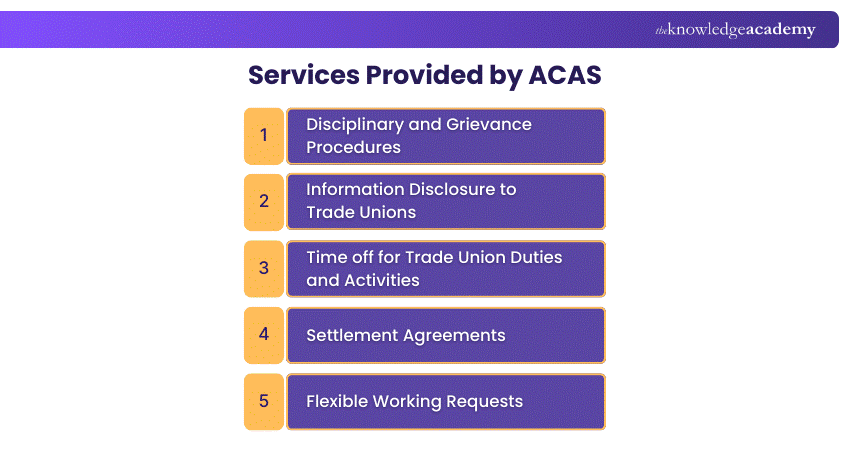
1) Disciplinary and Grievance Procedures
ACAS offers detailed advice on how to handle workplace disciplinary actions and grievances fairly and legally. It provides step-by-step guidance on conducting investigations, holding meetings and issuing warnings while ensuring both parties are treated with respect and transparency.
2) Information Disclosure to Trade Unions
Employers can learn when and how to share workplace information with trade unions or employee representatives. This helps maintain open communication, builds trust and supports compliance with Employment Laws regarding collective consultation.
3) Time off for Trade Union Duties and Activities
ACAS explains the rights of trade union representatives to take time off for meetings, training or union work. It also helps employers manage requests fairly without affecting business operations, ensuring a balanced and cooperative approach.
4) Settlement Agreements
ACAS supports the creation of legal agreements where both teams agree to end the employment relationship on certain terms, avoiding legal disputes. These agreements ensure a clean break and often include compensation, confidentiality and legal advice clauses in the Settlement Agreement.
5) Flexible Working Requests
ACAS helps employers respond fairly to employee requests for flexible working, such as part-time hours or remote work. It offers templates, timelines and best practices for handling these requests in line with employment law.
Develop the knowledge to recognise and prevent discrimination in the workplace with our Direct and Indirect Discrimination Training - Join now!
What are the ACAS Codes of Practice?
Each ACAS Code of Practice provides clear guidance on fair and reasonable behaviour for both employers and employees across five key areas of employment practice:
a) Discipline and Grievance: Outlines minimum standards of fairness when managing disciplinary actions and grievance procedures in the workplace.
b) Disclosure of Information to Trade Unions: Explains what information employers should share with trade unions during industrial relations activities.
c) Time off for Trade Union Duties and Activities: Provides guidance on granting reasonable time off for recognised trade union officials.
d) Settlement Agreements: Clarifies how settlement agreements affect employment rights and how they should be used during negotiations.
e) Flexible Working Requests: Sets out best practice for handling employee requests to change working hours, patterns, or location.
If an employer doesn’t follow these codes, it can affect the result of a legal case even if they didn’t break the law directly.
What Happens if the ACAS Codes are Breached?
If a tribunal finds that an employer or employee ignored the ACAS Codes, they may:
1) Increase compensation to the employee by up to 25%
2) Reduce compensation by 25% if the employee is at fault
This means it’s in everyone’s best interest to follow these guidelines seriously.
Conclusion
ACAS plays a crucial role in resolving workplace disputes by offering impartial guidance and structured resolution methods. Understanding What is ACAS helps employers and employees address issues early and avoid formal legal action. Its services support effective conflict management and fair outcomes. This ultimately promotes stronger workplace relationships and a more positive working environment.
Build a strong understanding of commercial law to make informed business decisions with our Commercial Law Training- Sign in today!
Frequently Asked Questions
What Happens if you Contact ACAS?

Whenever you connect ACAS, they will give attention to your problem, explain your rights and may give early compromise. Their assistance is free, confidential and unbiased. They won’t take sides or force you to act but will direct you on the best next actions.
Can an Employer Refuse ACAS?
Employers are not legally forced to take part in early conciliation, but it is strongly encouraged. Refusing ACAS involvement can lead to court cases and legal costs. Also, employment tribunals may look less favourably on employers who avoid ACAS help.

The Knowledge Academy


Global Training Provider
The Knowledge Academy is a world-leading provider of professional training courses, offering globally recognised qualifications across a wide range of subjects. With expert trainers, up-to-date course material, and flexible learning options, we aim to empower professionals and organisations to achieve their goals through continuous learning.


 If you wish to make any changes to your course, please


