


 Top Rated Course

We may not have the course you’re looking for. If you enquire or give us a call on 01344 203999 and speak to our training experts, we may still be able to help with your training requirements.
What is Resource Allocation? A Guide to Smarter Project Planning
Sienna Roberts 22 April 2026Resource Allocation means strategically assigning time, money, or staff to tasks or teams to boost efficiency and achieve the best results. It helps organisations prioritise what matters most and avoid wasted effort. Done right, it keeps projects on track and teams working at their best and ensures resources are used where they matter.

Training Outcomes Within Your Budget!
We ensure quality, budget-alignment, and timely delivery by our expert instructors.
Table of Contents

Every successful project starts with smart planning, and that’s where Resource Allocation comes in. It’s all about using what you have wisely. Whether it’s time, budget, or people, allocating resources effectively can make or break a project. Without it, even the best plans can fall apart.
But with the right strategy, you’ll boost efficiency, reduce waste, and keep everything running smoothly. Curious how it works in practice? Let’s break it down and explore how to learn this concept for smarter project planning.
Table of Contents
1) What is Resource Allocation?
2) How to Allocate Resources Effectively
3) Benefits of Resource Allocation
4) Common Challenges in Resource Allocation
5) Tips for Resource Allocation
6) Conclusion
What is Resource Allocation?
Resource Allocation is the strategic process of identifying and assigning resources, such as team members, budget, tools, and time, required to execute a project’s goals effectively. It ensures that every task has the right support, reducing bottlenecks and keeping projects on track.
By proactively matching people’s skills with appropriate work, allocating sufficient funds to key activities, and providing necessary tools or equipment, teams can work smarter, not harder. When done right, resource allocation maximises impact, prevents overallocation or resource shortfalls, and aligns effort with priority objectives. In short, it's the backbone of smarter project planning, setting your work up for success from day one.

How to Allocate Resources Effectively
Clear thinking and astute planning are the first steps towards efficient resource allocation. It all comes down to knowing what is required, what is available, and how to combine the two. You can maximise output without exhausting your team by taking the appropriate actions.
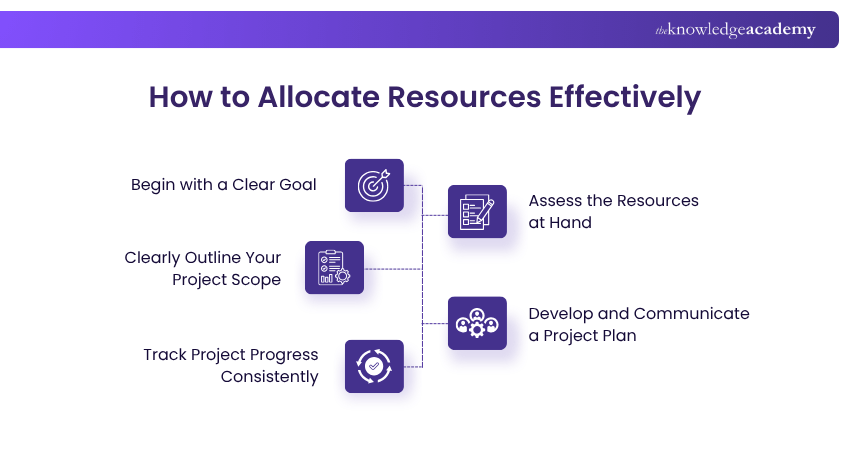
1) Begin with a Clear Goal
Every project needs to start with a clear goal. Every choice regarding where and how to allocate resources is guided by the intended result. The basis for targeted, effective planning is a well-defined objective.
2) Assess the Resources at Hand
Examine your present resources, including people, money, time, and tools. You can avoid overpromising and underdelivering by being aware of what you have. You can make better plans right away if you have a realistic picture of your available resources.
3) Clearly Outline Your Project Scope
Specify what is and is not part of the project. A clear scope prevents scope creep and maintains team alignment. Additionally, it guarantees that resources are only distributed where they are actually needed.
4) Develop and Communicate a Project Plan
Make a roadmap that includes assigned responsibilities, deadlines, and tasks. Everyone will know what is expected of them and when if there is clear communication. Execution is much more effective when everyone on the team is aware of the plan.
5) Track Project Progress Consistently
Throughout the project, keep an eye on how much time, money, and team capacity are being used. Frequent check-ins enable you to identify problems early and make necessary corrections. This keeps everything in order and your objectives within reach.
Build confidence by learning essential skills tailored for non-Project Managers with our Project Management For Non-Project Managers Course – Join now!
Benefits of Resource Allocation
Effective Resource Allocation isn’t just about assigning tasks but about working smarter across the board. When done right, it saves time, cuts costs, and empowers teams to deliver better results. From clearer timelines to improved stakeholder satisfaction, the benefits touch every aspect of project planning.
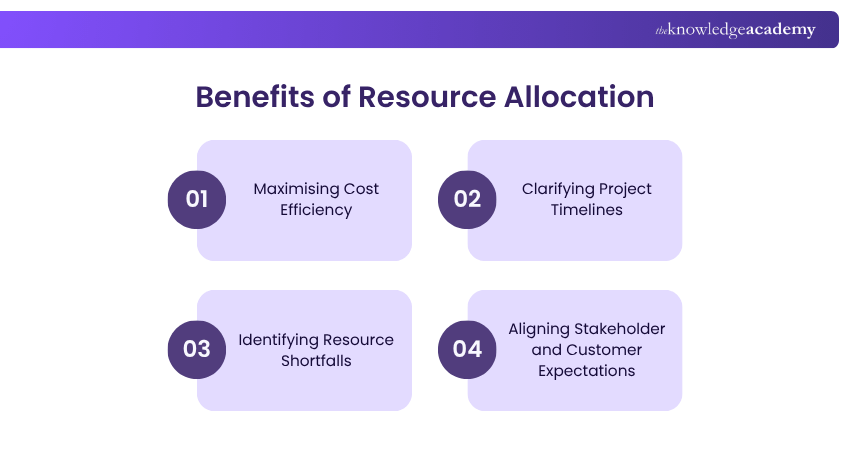
1) Maximising Cost Efficiency
You can maximise your budget by using smart resource allocation. Teams can finish projects without wasting money by minimising waste and avoiding overallocation. It maintains the financial sustainability, focus, and leanness of your project.
2) Clarifying Project Timelines
With the right resources in place, deadlines become more predictable. Clear allocation ensures tasks are completed on time, without last-minute scrambles. This helps project managers set realistic expectations from day one.
3) Identifying Resource Shortfalls
Allocating resources early highlights where gaps exist. Whether it’s a skills shortage or limited availability, spotting issues upfront prevents future delays. This proactive approach helps maintain project momentum.
4) Aligning Stakeholder and Customer Expectations
When resources are allocated efficiently, deliverables become more consistent and reliable. These builds trust with stakeholders and clients, who value transparency and timely results. Everyone stays informed, aligned, and confident in the project’s direction.
Mitigate risks and manage with confidence with our Project Risk Management Course – Register now!
Common Challenges in Resource Allocation
Resource Allocation is essential for strategic success, but it comes with its own set of hurdles. It involves assigning and managing assets effectively - a process that can be complicated by competing priorities and limited assets. Let’s dive into the most frequent blockers teams face:
1) Limited Resources
Many projects launch with fewer resources than ideal, be it budget, tools, or workforce. This scarcity means managers must make tough trade-offs to keep projects moving. Improper balancing often results in delays or unmet goals.
2) Shortage of Skills
Even if there are enough people, they might not have the necessary skills. It's crucial to match team capabilities with project requirements. A lack of skills can impede advancement and necessitate last-minute hiring or training.
3) Overallocation of Resources
Overloading a team or individual with work leads to errors, missed deadlines, and burnout. Teams become overworked and lose efficiency if realistic planning and monitoring aren't done. Workloads can be rebalanced before they collapse with the aid of ongoing tracking.
4) Lack of Transparency
When resource decisions happen behind closed doors or aren’t visible to stakeholders, confusion spreads. Open communication channels are key to balancing availability and commitments. Transparency builds trust and keeps everyone on the same page.
5) Scope Creep
As projects expand without adjusting resources, everything gets stretched thin. Unplanned additions dilute focus and increase pressure on teams. Setting clear boundaries and regular scope reviews is essential to prevent stealthy project expansions.
By recognising and addressing these challenges, you’ll strengthen your resource allocation strategy and build more realistic, resilient project plans.
Start your PMO journey now with our Project Management Office Fundamentals Certification Course!
Tips for Resource Allocation
Allocating resources effectively requires constant planning, tweaking, and improvement. The most successful project managers understand that communication and flexibility are essential, even with a strong initial plan. You can make sure that your team's time, abilities, and energy are always used effectively by utilising the appropriate tools, maintaining goal alignment, and reacting swiftly to changes. Here are four useful suggestions to improve your resource allocation.

1) Reassign Resources Without Delay
Rarely do projects turn out exactly as expected. Don't wait to make changes when something changes, like a delay, a team member becoming unavailable, or a task taking longer than anticipated. Rapid resource reallocation keeps minor problems from growing into significant delays.
2) Keep the Overall Objective in Mind
It's simple to become preoccupied with daily chores and lose sight of the wider picture. When choosing resources, always keep the project's main objectives in mind. "Does this task or reassignment help us meet our core objective?" ask yourself.
3) Utilise Resource Management Tools
Spreadsheets can only take you so far. Modern resource management tools, such as Asana, Trello, or Microsoft Project, provide visibility, real-time updates, and workload forecasting. These tools help you track availability, plan, and avoid overloading your team.
4) Establish a Consistent Process
Consistency brings clarity. Set up a repeatable workflow for how you assess, assign, and reallocate resources. Whether it’s weekly resource check-ins or monthly capacity reviews, having a regular rhythm helps spot issues early and streamline collaboration.
Conclusion
The concept might seem like a behind-the-scenes task, but it’s one of the most powerful tools for successful project delivery. When done right, it keeps your team focused, your timeline realistic, and your budget under control. The key is to stay aligned with your goals while staying open to change. With the right tools and a clear process, Resource Allocation becomes second nature, not a scramble. Whether you’re leading a small team or managing a large-scale initiative, smart allocation sets the stage for success. Now that you know the basics, it’s time to put them into action.
Get certified and deliver projects with proven excellence. Join our Project Management Certification now!
Frequently Asked Questions
What is an Example of Allocation of Resources?

An example of Resource Allocation is managing a website redesign project. You assign designers, a developer, a content writer, and a tester, while dividing the budget across tools, salaries, and contingencies. This ensures each task has the right support to meet the project’s goals on time.
What is the Meaning of Resource Allocator?
A Resource Allocator is often a manager or team lead who is responsible for strategically distributing resources to different tasks or departments. Their goal is to ensure these resources are used efficiently to meet project or organisational objectives.
What are the Other Resources and Offers Provided by The Knowledge Academy?
The Knowledge Academy takes global learning to new heights, offering over 3,000+ online courses across 490+ locations in 190+ countries. This expansive reach ensures accessibility and convenience for learners worldwide.
Alongside our diverse Online Course Catalogue, encompassing 17 major categories, we go the extra mile by providing a plethora of free educational Online Resources like Blogs, eBooks, Interview Questions and Videos. Tailoring learning experiences further, professionals can unlock greater value through a wide range of special discounts, seasonal deals, and Exclusive Offers.
What is The Knowledge Pass, and How Does it Work?
The Knowledge Academy’s Knowledge Pass, a prepaid voucher, adds another layer of flexibility, allowing course bookings over a 12-month period. Join us on a journey where education knows no bounds.
What are the Related Courses and Blogs Provided by The Knowledge Academy?
The Knowledge Academy offers various Project Management Courses, including the Introduction To Project Management Course, Project Management For Non-Project Managers Course, and Smartsheet Training. These courses cater to different skill levels, providing comprehensive insights into Risk Mitigation.
Our Project Management Blogs cover a range of topics related to Resource Allocation, offering valuable resources, best practices, and industry insights. Whether you are a beginner or looking to advance your Project Management skills, The Knowledge Academy's diverse courses and informative blogs have got you covered.
Upcoming Project Management Resources Batches & Dates
Date
 Project Management Office Black Belt
Project Management Office Black Belt
Wed 19th Aug 2026
Project Management Office Black Belt
Wed 25th Nov 2026

 If you wish to make any changes to your course, please


